 English
 中文
中文







Ceramic Fiber Ferrule Supplier USA
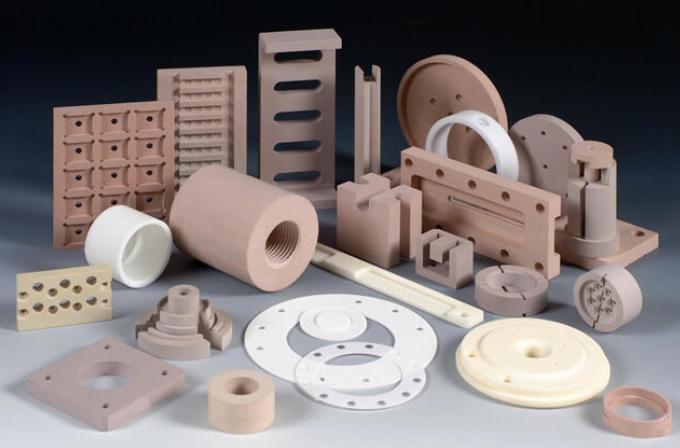
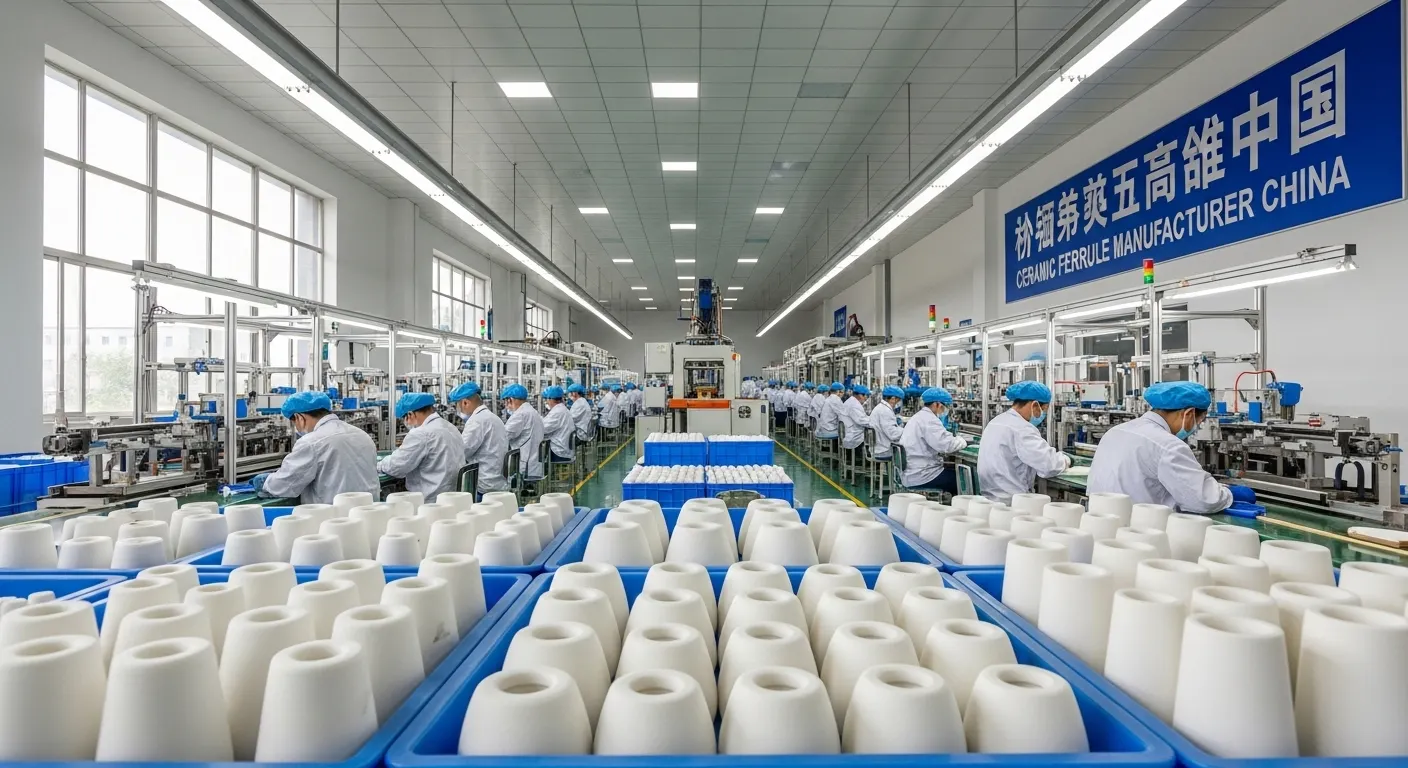
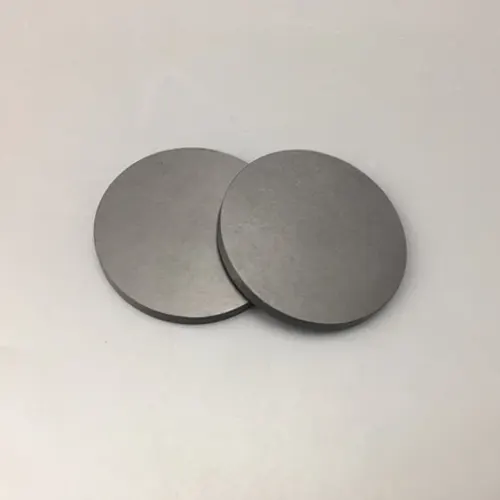
A premier Ceramic Fiber Ferrule Supplier USA is a critical partner for high-technology industries. These specialized suppliers are the source for the most essential components in fiber optic connectivity. The performance of national data infrastructure relies on these parts. A domestic supplier provides a secure, traceable, and high-quality supply chain. They serve the telecommunications, medical, and defense sectors.
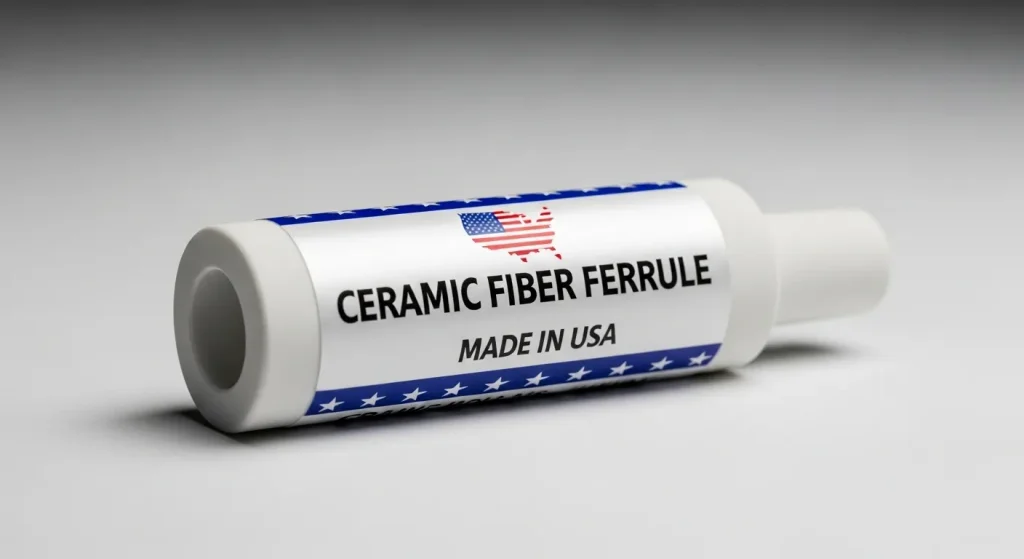
These suppliers are experts in materials and precision. They bridge the gap between advanced manufacturing and practical application. Choosing a supplier is a critical decision. It impacts product performance, reliability, and compliance. This guide explores the technology, the market, and the role of these key suppliers.
Clarifying Terminology: "Ceramic Fiber" vs. "Ceramic"
The topic of fiber optic components has specific terminology. The term "ceramic fiber" can be a source of confusion. It is essential to clarify the correct materials and components. This ensures the right part is sourced for the application.
The Component: The Zirconia Ceramic Ferrule
The component used in fiber optics is the ceramic ferrule. This is a hard, dense, and rigid pin. It is not flexible. It is made from an advanced ceramic material. This material is almost always Yttria-Stabilized Zirconia (Y-TZP). A zirconia ceramic ferrule is the industry-standard part. Its function is to align a glass fiber to sub-micron accuracy.
The Material: "Ceramic Fiber" Explained
"Ceramic fiber" is a different material. It is a soft, lightweight, wool-like insulation. It is made from alumina-silica fibers. A "ceramic fiber ferrule" is not the correct term for the optical component.
Our Focus: High-Precision Ceramic Ferrules
This article will focus on the ceramic ferrule for fiber optics. This is the precision zirconia component. A high-precision ceramic ferrule is the correct term. We will use the user-provided title for consistency. However, all technical details refer to the solid zirconia ferrule. This is the part a Ceramic Fiber Ferrule Supplier USA provides for optical networks.
The Role of a Ceramic Ferrule Supplier USA
Sourcing these components from a domestic supplier offers strategic advantages. A ceramic ferrules usa supplier is more than a reseller. They are a quality and logistics partner.
Ensuring a Secure Domestic Supply Chain
A domestic supplier provides a secure supply chain. This is vital for critical industries. It reduces reliance on long-distance shipping. It ensures a stable supply of parts for national infrastructure. This is especially important for defense and medical device manufacturing.
Adherence to Stringent Quality Standards
Suppliers in this market are accustomed to high standards. They must provide parts that meet military specifications (mil-spec). We must meet medical-grade (FDA) traceability requirements. They are certified to ISO 9001:2015. This culture of quality is a key benefit. It ensures that the ferrules received are inspected and verified.
Local Technical Expertise and Support
A domestic supplier provides local technical support. Their engineers are in the same time zone. They understand the specific application requirements. We can help troubleshoot polishing issues. They can advise on the correct ferrule grade for a new product. This real-time support is invaluable.
Managing Logistics and Local Inventory
A premier supplier holds a large, local inventory. This is a primary function. A cable assembler cannot wait 12 weeks for parts. The supplier holds millions of ferrules in stock. This allows for just-in-time (JIT) delivery. Customers can get parts in days, not months. This reduces their own inventory costs.
What Is a Ceramic Ferrule?
A ceramic ferrule is the heart of every fiber optic connector. It is the component that makes high-speed data transmission possible. It is the key enabler of ceramic-ferrule-fiber-optics/ technology.
The Function of the Ferrule
The ferrule's sole function is to align a single, bare optical fiber. It is a precision pin with a microscopic hole (a "bore") in the center. The fiber is inserted into this bore. It is secured with epoxy. The ferrule and fiber are then polished to a smooth, perfect end-face.
The Problem It Solves: Alignment and Loss
The ferrule solves the problem of alignment. A single-mode fiber core is just 9 microns wide. When two connectors mate, two ferrules are pressed together. They must align these 9-micron cores almost perfectly. Any error causes signal loss (insertion loss). A high-quality ferrule minimizes this loss.
The 2.5 mm and 1.25 mm Standards
Ferrules are defined by their outer diameter (OD). Two standards dominate the industry.
- 2.5 mm Ferrules: This is the older, larger standard. It is used in robust connectors like the SC, ST, and FC.
- 1.25 mm Ferrules: This is the smaller, modern standard. It is used in high-density connectors like the LC and MU. Its small size allows for more connections in the same space.
A Ceramic Fiber Ferrule Supplier USA stocks all types.
The Manufacturing of Precision Zirconia Ferrules
The creation of a ferrule is one of the most demanding processes in modern manufacturing. It is a multi-stage process of advanced ceramic engineering.
Step 1: Material Formulation (Zirconia Powder)
The process begins not with a solid, but with a powder. Ultra-pure Yttria-Stabilized Zirconia (Y-TZP) powder is used. This powder has a particle size in the nanometer range. It is mixed with a proprietary polymer binder. This creates a feedstock material.
Step 2: Ceramic Injection Molding (CIM)
The feedstock is heated until it has a paste-like consistency. It is then injected under very high pressure into a steel mold. This mold has the shape of the ferrule. It is, however, about 20% larger than the final part. This is to account for shrinkage. This process creates the "green part."
Step 3: Debinding and Sintering
This is the most critical and time-consuming stage.
- Debinding: The green part is placed in a furnace. It is heated very slowly. This process carefully burns away the polymer binder. This must be done gradually, or the part will crack.
- Sintering: The part is then heated to an extreme temperature. This is often over 1,400°C. The part is now just porous zirconia. At this heat, the zirconia particles fuse. The part shrinks by a precise amount. It becomes incredibly hard, dense, and chemically stable.
Step 4: Precision Grinding (Achieving the OD)
After sintering, the ferrule is hard, but its dimensions are not yet precise. It must be finished. A centerless grinder is used. This machine uses diamond wheels. It grinds the outer diameter to its exact 2.5 mm or 1.25 mm size. The tolerance is often ±0.0005 mm (half a micron).
Step 5: Lapping the Sub-Micron Bore
This is the most difficult and proprietary step. The microscopic hole in the center must be finished. A precision wire, coated in diamond slurry, is often used. It "laps" the inner hole. It removes material one nanometer at a time. This step establishes the final inner diameter. It also ensures the hole is perfectly straight.
Step 6: 100% Inspection and Metrology
Every single ferrule is inspected. This is not batch sampling. 100% of the parts are checked. Automated systems use air gauges, lasers, and video cameras. They check the ID, OD, and concentricity. Any part that is not perfect is discarded. A Ceramic Fiber Ferrule Supplier USA must verify this inspection.
Key Specifications for High-Precision Ferrules
When sourcing ferrules, quality is defined by a language of specific, verifiable metrics. These are the specifications that matter.
Inner Diameter (ID) and Outer Diameter (OD) Tolerances
The ID and OD are the most basic specifications.
- OD: Standard sizes are 2.5 mm or 1.25 mm. The tolerance on this is extremely tight, often ±0.0005 mm.
- ID: The inner diameter must match the fiber. For single-mode fiber (125 µm), the hole is 126 µm. The tolerance is often ±1.0 µm or less.
Concentricity and Eccentricity: The Core Metrics
This is the most important specification for performance. Concentricity is the measure of how centered the ID (the hole) is relative to the OD (the ferrule body). Any offset is called eccentricity. This eccentricity directly causes the fiber cores to be misaligned.
- Standard Grade: May have an eccentricity of 1.0 µm or more.
- Premium Grade: Will have an eccentricity of < 0.7 µm.
- Ultra Grade: Will have an eccentricity of < 0.5 µm.
Suppliers in the USA often specialize in these premium and ultra grades.
End-Face Geometry (PC, UPC, APC)
The ferrule tip is polished to a specific shape by the assembler. The ferrule is designed for this.
- PC (Physical Contact): A slightly domed end.
- UPC (Ultra Physical Contact): A finer polish for a better connection.
- APC (Angled Physical Contact): The ferrule tip is pre-cut at an 8-degree angle. This is the green connector. It prevents light from reflecting back, which is critical for video and high-speed systems.
Material Purity (Y-TZP)
A premier supplier must guarantee the material is 100% Y-TZP. Low-cost ferrules may use alumina or other fillers. These materials do not have the same toughness or thermal stability. This leads to field failures.
Custom Ceramic Ferrules
While 99% of the market uses standard ferrules, many applications require custom parts. A top-tier Ceramic Fiber Ferrule Supplier USA will have capabilities in this area.
Beyond Standard Components
A custom ceramic ferrule is any ferrule that deviates from the standards. This could include:
- Multi-bore ferrules: Parts with two, four, or more holes.
- Custom Sizes: Ferrules with non-standard lengths or diameters.
- Custom Materials: Ferrules made from alumina or other ceramics.
- Custom Shapes: Ferrules with steps, slots, or other features.
Sourcing Custom Ferrules
Sourcing a custom part requires a true partnership. The customer provides a drawing. The supplier's engineering team works with a manufacturer. They develop the tooling and processes to create the new part. This co-engineering process is a key service.
Applications in Medical and Defense
Custom ferrules are common in specialized fields.
- Medical Devices: Small, custom ferrules are used in endoscopes. Multi-bore ferrules are used for laser-delivery tools.
- Aerospace and Defense: Custom ferrules are built for rugged, high-vibration environments.
- Optical Sensing: Fiber optic sensors often require unique ferrule designs.
The Global Supply Chain Context
Ceramic ferrules are a global commodity. A domestic supplier operates within this global market.
The Role of a Ceramic Ferrule Manufacturer USA
A domestic manufacturer often focuses on the highest-specification parts. They serve the defense, aerospace, and medical markets. They provide a high level of traceability.
Comparing Global Manufacturing Hubs
A domestic supplier must also source from global partners. This ensures a stable and cost-effective supply. They navigate this landscape.
- Ceramic ferrules china: This market has the world's largest capacity. They have mastered high-volume, high-quality, and cost-effective production.
- Ceramic ferrules europe: This market is known for its strong quality standards and regulatory compliance (RoHS, REACH).
Sourcing for Growing Markets
The technology is global. The same high-quality components are needed everywhere. This drives demand in growing markets for ceramic ferrules india and ceramic ferrules indonesia.
A USA-based supplier understands this global context. They use this knowledge to build a resilient and reliable supply chain for their customers.
How to Evaluate a Ferrule Supplier
When selecting a partner, you are evaluating their ability to master the micron.
Verifying ISO 9001 Certification
This is the first and most basic check. An ISO 9001:2015 certification proves the supplier has a documented, audited Quality Management System. Do not work with a supplier who does not have this.
Demanding Full Traceability
A premier supplier must provide full lot traceability. They must be able to trace a batch of ferrules back to its manufacturing date. They must also trace it to the raw material powder batch. This is essential for accountability.
Assessing Technical Capabilities
Can you speak to an engineer? A good supplier is a technical partner. They should be able to understand your application. They should be able to help you design a custom ceramic ferrule.
Requesting a ceramic ferrules
A good supplier is also an educator. They should be able to provide technical guides. These guides explain the specifications and standards.
Checking for Metrology and Inspection
Ask them how they measure their parts. A top-tier supplier will be proud to discuss their metrology lab. They should be using interferometers, video inspection systems, and air gauges. They must be able to provide 100% inspection data.
Conclusion
A Ceramic Fiber Ferrule Supplier USA is a partner in precision. They provide the foundational components for the nation's most critical systems. We are experts in the technology of zirconia ceramic ferrule components. They manage a complex global supply chain. They ensure a high-quality, compliant, and reliable source of parts. Choosing a domestic supplier is an investment in quality, security, and a supply chain you can trust.
Share on Social:


In This Article
- 1 Clarifying Terminology: "Ceramic Fiber" vs. "Ceramic"
- 2 The Role of a Ceramic Ferrule Supplier USA
- 3 What Is a Ceramic Ferrule?
- 4 The Manufacturing of Precision Zirconia Ferrules
- 5 Key Specifications for High-Precision Ferrules
- 6 Custom Ceramic Ferrules
- 7 The Global Supply Chain Context
- 8 How to Evaluate a Ferrule Supplier
- 9 Conclusion
