 English
 中文
中文







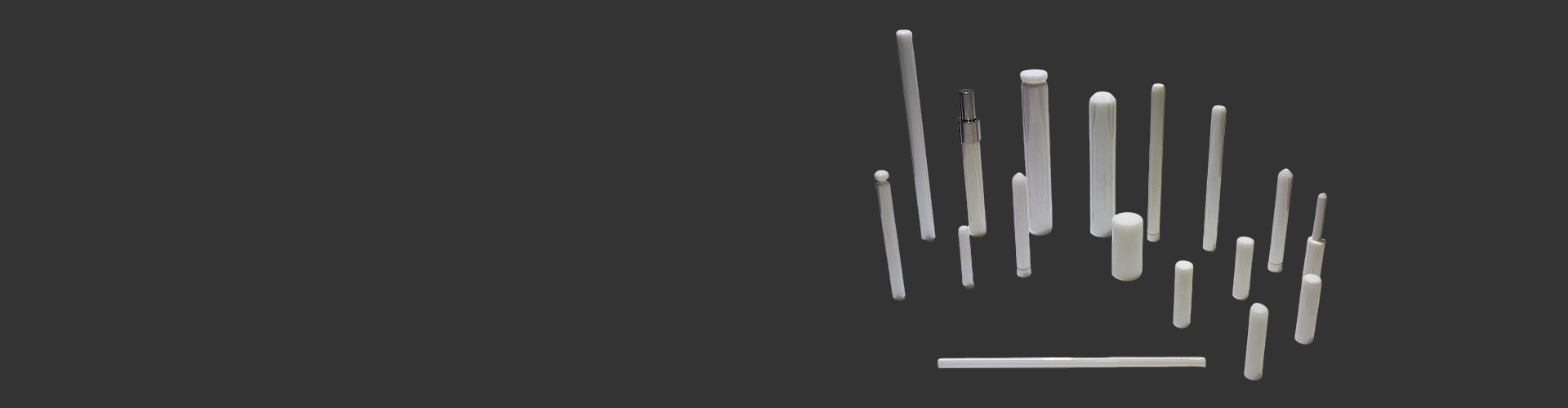
Ceramic Rods
We produce high-precision ceramic rods, including zirconia, alumina, silicon carbide, silicon nitride and other materials, which can be used in precision machinery, medical equipment, semiconductor manufacturing and many other industries. The rods are available in different specifications and tolerance levels according to customer requirements.
1. 20+ years of ceramic manufacturing experience
2. Factory-direct supply with guaranteed quality
3. Custom production available
4. Available in various ceramic materials
5. Support ceramic-metal assemblies and metallization services
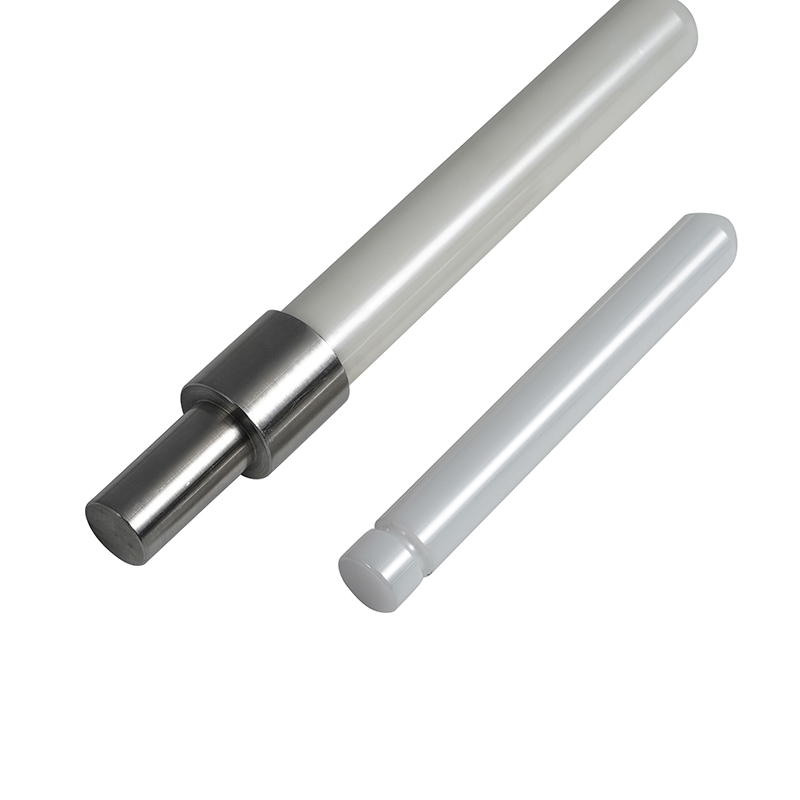
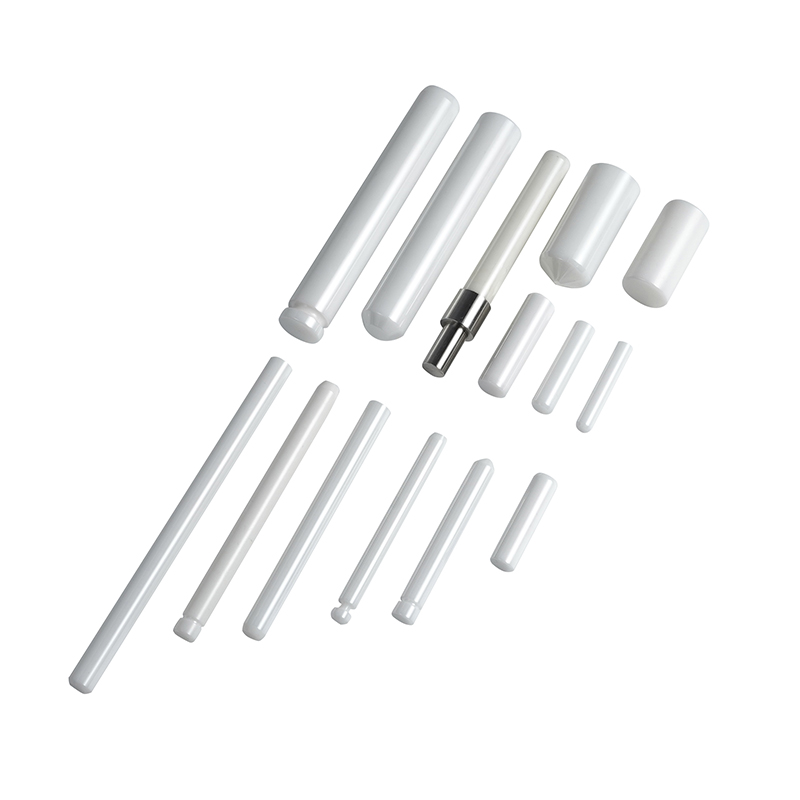
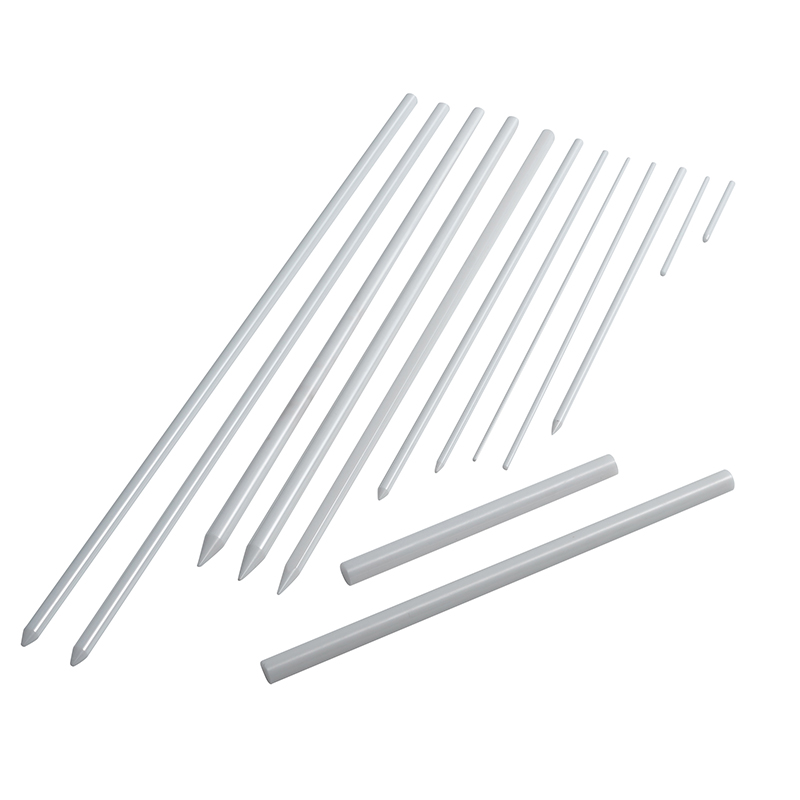
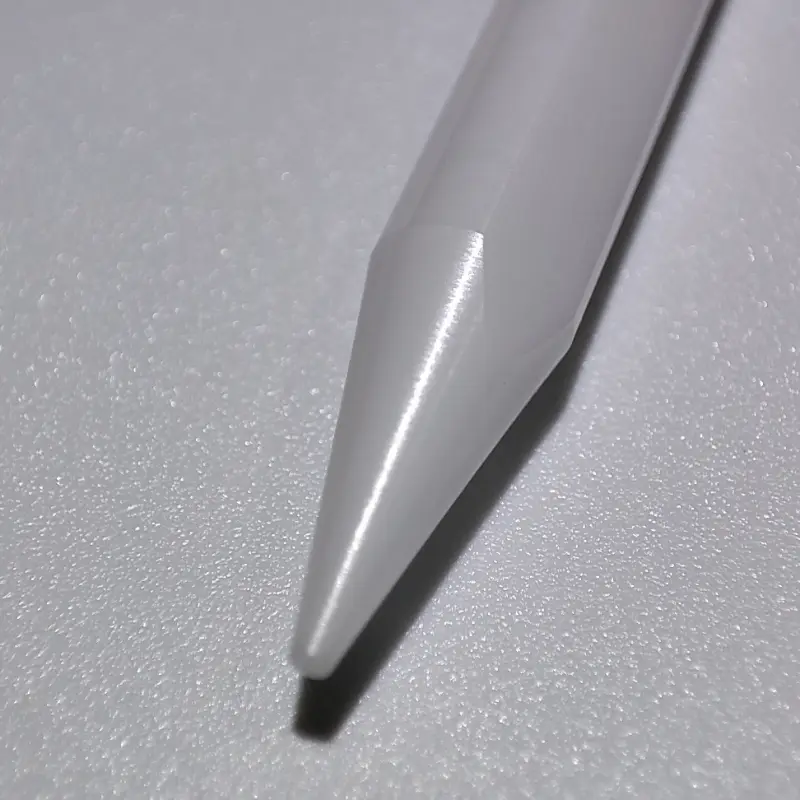
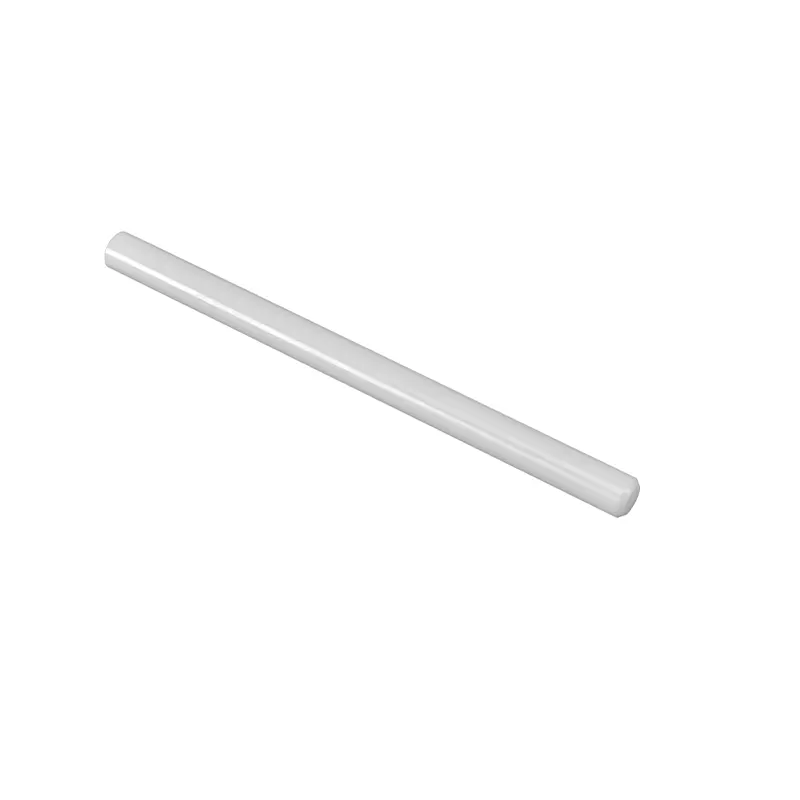
Ceramic rods are widely used in industries such as precision machinery, semiconductors, medical devices, and chemical processing, thanks to their outstanding wear resistance, high hardness, corrosion resistance, and thermal stability.
We offer a variety of material options including zirconia, alumina, and silicon carbide. A wide range of ceramic rod types can be customized, including solid rods, hollow rods, stepped rods, threaded rods, locating pins, plungers, and more — all designed to meet the challenges of demanding operating environments.
Our ceramic rods are manufactured with high dimensional accuracy, excellent mechanical strength, and smooth surface finishes. They are ideal for applications such as bearings, seals, probes, and insulation supports, helping customers improve equipment performance and extend service life.
Our Manufacturing Capabilities and Tolerance Range for Ceramic Rods:
(Unit: mm)
Performance\material |
Alumina | Zirconia | gemstone | Silicon Nitride |
Aluminum Nitride |
Silicon Carbide |
||||||||||||||||
| 96~99.95% | YSZ | ATZ | ZTA | Blue Zirconium | Black Zirconium | ruby | sapphire | |||||||||||||||
| Length Range | ≤1000 | ≤1000 | ≤1000 | ≤1000 | ≤1000 | ≤1000 | ≤100 | ≤300 | ≤200 | ≤200 | ≤200 | |||||||||||
| Outer Diameter Range | ≤150 | ≤50 | ≤50 | ≤50 | ≤50 | ≤50 | ≤50 | ≤50 | ≤50 | ≤50 | ≤50 | |||||||||||
| Drilling | ≥φ0.4 | ≥φ0.4 | ≥φ0.4 | ≥φ0.4 | ≥φ0.4 | ≥φ0.4 | ≥φ0.4 | ≥φ0.4 | ≥φ0.4 | ≥φ0.4 | ≥φ0.4 | |||||||||||
| Thread Diameter | ≥M3 | ≥M2 | ≥M2 | ≥M3 | ≥M2 | ≥M2 | - | - | ≥M3 | ≥M3 | ≥M3 | |||||||||||
|
|
1–25mm: ±0.002mm 20–50mm: ±0.003mm 50–100mm: ±0.050mm 100-150mm: ±0.100mm |
|||||||||||||||||||||
| Length Precision | ±0.005mm | |||||||||||||||||||||
| Surface Roughness | Ra0.1 | Ra0.03 | Ra0.03 | Ra0.03 | Ra0.03 | Ra0.03 | Ra0.02 | Ra0.02 | Ra0.03 | Ra0.03 | Ra0.03 | |||||||||||
| Roundness | 0.002mm | |||||||||||||||||||||
| Concentricity | 0.002mm | |||||||||||||||||||||
| Straightness | 0.004mm | |||||||||||||||||||||
| Verticality | 0.005mm | |||||||||||||||||||||
| Parallelism | 0.003mm | |||||||||||||||||||||
| Flatness | 0.003mm | |||||||||||||||||||||
Note: Due to the wide range of indicators, there are correlations between different data. The above data is for reference only. You are welcome to provide specific drawings and requirements. We will evaluate the cost and delivery time for you as soon as possible!
Alumina and Zirconia Ceramic Rod Options
UPCERA supports ceramic rod projects using different advanced ceramic materials, with alumina and zirconia being two common options for industrial, insulating, wear-resistant, and precision positioning applications. The material choice should be reviewed according to the working environment, dimensional requirements, load conditions, and assembly design.
Alumina Ceramic Rods
Alumina ceramic rods are widely used where electrical insulation, high-temperature resistance, wear resistance, and chemical stability are required. They can be used as insulating supports, positioning components, wear-resistant rods, guide rods, or structural ceramic parts in industrial equipment.
- Suitable for insulation, support, positioning, and high-temperature applications.
- Can be reviewed for custom diameter, length, end shape, and assembly requirements.
- Material grade and processing route should be confirmed according to the drawing and application environment.
Zirconia Ceramic Rods
Zirconia ceramic rods are often selected for applications requiring higher toughness, wear resistance, and dimensional stability compared with general ceramic materials. They can be used in precision machinery, medical devices, pump or valve components, guide structures, and other demanding assemblies.
- Suitable for wear-resistant, precision positioning, and mechanical support applications.
- Can be evaluated for non-standard structures such as stepped rods, locating rods, guide rods, or custom machined rod components.
- Final feasibility should be reviewed according to drawings, tolerance requirements, and inspection criteria.
Custom Precision Ceramic Rod Manufacturing
Ceramic rods may look simple in shape, but many projects require strict control of diameter, length, straightness, roundness, end-face condition, and surface finish. UPCERA can review custom ceramic rod requirements according to customer drawings and application needs.
The existing capability table on the Ceramic Rods page can remain as the main reference for dimensional and tolerance information. For each custom project, the final tolerances, surface finish, and inspection items should be confirmed according to the approved drawing and purchase specification.
- Custom OD, length, end condition, step structure, hole, slot, or assembly feature can be reviewed according to drawings.
- Grinding, polishing, drilling, and other secondary processing can be evaluated based on material and geometry.
- For tight tolerance ceramic rods, inspection requirements should be confirmed before quotation.
- For replacement parts, samples can be reviewed together with drawings or sketches.
Typical Applications of Ceramic Rods
Ceramic rods are used as functional components in equipment where metal or plastic parts may not provide sufficient wear resistance, insulation, dimensional stability, or corrosion resistance. The final material and structure should be selected based on the actual operating environment.
- Precision machinery: guide rods, positioning rods, wear-resistant support components.
- Electrical and thermal insulation: insulating rods, supports, spacers, and high-temperature fixtures.
- Medical and analytical instruments: small precision rods, guide components, and wear-resistant parts.
- Semiconductor and electronic equipment: insulation, positioning, and process support components.
- Pump, valve, and fluid control systems: ceramic rods used as wear-resistant or corrosion-resistant functional parts.
- Custom industrial assemblies: stepped rods, locating pins, center rods, needle gauges, and other drawing-based ceramic components.
Information Needed for Custom Ceramic Rod Quotation
For custom ceramic rod projects, customers are encouraged to provide drawings, samples, or detailed sketches. This helps confirm the suitable material, processing method, inspection requirements, and quotation feasibility.
- Material requirement: alumina, zirconia, or other advanced ceramic materials.
- Key dimensions: outer diameter, length, step dimensions, holes, slots, or special structures.
- Tolerance requirements: diameter tolerance, length tolerance, straightness, roundness, concentricity, or surface finish.
- Application environment: temperature, load, wear condition, chemical exposure, insulation requirement, or assembly method.
- Quantity and project stage: prototype, sample validation, pilot production, or batch order.
- Inspection and acceptance requirements: visual inspection, dimensional inspection, appearance standard, or project-specific test requirements.
Quality and Dimensional Consistency Control
For ceramic rod products, dimensional consistency and surface quality are important for stable assembly and long-term performance. Inspection can be arranged according to the approved drawing and order requirements.
- Key dimensions can be checked according to the confirmed drawing.
- Appearance, end-face condition, and surface condition should follow the agreed inspection method.
- Roundness, straightness, concentricity, and surface finish requirements should be confirmed before production when they are critical to the application.
- Batch consistency checks can be arranged according to purchase specification and customer requirements.
FAQ
What materials are available for ceramic rods?
UPCERA can review ceramic rod projects using alumina, zirconia, and other advanced ceramic materials according to the application, drawing, and performance requirements.
What is the difference between alumina ceramic rods and zirconia ceramic rods?
Alumina ceramic rods are commonly selected for electrical insulation, high-temperature resistance, and chemical stability, while zirconia ceramic rods are often used where higher toughness, wear resistance, and dimensional stability are required. The final material should be selected according to the working conditions.
Can UPCERA make custom ceramic rods according to drawings?
Yes. Custom ceramic rod projects can be reviewed according to 2D or 3D drawings, samples, key dimensions, tolerance requirements, and application environment.
Can ceramic rods be made with steps, holes, slots, or special structures?
Special structures such as stepped rods, holes, slots, end features, or assembly-related designs can be evaluated according to drawings and processing feasibility.
What information is needed for a ceramic rod quotation?
Please provide drawings, material requirements, outer diameter, length, tolerance, surface finish, application environment, quantity, and inspection requirements.
Can ceramic rods be used for insulating applications?
Yes. Alumina ceramic rods are commonly used for insulation, support, and high-temperature structural applications. The suitable material and dimensions should be confirmed based on the working environment.
Can zirconia ceramic rods be used for wear-resistant applications?
Zirconia ceramic rods can be considered for wear-resistant and precision mechanical applications where toughness and dimensional stability are important.
Can small batches or samples be produced first?
Sample or prototype production can be reviewed according to the drawing, material, size, processing difficulty, and quantity requirement.
Inquiry
Send us your ceramic rod drawing, material requirement, key dimensions, tolerance requirements, application environment, and target quantity. UPCERA will review the manufacturability and provide quotation feedback for standard or custom ceramic rod projects.
