 English
 中文
中文







How Custom Ceramic Machining Tackles Tight-Tolerance Challenges
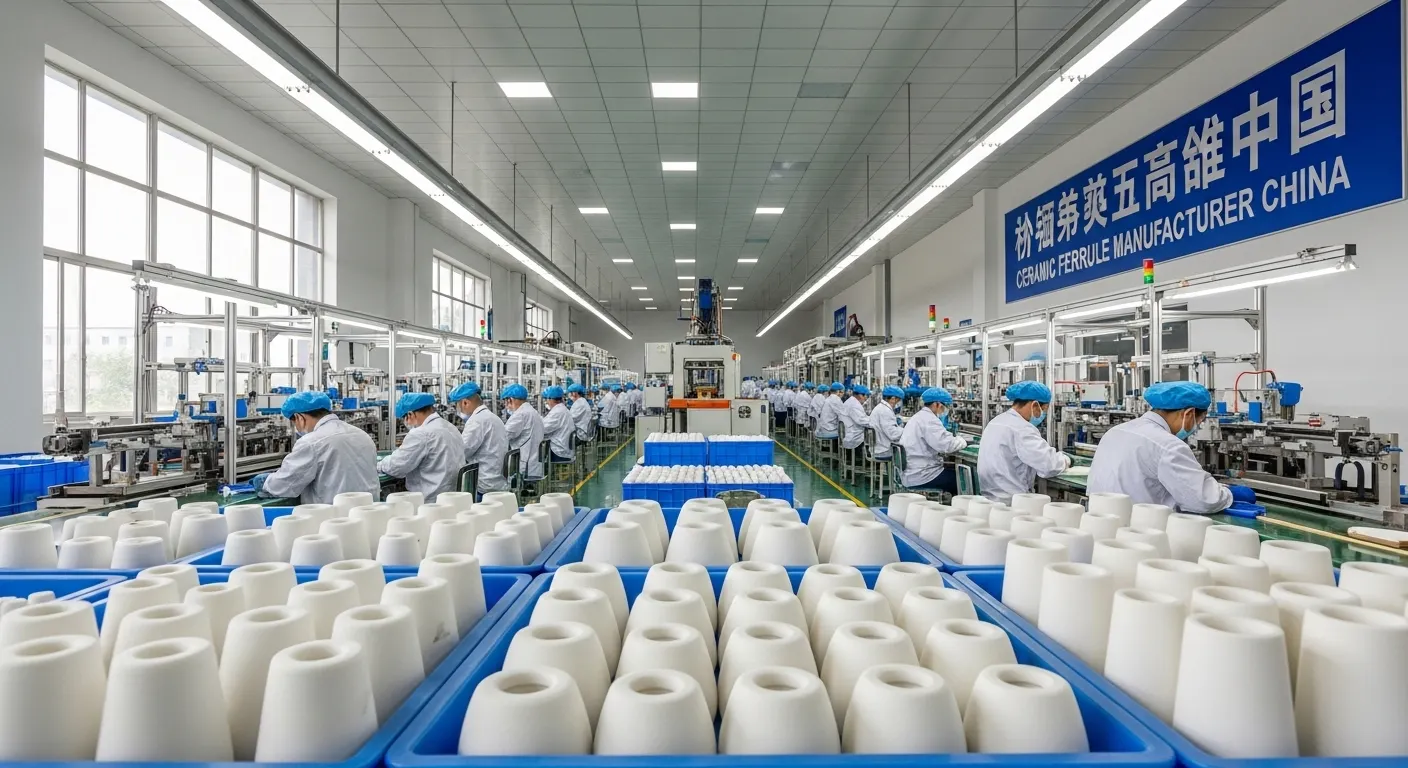
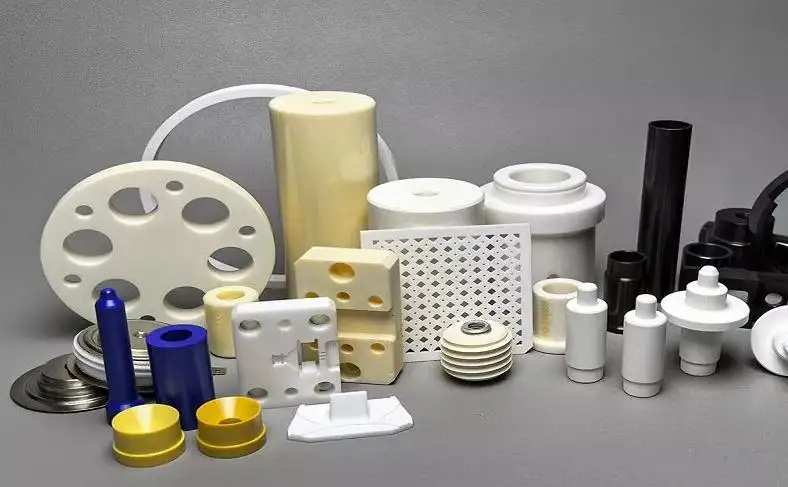
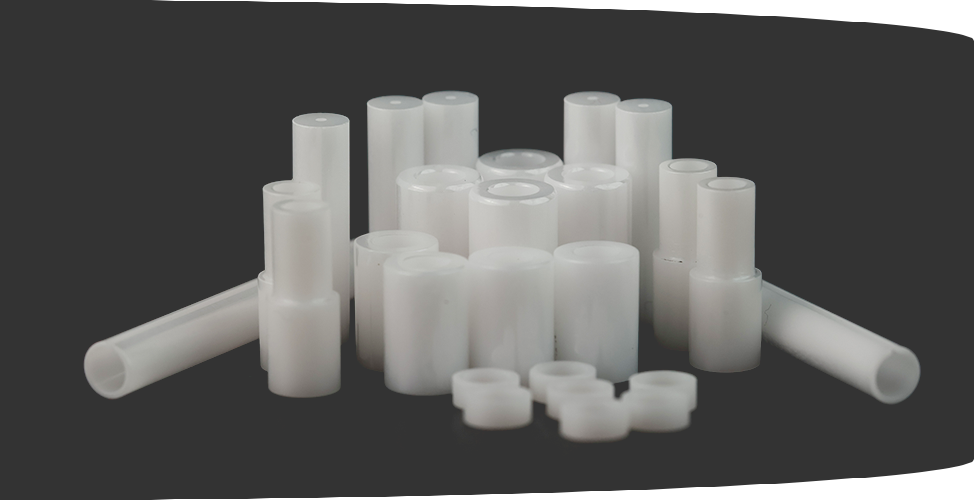
Custom Ceramic Machining turns hard, brittle ceramics into precise, functional parts. It means shaping, drilling, grinding, and polishing high-purity materials to tight tolerances. Think zirconia, alumina, silicon carbide. These parts work where metals fail. You'll find them in fiber optics, semiconductors, medical devices, precision machinery, and chemical systems. They resist heat, wear, and corrosion. They insulate, guide fluids, and protect sensors. The goal is stable dimensions at scale, not just one perfect sample. Sounds simple - but it isn't. How do we keep edges clean, bores true, and surfaces smooth at micron levels without cracks or warp? The answer starts below.
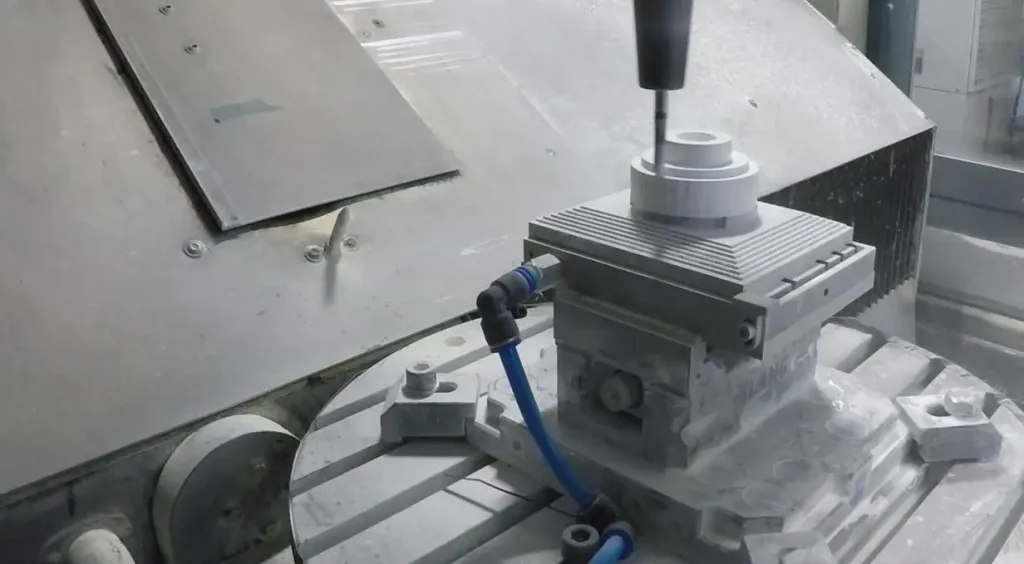
What Tight Tolerances Really Mean?
Engineers ask ceramics to do hard jobs: hold shape at high heat, survive corrosive media, insulate at high voltage, and keep friction low. The pain point arrives when drawings call for ultra-tight features on hard, brittle materials. Chips must be controlled. Heat must be managed. Tool wear must be predictable. Any tiny deviation risks leaks, optical loss, or assembly misfit.
This is where Custom Ceramic Machining matters. At UPCERA, we combine advanced molding, high-purity sintering, and finish machining to lock in repeatability. Typical finishing targets include outer diameter accuracy to ±0.002 mm (Ø1 - 25 mm), inner diameter accuracy to ±0.001 mm (Ø0.5 - 3 mm), and length/thickness precision to ±0.005 mm. For geometry control, we hold roundness and concentricity to 0.002 mm, with surface roughness Ra0.02 - Ra0.2 for sealing and optical interfaces. These numbers are not just met once; they are held across batches, which is often the true challenge in production.
- Why UPCERA's Process Is Built For Tight Tolerances?
We start with the right material and near-net forming, then finish on rigid, thermally stable equipment. Tool paths and coolant strategy keep edges sharp and micro-cracks away from functional surfaces. Measurement is in-process, not just final. The result is stable yield on features that many shops struggle to scale.
• 20+ years in ceramic manufacturing
• Factory-direct control for quality and cost
• Multiple materials: zirconia, alumina, silicon carbide, silicon nitride
• Ceramic-metal assemblies and metallization services for system integration
How Custom Ceramic Machining Fits Real Applications
Most tolerance problems are application problems in disguise. Instead of fighting the part, we design the path from function to feature.
- Fiber Optics: Sleeves And Ferrules
In 5G networks, data centers, and fiber lasers, concentricity and bore quality drive optical loss. Our ceramic sleeves (SC, LC, split and solid) and zirconia ferrules are finished for stable insertion force and minimal offset. Concentricity at 0.002 mm keeps cores aligned; fine Ra finishes reduce wear over thousands of mating cycles. Batch-to-batch stability means lower rework and faster line qualification.
- Semiconductor And Harsh Fluids: Tubes, Bushings, Nozzles
Corrosion and abrasion often destroy metal parts before they hit service life targets. Custom Ceramic Machining allows tight bores, thin walls, and long straight runs without distortion. We routinely produce tubes up to 1000 mm length, with minimum wall thickness 0.1 - 0.2 mm and through holes ≥ Ø0.4 mm. That combination of reach and precision improves flow uniformity, raises yield on process tools, and cuts downtime.
- Precision Machinery And Medical: Rods And Special Shapes
Locating pins, plungers, and threaded rods benefit from ceramics' hardness and dimensional stability. We machine solid, hollow, stepped, and threaded rods with outer diameters up to 150 mm and smooth finishes for low friction. In medical and analytical devices, that stability supports consistent calibration and easier sterilization cycles.
What You Gain When Tolerances Get Tough
When tolerances tighten, many teams see scrap rise and schedules slip. We design around those risks from day one.
- Design For Manufacture, Not Just For Drawing
By engaging early, we align tolerance stacks with process capability. For example, shifting a seal to a ground land allows Ra0.02 - 0.05 where it matters and relaxes non-critical faces. That keeps costs in check without sacrificing performance.
- Size Capability That Matches System Needs
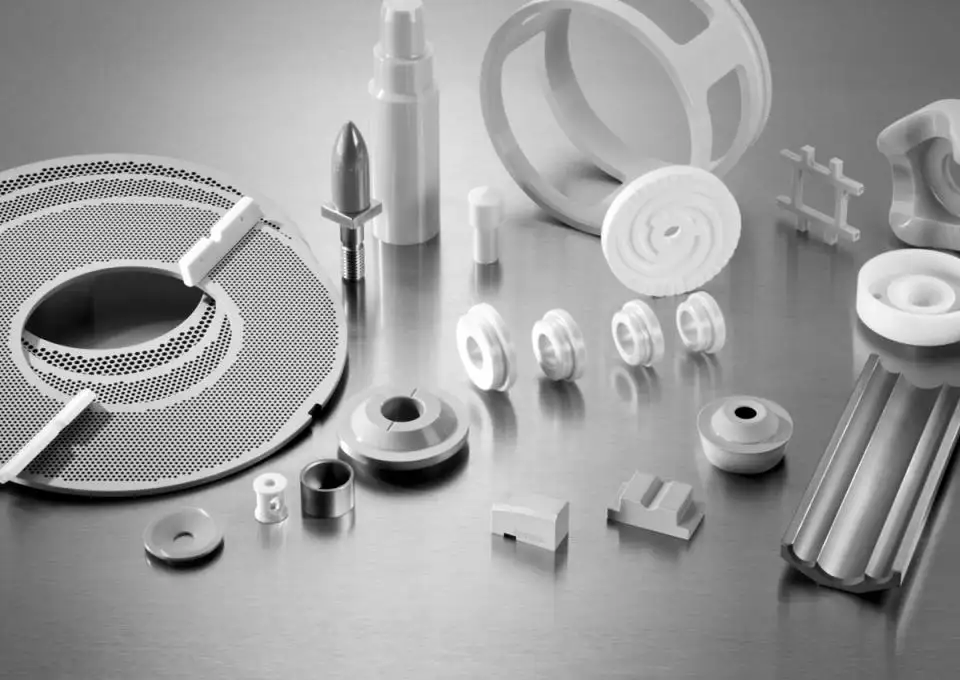
Plates up to 400 x 400 mm support insulating carriers and wear plates. Custom shapes to ≤ 300 mm give freedom for brackets, shields, and complex housings. Ball diameters to ≤ 100 mm enable precision seats and check valves with ball precision ±0.002 mm for reliable sealing.
- Reliability In Assemblies
Ceramic-to-metal joints are often the weak link. Our metallization and bonding services create strong, repeatable interfaces. That means fewer failures at the braze line and tighter clocking between ceramic bores and metal reference faces - critical in optics and vacuum systems.
- Lead Time And Cost Control
Factory-direct supply reduces handoffs. Stable processes lift first-pass yield, which is where most cost savings live. You don't just buy a part - you buy fewer delays, fewer line stops, and fewer returns.
✅ Typical Tight-Tolerance Use Cases We Ship
• Bushing and nozzle sets for precision fluid control, wear-resistant and corrosion-resistant.
• Metallized insulators with square or stepped holes for electronics and high-voltage isolation.
• Special-shaped structural parts for aerospace fixtures, semiconductor tooling, and medical housings.
Call To Action - Build Your Next Part With Confidence
Bring us your drawing, a sample, or even a sketch. Our engineers will review material selection, tolerance stacks, and finishing steps to balance performance and cost. If you're scaling, we can mirror fixtures and programs to support volume without drifting from your critical dimensions.
Ready To Tackle Tight Tolerances?
If your current supplier is struggling with micro-tolerances, edge chipping, or inconsistent bores, let UPCERA help. With Custom Ceramic Machining, we turn demanding specs into stable production - so your systems run longer, cooler, cleaner, and with fewer surprises. Reach out for a quick DFM review and a fast, factory-direct quote.


