 English
 中文
中文








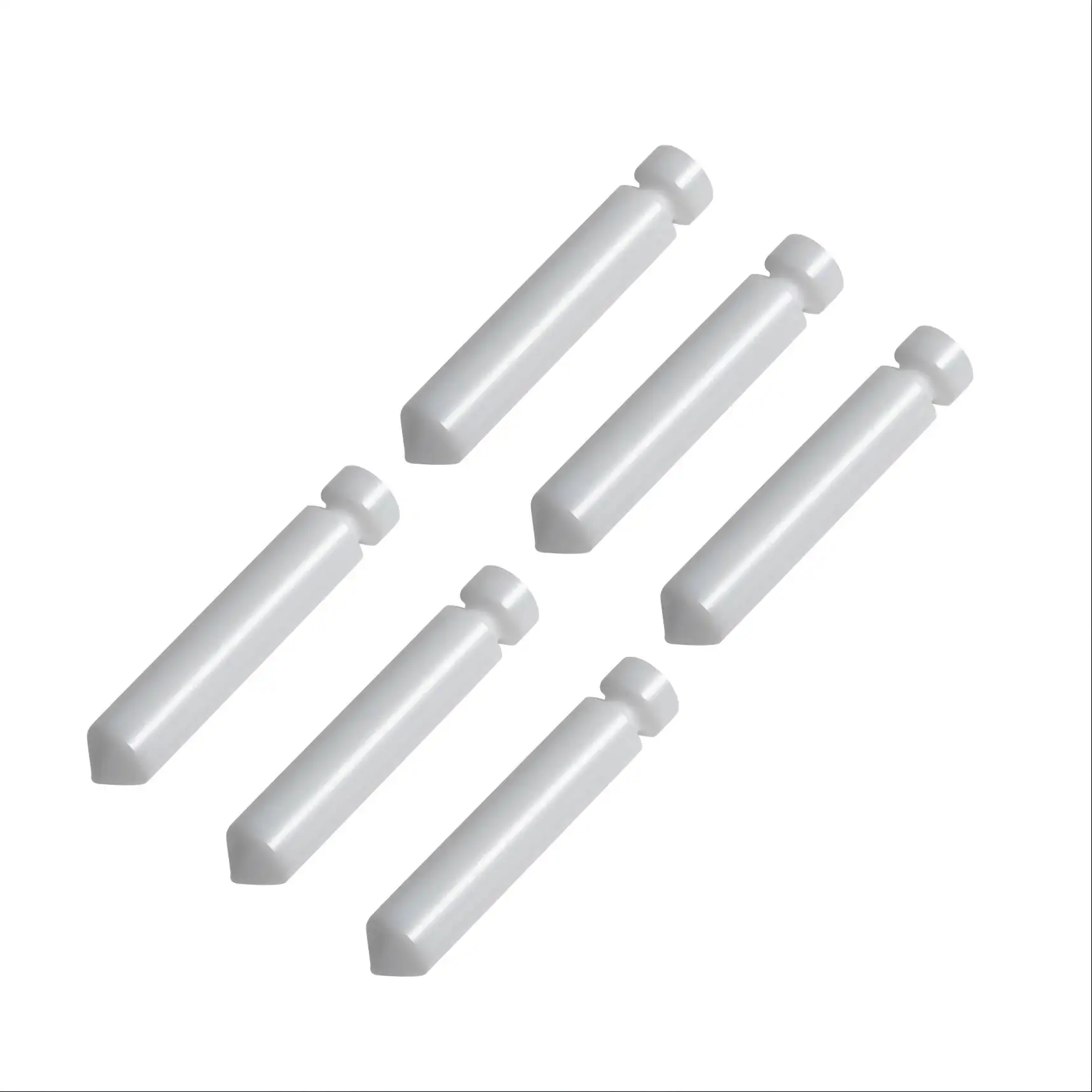
Automation Fixture Ceramic Pins
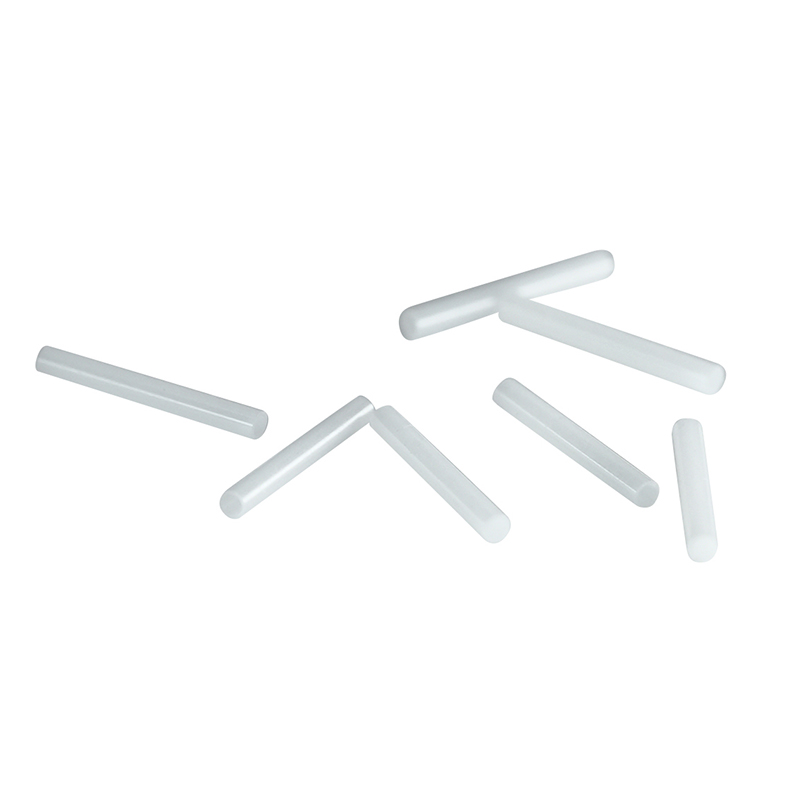
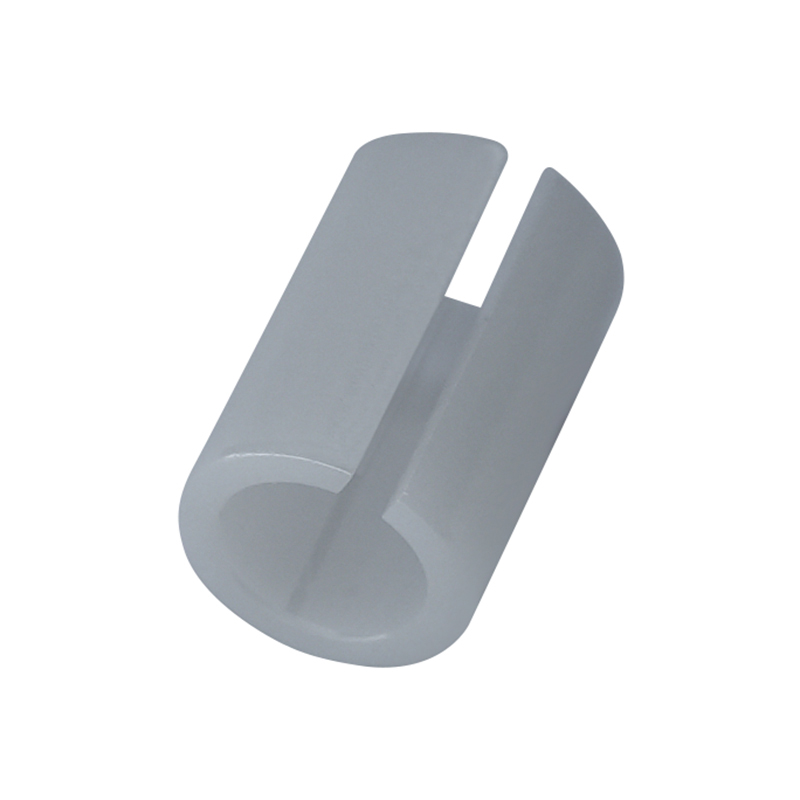
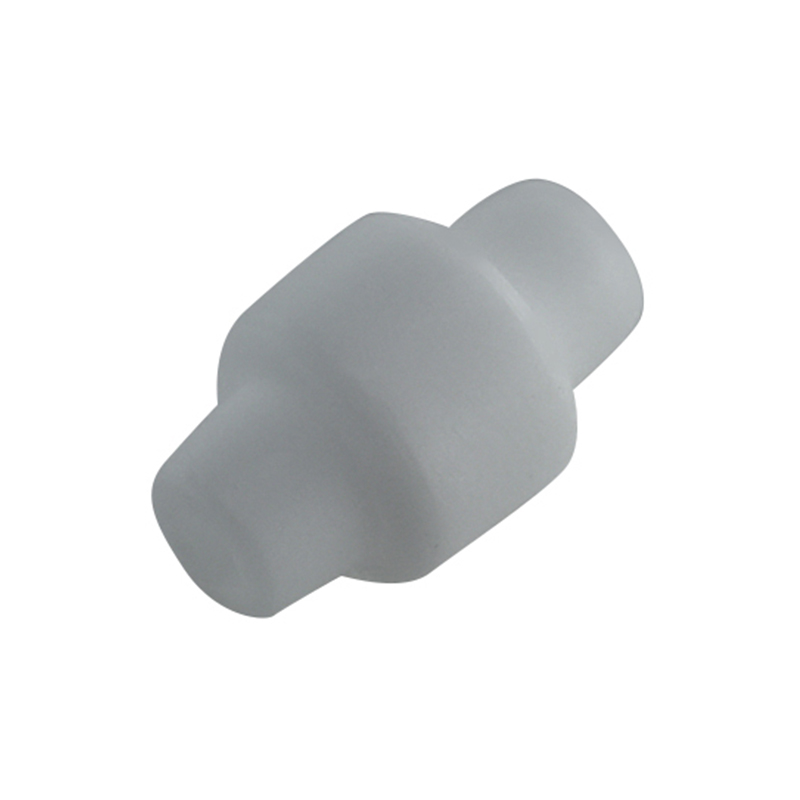
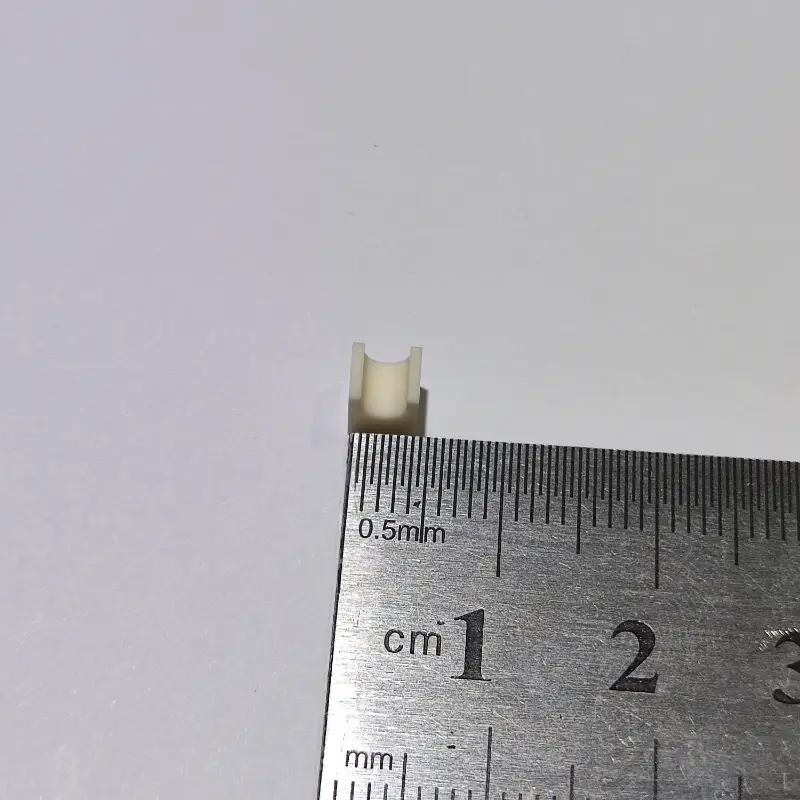
Automation fixture ceramic pins are small, precision-ground locating and support components used to position, clamp, and guide workpieces in automated assembly, inspection, and machining fixtures. UPCERA supplies these pins in advanced ceramics such as zirconia, alumina, and silicon nitride, selected for the fixture's wear, insulation, and cleanliness requirements. Compared with steel pins, ceramic versions avoid magnetism, reduce adhesive and particulate contamination, and hold tight geometry in high-cycle production. Each order starts from the customer drawing and operating conditions, with engineering review covering material, tolerance, and inspection method.
- Non-magnetic ceramic body avoids interference with magnetic clamping and sensing.
- High hardness and wear resistance extend pin life in high-cycle automation.
- Electrical insulation isolates fixtured parts from current paths and ESD risk.
- Chemically inert surface resists oils, coolants, and routine cleaning agents.
- Dimensional stability holds locating accuracy across temperature cycles.


Product Introduction
Automation fixture ceramic pins are precision locating elements that hold a part in a defined position inside an automated fixture. They appear in pallets, nest plates, indexing stations, and measurement jigs where repeatable alignment decides part quality.
UPCERA produces these pins as part of its precision structural ceramic program, drawing on more than two decades of ceramic component manufacturing. Pins are supplied to order from customer drawings rather than a fixed catalog, because fixture geometry, press-fit style, and reference surfaces vary by machine builder.
The choice between ceramic and metal pins is an engineering decision. Ceramic pins are typically specified where non-magnetism, insulation, cleanroom compatibility, or long-term wear resistance matters more than maximum impact toughness, and where steel would rust, magnetize, or shed particles.
Key Design and Feature Geometry
A locating pin combines a cylindrical or conical locating section with a press-fit, threaded, or headed mounting section. The locating surface may be a straight diameter, a diamond (double-D) profile, or a tapered pilot, each controlling degrees of freedom differently.
Diamond pins are often paired with a round pin to fix a part against two datums without over-constraint. UPCERA reviews the proposed profile, mating hole tolerance, and load direction to confirm the geometry is manufacturable in ceramic and to set safe edge radii.
Because ceramic is harder and more brittle than steel, edge radii, chamfers, and support behind the locating face are reviewed during engineering to limit chipping risk at the contact zone. This review protects both function and service life in the fixture.
Technical Specifications
The values below are reference starting points. Exact dimensions, tolerances, and finishes are defined on the approved drawing and purchase specification.
| Parameter | Typical Reference | Project Note |
| Material | Zirconia / alumina / silicon nitride | Selected from drawing and operating conditions |
| Outside diameter | Per drawing | Confirmed during drawing review |
| Length | Per drawing | Dependent on fixture stack and datum |
| Locating tolerance | Project-specific | Inspection method agreed per order |
| Surface finish | Typical reference only | Depends on material and process route |
| Mounting form | Press-fit / threaded / headed | Defined by assembly method |
Final dimensions, tolerances, inspection methods, and acceptance criteria must be confirmed on the approved drawing and purchase specification.
Advantages of Automation Fixture Ceramic Pins
Automation fixture ceramic pins deliver locating accuracy without introducing magnetic fields, which matters near Hall sensors, inductive probes, and magnetic clamping tables. The parts stay locatable even when the surrounding cell uses magnetic tooling.
Their wear resistance keeps the locating diameter stable through millions of cycles, reducing re-qualification and scrap from drift. The inert, low-particle surface also suits clean assembly and inspection cells where contamination must stay controlled.
Electrical insulation prevents stray current paths when the fixture contacts energized components, while the non-rusting body remains dimensionally stable in humid or washed-down environments. These behaviors combine into lower maintenance and steadier output.
Where Automation Fixture Ceramic Pins Are Used
Ceramic locating pins are applied wherever a fixture needs stable, clean positioning under repeated cycling.
- Automated assembly lines: Locate and hold housings, brackets, and sub-assemblies on pallets and nests with repeatable alignment.
- Inspection and measuring fixtures: Support parts in CMM and gauge fixtures where non-magnetic, dimensionally stable references improve measurement confidence.
- Machining and welding fixtures: Position workpieces where spark, coolant, or heat would degrade steel pins faster over time.
- Electronics handling: Used where insulation and low particulate generation protect sensitive boards and components during transfer.
- Cleanroom and sensitive cells: Applied where inert, washable surfaces and low particle generation help meet contamination-control requirements.
Material Characteristics and Selection
Ceramic pins are not one material. UPCERA evaluates zirconia, alumina, and silicon nitride against the fixture’s load, wear pair, temperature, and insulation needs before recommending a grade, rather than defaulting to a single ceramic.
Zirconia offers higher fracture toughness among the common structural ceramics, fine finishing, and good wear behavior, which suits pins that see sliding or impact at the locating face. Alumina provides electrical insulation, hardness, and cost efficiency for static locating roles.
Silicon nitride is considered where low weight and strong rolling or sliding wear resistance are required. The final material depends on the operating condition and is confirmed during drawing review; no single ceramic fits every fixture or duty cycle.
Manufacturing and Inspection
Production follows the customer drawing through ceramic forming, sintering, and precision grinding. UPCERA applies inside- and outside-diameter control, lapping, polishing, and dimensional inspection as needed for the geometry and agreed acceptance level.
These values are general processing references, not guaranteed product acceptance limits. Achievable specifications depend on material, geometry, size, process route, and the agreed inspection method.
Inspection planning is agreed per order: critical locating diameters, datum surfaces, and surface finish are checked against the approved drawing and recorded to the requested reporting level, with traceable project documentation retained for review.
Custom Options and Quotation Inputs
Because pins are built to order, UPCERA reviews each inquiry against the supplied drawing and fixture context before quoting. Geometry, material, quantities, and inspection expectations are confirmed up front to avoid rework and late changes.
Prototype and small-batch support is offered as a reviewable project path; volume production is planned once the first-article dimension and acceptance method are agreed. Lead time and capacity are confirmed during the engineering review rather than treated as fixed published terms.
Frequently Asked Questions
Q: What are automation fixture ceramic pins used for?
A: Automation fixture ceramic pins are locating and support elements that hold a workpiece in a fixed position inside automated fixtures, pallets, and inspection jigs. They keep alignment repeatable across cycles, which protects part quality on assembly, machining, and measurement stations. UPCERA supplies them to customer drawings rather than from a standard catalog.
Q: Why choose ceramic pins instead of steel locating pins?
A: Ceramic pins avoid magnetism, resist wear through millions of cycles, and will not rust in washed-down or humid cells. Their inert surface limits particle and adhesive contamination, and the body insulates against stray current. Steel may still be preferred where maximum impact toughness is required, so the choice is an engineering review rather than a default.
Q: Which ceramic material should I specify?
A: It depends on the fixture. Zirconia is common where the locating face sees sliding or light impact and a fine finish matters. Alumina suits static locating needing insulation and cost efficiency. Silicon nitride is considered for low weight and strong rolling wear resistance. UPCERA recommends a grade after reviewing load, wear pair, and environment with the drawing.
Q: Can you make diamond or tapered locating pins?
A: Yes, when the geometry is confirmed on the drawing. Diamond pins are often paired with a round pin to locate a part on two datums without over-constraint. UPCERA reviews the profile, mating tolerance, and load direction to confirm the shape is manufacturable in ceramic and to set safe edge radii at the contact zone.
Q: What tolerances and surface finish can be achieved?
A: Exact values are set per project and confirmed on the approved drawing. Published figures are general processing references, not guaranteed acceptance limits, because achievable spec depends on material, size, geometry, and inspection method. Provide the critical diameters, datums, and finish so the review can quote a realistic, inspectable target.
Q: How do you handle inspection and quality records?
A: Inspection is planned per order. Critical locating diameters, datum surfaces, and surface finish are measured against the approved drawing and reported to the level you request. UPCERA applies dimensional inspection and traceable project documentation; the specific sampling plan and report format are agreed before production starts.
Q: What information do I need to send for a quote?
A: Send a controlled 2D drawing and, if available, a 3D model or sample. Include application and operating environment, preferred or required material, critical dimensions and tolerances, quantities and forecast, and the inspection method and reporting you expect. The more complete the input, the faster the engineering review and quotation can move.
Q: Do you support prototypes and low-volume runs?
A: Prototype and small-batch production is supported as a reviewable project path. After first-article dimensions and the acceptance method are agreed, volume production can be planned. UPCERA treats quantity, lead time, and capacity as project-specific items confirmed during the engineering review rather than fixed published terms.
Request a Quote
Send your drawing and fixture context to start a technical review for automation fixture ceramic pins. UPCERA evaluates the material, geometry, tolerance, and inspection method against your real operating conditions, then returns a quotation with realistic, inspectable targets. Share your application, environment, critical dimensions, production quantities, and reporting needs so our engineering team can respond with a clear, reviewable path. Because each pin is built to order, aligning on the drawing early avoids rework and shortens the route from first sample to volume production.
- Drawing-based engineering review
- Project-specific inspection and reporting plan
- Clear quotation inputs and realistic production path