 English
 中文
中文





What Makes Zirconium Oxide Ideal for High-Temperature Applications
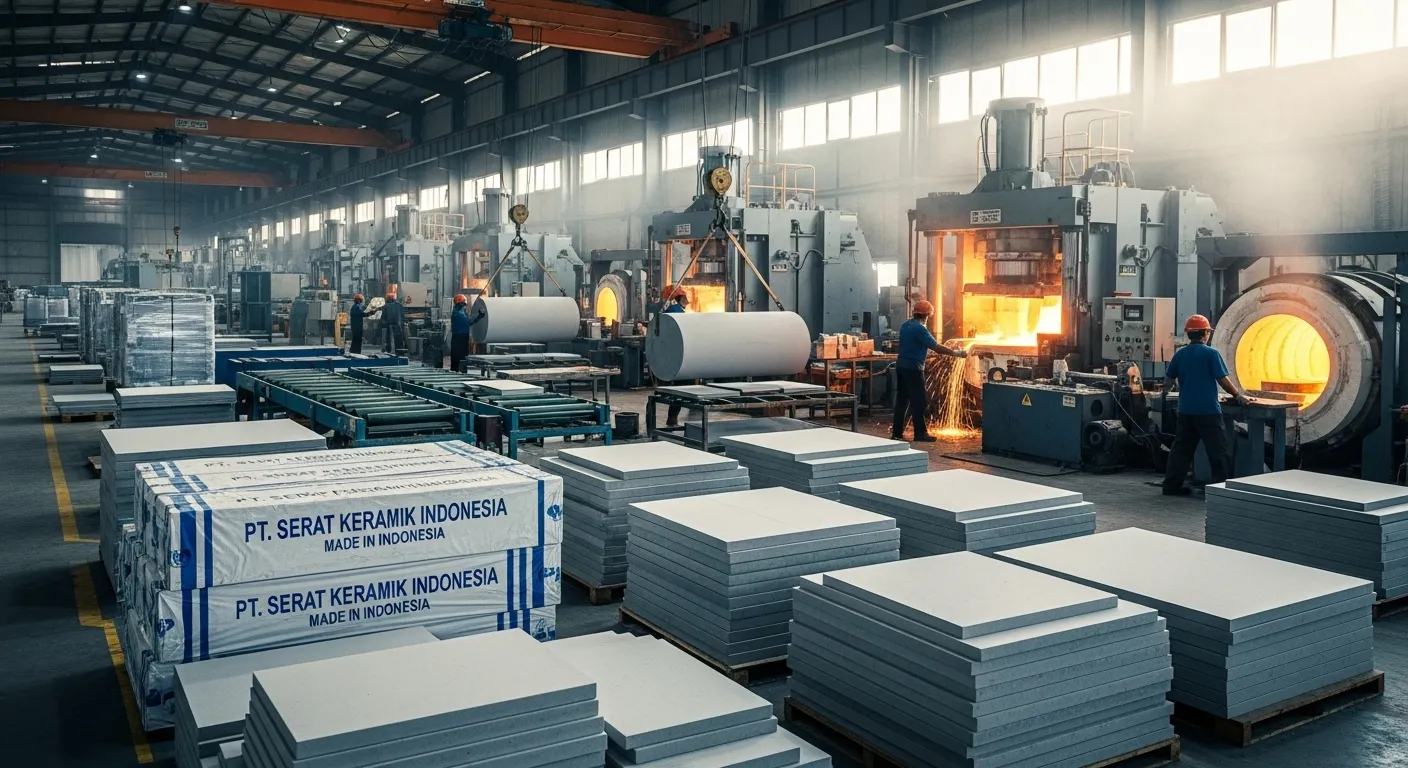
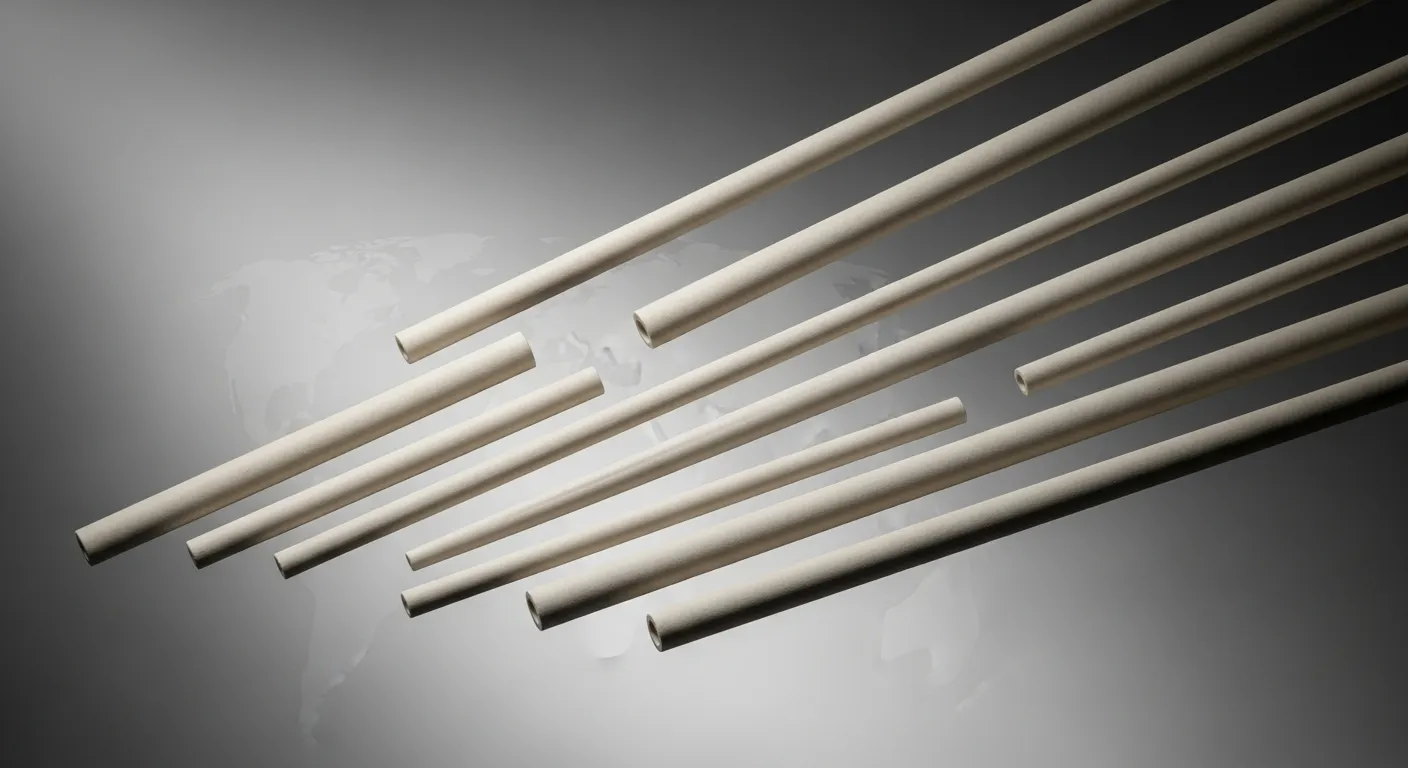
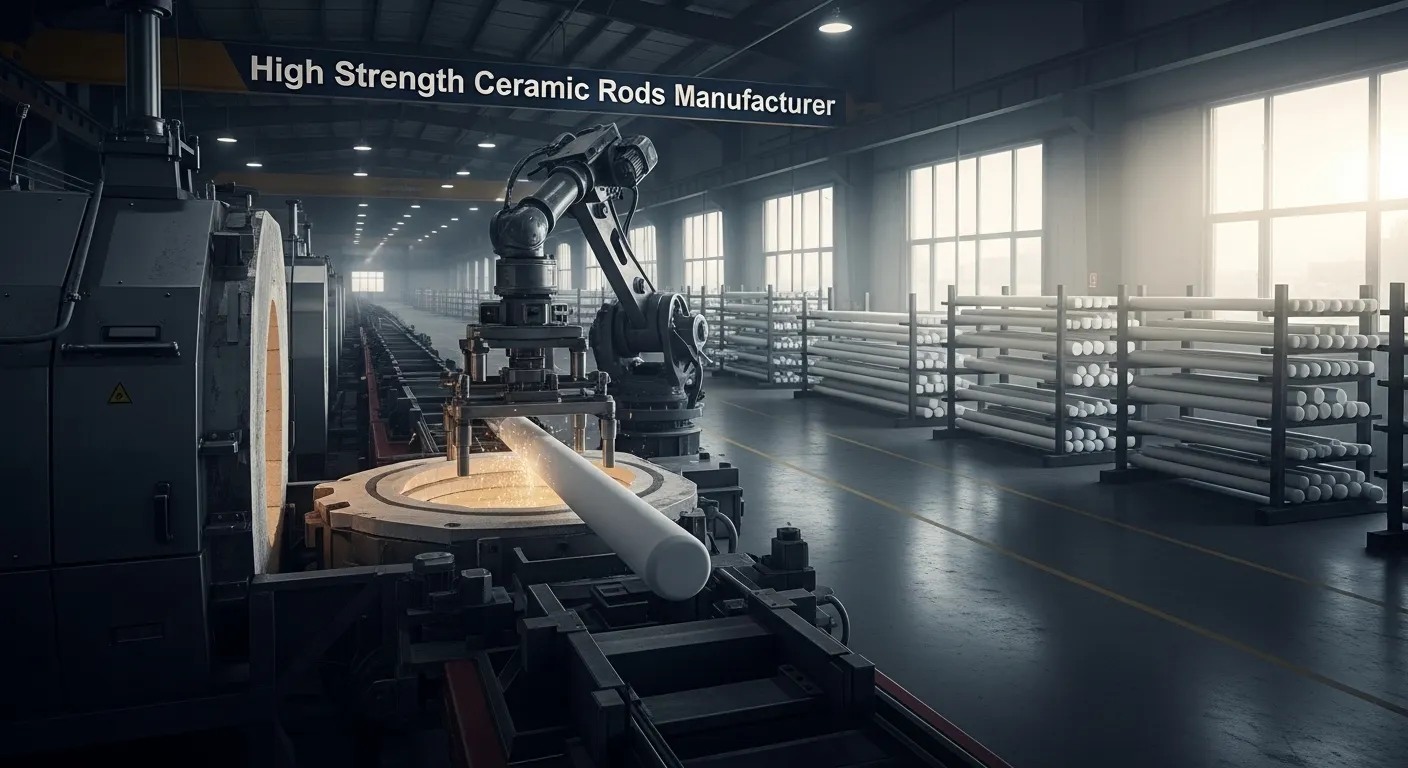
Zirconium Oxide is a technical ceramic designed for demanding environments where standard materials fail. It offers high strength, excellent resistance to heat, and strong chemical stability under harsh process conditions. You will see Zirconium Oxide parts in kilns, deposition tools, engine assemblies, and power control units. They often look like simple white pieces, but they carry a heavy load. What makes this material so effective at high temperatures is more interesting than it first appears. There are deeper material properties that give Zirconium Oxide a unique edge in real production. So why are more engineers choosing it for their toughest jobs?
Why High-temperature Systems Move Beyond Metal
Modern production lines and R&D installations are pushed hard: higher process temperatures, shorter cycle times, more aggressive chemistries, and tighter tolerances. Under this pressure, familiar materials reach their limits quickly.
Metal fixtures creep or bend, thin features deform after repeated heating and cooling, and protective coatings crack or peel. The details differ from one facility to the next, but the result is similar: unplanned downtime, extra scrap, and rising operating cost.
Common high-temperature environments include furnace and kiln fixtures, semiconductor tools in hot corrosive gases, engine-side components under thermal shock, and insulating parts near power electronics or sensors. In all of these cases, it is not enough for a part to simply "survive" high temperature. It must hold its shape, resist chemical attack, and fail rarely and predictably. This is where Zirconium Oxide (zirconia) separates itself from both metals and conventional ceramics.
How Zirconium Oxide Performs in Heat and Harsh Media
The strength of Zirconium Oxide does not come from one impressive data-sheet value. Instead, several properties line up in the same material: thermal stability, mechanical strength at temperature, and resistance to the operating environment.
Many metals begin to lose stiffness and strength well below their melting point. Zirconium Oxide, by contrast, maintains high hardness and mechanical strength at temperatures that would cause common alloys to soften or creep. In a well-designed system, Zirconium Oxide components can run steadily in the 800–1,000 °C range, depending on loading and atmosphere. That stability helps critical parts such as guides, nozzles, jigs, and fixtures hold tight tolerances even while hot.

Unlike many technical ceramics, Zirconium Oxide also offers comparatively high fracture toughness. It remains a ceramic, so it must be handled with care, but it is better able to resist cracks caused by thermal shock or local impact. At the same time, its low thermal conductivity allows Zirconium Oxide to act as a thermal barrier, limiting heat transfer to neighbouring components and supporting more efficient furnace and heater designs.
Corrosion and wear often matter just as much as heat. Components located in high-temperature zones may also be exposed to oxidising atmospheres, corrosive gases, molten materials, or abrasive particles. Even "high-temperature" metals in these conditions can corrode, scale, or erode faster than expected. Zirconium Oxide offers strong resistance to many aggressive media, including oxidising environments and selected acids and alkalis, while its wear resistance makes it suitable for moving or contact parts.
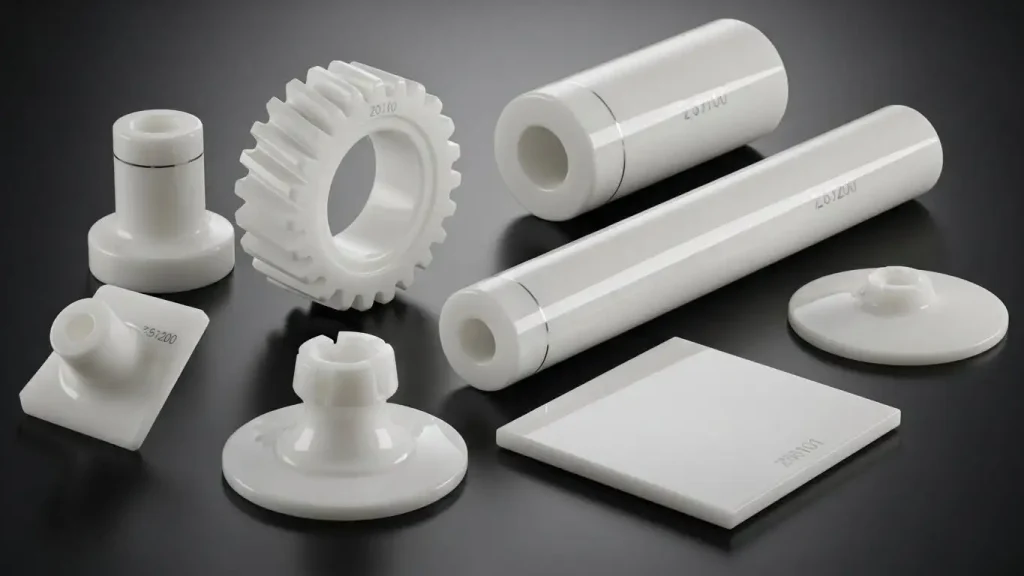
Typical Zirconium Oxide applications include sliding elements in hot gas or particle-laden flows, metering and sealing components exposed to abrasion, and electrical insulators that must endure both high temperature and surface damage.
Turning Zirconium Oxide into Real Components at UPCERA
Choosing Zirconium Oxide as a material is only the starting point. Turning it into a reliable component that fits and performs in your system calls for experience in material formulation, sintering, and precision machining. UPCERA works across this entire chain: we are not just a Zirconium Oxide supplier, but a partner from early concept to final inspection.
When Zirconium Oxide is fully sintered, it is extremely hard and behaves differently from metal. Conventional machining strategies are no longer suitable. When supported by specialized tooling and proven process control, the material can be machined both accurately and reliably. We use CNC equipment for challenging 3D designs, high-precision grinding to maintain tight dimensional limits, and polishing to create smooth, low-drag surfaces and uniform flow paths.
Thanks to these capabilities, UPCERA can provide Zirconium Oxide components for advanced microelectronic equipment, medical devices, high-precision nozzles, metering assemblies, and lightweight housings that combine thin walls with complex internal features. Design teams can focus on function - such as flow paths, isolation distances, and contact surfaces - while we ensure that the ceramic part matches both the geometric model and the performance targets.

Matching Zirconium Oxide to Your Application
Not every project requires the same Zirconium Oxide grade or design approach. When customers come to UPCERA, we start from operating conditions instead of a generic catalogue. Key factors include the operating temperature and cycling profile, the gases or liquids in contact with the part, expected mechanical loads and vibration, and the electrical and thermal insulation levels required.
Based on this information, we propose suitable Zirconium Oxide solutions or combinations with other advanced ceramics. The goal is to balance thermal performance, mechanical strength, manufacturability, and service life so that the final component fits both technical and commercial targets.
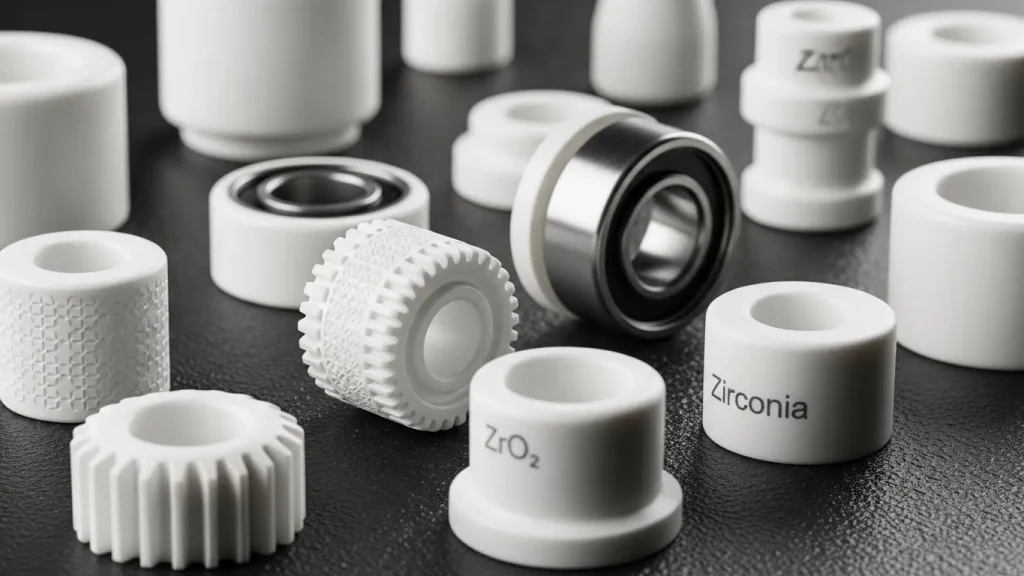
- Service life, reliability, and cost over time
One of the most common questions is: "How long will Zirconium Oxide components last in my system?" There is no universal answer, because lifetime is driven by temperature, load, cycling rate, and environment. Nevertheless, many UPCERA customers have achieved multi-year service life in positions where metal or polymer components required frequent replacement.
Compared with more familiar materials, Zirconium Oxide parts often enable longer replacement intervals, fewer emergency shutdowns, more stable performance over time, and lower total cost of ownership through reduced downtime and scrap. As a result, users frequently shift from a reactive "replace when broken" approach to planned maintenance, where Zirconium Oxide components are inspected and replaced on a known schedule.
If your current high-temperature components are deforming, corroding, or wearing out faster than expected, it may be time to look beyond metals and polymers. When you are ready to evaluate Zirconium Oxide for a new design or upgrade, UPCERA's engineering team can translate your operating data into a practical ceramic solution and help you assess whether a customised Zirconium Oxide component can improve stability, extend service life, and reduce long-term operating costs.
Share on Social:


