 English
 中文
中文







How to Choose an Advanced Ceramic Part Supplier for Custom Projects
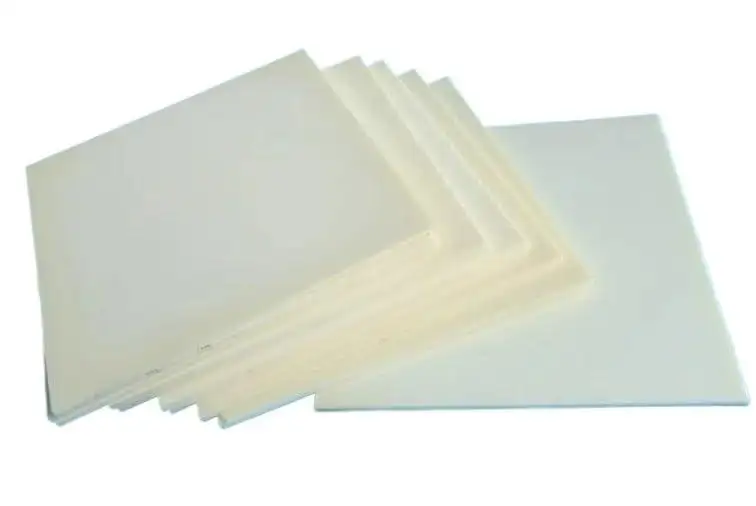
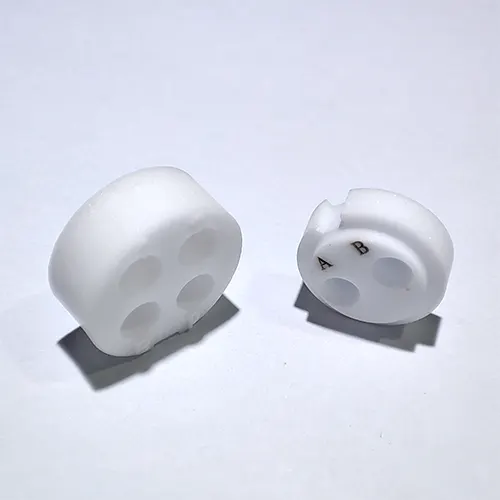
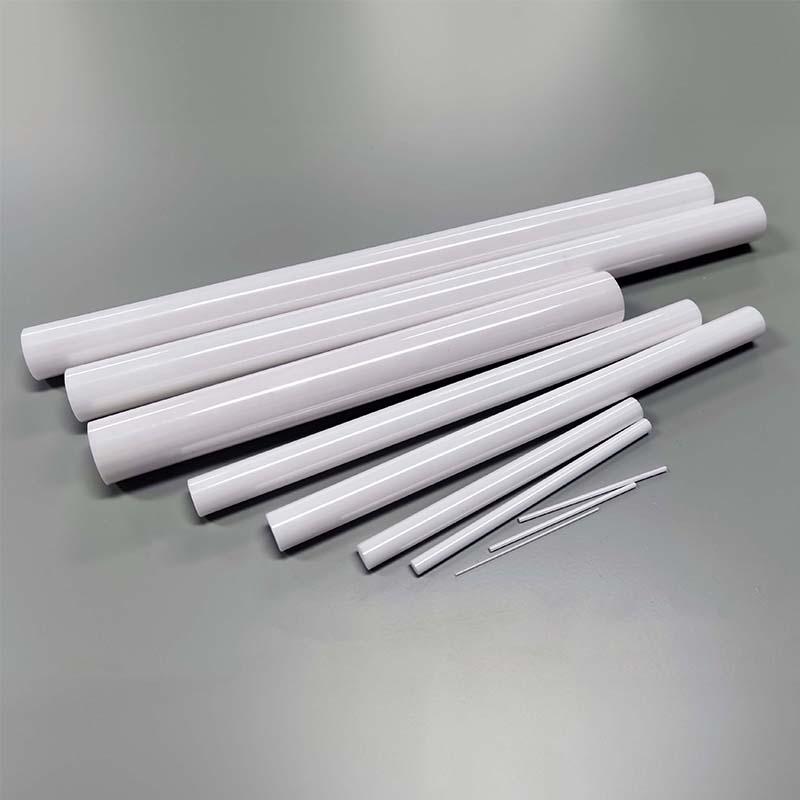
Applications for advanced ceramic parts generally include situations where metal, plastic, or even traditional glass cannot deliver the necessary properties of wear resistance, electric insulation, dimensional stability or resistance to corrosion. But it’s not the end of the sourcing experience to choose the right material.
A qualified advanced ceramic part supplier will have a knowledge of the various processing methods such as powder formulation, forming, sintering, machining and inspection and how they affect the final part. When purchasing teams and engineers ask themselves, “Can this supplier make ceramic parts?” It’s the question, “Does this supplier have the capability to consistently manufacture parts that satisfy our functional and commercial needs?”
| Evaluation Area | What to Confirm | Warning Sign |
| Material capability | Available grades and property data | Recommends one material for every application |
| DFM support | Drawing review before quotation | Quotes without discussing critical features |
| Manufacturing | Forming, sintering and final machining | Key processes are unclear or uncontrolled |
| Precision | Tolerances linked to size and geometry | Gives one tolerance value for every part |
| Quality control | Inspection method and acceptance criteria | Cannot provide dimensional records |
| Scalability | Prototype, pilot and volume-production plan | Sample process cannot be repeated at scale |
| Quotation | Tooling, quantity, lead time and assumptions | Important costs appear only after ordering |
Application First, NOT Material Name.
A drawing might call out alumina or zirconia, but it’s up to the application to know if either of these is suitable. The first thing that the supplier needs to understand should be the operating temperature, load, electrical environment, chemical exposure, expected service life, and mating components.
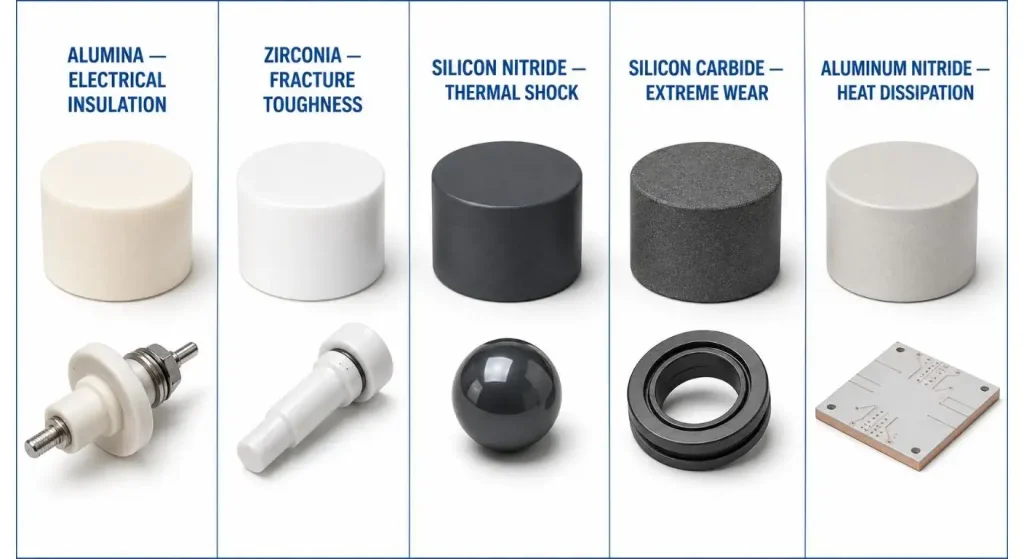
The alumina, for instance, is broadly used for insulation and for general wear resistance and zirconia has higher fracture toughness. When mechanical loads are high and/or thermal shock is a primary concern, silicon nitride may be a suitable option, while for heat dissipation and electrical insulation, aluminum nitride is a likely choice.
Potential buyers can have a look at all the advanced ceramic materials offered by UPCERA, and can discuss the exact final grade with an engineer. A competent supplier will be able to tell you about the trade-offs on performance, manufacturability and cost, rather than simply recommends the highest-priced choice.
Determine whether Complete Manufacturing Process is completed or not.
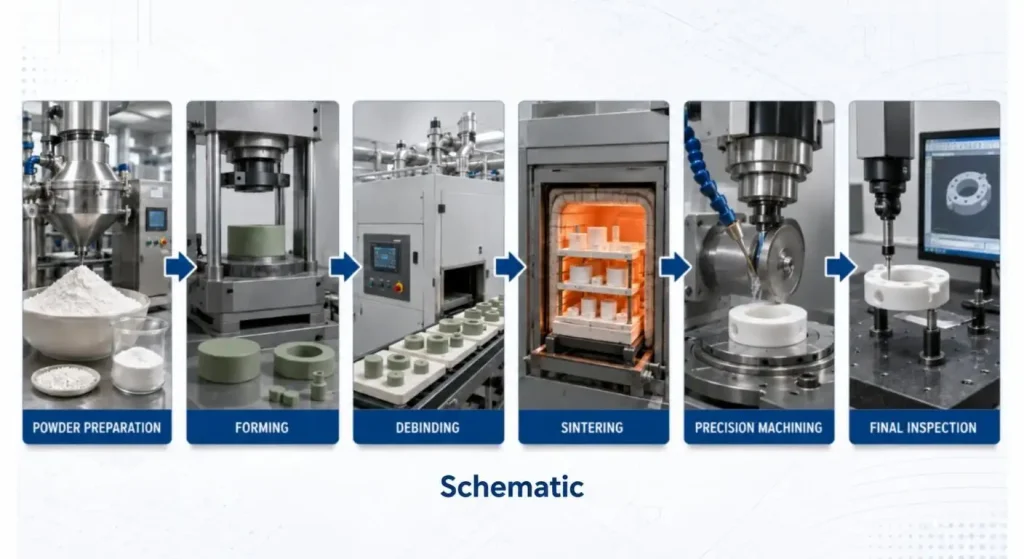
The advanced ceramic production is an inter-connected process. The powder preparation and forming operations affect such properties as shrinkage, density, distortion and amount of final machining.
A reliable supplier will have the ability to control:
- Formulation of Ceramic powder and material.
- Forming by dry pressing, injection molding, extrusion or other means.
- Controlled debinding and sintering are carried out in a vacuum or a controlled atmosphere.
- Diamond grinding, lapping, polishing and drilling
- Cleaning, Dimensional inspection and protective packaging
Integrated manufacturing suppliers will have lead time and batch control. The advanced ceramic machining process, as performed by UPCERA, is a good example of how the processes of forming, sintering, precision finishing and inspection need to complement each other.
Perform a confirmation of whether the drawing is manufacturable or not.
Once the ceramics have been “sintered,” they become hard; however, they are still brittle. Thin walls, sharp internal corners, deep holes, narrow slots and un-necessary tolerances can add more machining time as well as increased risk of cracking.
It’s important to have a technical supplier carry out a design for manufacturing review before quotation. This review could lead to identification of areas for:
- Specify real corner radii
- Adjust wall thickness
- To break up a part that is too complex into several parts
- Set up machining allowance prior to sintering
- Avoid specifying tight tolerances, unless necessary for function.
- Choose an appropriate forming technique for the volume of items to be formed
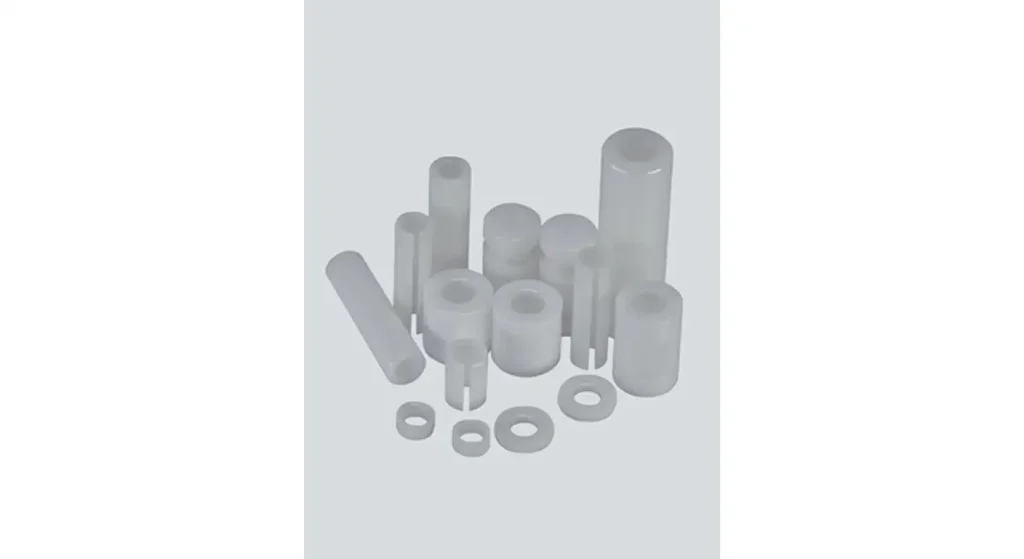
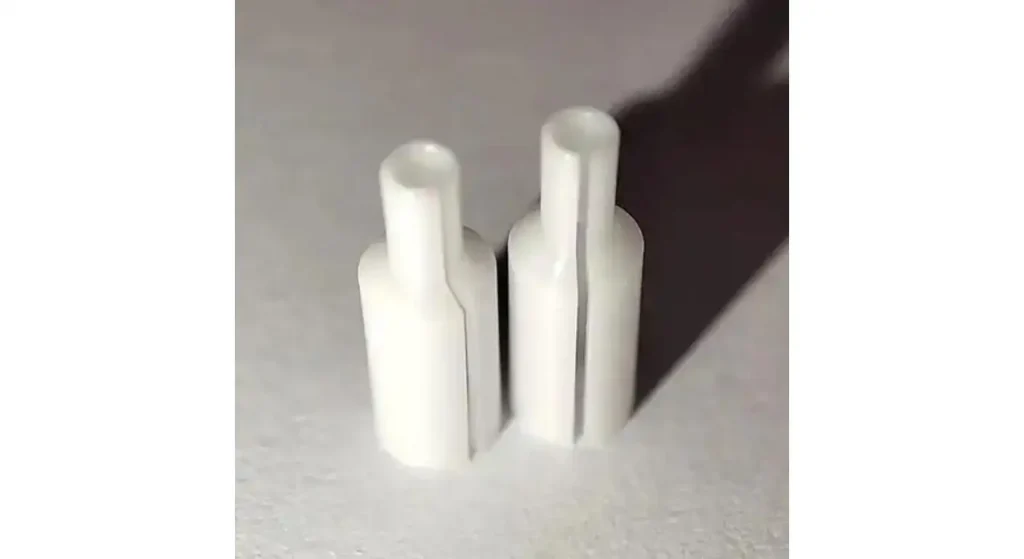
UPCERA manufactures a wide range of custom ceramic structural parts based on customer drawings, subject to manufacturability evaluation, such as bushings, nozzles, insulators, locating pins, ceramic-metal assembly and special-shaped parts etc.
From Prototype to Volume Production
Even a successful prototype doesn’t necessarily mean that a supplier can accommodate volume production. A controlled process and repeatable inspection are required for a production order, one part may be carefully adjusted by an experienced machinist.
Inquire about the sintering shrinkage, tool wear, variation in fixtures, raw material lots, and inspection frequency. It’s also helpful to verify if prototype tooling can be utilized in production or if production tooling is needed.
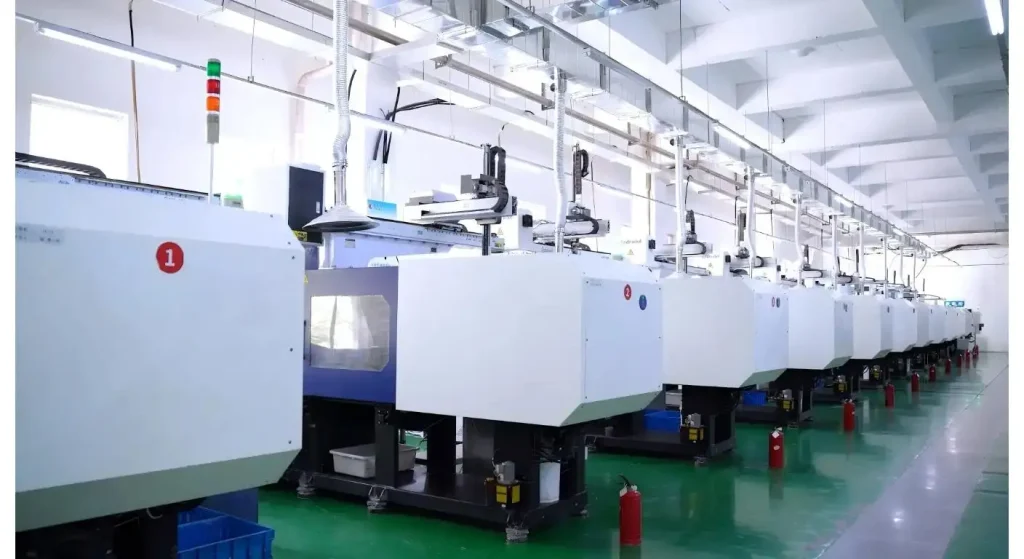
A capable supplier should plan the path from prototype to pilot production and volume manufacturing early in the project. This allows the buyer to make an educated guess at the cost of the tools, the lead time, minimum order quantity and future unit price.
Verify Precision and Quality Control Capability
Tolerance requirements should always relate to the dimension, geometry, material and surface requirements of the part. What can be tolerated on a little zirconia pin might not be cost effective on a big alumina plate.
Ask for inspection data for are critical characteristics on your drawing, including:
- The diameter on the outside and the inner diameter.
- Flatness, parallelism and concentricity
- Surface roughness
- Position and quality of hole(s)
- Microcracks, chips and visual defects.
- The material properties verification or density verification.
In the case of critical projects, establish inspection procedures, sampling, acceptance limits and document prior to production. This will avoid conflicts once the parts have been produced.
Don’t just compare the unit price, compare the Total Project Cost.
Lowest quotation can be quoted without including tooling, precision grinding, inspection reports or special packaging or secondary processes. Poor yield and dimensional inconsistencies can also result in costs during assembly and operating in the field.
A good quotation should specify the grade of material, the tooling charge, the number of samples and production, the tolerances assumed, the production lead time and shipping terms. Buyers should also inquire about the changes in the tooling and prices associated with design changes.
Though it may not be the lowest per unit cost, a supplier who offers a more manufacturable geometry would be able to offer a lower project cost.
Your RFQ Must contain the following information:
The clear RfQ allows the supplier to consider the project quicker. Create a 2D sketch and/or 3D model if available. Specify ceramic material or desired property, volume of ceramic required per year, prototype quantity, critical dimensions, desired operating environment and inspections required.
If not yet finalized, explain the failure mode of the existing part. The supplier can recommend on the basis of wear, corrosion, thermal cycling, electrical leakage or dimensional drift.
To initiate an engineering review, the buyers can reach out to UPCERA and provide drawings along with the projected application and order quantities.
Conclusion
When evaluating an advanced ceramic part supplier, one should consider the following: technical communication, material know-how, manufacturing integration, precision machining, quality control and scale up capability.
A drawing is not all that the right supplier can do. It aids in the identification of production risks, enhances manufacturability and establishes a well-controlled path from the very first sample to stable volume production.
FAQ
Q1. What information should customers provide to an advanced ceramic parts supplier?
Drawings, materials required, operating conditions, critical tolerances, sample quantity and estimated annual requirements. If not decided, explain the necessity of the function and failure issue.
Q2. Can custom ceramic parts be manufactured from customer drawings?
Yes. Typically, a technical review is needed to review geometry, tolerances, forming method, machining requirements and tooling prior to quoting.
Q3. So which of the advanced ceramics would be best for precision parts?
No one material is the best. Alumina, zirconia, silicon nitride, silicon carbide and aluminum nitride are good for various mechanical, thermal, electrical, and chemical functions.
Q4. Will one supplier be able to produce prototypes and mass production?
Some integrated manufacturers can help in both the stages. Before ordering, the Buyers should have verified the tooling strategy, production capability, process control, inspection capability etc. and the pricing changes that are expected.
Q5. Tight Ceramic tolerances come at a high price, why?
Slow diamond machining is necessary after sintering for most of the final precision features. The closer the tolerance, the more time needs to be spent on machining and inspection, the more wear for tools and the greater the chance of rejection.


In This Article
- 1 Application First, NOT Material Name.
- 2 Determine whether Complete Manufacturing Process is completed or not.
- 3 Perform a confirmation of whether the drawing is manufacturable or not.
- 4 From Prototype to Volume Production
- 5 Verify Precision and Quality Control Capability
- 6 Don’t just compare the unit price, compare the Total Project Cost.
- 7 Your RFQ Must contain the following information:
- 8 Conclusion
