 English
 中文
中文







Alumina Ceramic Plate for High-Temperature Furnace Fixtures: Thermal Shock Resistance That Lasts
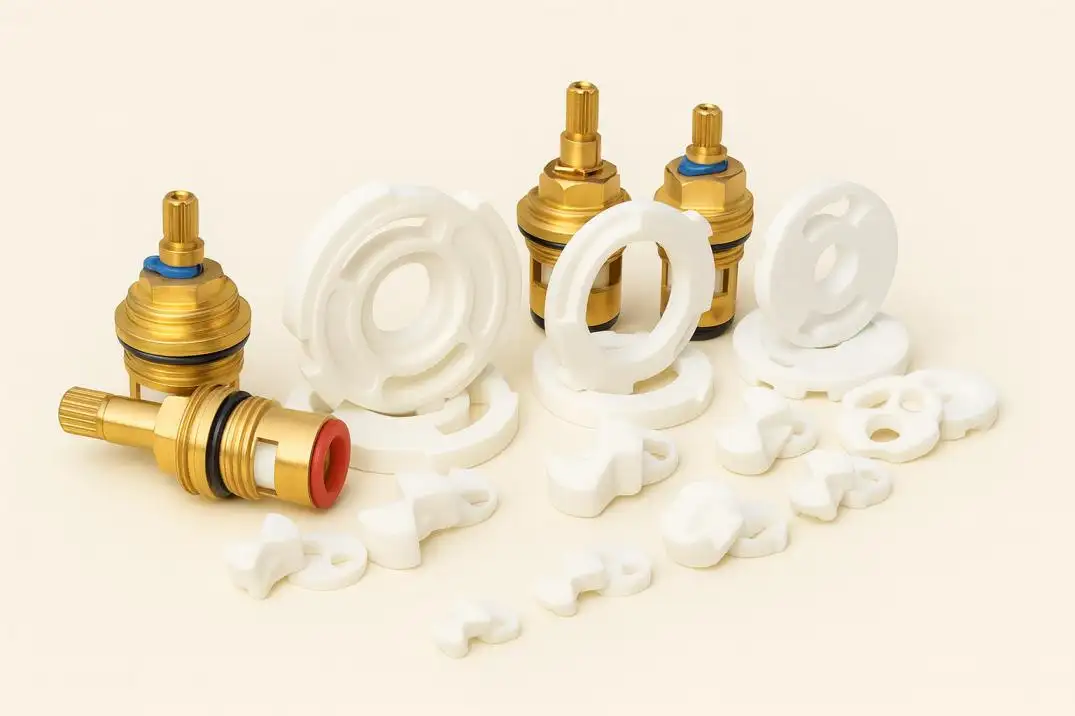
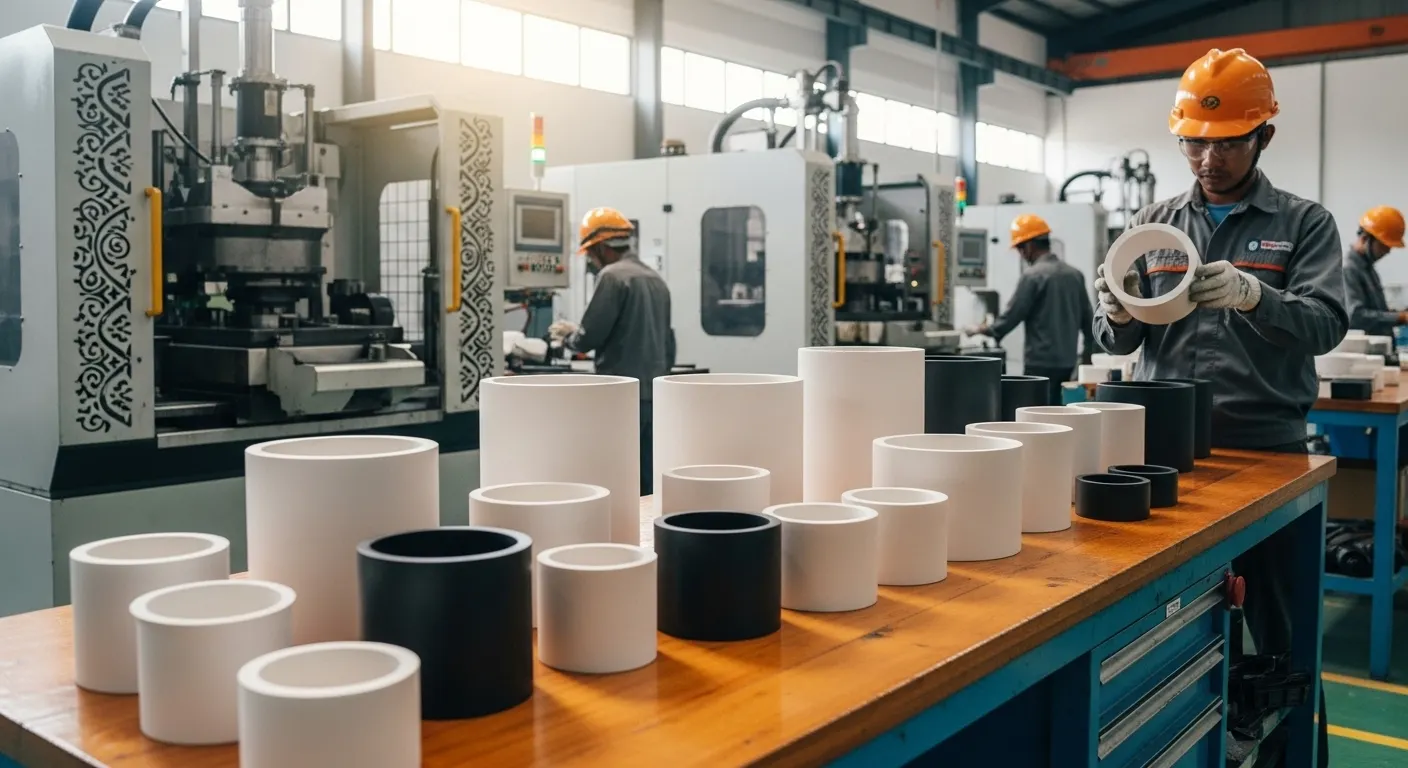

Alumina Ceramic Plates excel in high-temperature furnace applications due to their consistent thermal properties, impressive mechanical strength, and durability to multiple thermal cycles. For purchasers who utilize various types of furnaces (e.g. sintering, laboratory, electronic ceramic firing furnaces, battery material calcination, and precision thermal processing), failed fixtures can result in more than just the destruction of the furnace’s interior components. It can result in costly production down-time, variable production runs, and additional production expenses.
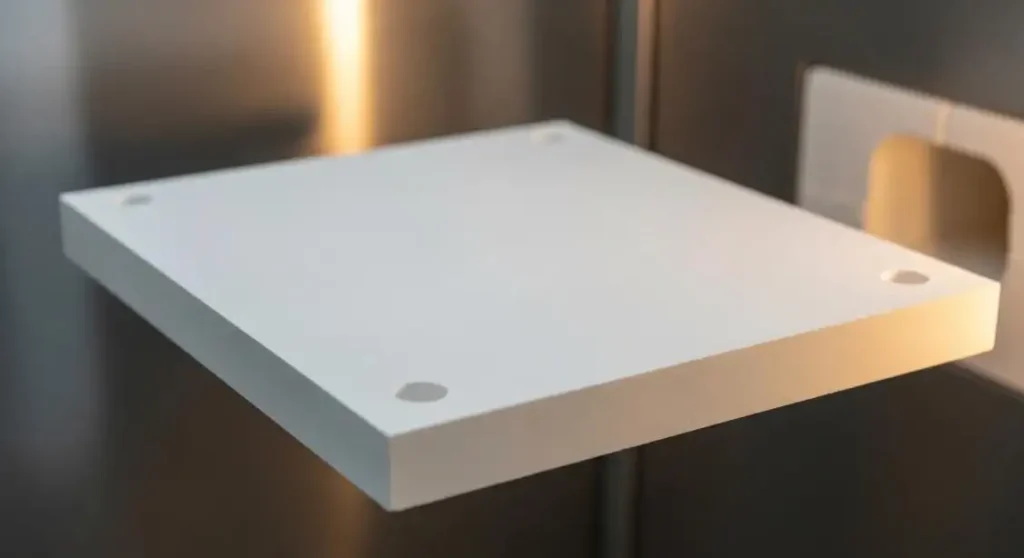
UPCERA offers alumina ceramic plates for furnace applications in which dimensional stability, thermal shock resistance, and material cleanliness are paramount.
Thermal Shock Resistance for High-Temperature Furnace Applications
Ceramic components are susceptible to thermal shock when the temperature for the exterior of a component and the interior of the component changes at different rates. This type of differential heat transfer results in a high degree of internal mechanical stress, and when the mechanical stress is greater than the strength of the material, cracks will result. Repeated thermal shock cycles are a precursor to accelerated impending catastrophic failure.
For furnace fixtures, considerations for thermal shock resistance include:
• Rising and falling furnace temperatures.
• Irregular temperatures throughout the furnace.
• Frequent loading and unloading.
• Engagement with powders, setters, trays, and workpieces.
• Operational mechanical stress.
An Alumina Ceramic Plate minimizes furnace thermal shock due to high-temperature equilibria and race resistance (both friction and chemical resistance). Due to its high-purity, an alumina is suitable for continuous use of up to 1700 (or 1600) °C in numerous industrial processes (though not for more than a few minutes, depending on the situation and design, materials, and the furnace’s atmosphere).
This temperature range is more defined as opposed to previously described, and will assist buyers in making more informed decisions regarding alumina. It avoids assuming that every Alumina Ceramic Plate can operate at the same maximum temperature in all environments.
UPCERA Alumina Ceramic Plate For Stable Furnace Fixtures
UPCERA has long-term experience in advanced technical ceramics, including alumina and zirconia components used in industrial, electronic, medical component, and precision machinery applications. Its production model covers material preparation, forming, sintering, machining, inspection, and project communication, which helps improve consistency across custom ceramic parts.
For furnace fixture buyers, this integrated capability supports:
• Material selection based on working temperature and loading conditions
• Custom plate dimensions, holes, slots, grooves, and mounting features
• Controlled sintering and machining for dimensional accuracy
• Inspection processes for batch-to-batch stability
• Engineering discussion before prototype or production orders
A well-designed Alumina Ceramic Plate is not only a flat ceramic part. It must match the furnace structure, thermal cycle, load weight, support method, and contact surface. For example, a thin plate may reduce weight, but it may not be suitable for heavy loads or uneven support. A thicker plate may offer better rigidity, but it may need a proper heating profile to reduce thermal stress.
Material Quality and Process Control
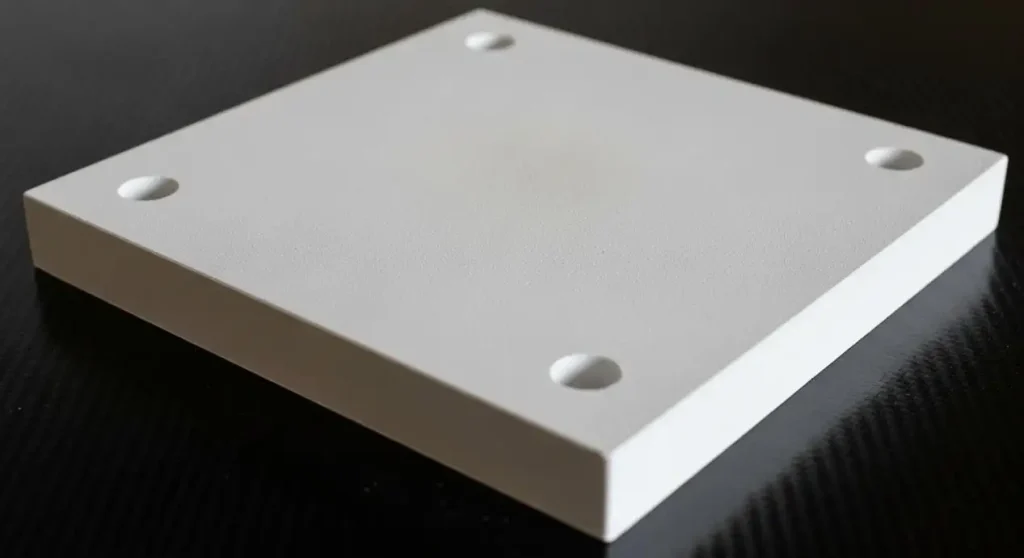
High purity alumina grades, including grades ≥99.5% alumina, have superior high-temperature stability when compared to the lower grade ceramic materials. With fewer purity reducing glassy phases and impurities, high grade alumina ceramics do not yield to strength reducing, defamation resistance, and performance performance reducing factors due to high temperature.
Of equal importance and a significant role is played by process control. Quality control and the impact of factors such as powder, pressure, firing, density, and machining can impact Ceramics production performance of Alumina Ceramic Plates. Process control allows the producers to avoid the impact of all forms of weak points that cause premature failure due to cracking
The critical factors can be evaluated as follows:
• Purity: Synthetic alumina supports superior thermal and chemical stability.
• Density: Serves to improve ceramics and to consolidate and reduce the number of defects.
• Low Water Absorption : Serves to eliminate the swelling problems due to heating.
• Grain Structure: Serves to improve the defects of microstructures and to consolidate.
For high temperature, the quality of machining high precision construction should be required. Poor edge processing, machining quality, and sharp edge corners, along with the unsatisfactory design of the holes, can cause stress concentration. UPCERA can machine Alumina Ceramic Plate designs according to customer drawings, with attention to geometry, tolerance, and application needs.
Alumina Ceramic Plate Compared With SiC, Cordierite, And Quartz
Different furnace fixture materials serve different process needs. The ideal choice hinges on factors such as temperature, thermal shock, load, chemical exposure, budget, and contamination sensitivity.
Alumina Vs. Silicon Carbide:
Of the two, silicon carbide has a slight edge in thermal shock resistance and thermal conductivity. At times, silicon carbide is worth the extra expense if there is a need for high-strength furnace fixtures. SiC will likely perform better in extreme thermal cycling conditions. In those cases and in all others, high-performance Alumina Ceramic Plate is a valid option for temperature endurance and chemical resistance furnace fixtures. Add in the lower cost, and SiC is not often required.
Alumina Vs. Cordierite:
Low thermal expansion and excellent thermal shock resistance make cordierite the better choice for furniture and frequent heating and cooling to moderate temperatures. However, cordierite typically has lower service temperatures than high-purity alumina. Our high-performance Alumina Ceramic Plates will outperform cordierite in processes that operate to 1600–1700°C.
Alumina Vs. Quartz:
Last but not least, Quartz is better suited for purever and more specific thermal behavior, but its high temperature softening and limits are where the Alumina Ceramic Plate really performs better in terms of wear resistance and furnace fixture stability.
Although provided options are worth considering, alumina is likely the better choice. It is often the most practical for high-temperature furnace fixtures that serve as plates, setters, and supports.
Possible Practical Uses for Our Alumina Ceramic Plates
UPCERA’s Alumina Ceramic Plates can be useful in applications related to furnaces such as:
• Sophisticated ceramic sintering plates
• Laboratory furnace shelves and supports
• Electronic ceramic firing devices
• Supports for calcination of materials for battery
• Fixtures for handling materials in thermal processing
• Supports for thermal processing of semiconductor materials
• Components for thermal insulation and positioning
When choosing these products, purchasers are mainly concerned with these products’ reliability, stability of dimensions, suspicion of performance, and less amount of unexpected interruptions in performance. The design and material grade of an Alumina Ceramic Plate are required to meet the operating conditions to help improve the users’ confidence in the fixture.
Personalized Design and Assistance Available
UPCERA understands that customized tools call for more than plates supplied per for orders. We are here to assist our beloved clients with the following:
• Drafting the design
• Selecting the material grade
• Modifying the materials unit
• Machining with the client’s/plant’s requirements
Examples of customization are:
• Plates of varying dimensions and thickness
• Drilled holes and positioning slots
• Grooves, depressions, and recesses
• Engagement of surface finishes, geometry, and furnace layout
• Selection of the Alumina grade depending on the usage and temperatures
Assistance is provided for clients who are using Alumina for the first time. It is to be clearly noted that the design should take into consideration the furnace’s temperature, heating and cooling, how the materials are to be loaded, the type of atmosphere to be used, as well as what materials will be in contact. It is irrefutable the design will be of more value with less wastage of time.
Summary
Certifying that your high temperature furnace tools’ materials, structures, and designs correspond will substantively improve flexibility in Alumina Ceramic Plates. When you have the following four conditions, Alumina is practical and can help withstand high temperature, chemical reaction, and thermal insulation.
UPCERA specializes in technical support, systematized processes, and precision engineering, bridging application demands in the complex world of ceramic alumina plates. If your applications involve high-temperature demands, UPCERA provides a technically suitable option for users of alumina ceramic plates for furnace fixtures for sintering, calcination, electronic ceramics, laboratory furnaces, and advanced thermal processing.
FAQ
Q1: What Is the Continuous Use Temperature of UPCERA Alumina Ceramic Plate
A: Relative to alumina grades and designs, as well as the specific atmosphere and working conditions, high purity alumina plates may support continuous usage from 1600 °C to 1700 °C, with even higher usage in excess of the specific time, as dictated by the application.
Q2: Can Alumina Ceramic Plates Stand Thermal Shock?
A: Under proper design and usage, alumina ceramics can be satisfactory in thermal shock. Plate thickness, method of support, as well as the furnace cycle play a significant role in thermal shock performance.
Q3: Can UPCERA Reproduce Alumina Ceramic Plate Forms to Customers’ Specifications?
A: Yes. UPCERA has the capacity to reproduce plates with additional holes, slots, and grooves, and even contour cuts and framework for customer convenience.
Q4: Is Alumina a Suitable Replacement for Cordierite in Furnace Fixtures?
A: In designing furnace fixtures for processes at high temperatures, alumina is typically more applicable, in contrast to moderate-temperature processes that involve retrieval of heat over frequent cycles, where cordierite is more applicable.
Q5: What Applications in Industries involve the Use of Alumina Ceramic Plates in Furnaces?
A: These include but are not limited to advanced ceramics, labs, and furnaces for the production of materials for batteries, powder metallurgy, thermal processing in association with semiconductors.


In This Article
- 1 Thermal Shock Resistance for High-Temperature Furnace Applications
- 2 UPCERA Alumina Ceramic Plate For Stable Furnace Fixtures
- 3 Material Quality and Process Control
- 4 Alumina Ceramic Plate Compared With SiC, Cordierite, And Quartz
- 5 Possible Practical Uses for Our Alumina Ceramic Plates
- 6 Personalized Design and Assistance Available
- 7 FAQ
