 English
 中文
中文







Engineered Ceramic Products: A Complete Guide to Reliability at Scale
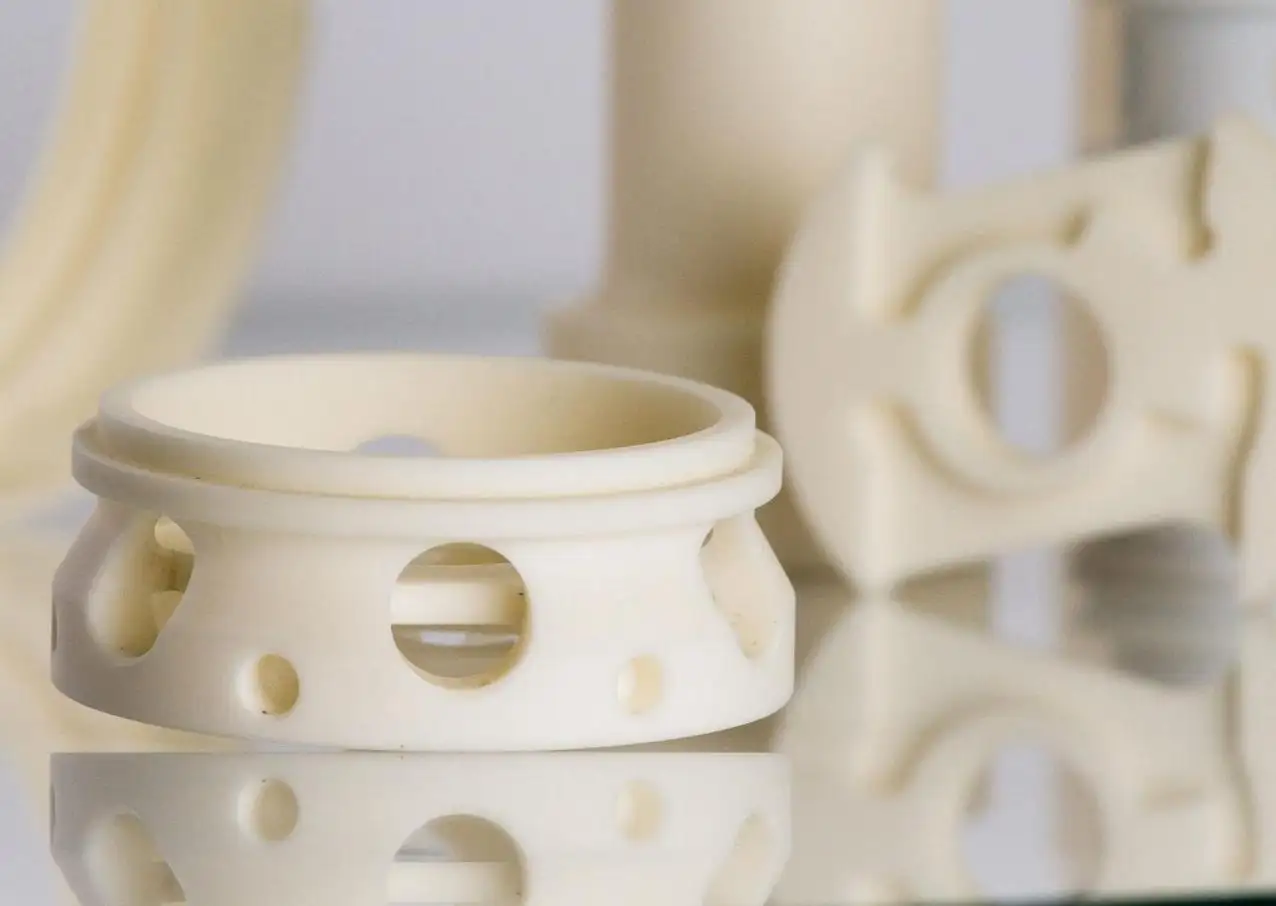
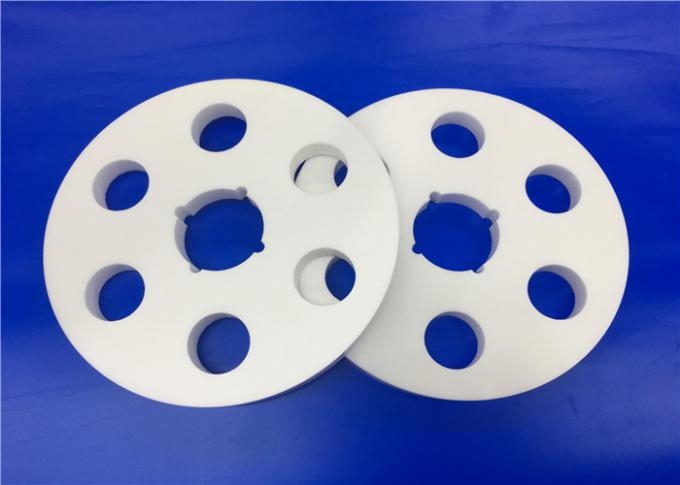
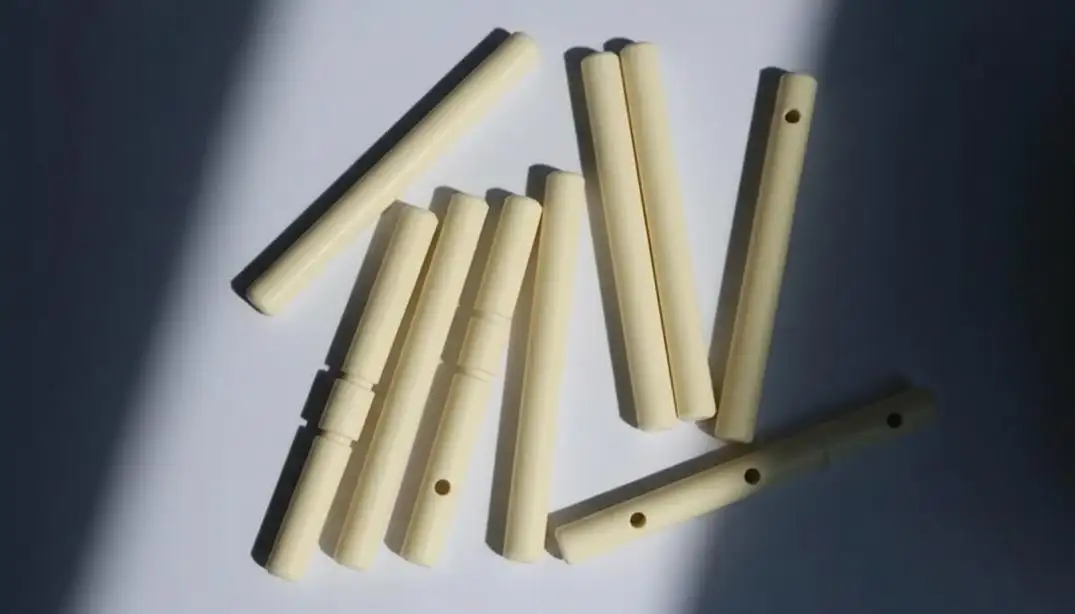
Engineered Ceramic Products are transforming how modern industries solve performance problems — from semiconductor fabrication to aerospace propulsion. The thermophysical limits of metals and polymers are being reached as systems miniaturize, operate at higher speeds, and become more thermally demanding. Engineered Ceramic Products are exceptional materials that combine strength, precision, dimensional stability, and temperature and environment resistance.
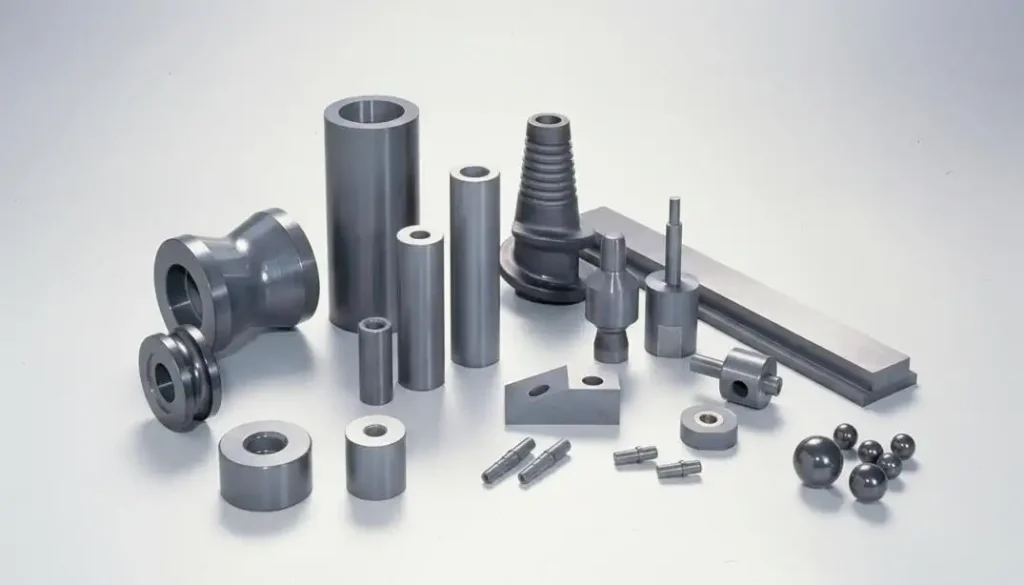
We work to understand Engineered Ceramic Products, describe examples of superiority over metals and polymers, discuss manufacturing techniques, detail usage examples, and prove UPCERA is one of the top producers of these products.
What are Engineered Ceramic Products?
Engineered Ceramic Products are solids and non-metals and have a constrained set of applications that are of the highest order of performance. Most commercial ones, like ceramics from porcelain and earthenware, are simple, and serve a structural role. Engineered Ceramic Products are purposeful regarding the chemistry, microstructure, and predictable mechanics.
Engineered Ceramic Products have a wide range of properties, some concise include the following:
• Light weight and high compressive strength. Engineered Ceramic Products have tensile strengths greater than 300 MPa, and are lighter than most metals.
• Excellent thermal stability. Materials can remain functional at temperatures exceeding 1,000°C.
• Chemical inertness. Engineered Ceramic Products are not adversely affected by exposure to acid, alkali, and reactive gases.
• Engineered Ceramic Products have the ability to conduct electricity. Depending on the formulation of an Engineered Ceramic Products, they can be insulators, semiconductors, or magnetic.
Simply put, Engineered Ceramic Products are not ‘just’ fired clay. These products are the final outcome of specific engineering design processes.
Engineered Ceramics vs. Metals
When comparing traditional metals to the Engineered Ceramics products, the procurement and engineering teams pinpoint the following attributes:
1. Engineered Ceramics have more hardness than metals and greater wear resistance. The Vickers hardness of Engineered Ceramics products is greater than 1,500 to 2,000 HV while metals have a Vickers hardness value of 150 to 600 HV. This makes Engineered Ceramics more desirable than metals in applications where mechanical components are subject to high wear such as cutting tools and wear resistant coatings.
2. Engineered Ceramics have high temp mechanical stability. Metals lose their strength at extreme temperatures become soft and lose their mechanical strength. Engineered Ceramics maintain their mechanical stability at temperatures that destroy powerful high-performance superalloy.
3. Engineered Ceramics have high corrosion resistance. metals will rust, oxidize, and react to chemicals corroding them. Engineered Ceramics are essential to chemical processing, biomedical field, and offshore applications.
In addition, due to the brittleness of Engineered Ceramics, their primary disadvantage is that due to the lack of ductility, ceramics can fail and fracture catastrophically under impact and sudden overload conditions.
This is why ballistics engineering is best suited for metals and why care designing Engineered Ceramic Products is critical to their success, particularly in avoiding stress concentrations and sharp corners.
How Engineered Ceramic Products Are Manufactured
Manufacturing quality Engineered Ceramic Products involves tight process controls at all levels. A standard manufacturing process includes the following:
• Powder processing. Adjusting the composition of ceramic powders, as well as binders and additives, to customer specifications.
• Shaping. The powder mixture is formed using methods that include: dry pressing, injection molding, slip casting and isostatic pressing, which are dependent on geometric requirements and volumetric demands.
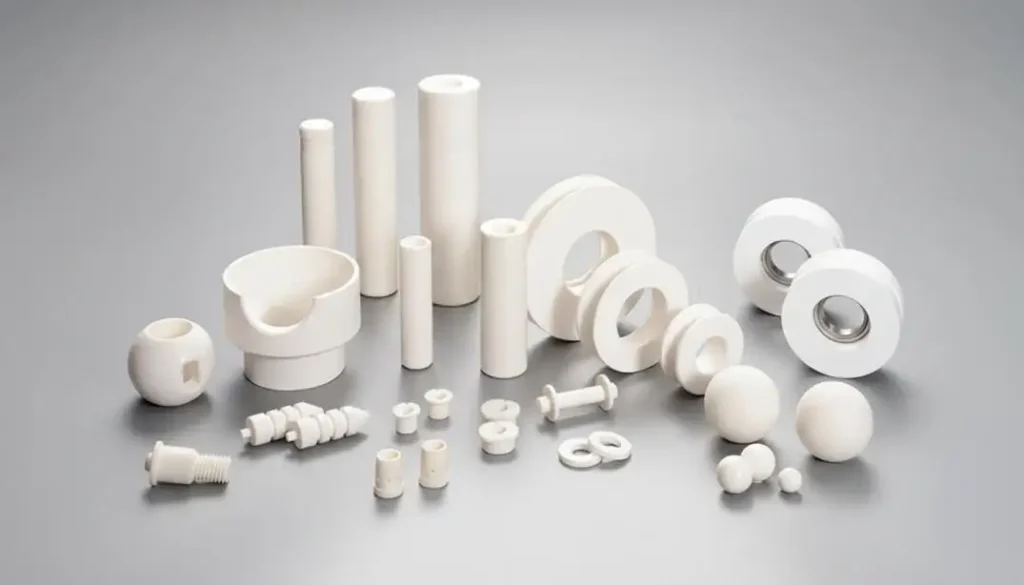
• Sintering. The shaped green part is then heated to more than 1,000°C to bond particles, densify the material and develop the final mechanical properties. The control of sintering is crucial, Ramp rates, soak times and the uniformity of the furnace determine how uniform a ceramic part densifies.
• Finishing. Engineered Ceramic Products are precision machined post-sintering, using diamond tooling and CNC to the customer’s tolerances and surface finish specifications. In some cases, technologies such as Hot Isostatic Pressing are employed to improve density and remove internal porosity.
• Quality assurance. Quality control is performed at every step in the manufacturing process, with raw material to sintering and then final inspection, components are batch traced and some undergo nondestructive testing methods including x-ray and dimensional inspection.
Where Are Engineered Ceramic Products Used Today?
All industries need products that can operate in extreme environments. This has resulted in increased demand for Engineered Ceramic Products in the following areas:
• Aerospace/Defense. Engineered Ceramic Products fuel efficiency improvements of 15-20%.
• Automotive and electric vehicles. Engineered Ceramic Products improvements in battery thermal management and power electronics, and braking systems. In addition, Engineered Ceramic Products improvements in exhaust components reduce the weight of the vehicle and increase heat resistance.
• Medical and Healthcare. Biocompatible zirconia and alumina are used in corrosion resistant and mechanically reliable surgical instruments and dental restorations.
• Chemical and Industrial Processing. Engineered Ceramic Products improve the wear and chemical resistance of pumps, valves, seals, and nozzles. This increases service life and reduces maintenance cost.
UPCERA Engineered Ceramic Products Meet the Industry Trends
Considering the expected growth of 169.13 billion dollars in 2034, the global advanced ceramics market, which is valued at 100.34 billion dollars in 2025, is expected to have a CAGR of 6.1 percent. This is due to manufacturing becoming more energy-efficient, 5G and AI infrastructure, and transit systems becoming electric. UPCERA has been manufacturing advanced precision ceramic components in 2003, and is directly in line to take advantage of this opportunity.
• Complete supply chain management: Being a fully-owned subsidiary of Sinocera (stock code: 300285), UPCERA has reached full integration in the industry. This means they are able to produce and process their materials to whatever precision the market demands. This gives them the best supply management for Engineered Ceramic Products.
• Broad material portfolio: UPCERA customizes Engineered Ceramic Products in zirconia, alumina, sapphire, ruby, aluminum nitride, silicon nitride, and silicon carbide — allowing customers to match the right material to the right application.
Precision is not only a question of quality but also of scale. With a monthly production of 100 million ceramic sleeves, UPCERA entails mass production and stringent quality control, which includes a 100\% concentricity inspection of all of the company’s critical parts.
• Certifications and Global Compliance: Typically, procurement teams claim that a company is only as good as its supply chain. UPCERA differentiates itself by providing all the required documentation as it holds certifications for ISO 9001, ISO 14001, ISO 45001, and RoHS, and it is also REACH and RoHS compliant.
• Depth of R&D from Tsinghua University Roots: UPCERA enjoys the privilege of having an R&D team that has extensively and independently developed, together with a support of an arsenal of 178 patents, in excess of 10 categories of ceramic materials, which accounts for hundreds of variation, and thereby tens of thousands of products.
Why Choose UPCERA for Your Upcoming Project?
When UPCERA delivers, it is on thousands of tailor-made ceramic parts in different industries spanning new energy, mechanical engineering, semiconductor, healthcare, aeronautics, and consumer electronics. Choosing an Engineered Ceramic Product supplier is about more a question of consistent quality products than of materials specs.
Whether the design is on next generation medical devices, high-density data centers, and 800V EV architectures, UPCERA’s engineers accompany customers from the first design drafting to the finishing pilot production to guarantee an Engineered Ceramic Product which will work with perfect reliability upon repeated use.
For procurement departments and engineering teams judging/assessing Engineered Ceramic Products, the differentiation becomes clear: UPCERA is the company that always delivers more when it comes to mass production with great reliability.
FAQ
Q: What are the most popular Engineered Ceramic Products?
A: The most common ones are alumina (Al₂O₃), zirconia (ZrO₂), silicon carbide (SiC), silicon nitride (Si₃N₄), and aluminum nitride (AlN). Each offers different combinations of hardness, thermal conductivity, and electrical resistance.
Q: Could Engineered Ceramic Products replace metals in every application?
A: This is not true in every case, but in most, yes, particularly in the case of high-wear, high-temperature, and/or corrosive environments. In terms of ductility and impact resistance, metals are superior. The important thing is correlating material characteristics with the purpose of the application.
Q: How does UPCERA maintain quality consistency in mass production?
A: UPCERA has complete control of the entire supply chain and does 100% concentricity checks for critical parts. All of this is backed by ISO 9001 and batch-level traceability.
Q: Is there a price difference for Engineered Ceramic Products in comparison to standard materials?
A: Yes. They might have a higher price tag upfront, but it is less expensive in the long run because of the increased thermal stability and wear resistance, which reduces the frequency and costs of maintenance. This in turn lowers the total cost of ownership (TCO).
Q: Is it possible to get custom designs, along with small pilot runs, from UPCERA?
A: Yes, absolutely. UPCERA offers the full range of custom ceramics and small, medium, and large pilot run sizes to assist customers through the entire process from before the drawing is approved.


