 English
 中文
中文







Ceramic Ball Valve: How It Handles Abrasion And Slurry
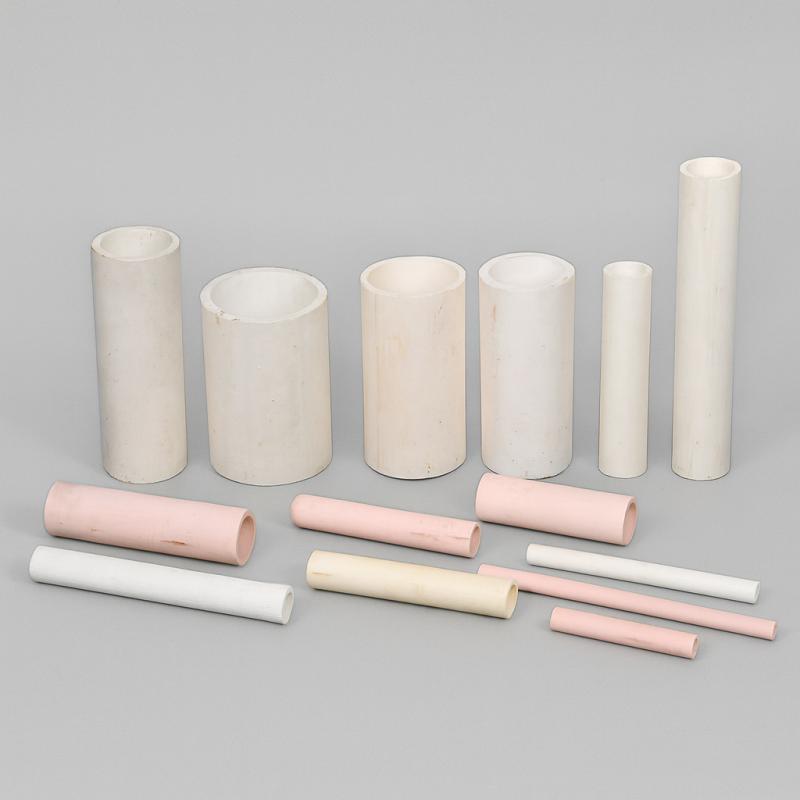
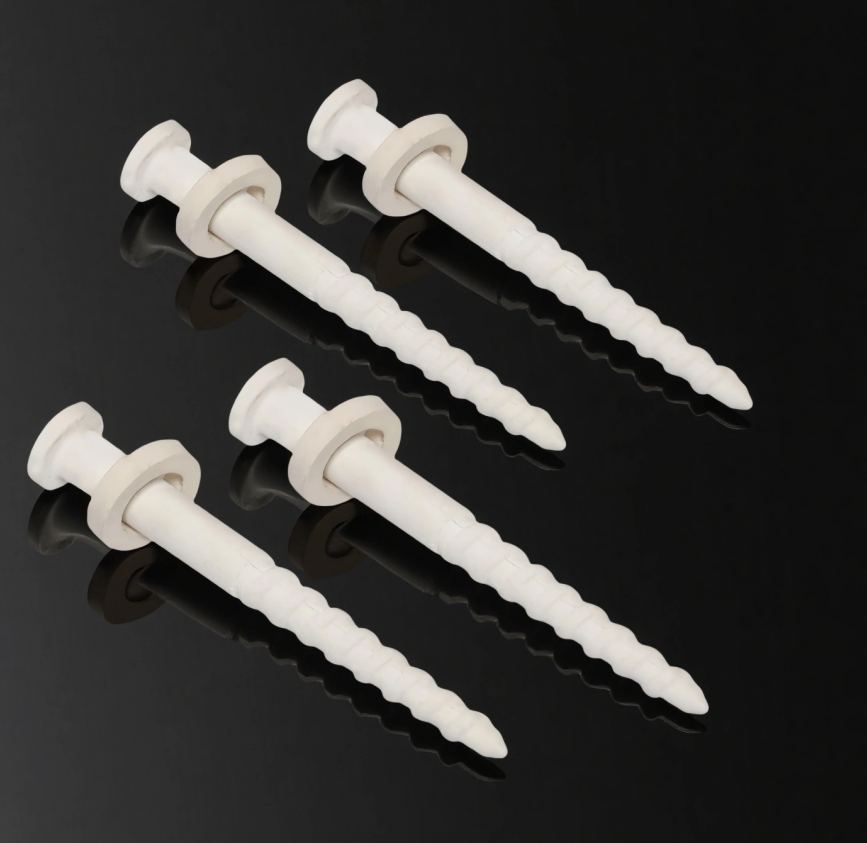
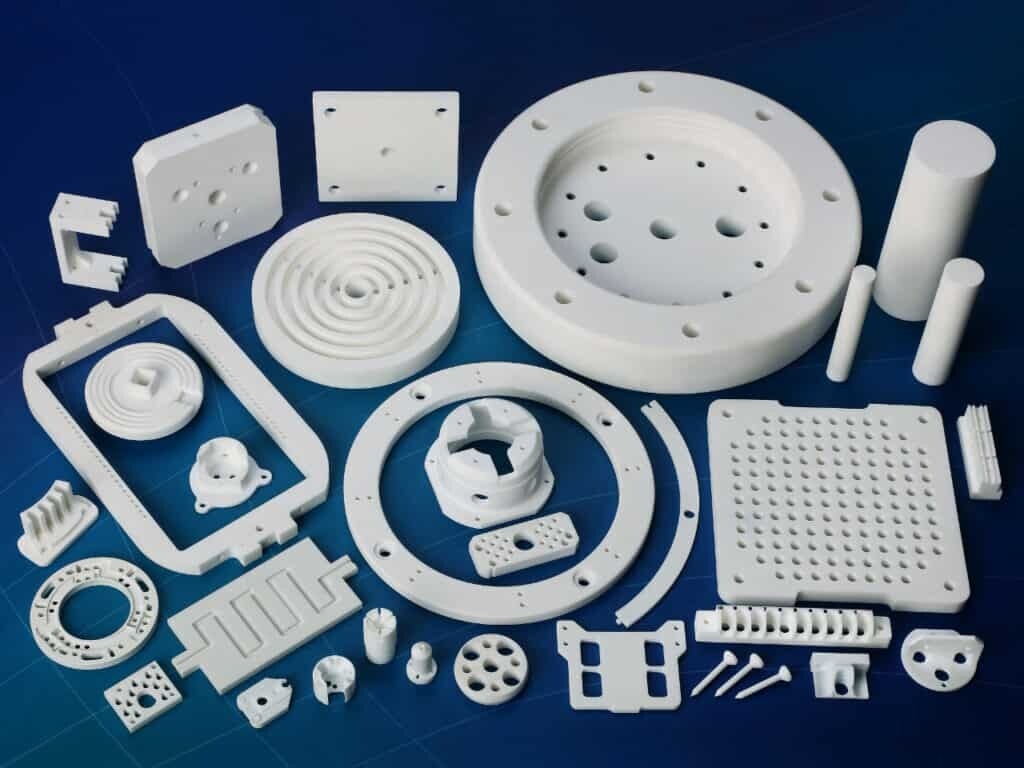
Ceramic Ball Valve performance becomes most visible when media is abrasive, loaded with solids, and constantly trying to “sandblast” internal parts. From UPCERA’s manufacturing perspective, slurry duty is not a single condition. It is a mix of particle hardness, particle size, concentration, velocity, and how often the valve cycles. When those factors are understood early, valve life becomes more predictable, and shutdowns become easier to plan.
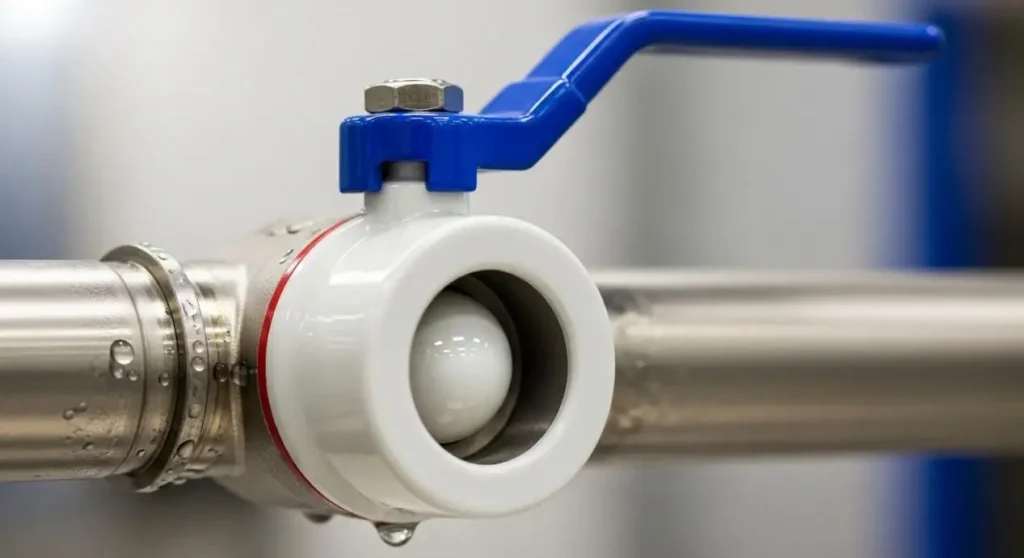
1) Why Abrasion and Slurry Destroy Standard Valves Fast
In slurry lines, wear is rarely caused by pressure alone. It is caused by repeated particle impact and sliding contact. Metal seats and soft seals can lose geometry over time, which leads to leakage or torque rise. Once the sealing surface is scratched, the valve may still “close,” but it cannot seal reliably.
Abrasive wear also appears in places many beginners miss. It can attack the seat edge, the ball surface, and even the cavities where solids settle. This is why slurry valves are often selected for demanding mining circuits such as grinding, tailings, concentrate pipelines, cyclones, and dewatering systems.
2) What “Ceramic“ Changes in a Ceramic Ball Valve
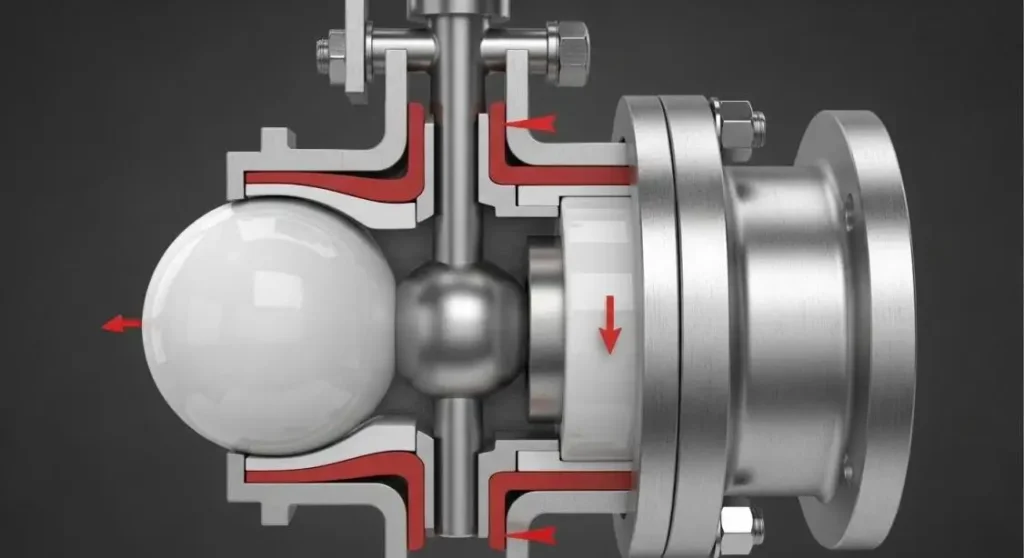
A Ceramic Ball Valve is built around ceramic-to-ceramic or ceramic-to-engineered-seat sealing surfaces that resist scratching and micro-cutting. The key is not only “hardness,” but also how stable the surface remains after long exposure to solids.
Ceramic Hardness, Explained With Simple Numbers
Hardness matters because many slurry particles are hard enough to mark metals. Alumina ceramics, commonly used in wear parts, are often listed around Mohs hardness 9, which is far above typical steels and many industrial minerals.
For even harsher wear environments, silicon carbide materials are often cited around Mohs hardness ~9.5, approaching diamond on the same relative scale.
In practical terms, higher hardness usually means fewer scratches on the sealing surface, and fewer scratches usually means tighter shutoff for longer.
3) How a Ceramic Ball Valve Handles Slurry Without Clogging
In slurry duty, a valve must manage two risks at once: wear and blockage. A Ceramic Ball Valve is often chosen because the flow path can remain smooth while the internal surfaces stay wear-resistant. When the geometry is correct, solids are less likely to “hang up” during opening and closing.
From UPCERA’s perspective, slurry performance is improved when the valve is selected with these basics in mind:
• Match the valve type to slurry behavior (settling vs. non-settling)
• Prefer a full-bore concept when solids must pass through
• Avoid dead zones where solids can compact
• Plan for flushing or purge steps if the process allows
This is also why “slurry” is not one application. Mining lines, for example, can include tailings, paste, cyclones, and hydrometallurgy—each with different settling and wear profiles.
4) Material Choices Inside a Ceramic Ball Valve
Ceramics are not all the same. A beginner-friendly way to think about it is: some ceramics prioritize maximum wear resistance, while others balance wear resistance with better crack resistance.
Wear Resistance vs. Toughness: A Useful Trade-Off
Zirconia ceramics are often described as having comparatively higher fracture toughness than many other ceramics, which can matter when mechanical shock, vibration, or thermal changes exist. One research summary reports fracture toughness around 4–6 MPa√m and flexural strength around 900–1200 MPa for Y-TZP zirconia in its tested context.
That does not mean “zirconia is always best,” but it shows why material selection should consider both abrasion and impact risk.
At UPCERA, the practical approach is simple: define the slurry severity first, then select ceramic grade and internal structure to match the dominant failure mode (scratching wear, edge chipping, thermal shock, or chemical exposure).
5) Where Ceramic Ball Valve Solutions Create the Most Value
A Ceramic Ball Valve tends to deliver the strongest ROI when three conditions appear together: frequent cycling, persistent solids, and high cost of downtime. The goal is not only longer service life. It is also more stable operation—meaning torque stays predictable, sealing remains consistent, and maintenance becomes easier to schedule.
Common high-value sectors include:
• Mineral processing and slurry transport lines (grinding circuits, tailings, concentrate pipelines)
• Corrosive + abrasive mixed media, where corrosion resistance must be considered alongside wear resistance
A helpful industry mindset is to treat valve selection as “process protection.” If a valve failure can stop a pump train, overflow a tank, or disrupt downstream filtration, the valve is not a small component anymore.
6) A Practical Selection Checklist and a Clear Next Step
If you are new to slurry valve selection, focus on clarity, not complexity. UPCERA typically recommends collecting a short set of operating facts before finalizing a Ceramic Ball Valve configuration:
• Media type (slurry, ash, powder + gas, crystals, etc.)
• Solids content and whether particles settle when flow slows
• Estimated particle hardness and size range (if known)
• Line size, pressure, and temperature
• Cycle frequency (occasional shutoff vs. frequent control)
• Installation constraints (space, actuator type, maintenance access)
CTA (Call-to-Action)
If you are evaluating a Ceramic Ball Valve for abrasive slurry, contact UPCERA with your media description, line size, operating pressure/temperature, and a brief note on solids behavior. We will recommend a practical ceramic material direction, a valve structure suited to slurry flow, and a selection plan that targets stable sealing and predictable service life in real industrial conditions.


In This Article
- 1 1) Why Abrasion and Slurry Destroy Standard Valves Fast
- 2 2) What “Ceramic“ Changes in a Ceramic Ball Valve
- 3 3) How a Ceramic Ball Valve Handles Slurry Without Clogging
- 4 4) Material Choices Inside a Ceramic Ball Valve
- 5 5) Where Ceramic Ball Valve Solutions Create the Most Value
- 6 6) A Practical Selection Checklist and a Clear Next Step
