 English
 中文
中文







What To Know In Zirconia Shaft With Ceramic Bushing
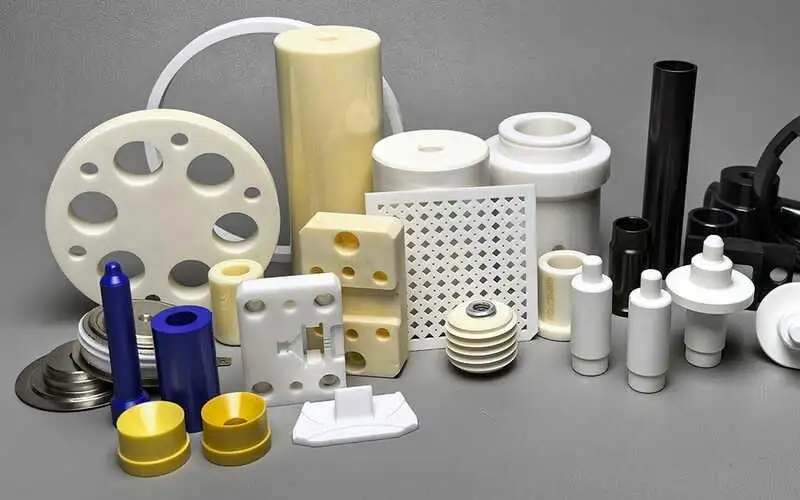
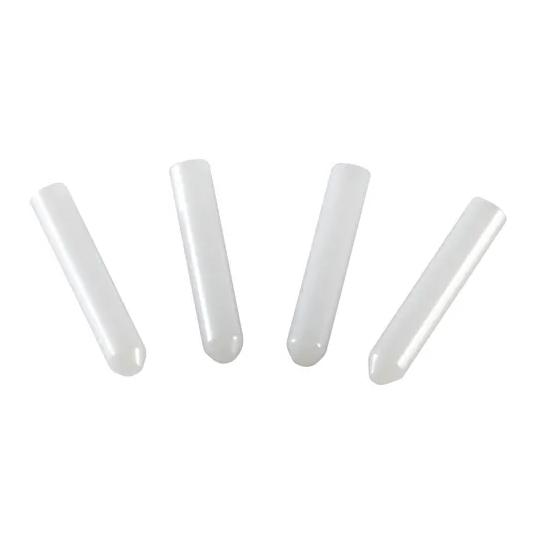
Zirconia Shaft With Ceramic Bushing is often selected when a motion system must stay smooth, stable, and clean while facing wear, chemicals, or heat. From UPCERA’s manufacturer perspective, this assembly is not simply “a ceramic component.” It is a precision interface that protects alignment, controls friction, and helps keep performance consistent when metal shafts and bushings wear too quickly, corrode, or introduce contamination.
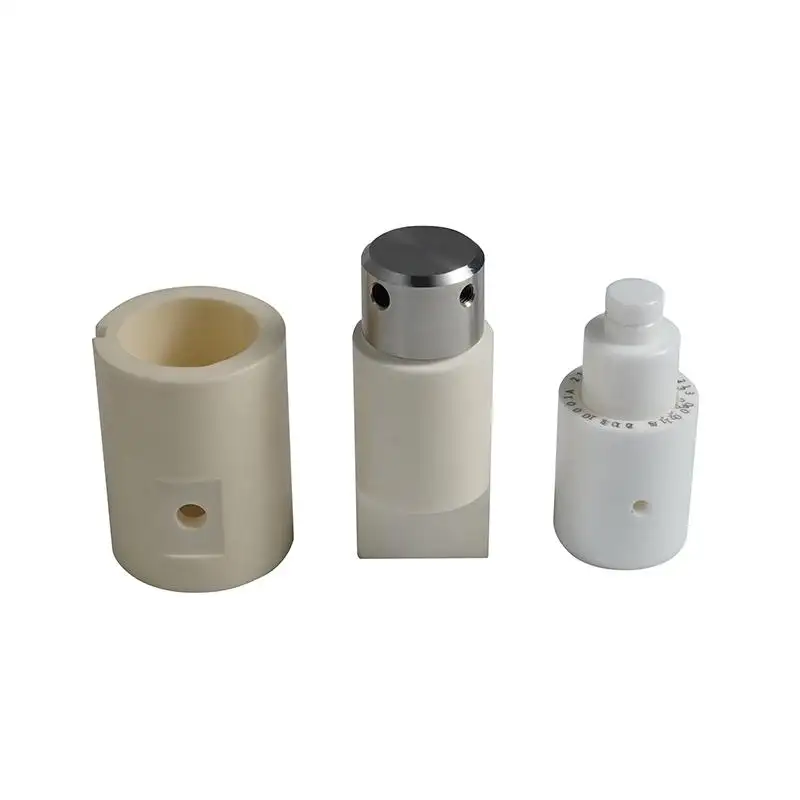
This guide explains the basics in a clear, buyer-friendly way: what the assembly does, why the material pairing works, which specifications truly matter, where it is used, and what to confirm before ordering. If you are new to technical ceramics, use this as a practical checklist that turns “ceramic” into measurable requirements.
Start With the Job: What the Assembly Really Does
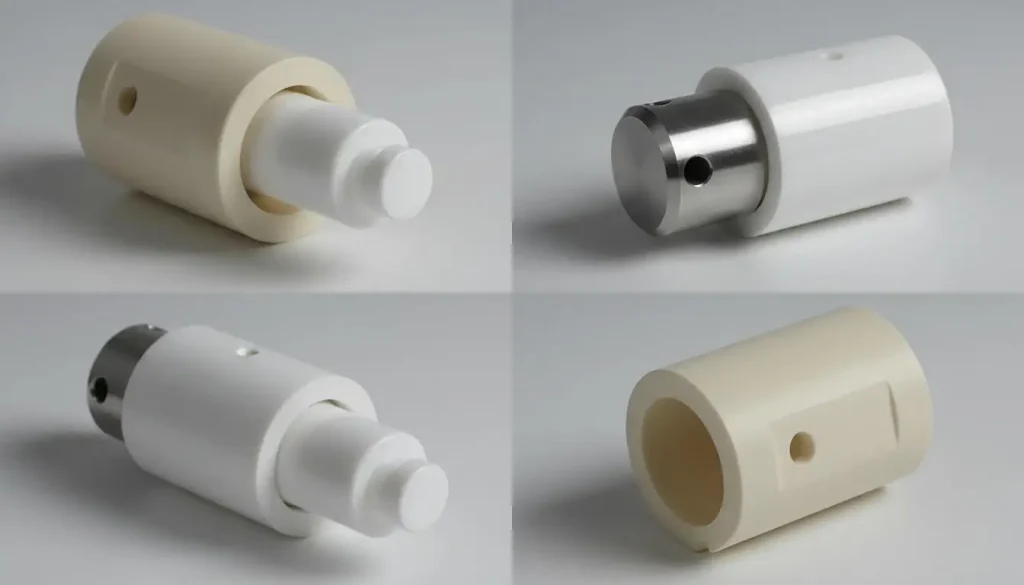
A Zirconia Shaft With Ceramic Bushing is a matched pair. The shaft provides a stable axis for rotation or sliding, while the bushing supports that axis with a controlled inner surface. Together, they create a non-metal interface designed for long-term motion.
In real applications—pumps, valves, precision equipment, chemical systems—failures often arrive quietly. Motion becomes slightly rough. Clearance grows. Local heat increases. Vibration or leakage starts to show. Then the system begins to drift away from its original performance window. A ceramic shaft-and-bushing pair helps slow that chain by resisting wear at the contact point and by keeping the geometry stable longer.
What this can mean for users:
•Fewer unexpected stoppages caused by wear-driven instability
•More predictable service intervals, especially in abrasive or corrosive service
•Less performance drift in systems where alignment matters
A key idea is that “stable motion” is rarely only about the motor or actuator. The interface is often where losses accumulate. When the contact surfaces hold shape, the system stays closer to the design intent for longer.
Material Logic: Why Zirconia Plus Ceramic Bushing Works
Ceramics are chosen for a simple reason: they maintain surface integrity under wear better than many metals in punishing environments. That stability becomes practical value when your cost is driven by downtime, seal wear, contamination risk, or frequent alignment correction.
A Zirconia Shaft With Ceramic Bushing is also relevant when metals create secondary problems. Certain liquids and cleaning agents can corrode stainless steel over time. Some processes cannot tolerate metal abrasion dust. Some equipment requires electrical insulation or non-magnetic properties. In these cases, ceramics are not just “strong.” They reduce specific failure causes that metal interfaces can trigger.
From UPCERA’s production experience, the advantages usually fall into five directions:
•Wear resistance for abrasive media and high-cycle motion
•Chemical and corrosion resistance for reactive environments
•Precision fit potential for smooth motion and controlled clearance
•Electrical insulation and non-magnetic behavior for sensitive systems
•Custom design support to match geometry, fit, and operating conditions
Practical takeaway: if your system’s hidden cost is driven by friction loss, heat rise, seal degradation, or contamination control, a ceramic interface can improve the overall reliability picture—not only the part itself.
The Specs That Matter: Tolerances That Protect Smooth Motion
Many buyers see tolerance tables and feel uncertain about which numbers actually influence results. For a Zirconia Shaft With Ceramic Bushing, the core principle is straightforward: motion stability depends on geometry stability. When geometry drifts, friction rises and wear accelerates in a self-reinforcing loop.
One specification has an outsized impact on smooth motion:
Surface Roughness (Ra 0.02–0.2)
Smoother surfaces cut friction and reduce heat during rotation or sliding, which matters most in high-speed or low-lubrication designs.
•Roundness (0.002mm) And Concentricity (0.002mm)
These protect alignment and reduce micro-wobble. When roundness and concentricity are not controlled, contact becomes uneven. That creates localized stress, faster wear, and instability that can appear as noise, vibration, or early seal damage.
•Straightness (0.004mm)
A straighter shaft distributes load more evenly. This matters for longer shafts, higher loads, and applications where vibration must stay low. Straightness helps reduce localized loading that can deform the wear pattern and shorten life.
•Dimensional Capability (Example Ranges)
For many industrial assemblies, typical capability ranges like length ≤300mm and outer diameter ≤150mm cover common designs without forcing multi-piece structures.
Beginner rule: if you want longer life and smoother motion, do not only ask for “zirconia” or “ceramic.” Ask how the supplier controls roughness and alignment geometry, because those are the specs that protect the interface under real motion.
Where It Gets Used: Common Industries and Why They Choose It
A Zirconia Shaft With Ceramic Bushing is common where metal interfaces degrade quickly, or where cleanliness and precision are not optional.
•Pumps And Fluid Handling Systems
Chemical pumps, metering systems, and fluid control devices face corrosion risk, abrasive particles, and continuous duty cycles. Ceramic interfaces can reduce corrosion-related wear and help stabilize motion where metals slowly lose surface quality.
•Semiconductor And Clean Manufacturing Equipment
Contamination control is strict. The non-magnetic nature of ceramics, together with chemical stability and controlled wear characteristics, supports their use in precision movement and handling platforms where particulate contamination and motion drift must be minimized.
•Medical Devices And Lab Equipment
In corrosion-sensitive or cleaning-intensive environments, ceramic interfaces can help maintain stable motion while resisting chemical attack. This can matter in analyzers, dosing systems, and specialized fluid devices.
•Industrial Automation
Actuators, robotic joints, and high-cycle mechanisms benefit from long wear life and stable fit. In production environments, small friction losses become energy cost and heat issues over time, and drift can reduce accuracy.
High-Temperature Or Stress-Loaded Systems
Ceramics maintain performance where some polymers soften and some metals lose stability. In selected aerospace and defense-related motion systems, temperature stability can be part of the selection logic.
•Practical benefit: once you map your application to a category, you can predict which failure mode ceramics are most likely to reduce—wear, corrosion, heat-driven drift, or contamination risk.
Turn Advantages Into Buyer Questions: What To Confirm Before Ordering
Ceramic assemblies perform best when the interface design matches the operating reality. Before finalizing a Zirconia Shaft With Ceramic Bushing, confirm these points:
•Motion type and speed (rotation, oscillation, sliding, start-stop cycling)
•Working media exposure (water, solvents, acids/alkalis, slurry, cleaning agents)
•Temperature range and thermal cycling (steady heat vs repeated heating/cooling)
•Fit strategy (clearance fit, press-fit zones, and how alignment is maintained)
•Surface finish target (linked to friction, heat, and noise behavior)
One more practical note: many failures are not caused by “bad material.” They are caused by misalignment or an incorrect fit that concentrates load in a small contact zone. Even tight geometry targets like 0.002mm roundness and concentricity only protect performance if the mating structure and installation method also preserve alignment.
If you are new to ceramic parts, ask the supplier to translate tolerances into outcomes such as:
•Reduced wobble
•Lower operating heat
•Longer seal life
•Less vibration under continuous duty
That translation is often where a quote becomes a reliable solution rather than a risky replacement.
Why UPCERA: Machining Control, Customization, and a Clear Next Step
At UPCERA, we focus on machining control and application matching because ceramic performance lives in details: surface finish, alignment tolerances, and interface design. A Zirconia Shaft With Ceramic Bushing is often selected to resist wear, maintain smooth motion, and stay stable in chemical or heat-exposed environments. But the value should be visible in daily operation—not just in a material datasheet.
What customers typically aim to improve:
•Longer service intervals in abrasive or corrosive service
•Lower friction loss that supports steadier speed and reduced heat rise
•More stable alignment that protects seals, bearings, and motion accuracy
•Electrical insulation and non-magnetic behavior for sensitive systems
CTA (Call-to-Action)
If you are evaluating a Zirconia Shaft With Ceramic Bushing for pumps, valves, automation, semiconductor tools, or lab equipment, contact UPCERA with your application scenario, working media, target dimensions (length/OD), and desired tolerance level. Our team can recommend a practical design direction, confirm achievable surface finish and geometry targets (such as Ra0.02–Ra0.2 and 0.002mm-level alignment control), and provide a quote built around stable, repeatable performance—not just a part number.


In This Article
- 1 Start With the Job: What the Assembly Really Does
- 2 Material Logic: Why Zirconia Plus Ceramic Bushing Works
- 3 The Specs That Matter: Tolerances That Protect Smooth Motion
- 4 Where It Gets Used: Common Industries and Why They Choose It
- 5 High-Temperature Or Stress-Loaded Systems
- 6 Why UPCERA: Machining Control, Customization, and a Clear Next Step
