 English
 中文
中文







What RoHS and REACH Compliance Mean for Electrical Insulating Ceramics
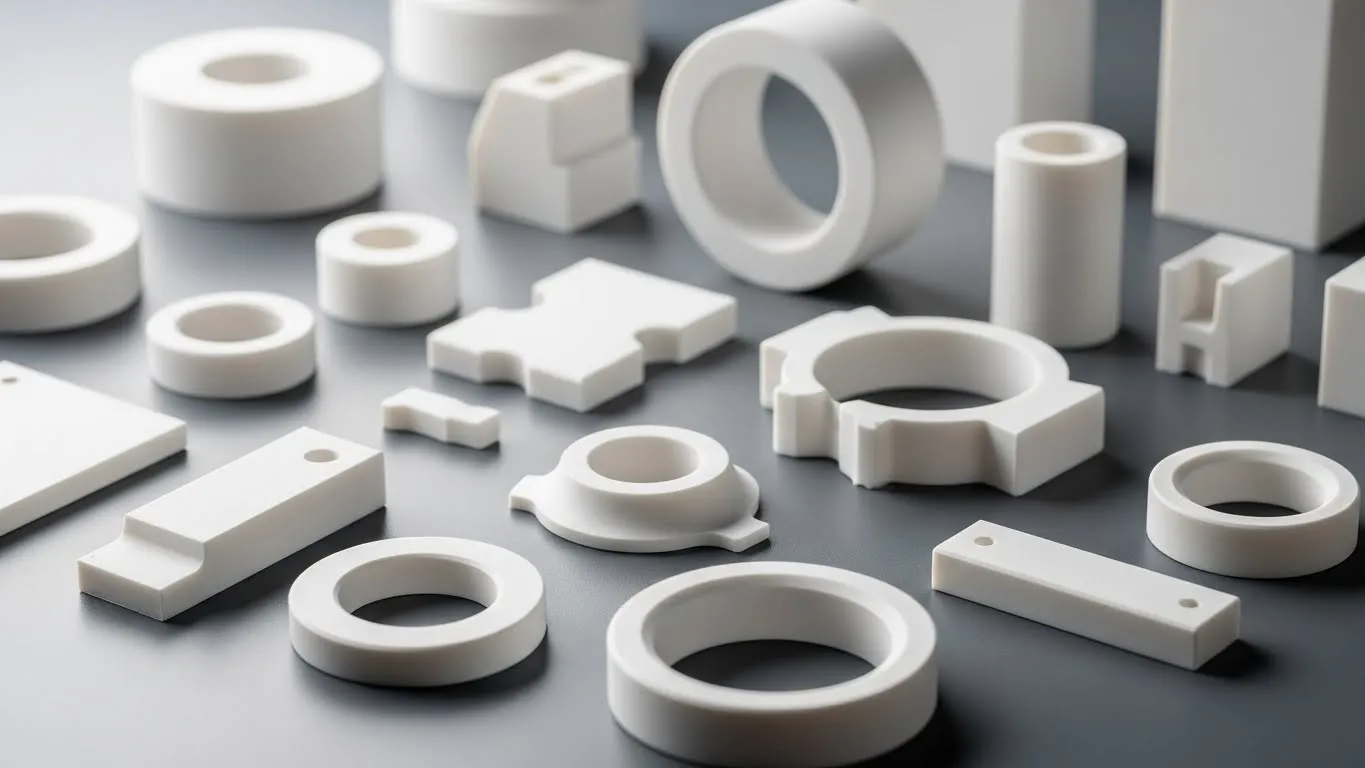
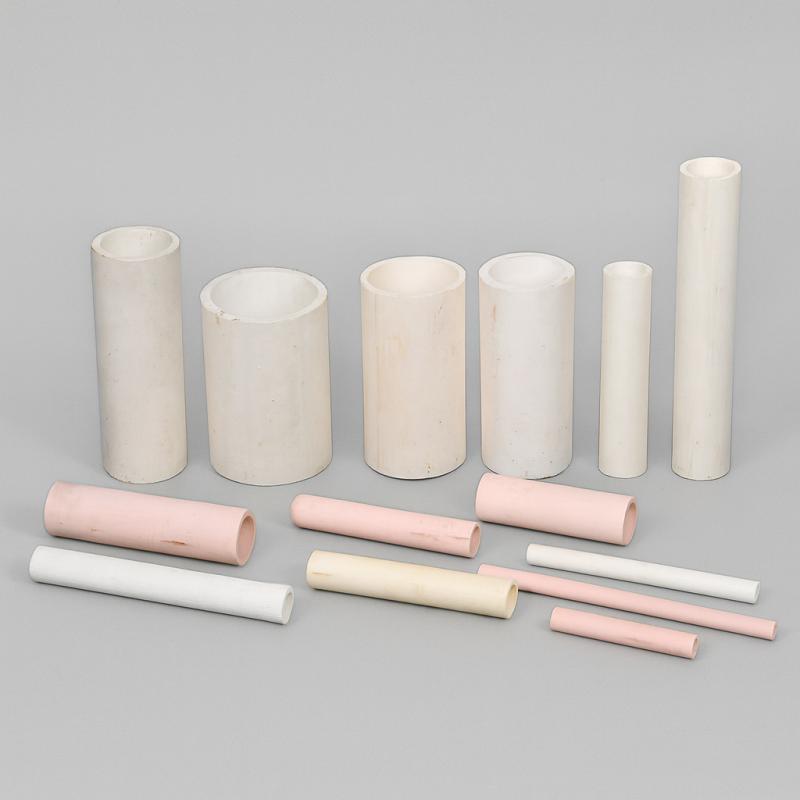
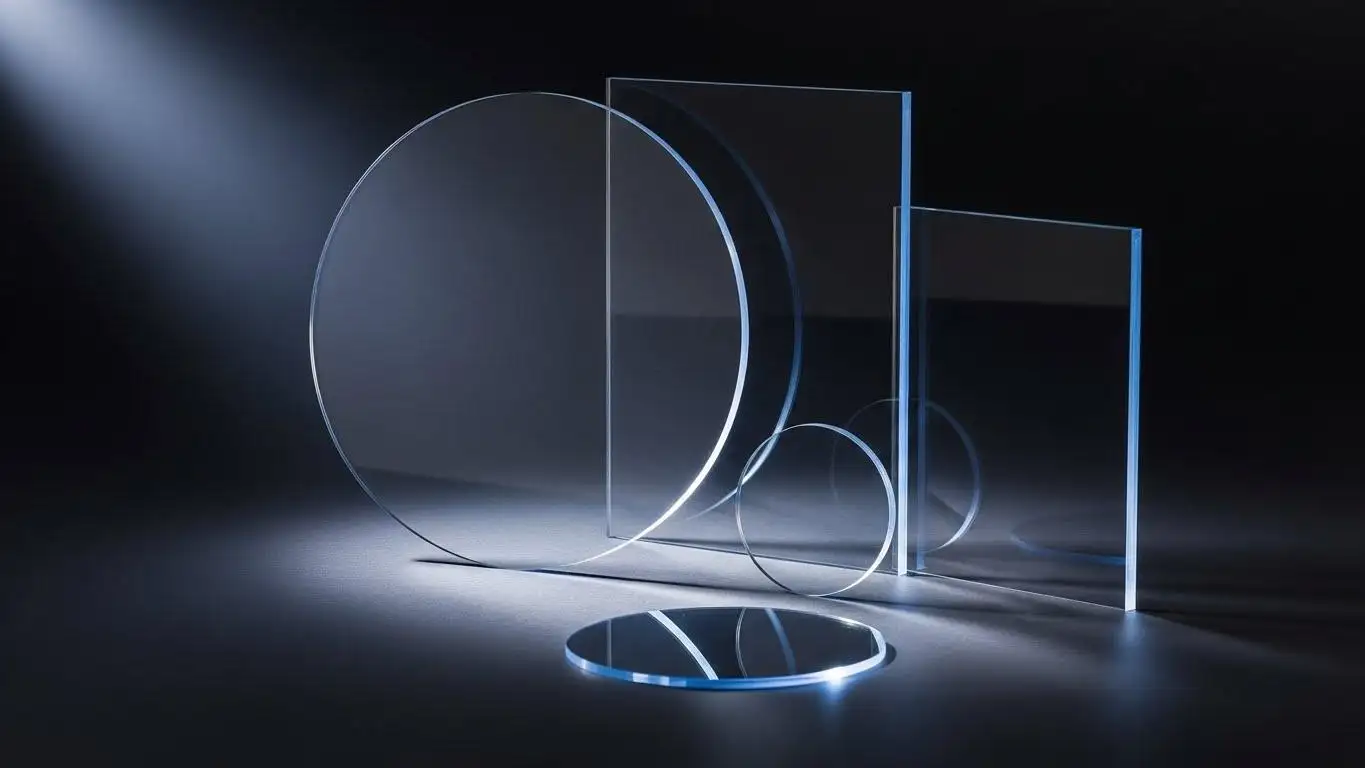
Electrical Insulating Ceramics sit at the center of safe, efficient, and sustainable electronics. As regulations tighten, RoHS and REACH status increasingly determine market access, risk, and even basic design choices. The materials themselves are only half the story; process chemistry, documentation discipline, and supplier control now define whether a product clears a customs check or stalls at the dock.
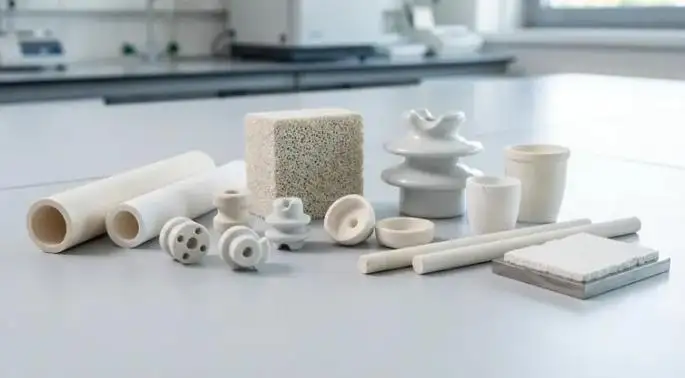
Understanding Electrical Insulating Ceramics, RoHS, and REACH
- What Are Electrical Insulating Ceramics?
Electrical Insulating Ceramics are engineered ceramic materials that prevent electrical conduction while withstanding heat, mechanical stress, and chemical exposure. High-purity alumina is the workhorse in this class. It delivers high dielectric strength, low dielectric loss, and outstanding thermal stability. In power electronics, RF systems, industrial heaters, and precision sensors, these ceramics keep conductive parts separated and stable under AC and DC loads. They do not corrode, do not outgas significantly, and remain dimensionally accurate over long service life.
- What RoHS And REACH Require?
RoHS restricts hazardous substances in electrical and electronic equipment. It limits heavy metals and halogenated flame retardants to very low thresholds. REACH governs the registration, evaluation, authorization, and restriction of chemicals in the EU. It focuses on Substances of Very High Concern (SVHC), both in articles and in processing. For Electrical Insulating Ceramics, compliance means more than the ceramic body. It includes binders, pigments, braze interfaces, adhesives, machining coolants, and even packaging. Trace contaminants that seem trivial can block shipments when a single part exceeds a limit or if documentation is incomplete.
- Our Alumina Ceramic Insulator at a Glance
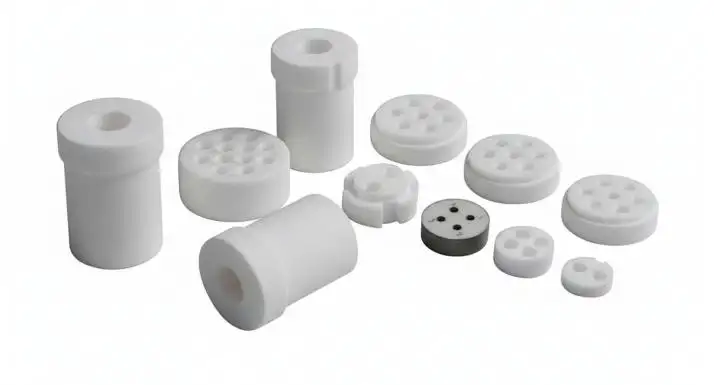
Our alumina ceramic insulator is produced from 99% high-purity alumina. It provides excellent electrical insulation, high breakdown strength, and low dielectric loss. It remains stable under thermal shock, high temperature, and aggressive chemicals. In practice, that enables safe separation in high-voltage devices, RF and vacuum assemblies, power transmission, and heating elements.
The component is precision engineered:
•Typical tolerances reach ±0.01 mm on critical features.
•Roundness and concentricity can be maintained to 0.002 mm.
•Maintaining a surface roughness of Ra 0.02 – 0.2 delivers clean mating surfaces and reduced contamination exposure.
•Capabilities include 0.1 mm thin-wall construction and sizes to 300 mm length, 150 mm OD.
•Integrated arrays of holes provide configurable electrical and fluid routing for compact, high-density assemblies.
•The non-magnetic, inert composition is suitable for sensitive RF, medical, and semiconductor applications.
•Compliance with RoHS and REACH is assured, in line with international environmental standards.
Why Compliance Matters for Electrical Insulating Ceramics
- Compliance Is a Design and Market Enabler
RoHS and REACH compliance affects materials selection, process control, and documentation. It also enables global market entry and seamless transfers between regions. For Electrical Insulating Ceramics, the benefits are practical and immediate.
•Market access and reduced customs risk. A clear RoHS/REACH declaration and supporting reports reduce the chance of delays and rework.
•Product safety and brand protection. Restricting hazardous substances lowers environmental and occupational exposure risk.
•Portfolio longevity. REACH evolves. Designing to robust material choices reduces redesign pressure as SVHC lists expand.
•Supplier quality alignment. A compliant ceramic partner brings coherent material declarations, production traceability, and change control.
- Hidden Pain Points in the Supply Chain
Ceramic bodies are often seen as “inert,” yet compliance gaps frequently arise in less visible places. Poorly controlled forming steps using binders and organic additives can leave regulated residues. Heavy-metal contamination can stem from colorants and glass phases. Cross-contamination is possible from machining coolants and grinding media. Brazes, metallizations, and adhesives may rely on REACH-listed solvents or plasticizers. Packaging films and labels can be final-stage sources of non-compliance.
Electrical Insulating Ceramics with high purity and tight tolerances lower technical risk. Achieving ±0.01 mm on critical dimensions stabilizes creepage and clearance. A low-loss dielectric profile minimizes parasitic heat at high frequency. Magnetic neutrality and inert chemistry protect RF coil Q and imaging stability. A multi-hole configuration combines conductors and fluid lines, reducing interface count and the chance of restricted-substance ingress. These attributes don’t negate compliance; they help streamline it by curbing complexity.
- Performance that Supports Compliance Objectives
Alumina offers dielectric strength to prevent high-voltage conduction, thermal stability to resist crack initiation during cycling, and chemical resistance for repeated cleaning and sterilization. In harsh industrial contexts, corrosion resistance holds dimensions – and electrical spacing – steady, preserving safety margins and lowering maintenance frequency.
Specifying Compliant Electrical Insulating Ceramics
- Engineer‘s Validation Checklist
• Request a signed RoHS/REACH certificate (RoHS 2011/65/EU + amendments; REACH EC 1907/2006).
•Obtain homogeneous-level material declarations in ppm for the ceramic body, additives, metallization, adhesives, and packing materials.
•Validate SVHC <0.1% w/w per article and that screening references the latest SVHC list date.
•Use XRF for initial heavy-metal screening; follow up with lab methods for organic substances.
•Confirm that process chemicals and coolants are managed to prevent contamination.
•Inspect dimensional reports: ±0.01 mm tolerance on critical features; 0.002 mm roundness/concentricity where specified.
•Ensure HV performance with dielectric breakdown and insulation resistance tested at operating temperatures.
•Validate cycling resilience through thermal shock testing and microcrack inspection records.
•Confirm that packaging and labeling satisfy RoHS/REACH requirements.
Design Notes that Reduce Risk and Improve Performance
Align geometry with both electrical safety and manufacturability. The multi-hole format can shorten current paths, isolate conductors, and route coolant if required. Maintain minimum wall thickness around 0.1 mm only where analysis supports it; thicker walls increase breakdown margins. Specify surface roughness in the Ra 0.02 – 0.2 range to reduce contamination and to stabilize high-voltage interfaces. Control straightness and perpendicularity to remove fit-up stress and to limit micro-gaps where partial discharge can initiate.
Material purity matters. A 99% alumina material platform provides high dielectric strength and stable high-temperature performance. The limited need for additives supports cleaner REACH reporting. Selecting non-magnetic, chemically inert ceramics for RF and medical systems helps prevent interference and avoids hidden SVHC from shielding workarounds.
Think in systems. Even when the ceramic is clean, adjacent materials can negate compliance. Avoid legacy lead-based glass frits. Audit adhesives and potting compounds for SVHC. Validate braze alloys and metallization chemistry against RoHS metals. Document each interface, not only the core ceramic. Build a compliance file that pairs test data with drawings and bills of material, and keep it current as suppliers update formulations.
- Applications Where the Details Pay Off
In applications that punish materials – power hardware, RF cavities, cleanrooms, and clinical devices – details dictate outcomes. Electrical Insulating Ceramics provide steady insulation in transformers, capacitors, and breakers, even under high fields. Tight dimensional control protects creepage and clearance long term. Low particle emission and chemical resistance keep semiconductor and wafer fabs within spec. Minimal dielectric loss and a non-magnetic signature maintain Q and tuning in vacuum and RF assemblies. Sterilization tolerance and inert surfaces help medical devices resist contamination. Thermal-shock resilience sustains safe operation in furnaces and industrial heaters.
Call to Action
Advance your next design with RoHS- and REACH-compliant Electrical Insulating Ceramics that are built for precision and durability. Request a compliance certificate set, a full material declaration, and a tolerance map. Ask our engineering team for guidance on creepage, clearance, and surface finish targets. Contact us today to evaluate samples and accelerate qualification.


