 English
 中文
中文







Ceramic Disc: What Buyers Should Know About Material Choice
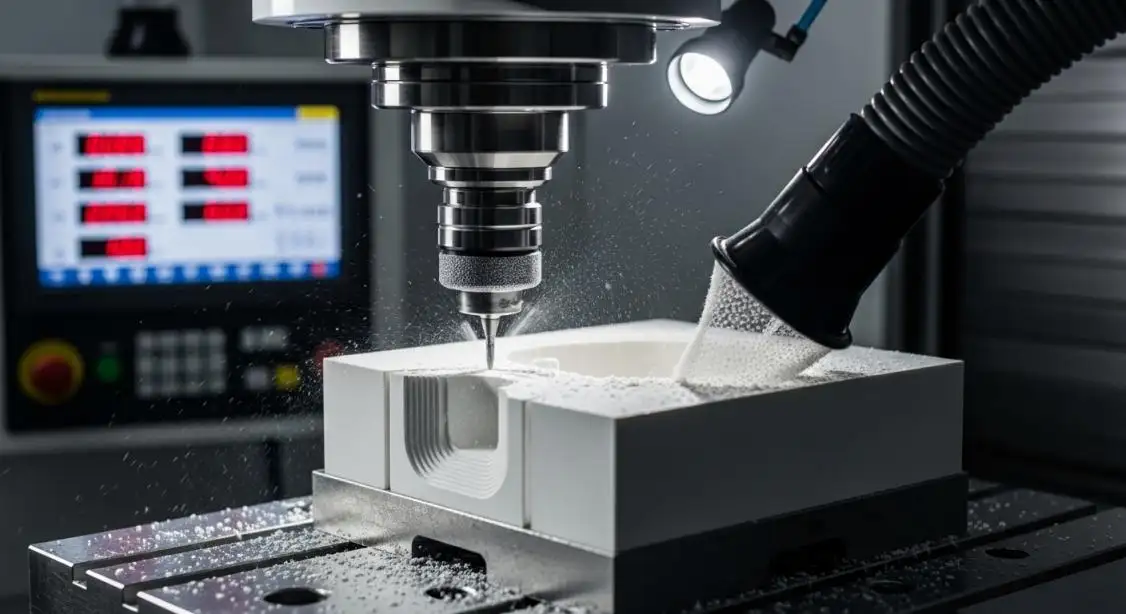

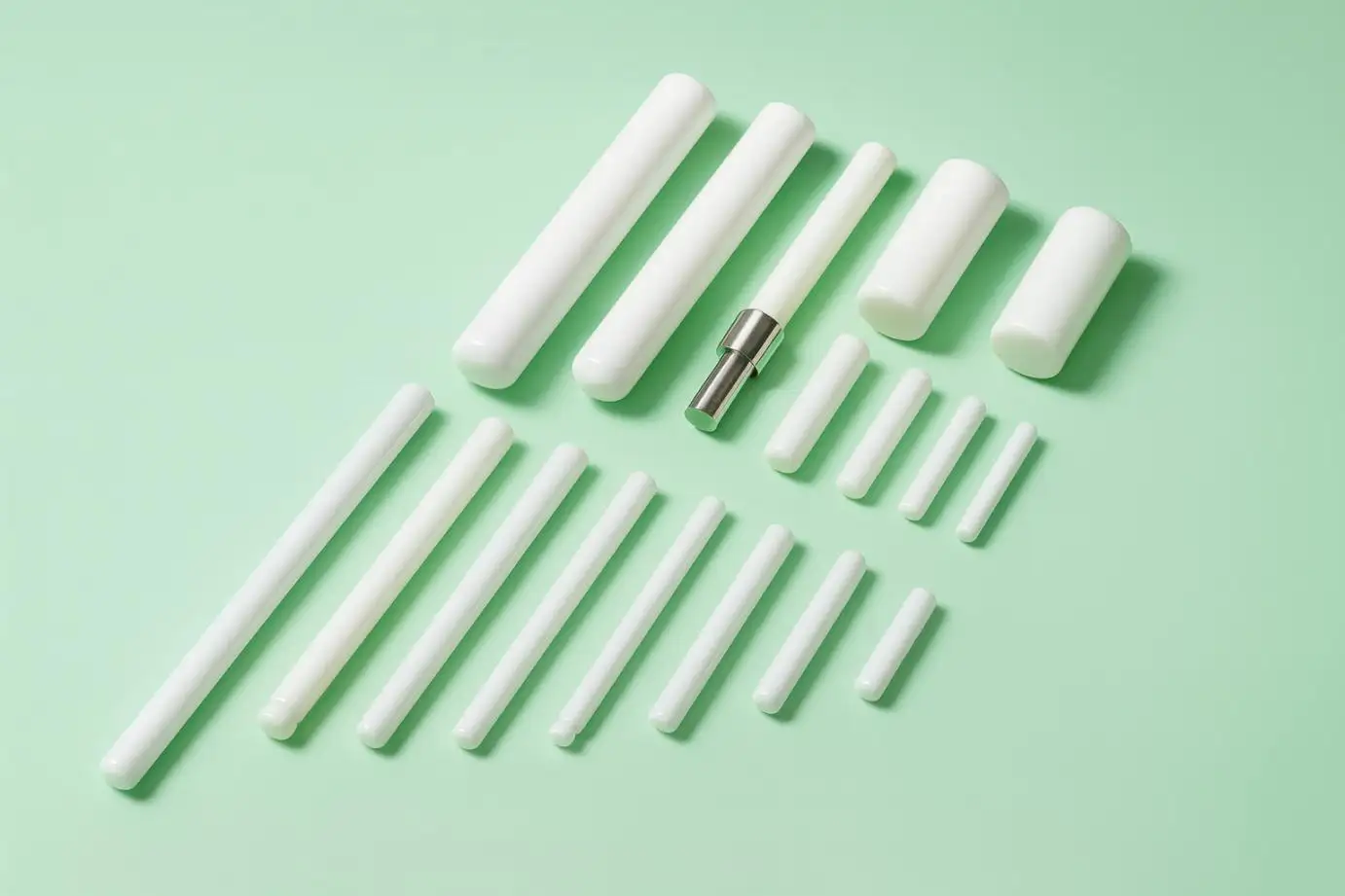
Ceramic Disc selection is not only a purchasing detail. It directly affects sealing stability, wear life, corrosion resistance, and the long-term reliability of the valve system. For buyers in faucets, sanitary fittings, and fluid control equipment, the disc material often decides whether a product performs smoothly after repeated opening and closing, or starts to leak and wear too early.
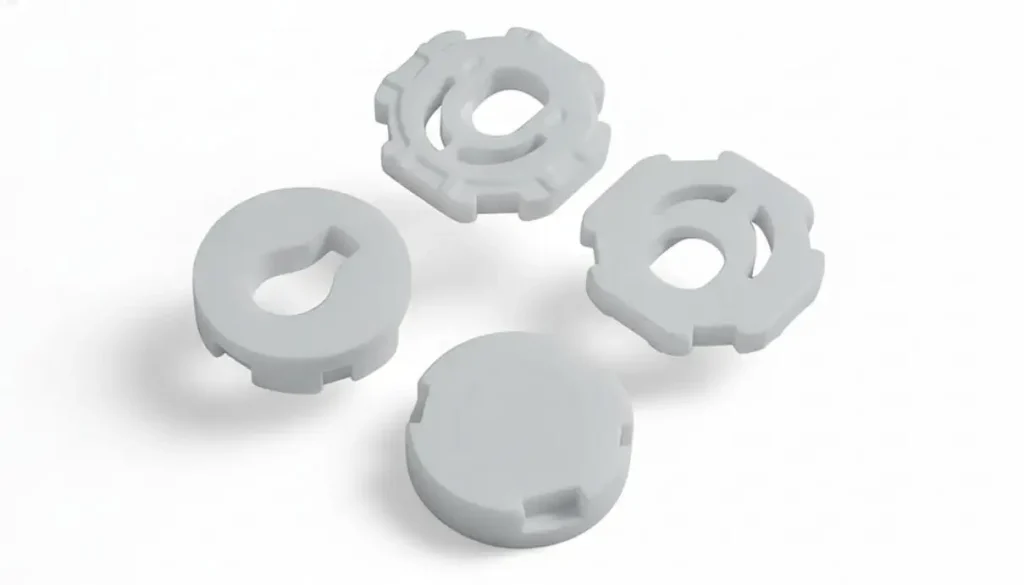
At UPCERA, we see this question often: should a buyer choose alumina, zirconia, or another advanced ceramic option? The right answer depends on service conditions, not on one single property. A good Ceramic Disc must match the pressure level, media type, temperature changes, and sealing design of the application.
What a Ceramic Disc Does in Real Use
In practical terms, a Ceramic Disc works as a precision sealing component. Its surface quality and dimensional accuracy help control leakage, reduce friction, and support stable movement in the valve body. This is why ceramic discs are widely used in water valves and also in more demanding flow-control systems.
For buyers, the main performance goals are clear:
• Smooth sealing contact
• Low wear during repeated operation
• Resistance to corrosion from fluid media
• Stable dimensions under temperature variation
• Consistent quality from batch to batch
These points may sound basic, but they are exactly what determine product life in daily service. A poorly matched disc material can increase wear, damage the sealing face, or reduce operating consistency.
Why Alumina Ceramic Disc Remains a Strong First Choice
For many water valve and sanitary applications, alumina remains a very practical Ceramic Disc material. It is widely used in technical ceramics because it offers a strong balance of hardness, mechanical strength, corrosion resistance, and cost-to-performance value. Morgan Technical Ceramics describes alumina as the most widely used technical ceramic material and highlights its hardness, wear resistance, elevated-temperature stability, and long service life in demanding environments.
This is one reason alumina ceramic water valve discs continue to perform well in mainstream valve products. KYOCERA's published data lists 99% alumina at about 15.2 GPa Vickers hardness, and notes that extreme hardness is a core reason advanced ceramics show strong wear resistance. The same source also links hardness-based performance to pump parts, seal rings, bearings, and other wear-resistant industrial components.
From UPCERA's manufacturing perspective, alumina is often the right choice when buyers need:
• High hardness and wear resistance
• Smooth sealing surfaces
• Good corrosion resistance
• Stable service under frequent switching
• Practical cost control for volume production
For many buyers, this combination is more important than choosing the most premium material on paper.
When Buyers Should Consider Zirconia Ceramic Disc
Not every application should default to alumina. In some systems, zirconia is worth serious attention. KYOCERA states that zirconia has higher strength and fracture toughness than alumina, along with good wear resistance and an excellent surface finish for sliding parts. That matters when the Ceramic Disc must handle higher mechanical stress, more complex loading, or greater shock risk during operation.
There is also a chemical and process-side advantage in harsher media. Morgan Technical Ceramics notes that zirconia valve components are used in corrosive and abrasive flows, including chemical processing and other demanding environments, because of their combination of toughness, chemical resistance, abrasion resistance, and cavitation resistance.
In short, zirconia may be the better Ceramic Disc choice when the buyer is dealing with:
• More aggressive media
• Higher impact or fracture risk
• Severe wear conditions
• More demanding industrial valve duty
For standard water control products, alumina is often enough. For harsher process conditions, zirconia may offer better security.
What Buyers Should Check Before Ordering Ceramic Disc
A sound buying decision should begin with application logic. Buyers should not choose only by material name. They should ask how the Ceramic Disc will actually work inside the valve.
At UPCERA, we recommend checking five points first. The first is the working medium. Clean water, chemicals, slurry, and steam do not place the same demands on the disc. The second is wear mode. Some valves face repeated sliding wear, while others face abrasive particles. The third is thermal variation. If temperatures change often, dimensional stability matters more. The fourth is surface finish and sealing precision. Even a strong material can fail if flatness and matching accuracy are poor. The fifth is geometry. Custom hole patterns, special shapes, and tight tolerances often matter as much as the ceramic grade itself.
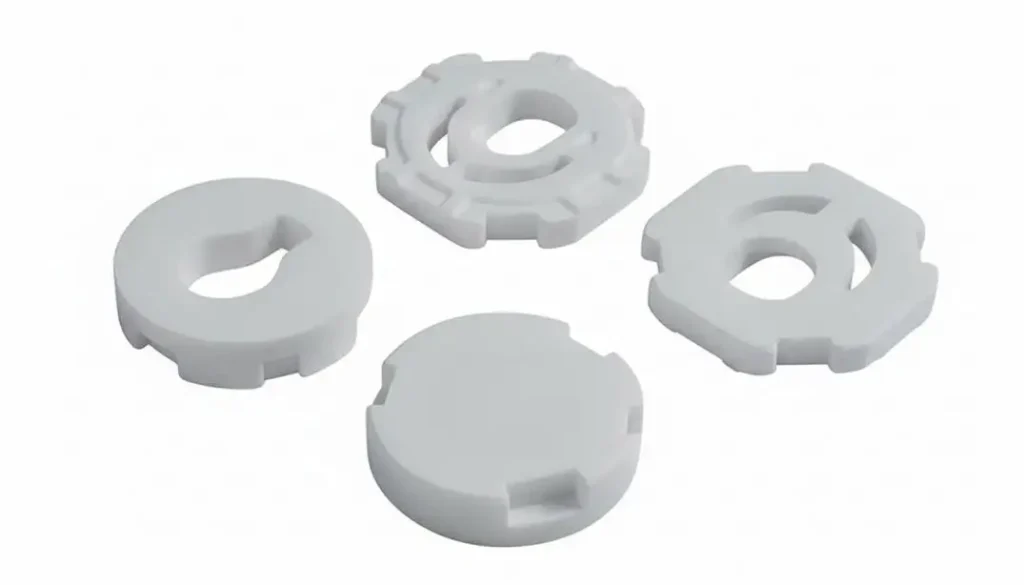
This is why UPCERA does not treat Ceramic Disc supply as a simple commodity order. Our alumina ceramic water valve discs are designed for precision use, with custom shapes and hole patterns available to support different sealing structures and assembly designs.
How UPCERA Supports Better Ceramic Disc Selection
From a manufacturer's view, the best Ceramic Disc is the one that fits the real application. That is the principle behind our material and machining approach. We focus on precision ceramic machining, dependable surface quality, and practical technical communication with clients during drawing review and specification confirmation. For buyers, that means a more reliable sourcing process:
• More suitable material matching
• Better consistency across finished products
• Support for custom dimensions and hole configurations
• Increased confidence before large-scale production
If your team is evaluating Ceramic Disc options for water valves or fluid control products, UPCERA can help you compare alumina and zirconia based on your operating environment. Contact us to discuss material selection, dimensions, sealing surface requirements, and custom production plans.
Share on Social:


