 English
 中文
中文







Ceramic Pump Plunger Selection In 2026: How To Match Specs To Real Pump Conditions
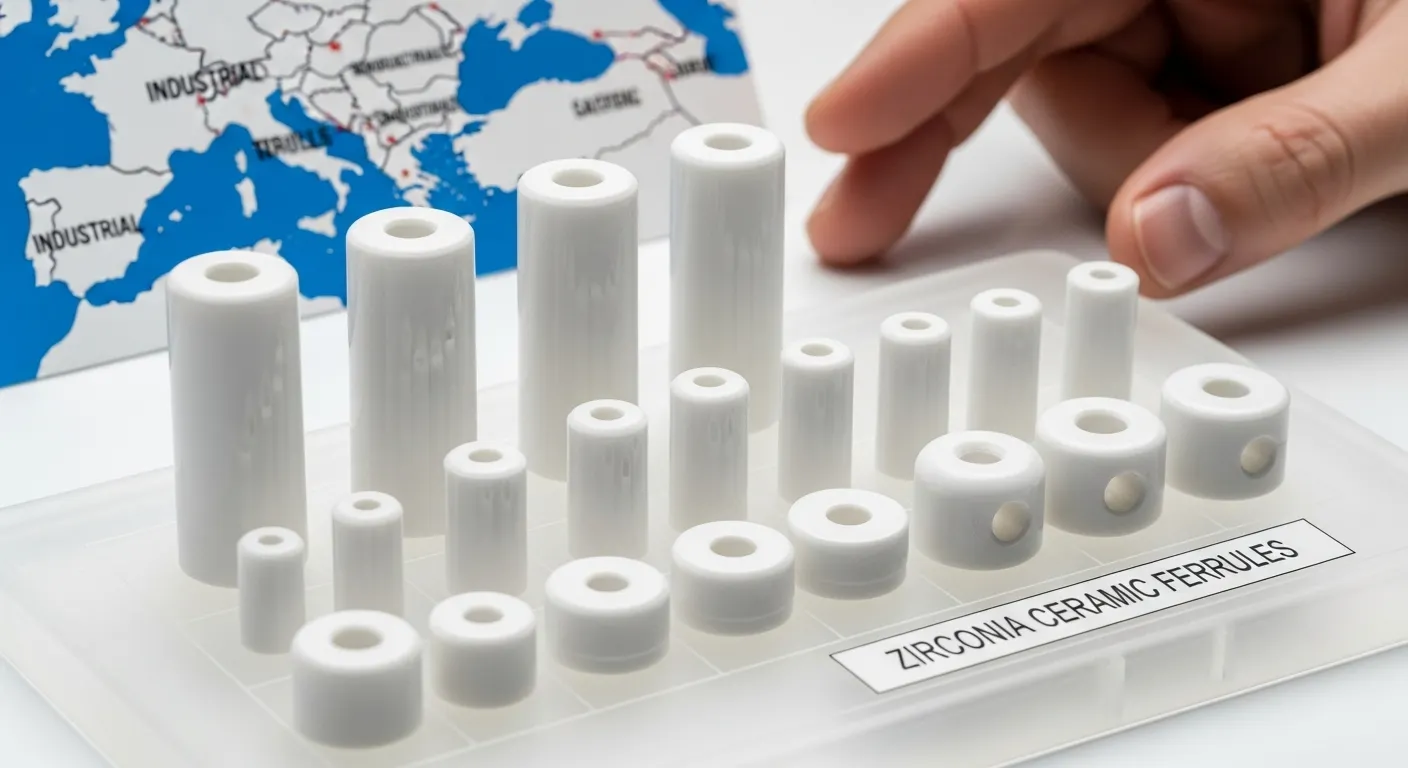
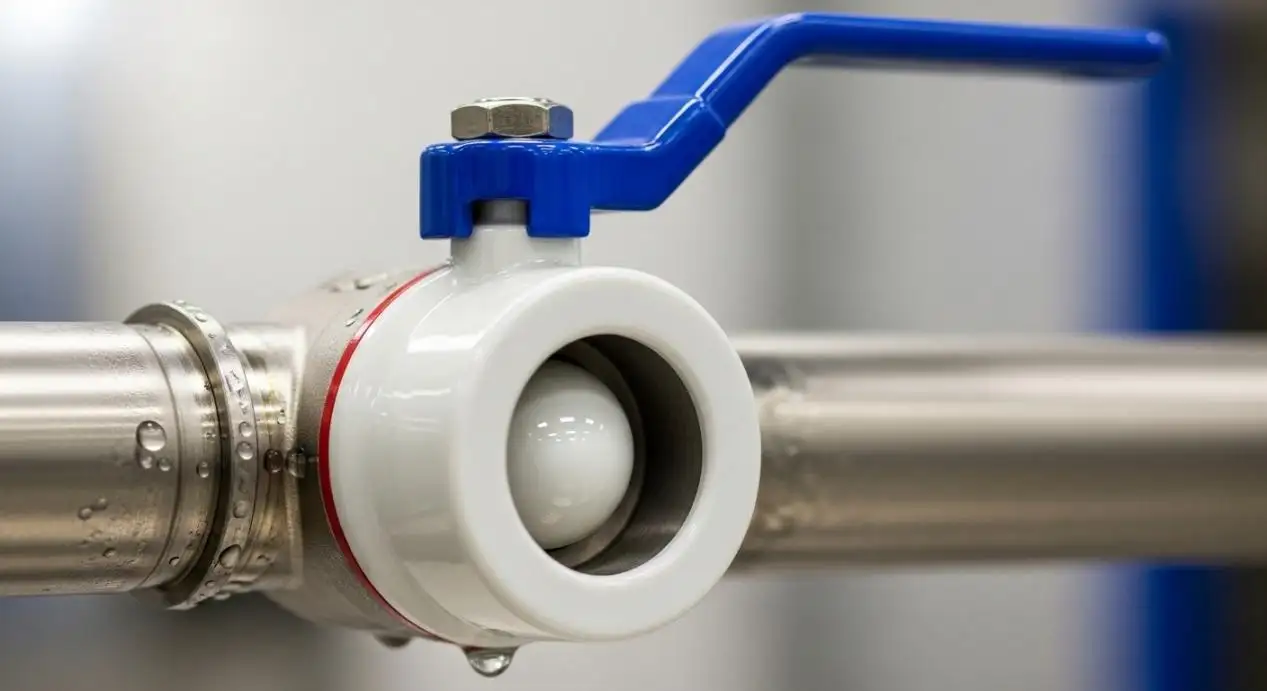
Ceramic Pump Plunger selection in 2026 is less about “choosing the hardest part” and more about matching your specs to real pump behavior, real fluids, and real tolerance limits. From UPCERA’s manufacturing perspective, the right Ceramic Pump Plunger reduces wear at the sealing pair, helps stabilize dosing accuracy, and protects the full pump assembly across long cycles. When specifications are vague, the plunger often becomes the hidden variable that changes flow, increases friction, and shortens seal life.
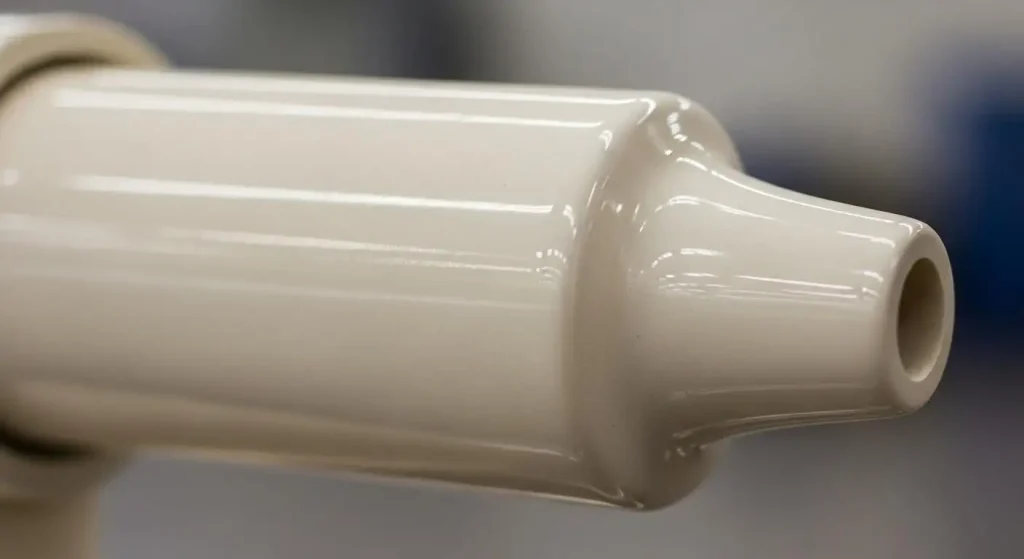
Below is a practical, buyer-friendly guide to selecting a Ceramic Pump Plunger with the right structure, dimensions, precision metrics, and finish—especially when your system is compact, high-cycle, or contamination sensitive.
Start With The Plunger Type: Why Blind-Hole Structure Matters
A Ceramic Pump Plunger can be solid or hollow, and that decision is not cosmetic. It changes mass, stiffness, and how the drive system “feels” during high-frequency motion. For compact systems with precision drive assemblies, UPCERA often recommends a zirconia blind-hole plunger, which uses a sealed-end hollow structure.
The blind-hole design reduces mass while keeping the strength needed for high-pressure or high-cycle motion. In practical terms, lower mass can improve response in a precision actuator, reduce inertial load, and help the pump maintain stable control at small stroke lengths. It can also be a clean integration route when you need tight packaging space without sacrificing durability.
When blind-hole structure is often preferred:
• Compact pumps where weight and dynamic response matter
• Dosing devices that rely on stable, repeatable micro-motion
• Precision assemblies that benefit from easier mounting integration
A Ceramic Pump Plunger is not only a wear part. It is also a moving “reference surface” for sealing and metering. When you reduce unnecessary mass, you often reduce vibration, overshoot, and micro-instability in the motion profile—especially in systems designed for repeatable micro-flow.
Define the Working Environment: Fluid, Pressure, and Thermal Cycling
Before you lock any Ceramic Pump Plunger dimensions, define the working environment it will live in. This step prevents costly over-specification, and it also prevents hidden failure risk.
Zirconia is widely used for Ceramic Pump Plunger applications because it offers high hardness, corrosion resistance, and stable performance in challenging media. If your pump handles abrasive or reactive fluids, chemical stability is not a marketing phrase. It is what protects surface finish and dimensional accuracy over time. Once surface quality degrades, sealing performance typically changes first, and the system may compensate with higher drive force, higher heat, or higher leakage.
Thermal cycling is another common factor. Even if the pump is not “hot,” repeated temperature changes from start/stop cycles can shift clearances and seal compression. A Ceramic Pump Plunger that stays dimensionally stable across temperature variation helps maintain sealing behavior, consistent friction, and predictable flow.
From a buyer’s perspective, the goal is simple: the Ceramic Pump Plunger should not become the variable that changes your output. If your pump is designed for consistency, the plunger material choice and structure must support that consistency under real conditions—not just ideal lab assumptions.
Choose the Right Size Window: Length, OD, and Wall Thickness
Sizing is where many first-time buyers lose time. They focus on one number—often outer diameter—and ignore how dimensions interact with stiffness, mounting, and tolerance control. A Ceramic Pump Plunger is a system component. Its size must match the drive interface, the sealing geometry, and the housing constraints.
UPCERA’s zirconia blind-hole plungers typically support a length up to 300 mm and an outer diameter up to 150 mm. These ranges are useful for both compact devices and larger precision pump layouts. The more advanced conversation is wall thickness. The blind-hole structure requires thoughtful design so the hollow section reduces weight without compromising strength under cyclic load.
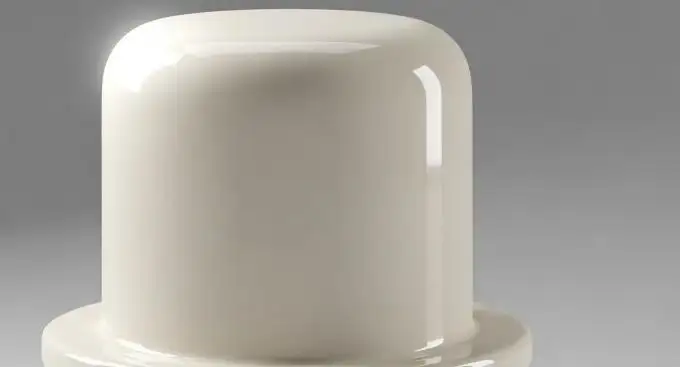
A key reference point is that minimum wall thickness can reach 0.1 mm in suitable designs and processes. Not every application should push that limit. In most pump systems, a slightly thicker wall provides more robustness against impact, side loading, assembly stress, and unexpected pressure spikes. The “right” Ceramic Pump Plunger spec is the one that balances weight reduction with a real safety margin.
Practical sizing checklist:
• Confirm stroke length and drive interface first
• Set OD based on sealing geometry and housing constraints
• Select wall thickness based on load, not only weight goals
If your system experiences any misalignment risk—long stroke, flexible mounting, or frequent starts/stops—treat stiffness as a functional requirement. A Ceramic Pump Plunger can be extremely precise, but precision only matters if motion stays aligned and predictable in the real assembly.
Focus on Precision Metrics That Protect Sealing and Flow
For a Ceramic Pump Plunger, precision is not abstract. It directly impacts sealing, friction, leakage control, and dosing repeatability. That is why tolerances should be specified as functional requirements, not as “nice-to-have.”
In high-precision pump assemblies, UPCERA commonly controls geometric metrics such as:
• Roundness: 0.002 mm
• Concentricity: 0.002 mm
• Straightness: 0.004 mm
• Perpendicularity: 0.005 mm
For beginners, the meaning is straightforward: these numbers help ensure the plunger travels along a predictable path. A Ceramic Pump Plunger that is round and concentric reduces uneven contact and localized wear. Better straightness supports smoother sliding and lowers the chance of micro-jamming in longer-stroke layouts. Controlled perpendicularity helps the plunger seat correctly at the drive interface, reducing side loads that quietly shorten service life.
If your performance depends on stable micro-flow, these tolerance metrics are not optional. They are the foundation of repeatability, and repeatability is the main reason buyers choose a Ceramic Pump Plunger in the first place.
Specify Surface Finish: Lower Friction, Lower Contamination Risk
Surface finish is one of the most cost-effective performance upgrades you can specify, because it influences efficiency, heat generation, seal wear, and cleanliness behavior. UPCERA’s zirconia blind-hole plungers can achieve surface roughness from Ra 0.02 to Ra 0.2, depending on geometry and process planning.
A smoother Ceramic Pump Plunger surface reduces friction and can reduce wear on mating parts. It also supports cleanliness-sensitive systems where contamination risk must be controlled. In medical pumps, analytical instruments, semiconductor-related equipment, high-purity chemical dosing, or lab automation, a smooth zirconia surface can support stable operation and easier cleaning behavior.
However, surface finish should match your sealing strategy. Some seal materials and lubrication conditions perform best with a defined roughness range, not necessarily the lowest Ra. The “best” Ceramic Pump Plunger surface is the one that fits your seal pair and your fluid, not the one with the smallest number on paper.
When to request tighter surface finish targets:
• High-purity fluids and contamination-sensitive processes
• High-cycle dosing where friction heat can build up
• Systems where seal life is a key cost driver
If you are unsure, specify the performance goal (leakage target, service life expectation, cleanliness requirement), then let the manufacturer propose a practical Ra window that aligns with your seal material and operating cycle.
A Ceramic Pump Plunger performs best when it is specified around functional outcomes—flow stability, seal protection, lifecycle cost, and controllable maintenance. UPCERA’s zirconia blind-hole plungers convert ceramic performance into practical advantages for the full pump assembly:
• High toughness/strength → improved resistance to fatigue cracking during high-cycle operation
• Wear/abrasion resistance → reduced surface degradation and longer replacement intervals
• Blind-hole design → reduced inertia and improved dynamic tracking in precision drives
• Chemical/thermal stability → more consistent dimensions, friction, and sealing across harsh media and temperature variation
• Low-friction polished surface → lower drag, lower heat build-up, and less mating-part wear
• High-precision machining → supports tight roundness/concentricity and complex interfaces for advanced designs
This performance profile is common in medical dosing, chemical/pharma metering, semiconductor processing, lab automation, fuel injection, and high-resolution printing systems. The shared requirement is consistency: consistent motion and consistent fluid control, even under harsh operating conditions.
When you are ready to lock a custom Ceramic Pump Plunger specification, avoid sending only a drawing with OD and length. Include the conditions that determine failure modes: fluid type, abrasives, pressure spikes, thermal cycling, duty cycle, and seal strategy. Those details allow a manufacturer to propose the safest structure and the most cost-effective tolerance and finish package.
CTA (Call-to-Action)
Specifying a Ceramic Pump Plunger for a 2026 project? Contact UPCERA with your pump type, fluid, operating range, and target dimensions/tolerances. We will recommend a zirconia blind-hole plunger spec that fits your system and timeline.


In This Article
- 1 Start With The Plunger Type: Why Blind-Hole Structure Matters
- 2 Define the Working Environment: Fluid, Pressure, and Thermal Cycling
- 3 Choose the Right Size Window: Length, OD, and Wall Thickness
- 4 Focus on Precision Metrics That Protect Sealing and Flow
- 5 Specify Surface Finish: Lower Friction, Lower Contamination Risk
