 English
 中文
中文







What Wear-Resistant Ceramics Do Beyond Metals And Plastics?
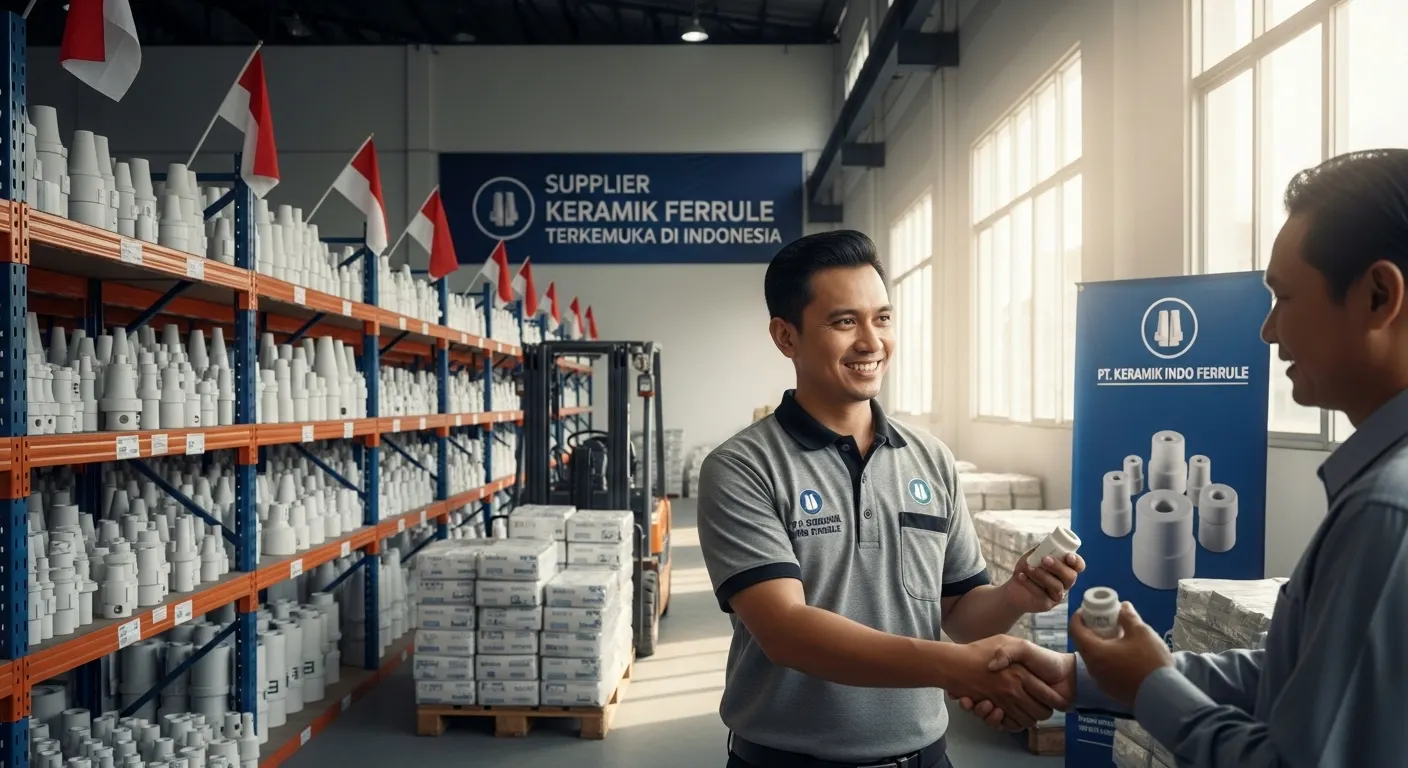
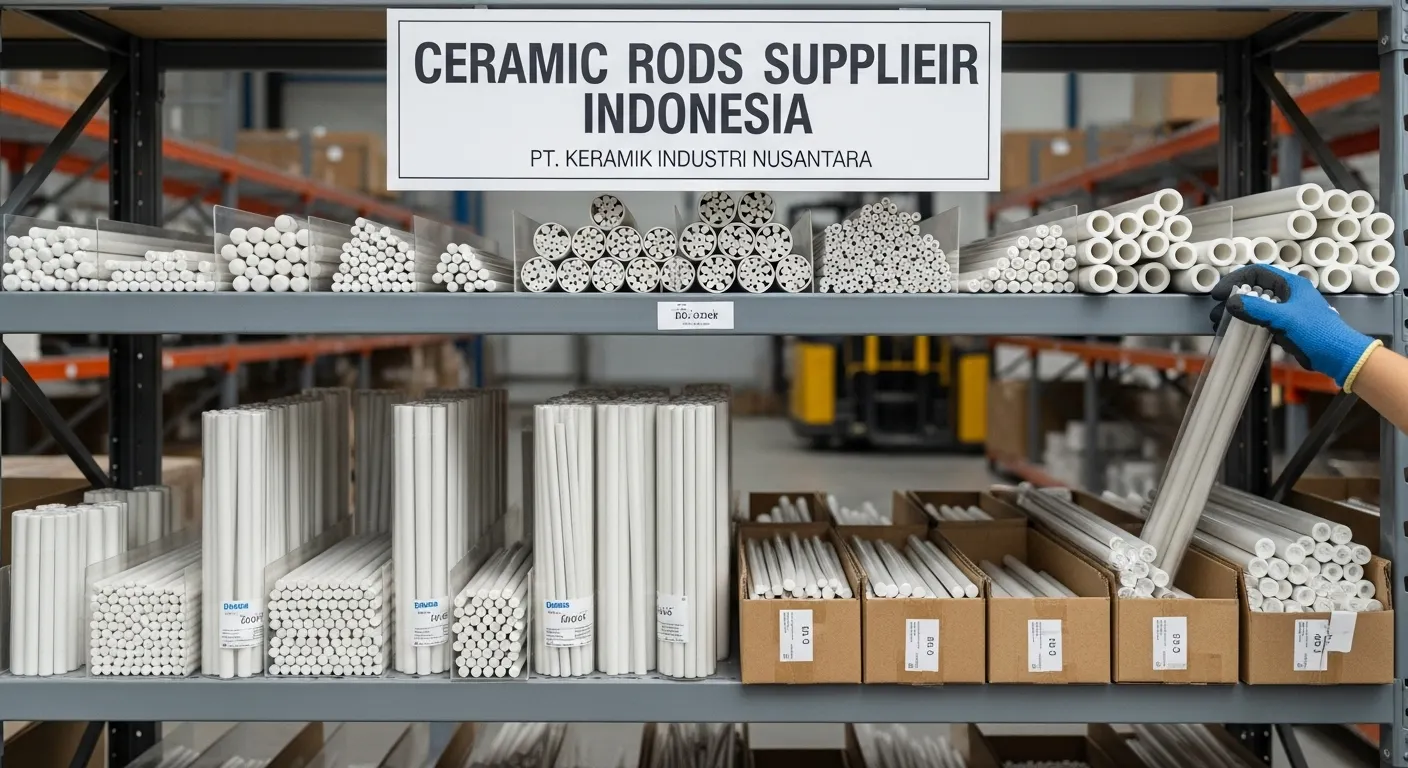
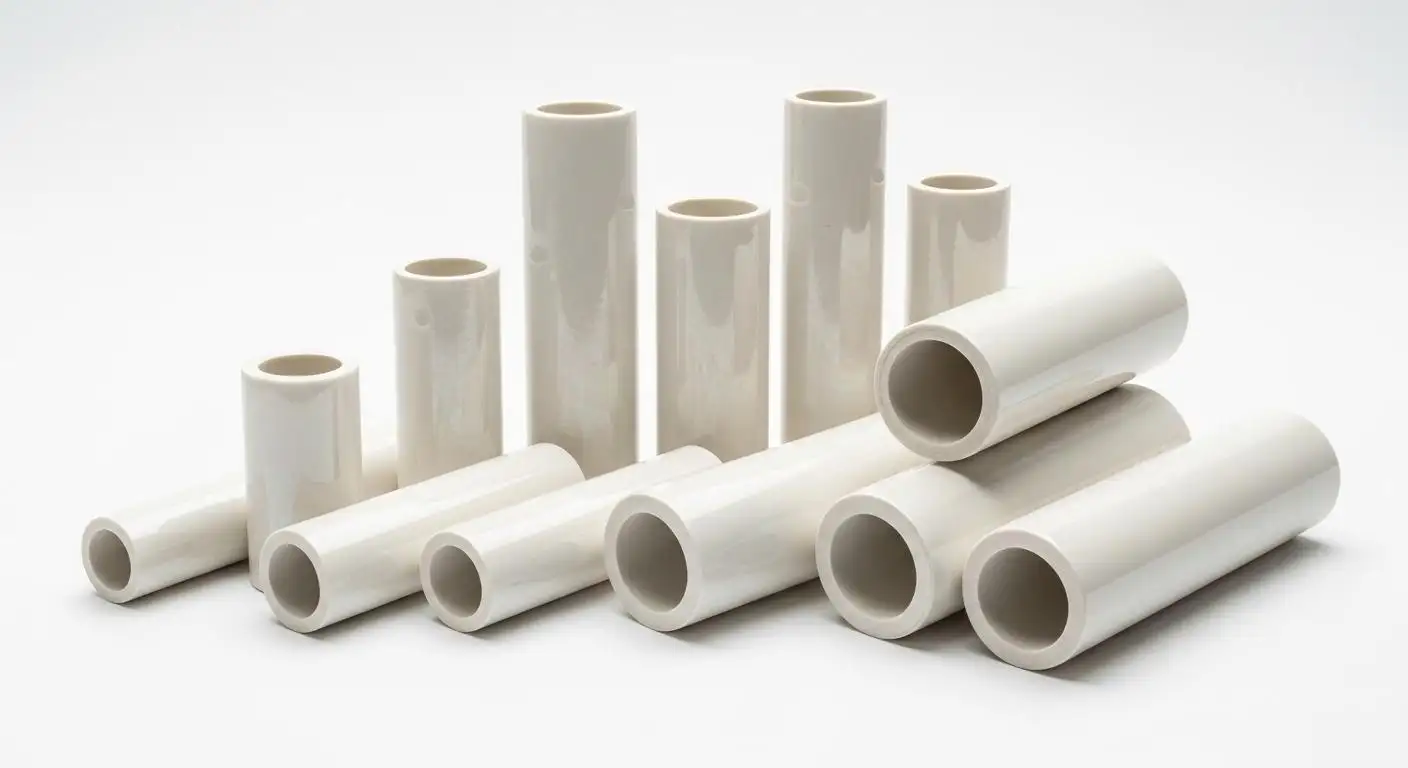
Wear-Resistant Ceramics are often the first upgrade engineers consider when metals and plastics wear out too fast, deform under heat, or fail in corrosive media. From UPCERA’s manufacturing perspective, these materials are not “exotic” parts for special projects. They are practical engineering solutions for predictable problems: abrasion, temperature drift, chemical attack, and electrical insulation needs.
1) Why Metals and Plastics Hit a Performance Ceiling
Metals are strong and easy to machine, but they can lose performance when friction is continuous, temperatures rise, or chemicals are aggressive. Under sliding wear, a metal surface can gall, smear, and generate debris. In corrosive environments, the surface may pit and weaken. Plastics are lightweight and cost-effective, but they soften at elevated temperatures, creep under load, and can be attacked by solvents. This is why many equipment failures look “sudden” in the field, even though the root cause is gradual wear.
Wear-Resistant Ceramics address these limits by combining several properties in one material system: high wear resistance, high-temperature tolerance, chemical corrosion resistance, insulation, and low thermal expansion. The result is more stable performance over time, especially in processes where downtime is expensive.
2) What Wear-Resistant Ceramics Do Beyond Metals and Plastics
The core advantage of Wear-Resistant Ceramics is not only “hardness.” It is how multiple properties work together in a real assembly. When the contact surface stays dimensionally stable and chemically clean, the whole machine behaves more predictably.
Here are the practical “beyond” benefits many buyers notice after switching:
• Longer Service Life In Abrasive Contact
Ceramics resist micro-cutting and surface fatigue in ways that many metals cannot match in the same condition.
• Stable Geometry Under Heat
Low thermal expansion supports tighter tolerances across temperature swings. This helps maintain sealing, alignment, and repeatable motion.
• Corrosion Resistance That Protects Precision
Ceramics can avoid rust, swelling, or surface dissolution that changes fit and finish in chemical exposure.
• Electrical Insulation With Mechanical Strength
Many ceramics provide insulation while still handling mechanical loads. This is difficult to achieve with metal-based parts.
At UPCERA, we often explain it like this: metals and plastics usually solve one or two problems well, but Wear-Resistant Ceramics can solve a “stack” of problems at once—especially when wear, heat, and corrosion happen together.
3) A Beginner-Friendly Map of Common Ceramic Materials
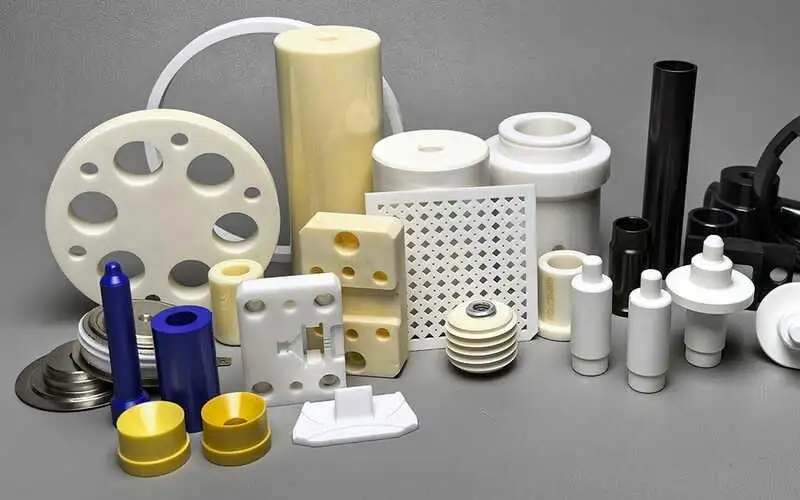
Not all Wear-Resistant Ceramics behave the same. Selecting the right ceramic is closer to material engineering than simple substitution. UPCERA commonly works with several families that cover most industrial needs.
Zirconia and Alumina: Two Workhorse Options
Zirconia is widely used when toughness and reliable surface performance are required. Zirconia is well known for excellent biocompatibility, which explains its broad use in medical and dental products. In industry, zirconia components are often chosen for wear interfaces when crack resistance is essential.
Alumina is a classic engineering ceramic that combines insulation, wear resistance, and chemical stability. It is widely applied in liners, sleeves, and insulating structures where stable surfaces and reliable dielectric performance are required.
For many first-time buyers, comparing Zirconia vs Alumina is a solid starting point. The decision usually depends on how the part is loaded, how it is supported, and whether impact risk is present.
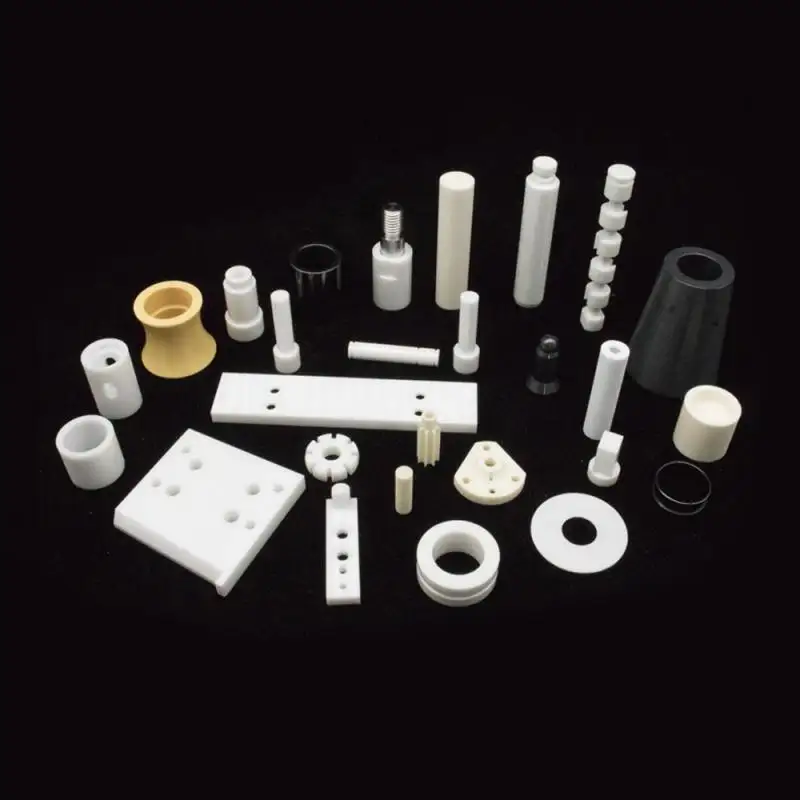
4) Where Wear-Resistant Ceramics Create Real Value in Industry
Wear-Resistant Ceramics can be used in many places, but the best ROI usually appears where wear drives maintenance cycles or quality drift. Below are common application patterns we see.
• Wear Interfaces In Pumps, Valves, And Flow Systems
A stable ceramic surface can reduce erosion and corrosion effects in contact with media, especially when particles are present.
• Sealing And Sliding Components
When low thermal expansion and wear resistance protect the geometry, sealing and sliding performance becomes more repeatable.
• High-Temperature And Thermal-Cycle Zones
Ceramics can keep their functional shape and surface quality where plastics soften and metals distort or oxidize.
• Electrical And Thermal Management Structures
Some ceramic families deliver strong insulation performance and thermal stability, supporting sensitive assemblies.
A practical industry point is this: when a system fails due to wear, you do not only replace a part—you stop production, re-qualify output, and consume labor hours. Wear-Resistant Ceramics often pay back by reducing these hidden costs.
5) How UPCERA Manufactures Reliable Wear-Resistant Ceramics Parts
A ceramic part is only as reliable as its processing. In manufacturing, performance comes from the combination of powder quality, forming control, sintering curves, machining strategy, and inspection standards. Small changes can affect density, surface integrity, and dimensional stability.
At UPCERA, we focus on consistency because most industrial buyers need repeatable outcomes, not one-off samples. A typical engineering workflow includes:
• Application Review And Material Recommendation
We start from wear mode (abrasion, sliding, particle erosion), temperature range, and chemical exposure.
• Design Support For Ceramic Geometry
Ceramics are strong in compression but do not like sharp internal corners or unsupported thin sections. Good geometry reduces risk.
• Process-Controlled Sintering And Finishing
Sintering determines density and microstructure, while finishing determines surface performance in contact zones.
• Inspection For Key Dimensions And Functional Surfaces
For wear parts, flatness, concentricity, and surface condition can be as important as overall size.
This is also where ceramics differ from metals and plastics. With ceramics, “material choice” and “manufacturing route” are inseparable. A correct ceramic grade can still fail if geometry and processing are not matched to the load case.
6) A Practical Selection Checklist and a Clear Next Step
If you are new to Wear-Resistant Ceramics, you do not need to become a material scientist to start. You only need to describe the working conditions in a structured way. That allows UPCERA to recommend a practical ceramic family and a manufacturing approach that fits your timeline.
Here is a simple checklist you can use:
• Operating temperature range and whether thermal cycles are frequent
• Media type (water, oil, solvent, slurry) and any chemical corrosion concerns
• Wear mode (sliding contact, abrasion, particle erosion) and contact pressure estimate
• Part drawing or key dimensions, plus which surfaces are functional
• Installation method and alignment constraints (supported, clamped, bonded, floating)
CTA (Call-to-Action)
If you are evaluating Wear-Resistant Ceramics to replace metal or plastic parts, contact UPCERA with your use scenario and a part sketch or drawing. We will recommend a suitable material option (such as Zirconia, Alumina, Silicon Nitride, or Silicon Carbide), confirm a manufacturing pathway, and provide a clear proposal focused on service life, stability, and cost control—so your upgrade is practical, not experimental.


In This Article
- 1 1) Why Metals and Plastics Hit a Performance Ceiling
- 2 2) What Wear-Resistant Ceramics Do Beyond Metals and Plastics
- 3 3) A Beginner-Friendly Map of Common Ceramic Materials
- 4 4) Where Wear-Resistant Ceramics Create Real Value in Industry
- 5 5) How UPCERA Manufactures Reliable Wear-Resistant Ceramics Parts
- 6 6) A Practical Selection Checklist and a Clear Next Step
