 English
 中文
中文







Ceramic Machining Service: A Practical, Material-First Guide To Reliable Ceramic Parts
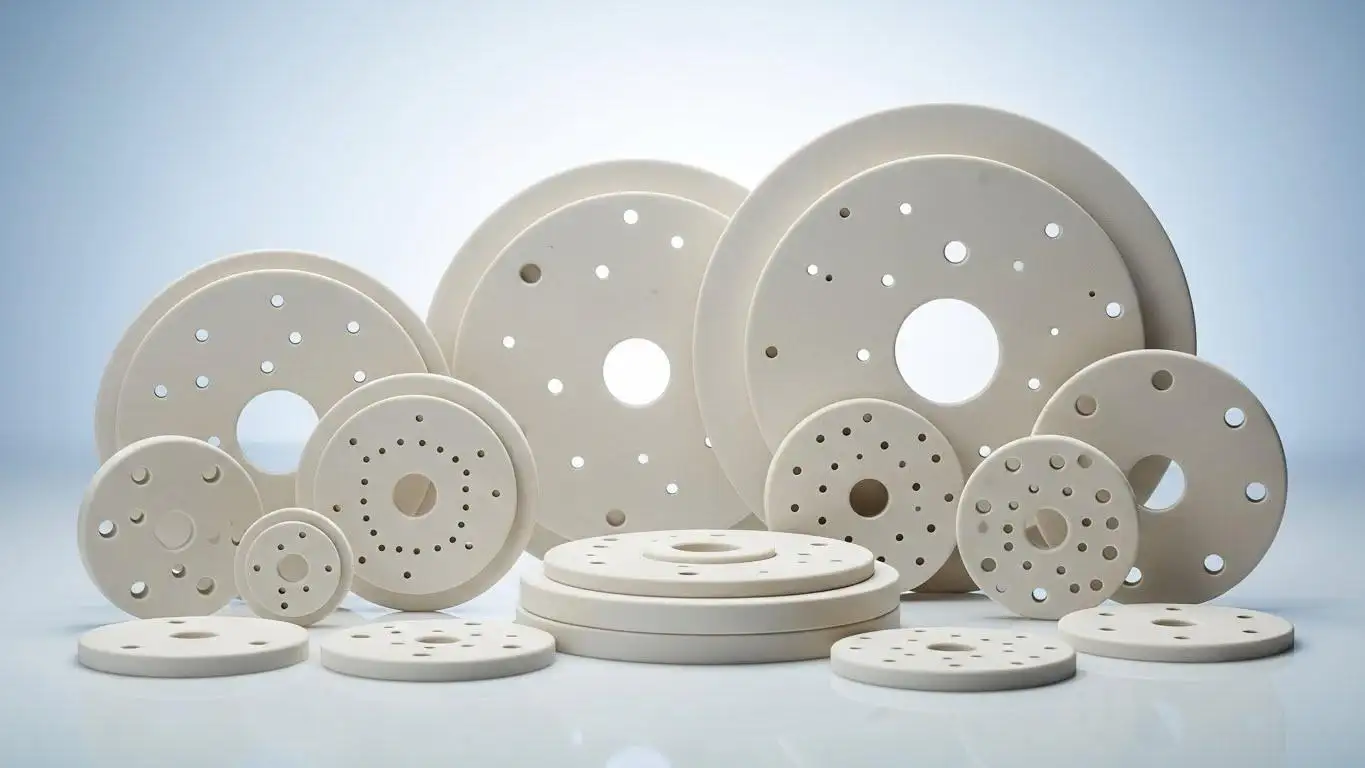

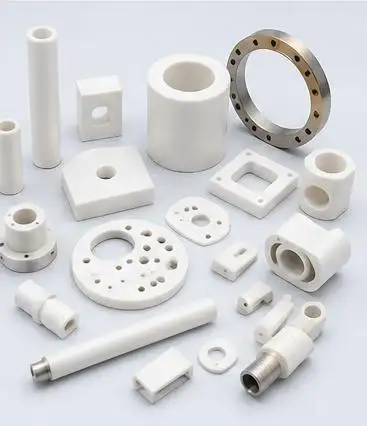
Ceramic Machining Service is often the fastest route to parts that must survive heat, wear, chemicals, or electrical stress—especially when metals or plastics start failing early in real operation. From UPCERA’s manufacturing perspective, the “machining” is only the visible part. The real outcome depends on the full chain: material selection, forming, sintering control, and then precision finishing that protects the ceramic’s structure while meeting the drawing.
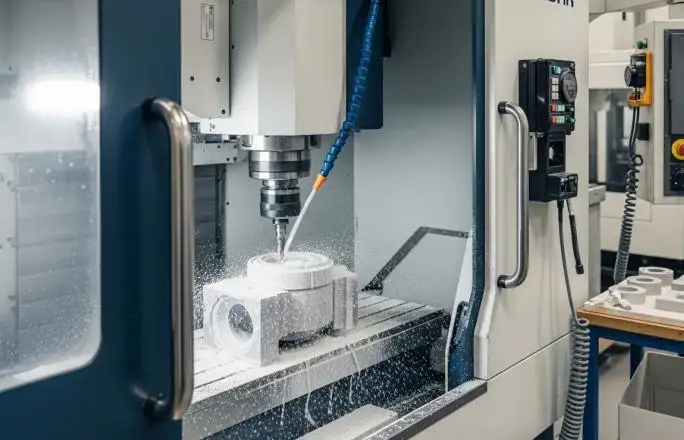
Advanced ceramics reward good process control and punish shortcuts. When the upstream steps are stable, ceramics deliver repeatable performance batch after batch. When upstream control is weak, the same drawing can produce inconsistent fits, unpredictable edge strength, and avoidable scrap. That is why choosing a Ceramic Machining Service partner should be treated as an engineering decision—not a simple per-piece quotation.
What Ceramic Machining Service Really Means
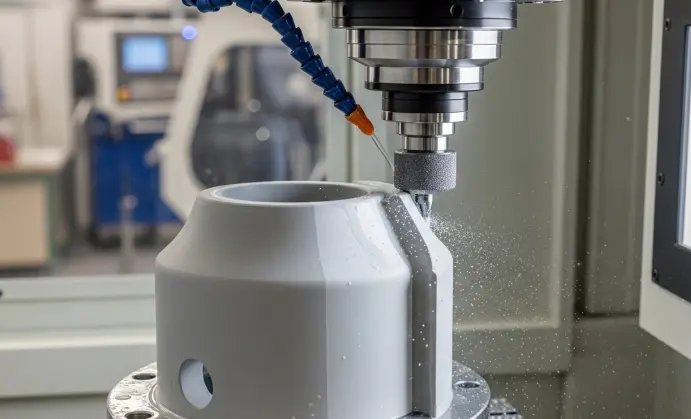
Many teams switch to ceramics after a clear failure mode appears. A steel pin wears too fast. A polymer component creeps under heat. Corrosion starts to change dimensions and creates downtime. A professional Ceramic Machining Service converts ceramic blanks or near-net-shape parts into functional precision components with real features—holes, slots, sealing faces, grooves, alignment steps, and tight-fit interfaces—while keeping the ceramic intact.
Beginners often assume machining alone decides the result. In practice, machining is usually the last precision step. The earlier steps shape what is possible and how stable it will be:
• Powder and formulation choices influence density, grain structure, and final properties.
• Forming methods affect green strength and feature consistency.
• Sintering profiles decide shrinkage behavior, distortion risk, and internal stability.
• Post-sinter handling influences edge condition and micro-damage risk before machining even starts.
If material supply and machining are separated across multiple parties, drawings can bounce back and forth, assumptions get lost, and the risk of mismatch increases. At UPCERA, Ceramic Machining Service is managed inside an integrated workflow that includes material development, powder processing, forming, sintering, machining, and inspection. For customers, this reduces handoff risk and speeds design feedback, because one accountable team can evaluate the part as a system.
Materials: How to Match Properties to Real Use
Different ceramic families are strong in different ways. The right material is not “the hardest one.” It is the one that prevents your main failure mode while still supporting manufacturable geometry and tolerances. A reliable Ceramic Machining Service should help translate application language into material logic.
UPCERA commonly machines zirconia, alumina, AlN, Si₃N₄, SiC, and gemstone materials such as ruby and sapphire. In real projects, material choice is rarely about the material name—it’s about what the part must survive:
• Zirconia (ZrO₂): Pick this when you need more toughness for precision components that may see shock, vibration, or edge loading.
• Alumina (Al₂O₃): Often the default for insulation and wear resistance, especially when cost and scale both matter.
• Aluminum Nitride (AlN): Selected when heat must be transferred away quickly, common in thermal paths and electronic structures.
• Silicon Nitride (Si₃N₄): A strong option for demanding mechanical conditions where thermal stability can’t be sacrificed.
• Silicon Carbide (SiC): Used for aggressive media, high abrasion, and corrosion-heavy environments where rigidity matters.
• Ruby/Sapphire: Best for extreme hardness in small precision features, and for optical applications that require clarity.
Beginner rule of thumb: define the dominant failure mode first, then confirm the environment and interface conditions before finalizing the ceramic. If a ceramic part mates with metal, friction behavior and thermal expansion matching matter. If it sits near electronics, you may need both insulation and controlled heat flow. A Ceramic Machining Service partner should guide these tradeoffs before committing to detailed tolerances.
Where Ceramic Machining Service Delivers the Clearest ROI
Advanced ceramics are not a direct replacement for metals. They are used when stability and lifetime matter more than familiar fabrication methods. Many projects adopt Ceramic Machining Service after repeated replacements, quality drift, contamination risk, or downtime becomes too expensive.
Common high-ROI use patterns include:
• Wear And Friction Interfaces: sleeves, bushings, guides, and sliding surfaces exposed to continuous abrasion.
• High-Temperature Or Thermal-Cycle Areas: parts facing repeated heat cycles where dimensional stability must remain steady.
• Chemical And Corrosion Contact: components operating in aggressive fluids, reactive gases, or frequent cleaning conditions.
• Electrical Insulation And Isolation: fixtures or supports near high voltage, sensors, or sensitive circuits.
• Medical And Bio-Contact Scenarios: applications that require clean performance and stable material behavior.
If you are replacing a metal part, evaluate the entire assembly. Ceramics can dramatically reduce wear and corrosion, but contact area, preload, and mating surface finish still determine service life. In many cases, the best result comes from optimizing both the ceramic part and the interface conditions around it.
What You Can Specify: Standard Forms and Truly Custom Parts
A capable Ceramic Machining Service should handle both common geometries and custom structures, because many ceramic components are created around one “critical function.” Sometimes it is a sealing face. Sometimes it is concentricity. Sometimes it is a micro-groove or an alignment bore that must stay consistent across batches.
UPCERA commonly manufactures:
• Ceramic Sleeves for protection, alignment, and wear control
• Ceramic Ferrules for joining and stable positioning
• Sapphire/Ruby Components for micro-contact, stable wear, or optical features
• Ceramic Rods for structural support, guides, and insulating elements
• Custom Structural Components built to drawings and performance targets
A common sourcing pattern is to begin with one critical part, validate performance, and then expand to other components once the ceramic route is proven. That is why strong Ceramic Machining Service support is not only about production—it is also about iteration: prototype learning, tolerance refinement, and surface requirement tuning without changing the process route unexpectedly.
How UPCERA Reduces Risk: Consistency, Lead Time, and Scale
When buyers choose a Ceramic Machining Service provider, the core concerns are usually the same: consistent quality, lead time control, and the ability to scale without changing performance. UPCERA’s manufacturing model is built around reducing these risks.
Consistency depends on more than a good CNC machine. The real challenge is controlling what you cannot see: density uniformity, microstructure stability, and the process window that keeps edge strength and fit behavior repeatable. UPCERA’s long-term focus on ceramic materials and process optimization helps reduce variation that can appear during scale-up.
Capacity matters the moment a prototype becomes a recurring order. UPCERA operates a professional factory of over 26,000 m², with a monthly output capacity of over 100 million units. For customers, the practical value is stability: after approval, you can keep supply consistent without switching suppliers or changing routes.
Integration matters when drawings evolve. UPCERA’s chain covers design support, powder processing, forming, sintering, machining, and after-sales service. If a tolerance, surface, or inspection method needs adjustment, one accountable team can trace cause and effect across the full process instead of guessing between suppliers.
• Rapid Response Support: UPCERA typically responds within 24 hours to assess feasibility, review requirements, and provide lead time and quotation guidance. This helps engineering and procurement teams move faster during early-stage decision making.
How to Start: A Simple Request Checklist That Speeds Quotation And DFM
If you are new to ceramics, you do not need perfect documentation on day one. You need a clear description of what the part must survive and what features must be controlled. With that, a Ceramic Machining Service partner can propose material candidates and a realistic manufacturing route.
A useful first inquiry usually includes:
• 2D/3D Drawing File with critical dimensions and tolerances clearly marked
• Use Priority (wear, heat, corrosion, insulation, or heat dissipation)
• Operating Conditions (temperature range, contact media, load type, duty cycle)
• Quantity Plan (prototype, pilot, and monthly demand estimate)
• Inspection Expectations (reports, measurement methods, or customer standards)
If possible, also share interface details such as mating material, assembly preload, sealing method, and the type of contact motion. That information helps the Ceramic Machining Service team identify risk points early—edge sensitivity, contact stress concentration, surface finish targets, and manufacturability limits—before time is spent on avoidable iterations.
CTA (Call-To-Action)
If you are evaluating a Ceramic Machining Service for sleeves, ferrules, rods, ruby/sapphire parts, or custom structural components, contact UPCERA with your drawing and application notes. Our team will review material fit (zirconia, alumina, AlN, Si₃N₄, SiC, ruby, sapphire), confirm manufacturability, and provide a cost-effective proposal with a realistic delivery plan—so you can move from concept to stable production with fewer surprises.
Share on Social:


In This Article
- 1 What Ceramic Machining Service Really Means
- 2 Materials: How to Match Properties to Real Use
- 3 Where Ceramic Machining Service Delivers the Clearest ROI
- 4 What You Can Specify: Standard Forms and Truly Custom Parts
- 5 How UPCERA Reduces Risk: Consistency, Lead Time, and Scale
- 6 How to Start: A Simple Request Checklist That Speeds Quotation And DFM
