 English
 中文
中文







What Makes Technical Ceramic Machining “Precision”in 2026?
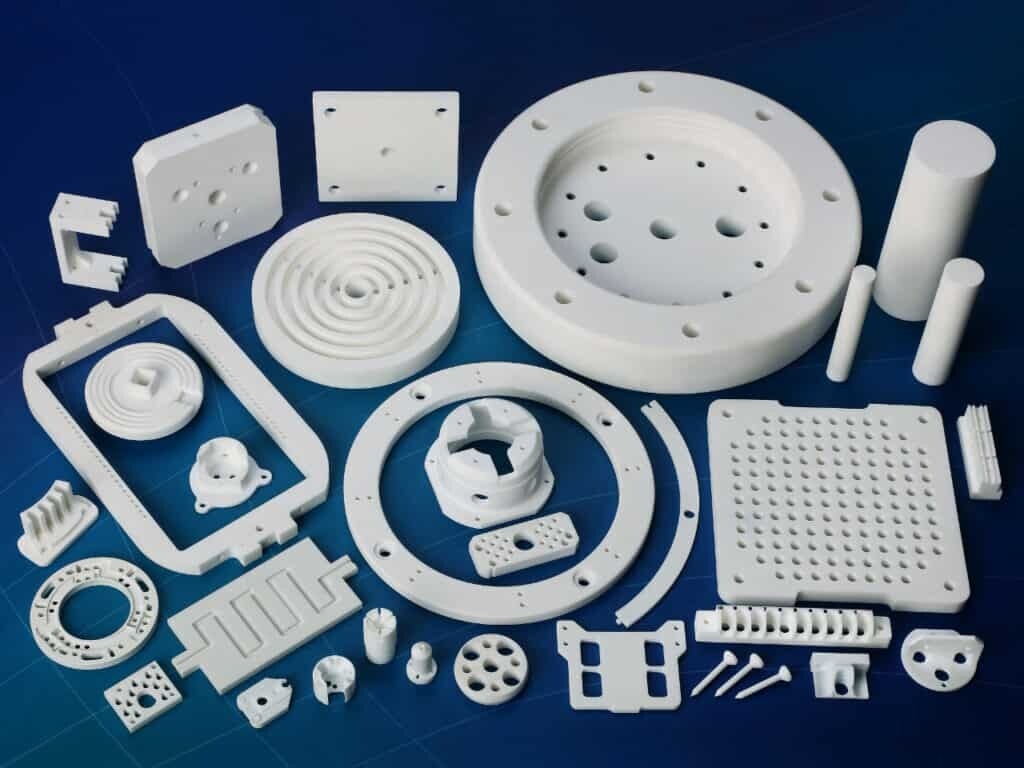
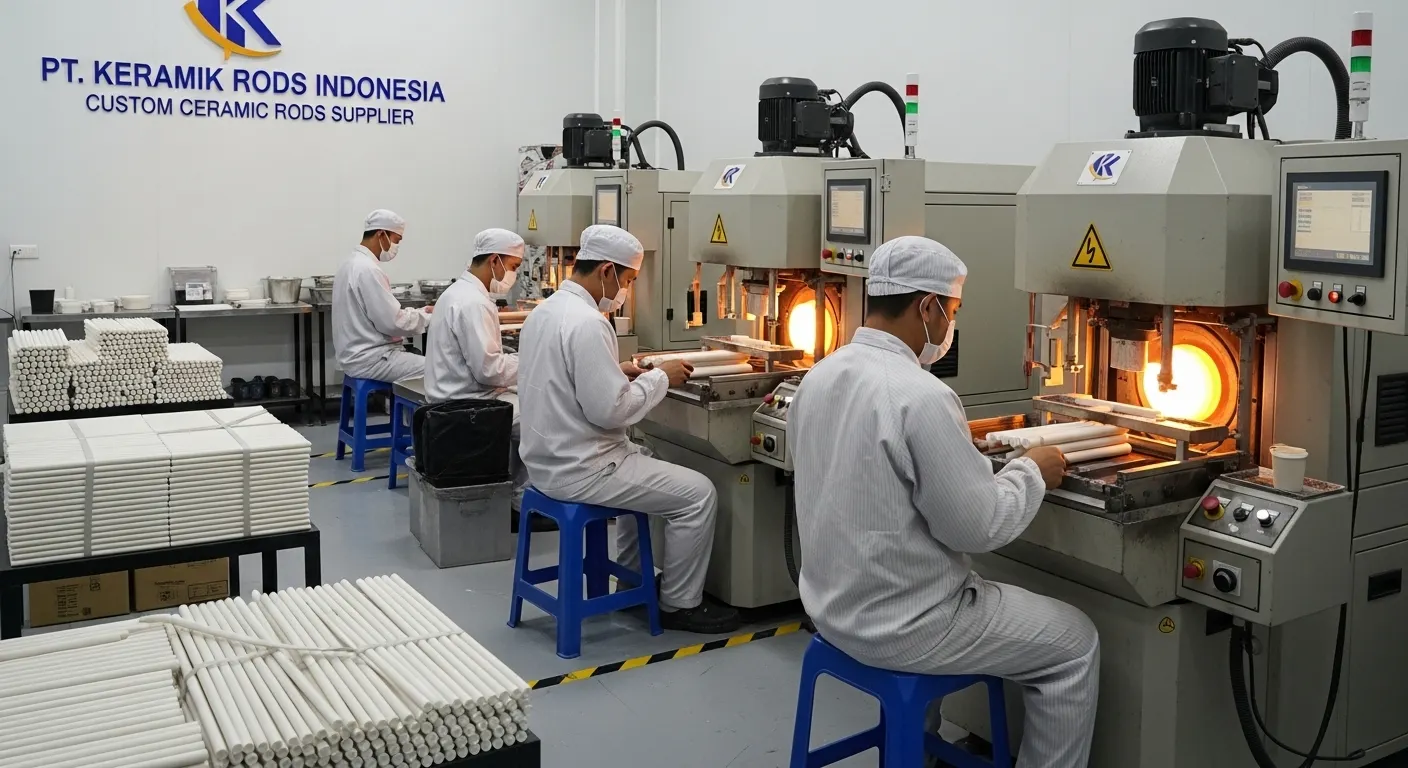
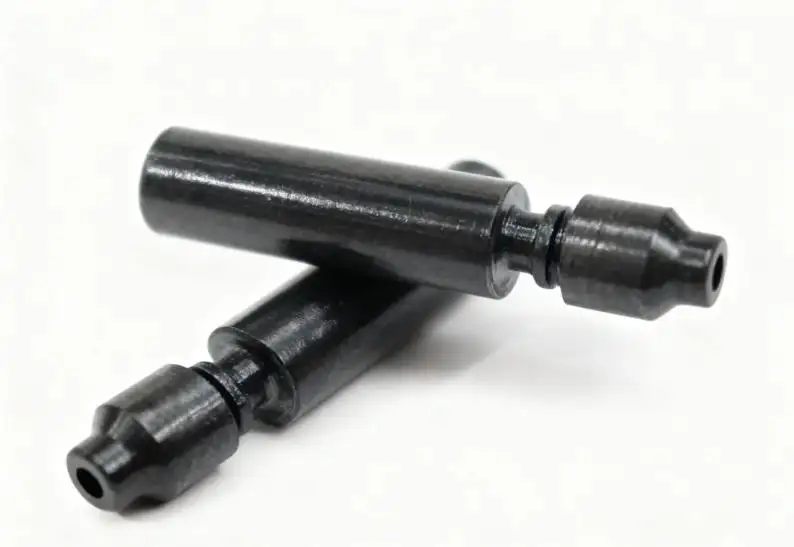
Technical Ceramic Machining in 2026 is no longer a “nice-to-have” process for niche parts. It is a practical manufacturing capability that supports higher data throughput, cleaner semiconductor environments, and longer service life in harsh industrial conditions. From UPCERA’s perspective, “precision” is not one single metric. It is a controlled chain: material selection → stable blanks → machining strategy → inspection → repeatable delivery.
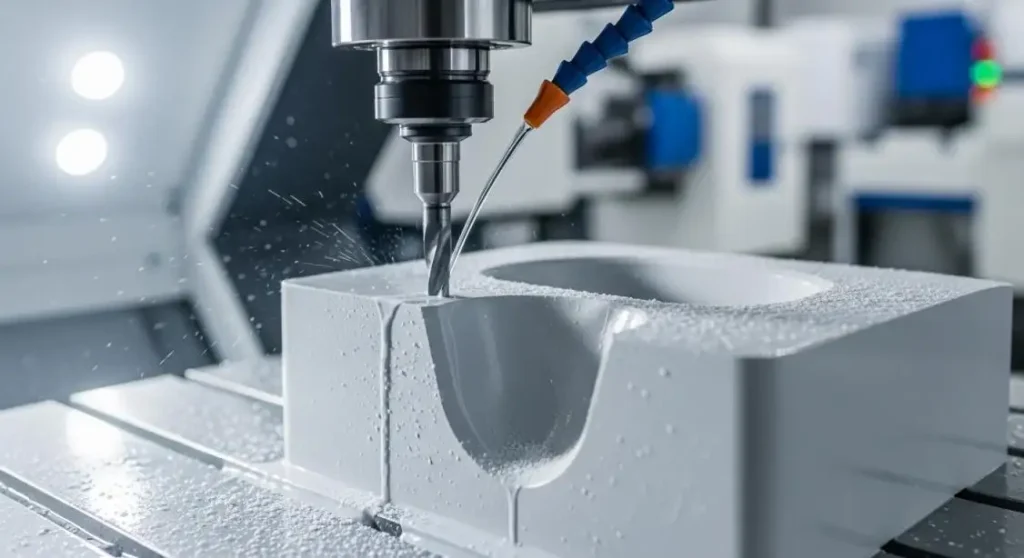
UPCERA was founded in 2003 and became the first company in China to independently develop zirconia ceramic sleeves for optical communication. Today, we supply precision ceramic sleeves and ferrules used in optical connectors, optical modules, computing power centers, and data centers. Since 2017, we have also expanded into custom structural components in zirconia, alumina, silicon nitride, silicon carbide, aluminum nitride, and sapphire/ruby structures—so customers can match material behavior to real operating conditions.
1) Precision Starts Before Machining: Powder, Blanks, and Control
Many beginners think precision begins at the CNC machine. In technical ceramics, precision begins earlier—at the powder stage and the way blanks are formed and sintered. Ceramics do not “forgive” unstable density or micro-cracks. If the blank is inconsistent, the final tolerance and strength consistency become difficult, even with excellent machining.
In May 2018, UPCERA became a wholly-owned subsidiary of Sinocera (stock code: 300285). This matters to customers because it strengthens a full industry-chain layout: powder → blanks → precision processing → service support. When the upstream material and the downstream machining belong to the same controlled system, the result is more stable quality and fewer surprises during qualification.
• A controlled blank reduces hidden risk during grinding and polishing
• Stable material batches make repeat production easier for multi-site programs
• A full-chain approach helps shorten rework loops during engineering changes
2) Material Choice Defines Your “Precision Target” in 2026
In 2026, buyers choose ceramics not only for hardness. They choose ceramics to solve problems that metals and plastics cannot solve reliably: wear, temperature, corrosion, insulation needs, low thermal expansion, and biocompatibility.
At UPCERA, common choices include:
• Zirconia: strong toughness feel in many structural uses, widely proven in sleeves/ferrules and precision components
• Alumina: stable and cost-effective for many insulation and wear applications
• Silicon Nitride / Silicon Carbide: strong candidates for high-wear and high-temperature environments
• Aluminum Nitride: valuable where thermal management and insulation matter together
• Sapphire/Ruby Structures: chosen when optical, wear, or specialty mechanical needs are critical
Precision means different things across materials. For example, a semiconductor fixture may prioritize dimensional stability and particle control. A chemical component may prioritize corrosion resistance and sealing surfaces. A wearable or healthcare part may prioritize biocompatibility and surface finish.
• “Right material” reduces over-design cost
• Correct properties reduce failure risk in real service environments
• Proper selection improves delivery predictability because processes are clearer
3) The Real Workhorse: Grinding, Fixturing, and Surface Integrity
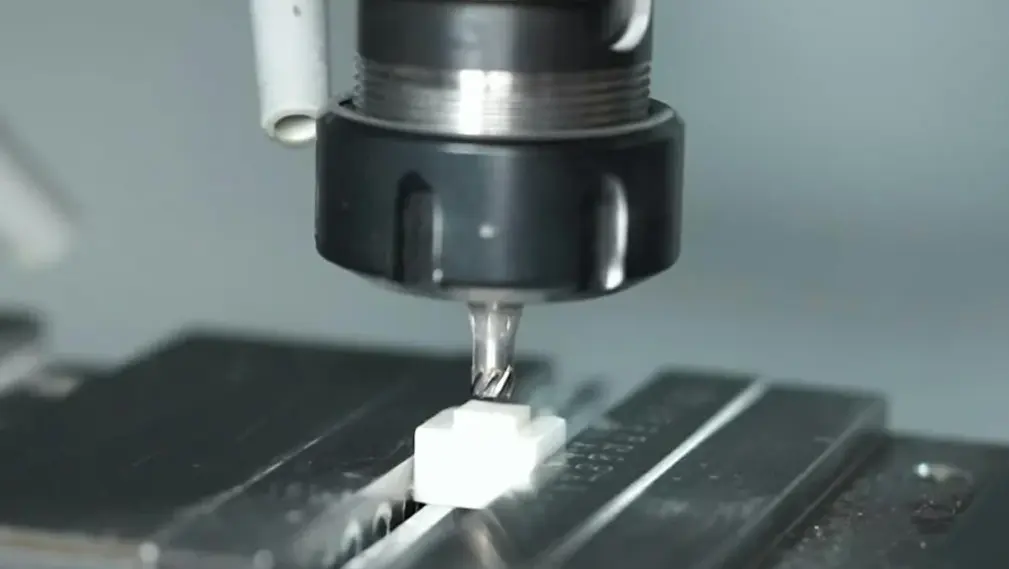
Technical ceramics are hard and brittle. That combination is exactly why they perform well, and exactly why machining must be disciplined. Precision is not only about size. It is also about surface integrity—micro-chipping, subsurface cracks, and edge quality can decide whether a part survives assembly and long-term use.
In practice, Technical Ceramic Machining often relies on controlled grinding and finishing sequences. The key is to match wheel selection, feeds, coolant strategy, and fixturing to the material and geometry. A “fast cut” mindset that works in metal can create invisible damage in ceramics, which later becomes a field failure.
For customers, the benefit of a disciplined process is simple: fewer qualification failures and fewer unstable assembly outcomes. This matters in optical communication parts where alignment stability is critical, and in industrial systems where wear life must be predictable.
4) Repeatability Is a Factory Capability, Not a Single Good Part
A single perfect part is not enough in 2026. Customers need repeatability across lots, shifts, and sometimes across regions. UPCERA operates a professional standard factory with over 26,000 square meters, and our large-scale production lines support a monthly output of over 100 million units. Those figures matter because they reflect process maturity, equipment investment, and stable throughput.
When a supplier can run at scale, they can also build stronger internal controls: batch tracking, SPC habits, standardized work instructions, and stable tool life management. For customers, that usually means faster ramp-up and more confidence in long-term supply.
• Capacity supports stable delivery for high-volume programs
• Mature lines reduce variation between lots
• Scale experience improves cost-performance without sacrificing control
5) Fast Engineering Support Turns “Precision” Into a Practical Project
In real projects, “precision” is often limited by communication, not machines. A drawing may miss a critical note. A tolerance may be tighter than necessary. A surface finish requirement may be unclear. That is why we treat Technical Ceramic Machining as an engineering collaboration, not only production.
UPCERA supports customers during product design and development stages, providing cost-effective ceramic solutions based on application needs. Our R&D capability originates from Tsinghua University’s ceramics expertise, and we have independently developed more than ten categories of ceramic materials. For new designs, this allows faster material recommendation and better process alignment.
We also prioritize responsiveness. We respond within 24 hours to assess custom components, analyze requirements, and provide practical delivery timing and quotations—so customers can keep development schedules moving.
• Faster feedback reduces design iterations
• Clear DFM-style guidance lowers project risk
• Quick response helps buyers hit internal milestones
6) Where Precision Shows Up: Optical, Semicon, and High-End Manufacturing
In 2026, precision ceramics sit quietly inside many “high-profile” systems. Optical communication connectors and modules need stable alignment parts. Computing power centers and data centers rely on reliable connectivity performance. Semiconductor, aerospace, new energy, and chemical systems demand materials that handle harsh environments while keeping dimensional behavior stable.
UPCERA’s products are sold in over 100 countries and regions, and we continue to deepen our focus on precision structural ceramics. For customers, global supply experience can simplify qualification across teams and help with standardized part strategies.
CTA (Call-to-Action)
If your team is evaluating Technical Ceramic Machining for a new drawing or a redesign, contact UPCERA with:
• Your 2D/3D files and key functional surfaces
• Application conditions (temperature, wear, corrosion, insulation needs)
• Target quantity and delivery window
We will recommend a practical material option (zirconia, alumina, silicon nitride, silicon carbide, aluminum nitride, or sapphire/ruby structures), confirm manufacturability, and propose a cost-effective route that supports stable quality in 2026 production.


In This Article
- 1 1) Precision Starts Before Machining: Powder, Blanks, and Control
- 2 2) Material Choice Defines Your “Precision Target” in 2026
- 3 3) The Real Workhorse: Grinding, Fixturing, and Surface Integrity
- 4 4) Repeatability Is a Factory Capability, Not a Single Good Part
- 5 5) Fast Engineering Support Turns “Precision” Into a Practical Project
- 6 6) Where Precision Shows Up: Optical, Semicon, and High-End Manufacturing
