 English
 中文
中文







Why Choose Ceramic Plungers? A Guide to Materials, Precision, Selection and Applications
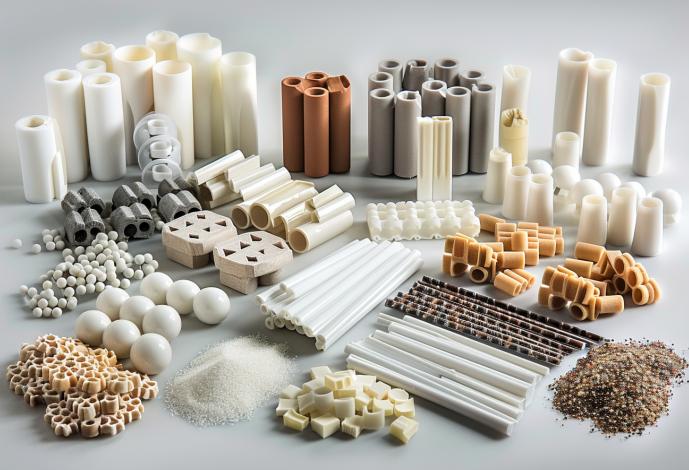
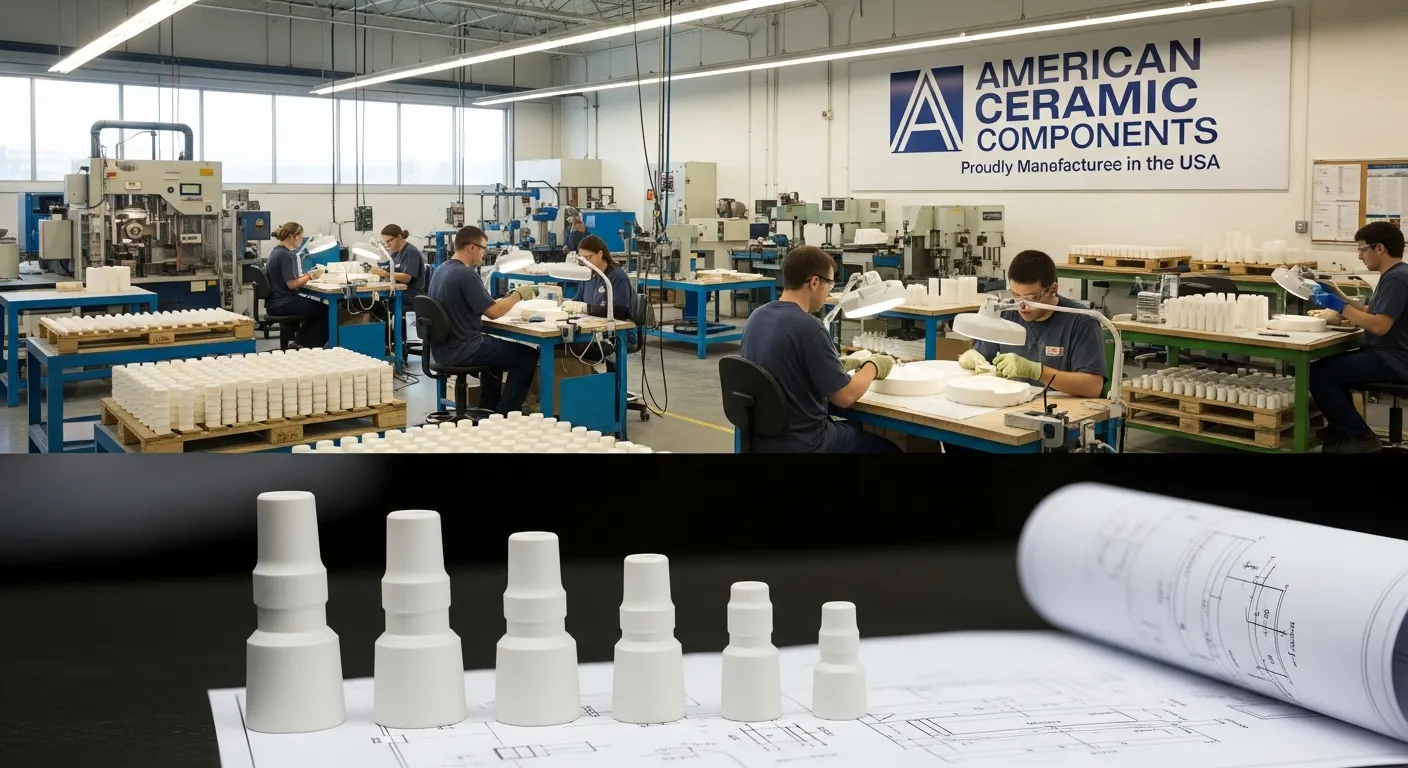
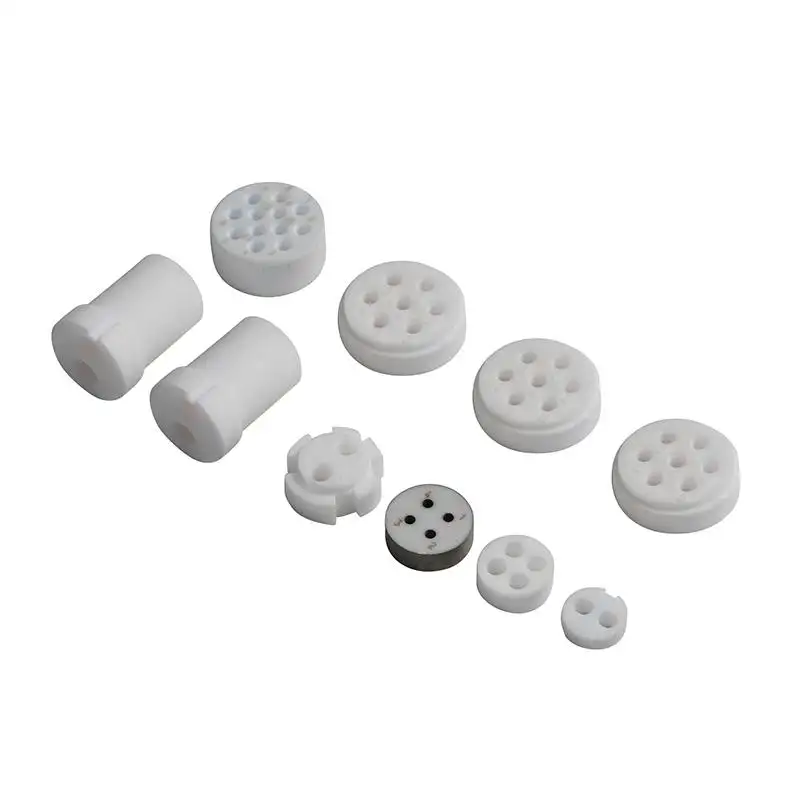
Ceramic plungers are core precision moving components in pump systems. Usually made from advanced ceramics such as zirconia or alumina, these cylindrical shaft-type parts can be produced in solid, hollow, stepped, ball-ended, and through-hole configurations. Their reciprocating motion transfers and pressurizes fluids. High hardness, excellent surface finish, wear resistance, corrosion resistance, rust-free operation, and freedom from metallic contamination make ceramic plungers suitable for high-pressure, acidic or alkaline, and clean-service environments. They are widely used in cleaning equipment, fluid pumps, pharmaceutical and medical systems, and environmental water treatment, offering a high-performance upgrade over conventional metal, plastic, and glass plungers.
Conventional plunger materials have clear limitations. Metal plungers may rust, scale, and wear rapidly, causing fluid contamination and seal failure. Plastic plungers cannot withstand high pressure and may age or deform, making them unsuitable for precision duty. Glass plungers have lower dimensional accuracy, high brittleness, and a greater risk of breakage. Ceramic plungers address these issues at the material level, providing longer service life, more stable operation, and fewer equipment failures and replacement cycles.
1. Ceramic Plunger Structure, Applications and Material Advantages
1.1 Basic Product Structures
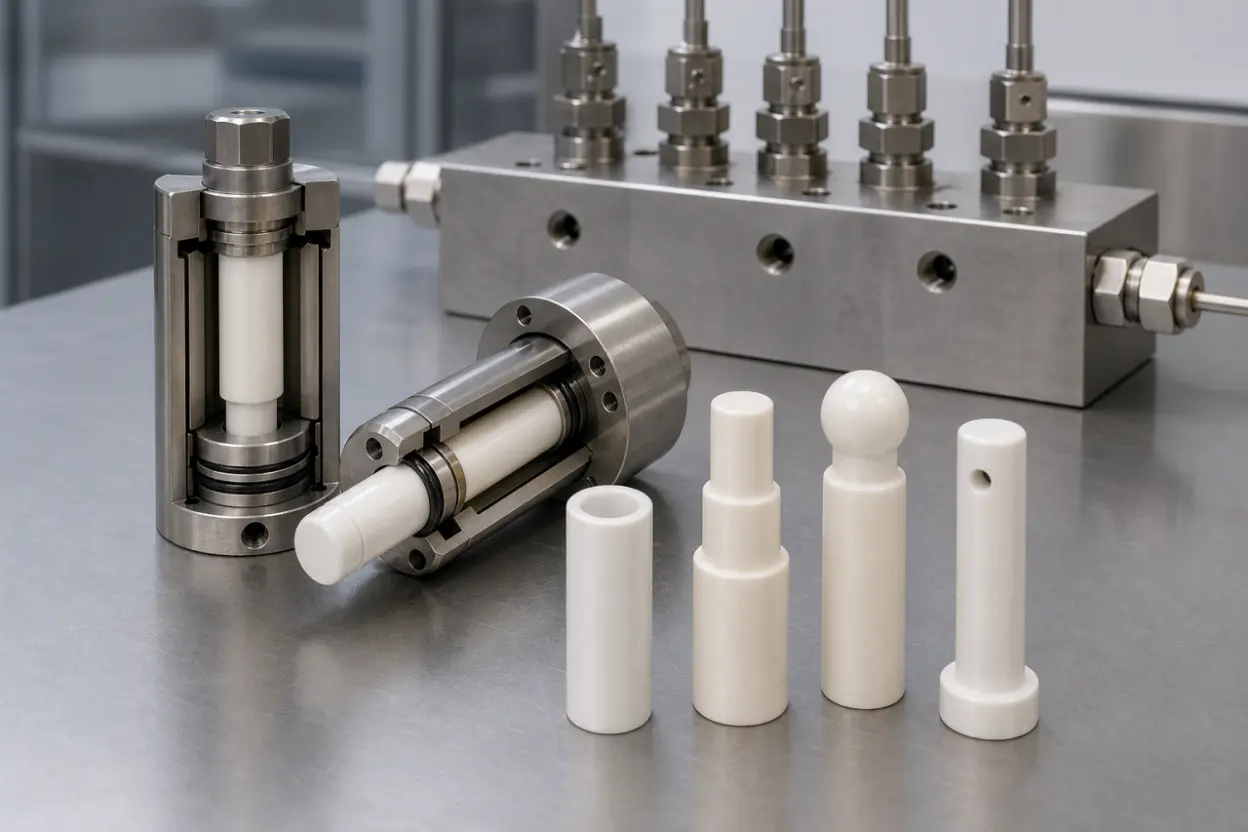
Ceramic plungers are based on a cylindrical body and can be customized as solid shafts, hollow thin-wall parts, stepped profiles, ball-ended designs, or structures with connection and locating holes. Their highly finished, regular surfaces work in reciprocating motion with sleeves and seals to provide sealing, pressurization, and fluid transfer. They are therefore critical moving sealing components in fluid equipment.
1.2 Typical Applications
- Cleaning equipment: high-pressure plunger components for pressure washers and industrial spray systems;
- Fluid-pump manufacturing: core moving components for precision metering pumps, chemical pumps, and high-pressure water pumps;
- Pharmaceutical and medical systems: liquid-filling pumps and sterile fluid-transfer equipment;
- Environmental water treatment: equipment for purified water, seawater desalination, and acidic or alkaline wastewater treatment;
- Precision manufacturing: laboratory analytical instruments and semiconductor or new-energy fluid-pressurization equipment.
1.3 Advantages Compared with Conventional Materials
| Compared Material | Core Advantages of Ceramic Plungers | Limitations of the Conventional Material |
| Metal | No rust or metal ion release; resistant to acids, alkalis, and surface scaling; longer wear life and stable sealing | Prone to corrosion and wear; contaminants may enter the fluid; sealing clearance increases over time and causes flow inaccuracy |
| Plastic | High hardness; resistant to high pressure and temperature; stable accuracy during high-frequency motion without aging deformation | Prone to deformation and aging; poor resistance to high pressure and temperature; unsuitable for precision metering |
| Glass | Higher structural strength, controllable accuracy, and better impact resistance with lower breakage risk | Highly brittle and relatively inaccurate; unsuitable for high-frequency motion and high-pressure precision equipment |
2. Ceramic Plunger Material Selection and Suitable Applications
Ceramic materials vary significantly in performance. Selection should consider service conditions, precision requirements, and operating environment. The main options are listed below:
| Material Type | Main Characteristics | Suitable Applications | Considerations |
| Zirconia ZrO₂ | Good toughness, crack and wear resistance, ultra-precision machinability, and excellent surface finish | Food and pharmaceutical filling, precision metering pumps, premium high-pressure equipment, and new-energy systems | Verify temperature capability for high-temperature duty; cost is higher than alumina |
| Alumina Al₂O₃ | High hardness, high-temperature resistance, electrical insulation, corrosion resistance, and good value | Cleaning equipment, industrial pumps, and standard chemical acid/alkali pumps | Lower toughness; not suitable for severe impact conditions |
| Sapphire/Ruby | Extremely high hardness, mirror finish, cleanliness, corrosion resistance, and suitability for micro-hole structures | Laboratory instruments, premium medical systems, and precision semiconductor components | Difficult to machine, high cost, and relatively long lead time |
| Silicon Nitride Si₃N₄ | High strength, thermal-shock resistance, fatigue resistance, and impact resistance | High-temperature, high-pressure, heavily loaded, high-strength wear-resistant plungers | Requires application-specific evaluation and is not a standard general-purpose material |
| Silicon Carbide SiC | Exceptional wear and corrosion resistance, high-temperature capability, and strong stability | Strongly corrosive media and high-temperature sealing or wear components | Extremely difficult to machine and suitable only for special severe-duty conditions |
Unless otherwise specified, zirconia is generally recommended for standard applications because it offers the best overall balance of toughness, precision, wear resistance, and crack resistance. It suits most precision high-pressure and high-frequency reciprocating conditions and provides strong stability and service life.
3. Critical Dimensions and Core Tolerance Requirements
Dimensional accuracy, geometric tolerances, and surface finish directly determine sealing performance, metering accuracy, and service life. The main parameters are as follows:
Outside diameter, OD (±0.005 mm): The primary sealing and guiding surface mates with the seal and cylinder sleeve, controls sealing clearance, prevents leakage and pressure loss, and maintains operating concentricity.
Overall length, L (±0.05 mm): Determines the maximum reciprocating stroke and directly affects pump flow and dispensing accuracy. Length deviation can cause metering errors and unstable displacement.
Roundness/concentricity (roundness <0.005 mm): Maintains cross-sectional roundness and overall coaxiality, produces uniform circumferential clearance and full-contact sealing, and prevents sticking, one-sided wear, and leakage.
Surface roughness (Ra 0.04 μm): An ultra-smooth surface reduces friction and seal wear, prevents fluid residue and scale buildup, and supports clean and corrosion-resistant service.
Chamfer/radius (C0.2-C0.3): Facilitates assembly, prevents edge chipping, reduces fluid dead zones and turbulence, and improves delivery stability.
4. Main Machining Challenges and Cost Factors
Ceramics are hard and brittle. The following design requirements significantly increase machining difficulty, cost, and lead time:
First, demanding micron-level tolerances. Extremely tight OD and roundness requirements call for temperature-controlled machining, multiple precision-grinding operations, repeated wheel dressing, and machine adjustment. These complex steps reduce production efficiency and constrain yield.
Second, mirror-level surface finish. Achieving Ra 0.04 μm requires dedicated superfinishing and mirror-polishing operations. Processing is slow, the surface is easily scratched, and both process control and equipment accuracy must be exceptionally high.
Third, hollow thin-wall structures. Internal and external cylindrical grinding can cause deformation, chipping, eccentricity, or breakthrough. Concentricity is difficult to control, the process is complex, and the rejection rate is high, making this a high-risk geometry.
When a design includes these requirements, machining feasibility should be evaluated early. Noncritical tolerances can be optimized to balance product performance, cost, and lead time.
5. Core Quality-Inspection Methods
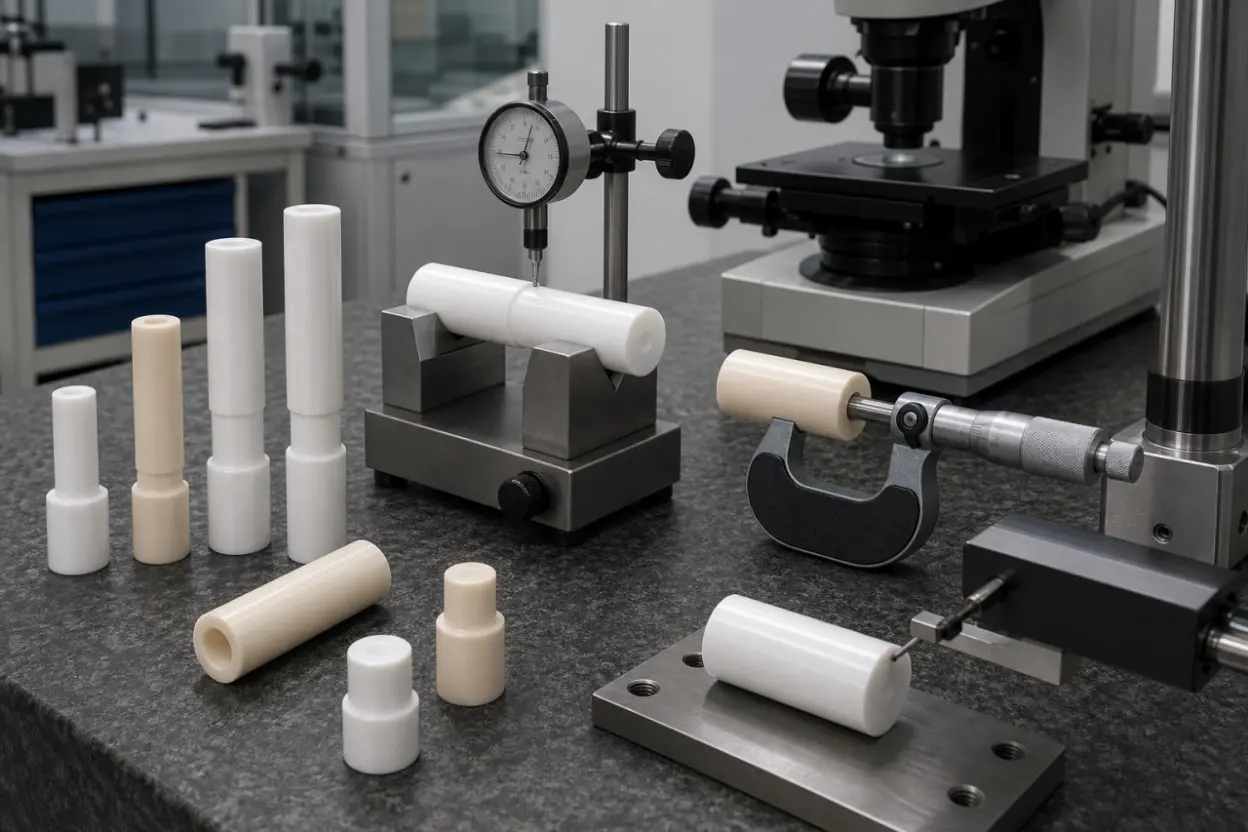
To ensure accuracy and consistency in volume production, the following core inspections are performed before shipment:
Dimensional accuracy: Measure the outside diameter with a precision micrometer at both ends and the middle in two directions; verify overall length with a high-accuracy caliper.
Geometric tolerances: Control the radial difference for roundness to ≤0.005 mm. Measure concentricity through 360° using a V-block and dial indicator, with total runout controlled to ≤0.01 mm.
Surface quality: Measure Ra with a surface-roughness tester. Combine visual and microscopic inspection to identify cracks, scratches, edge chipping, pores, and other defects and prevent hidden quality risks.
6. Information Required for Quotation
- To evaluate feasibility and calculate price and lead time accurately, customers are advised to provide:
- A 2D drawing, 3D model, or physical sample showing tolerances, roughness, and technical requirements;
- The required ceramic material, or service conditions so that we can recommend a suitable material;
- Equipment type and operating parameters, including fluid medium, pressure, speed, temperature, and load;
- Assembly structure, fit, and any special cleanliness, sealing, or wear-resistance requirements;
- Order quantity, volume-production needs, desired lead time, and acceptance criteria.
- If a complete drawing is unavailable, at least provide the critical dimensions, preferred material, working fluid, and pressure so that an initial evaluation and quotation can be prepared.
7. Engineering Design Optimization Recommendations
During design, apply graded precision control and distinguish functional from nonfunctional surfaces. Sealing, guiding, friction, and load-bearing surfaces should have tightly controlled dimensions, roundness, concentricity, and roughness to ensure operating accuracy and stability. Tolerances in nonfunctional regions used only for location, transition, or auxiliary purposes can be relaxed appropriately. This reduces machining difficulty and rejection rates, controls cost, improves efficiency, and shortens lead time without compromising performance.
Frequently Asked Questions (FAQ)
Q: What materials are commonly used for ceramic plungers?
A: Zirconia and alumina are the main choices. Zirconia is suitable for precision, high-pressure, and clean-service conditions. Alumina is cost-effective for standard industrial pumps and cleaning equipment. Sapphire, silicon nitride, or silicon carbide can be customized for special severe-duty applications.
Q: What standard tolerances can be achieved for ceramic plungers?
A: Precision outside diameters can reach ±0.004 mm, with ±0.005 mm as a typical precision standard. Overall-length tolerance can reach ±0.05 mm, and roundness can be controlled within 0.005 mm for high-end precision equipment.
Q: Which ceramic plunger dimensions and features are most critical?
A: The outside working surface, roundness, and surface finish are most important because they directly determine sealing performance, operating smoothness, and wear life.
Q: Why are hollow thin-wall ceramic plungers more difficult to machine?
A: Thin walls have low rigidity and may deform, chip, or become eccentric during grinding. Internal-to-external concentricity is difficult to control, setup is complex, rejection rates are higher, and both cost and lead time increase.
Q: What advantages do ceramic plungers offer over metal plungers?
A: Ceramic plungers provide longer wear life, do not rust or release metal contaminants, resist acids, alkalis, and corrosion, and do not readily accumulate scale. Their sealing performance remains stable over time, reducing equipment failures and replacement frequency in demanding fluid applications.
Selection Evaluation and Custom Manufacturing Support
If you require custom zirconia, alumina, sapphire, or other ceramic plungers for cleaning equipment, metering pumps, pharmaceutical and medical systems, or environmental water treatment, including high-precision, thin-wall, or complex structures, we can provide material selection, process optimization, and precision assessment based on your drawings, service conditions, and batch requirements. We support one-stop custom machining and volume production of precision ceramic plungers.


In This Article
- 1 1. Ceramic Plunger Structure, Applications and Material Advantages
- 2 1.1 Basic Product Structures
- 3 1.2 Typical Applications
- 4 1.3 Advantages Compared with Conventional Materials
- 5 2. Ceramic Plunger Material Selection and Suitable Applications
- 6 3. Critical Dimensions and Core Tolerance Requirements
- 7 4. Main Machining Challenges and Cost Factors
- 8 5. Core Quality-Inspection Methods
- 9 6. Information Required for Quotation
- 10 7. Engineering Design Optimization Recommendations
