 English
 中文
中文







Ceramic Sealing Components in Semiconductor Manufacturing
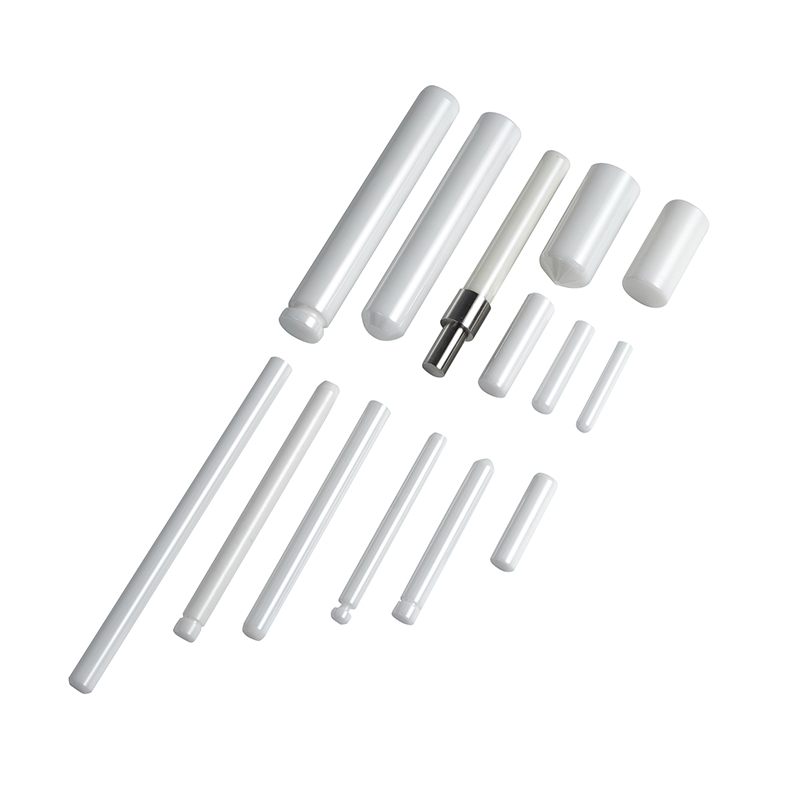
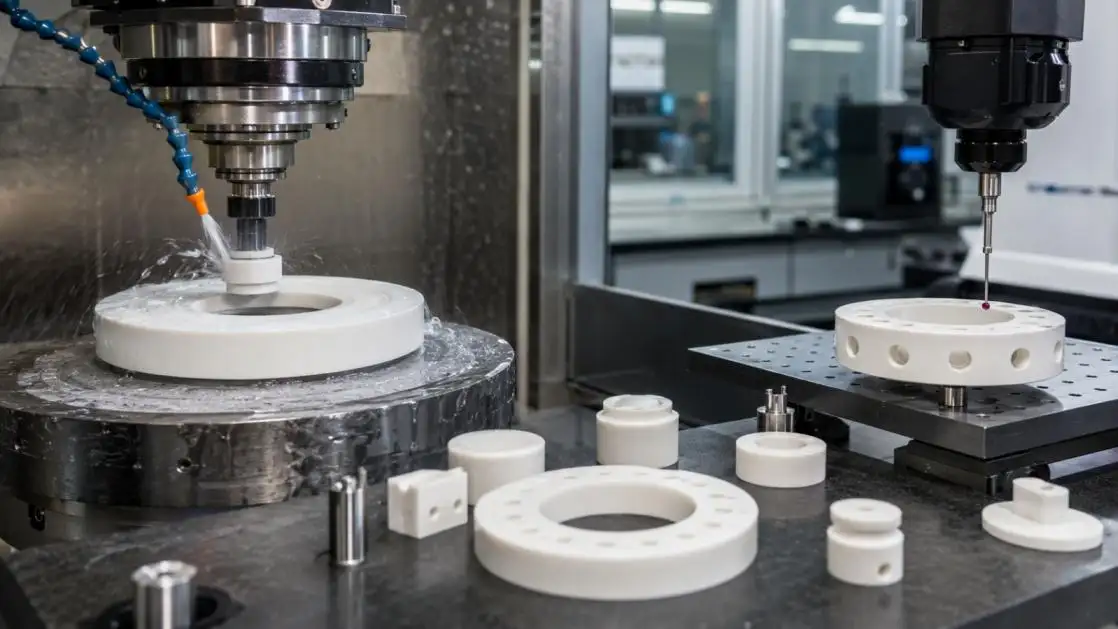
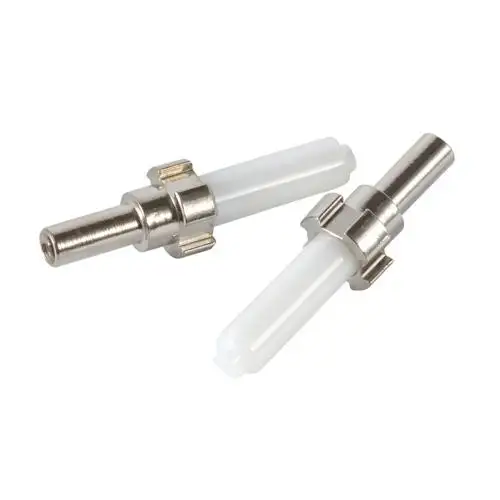
Ceramic Sealing Components play an important role in semiconductor manufacturing because modern chip equipment must operate with high precision, strong cleanliness control, and stable performance under heat, vacuum, and chemical exposure.
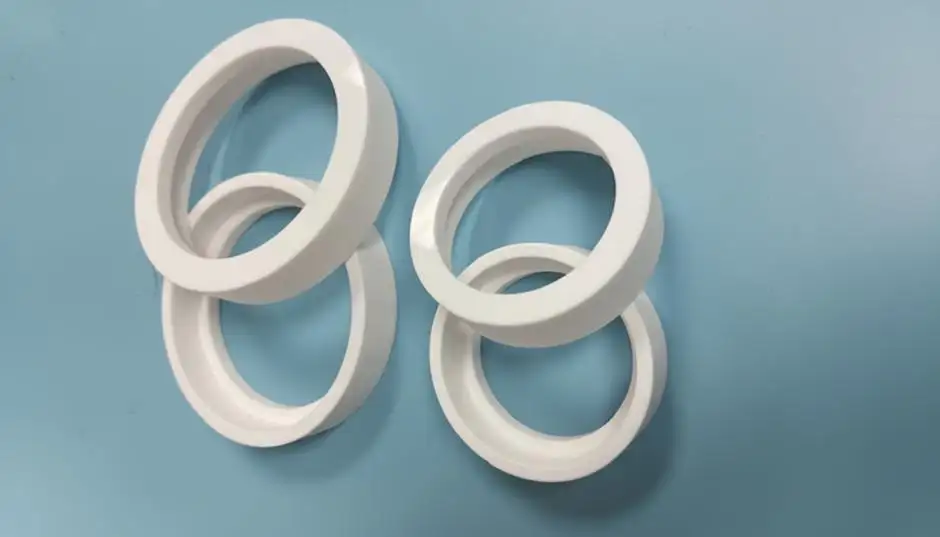
From UPCERA's perspective as a ceramic manufacturer, this topic is not only about material selection. It is also tied to how a component helps sustain stable processing, protect equipment uptime, and support long-term cost efficiency. In semiconductor production, even a small mismatch in sealing performance can affect chamber integrity, particle control, or assembly accuracy. That is why many buyers now look beyond a basic part drawing. They want a ceramic solution that matches real process conditions.
Why Ceramic Sealing Components Matter in Semiconductor Equipment
Semiconductor tools work in demanding environments. During operation, components may face plasma exposure, corrosive environments, thermal cycling, vacuum conditions, and very low contamination tolerance. In these settings, Ceramic Sealing Components are often selected because advanced ceramics combine structural strength, insulation, heat resistance, and chemical stability in one material platform.
For clients, this brings practical value:
•Better sealing reliability in process equipment
•More stable operation under thermal and mechanical stress
•Reduced wear in aggressive service conditions
•Lower risk of material-related contamination
•Longer replacement cycles in critical assemblies
Industry references from semiconductor ceramic suppliers also show that advanced ceramics are widely used in wafer processing, handling, insulation, and other precision equipment positions where purity, thermal stability, and dimensional accuracy are essential.
Why Alumina Is a Practical Choice for Ceramic Sealing Components
Among engineering ceramics, high-purity alumina remains one of the most practical materials for semiconductor-related parts. It is widely recognized for strong electrical insulation, good wear resistance, corrosion resistance, and reliable mechanical strength. These characteristics are a key reason why alumina continues to serve in electronics and industrial machinery fields.
At UPCERA, our Complex Alumina Component can be developed for sealing-related and structural applications that require more than a simple standard shape. Compared with conventional materials, alumina offers a better balance between manufacturability, durability, and technical stability.
This is especially relevant when clients need:
•High-purity ceramic material for clean process environments
•Tight dimensional control for assembly fit
•Electrical insulation in compact equipment layouts
•Reliable service life in corrosive or abrasive conditions
For semiconductor buyers, the benefit is clear. The material is not chosen only because it is hard or heat resistant. It is chosen because it helps support cleaner operation and more predictable equipment behavior.
What Product Information Buyers Should Know
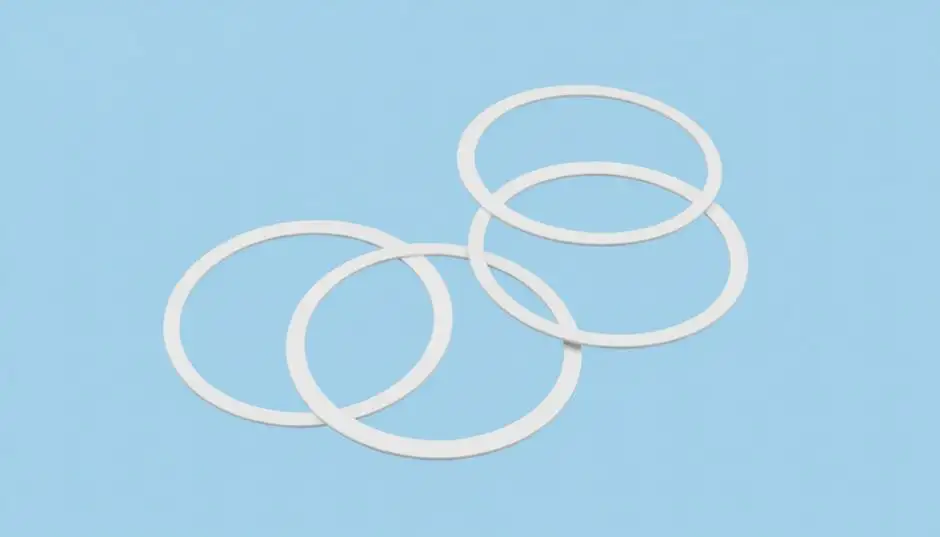
UPCERA's Complex Alumina Component is engineered for application-specific tolerances and performance targets. It is suitable for semiconductor equipment, but it can also serve machinery, analytical systems, and other precision industries.
Selected processing capability includes:
•Length Range: ≤300 mm
•Outer Diameter: ≤150 mm
•Surface Roughness: Ra0.02–Ra0.2
•Minimum Wall Thickness: 0.1 mm
•Roundness: 0.002 mm
•Concentricity: 0.002 mm
•Straightness: 0.004 mm
•Perpendicularity: 0.005 mm
These figures are important because sealing performance often depends on more than material choice alone. Within semiconductor equipment, surface finish, wall thickness, roundness, and alignment accuracy can all impact how the part is installed and how it performs in operation.
In practical sourcing terms, tighter process control can help clients reduce assembly deviation, improve repeatability, and gain more confidence before scale production.
How Ceramic Sealing Components Support Customer Goals
A sealing component should not be evaluated only as an isolated part. Clients usually need it to support a broader equipment goal. This may relate to equipment uptime, process accuracy, contamination control, or reduced maintenance frequency.
From this standpoint, UPCERA transforms engineering strengths into customer-focused value:
•Highly Customizable Geometry helps meet the demands of complex equipment arrangements and supports more flexible design choices.
•Excellent Mechanical and Thermal Strength contributes to stable and dependable performance in environments involving mechanical stress and high heat.
•Outstanding Wear and Corrosion Resistance helps deliver a longer service life in challenging industrial environments.
•Electrical Insulation Capability helps provide dependable performance in systems that require electrical isolation.
Material purity and compatibility are particularly important in clean process environments where contamination must be tightly controlled. As semiconductor manufacturing advances toward tighter tolerances and more demanding process standards, this buyer-driven perspective matters more than ever. For that reason, ceramic suppliers serving this industry often highlight material purity, corrosion resistance, thermal stability, and dimensional precision during material selection.
Typical Applications in Semiconductor Manufacturing
Ceramic Sealing Components are widely used in semiconductor fabrication equipment where high cleanliness standards and complex structural design requirements must be met together. Depending on the equipment design, related alumina parts may serve in:
•Wafer chucks and support structures
•Insulating parts and spacers
•Alignment and positioning components
•Chamber-related sealing structures
•Guide parts in automated handling systems
These applications matter because semiconductor manufacturing does not tolerate unstable materials easily. Components must hold form, resist process conditions, and support consistent tool performance over time.
Choosing the Right Manufacturing Partner
For buyers, the real question is not only whether alumina can work. The better question is whether the supplier can turn ceramic capability into a component that fits the process, the equipment, and the production target.
At UPCERA, we focus on precision ceramic forming, tight-tolerance machining, and custom geometry development for demanding applications. For semiconductor customers, that means a more practical sourcing path from drawing review to finished part delivery.
When your team reviews Ceramic Sealing Components for semiconductor manufacturing, UPCERA can help compare suitable materials, evaluate dimensional requirements, and provide a custom alumina solution designed around practical application needs. Contact UPCERA to discuss your drawings, target tolerances, surface finish criteria, and production arrangements.


