 English
 中文
中文







Machining Ceramic With Practical Process Control: Reducing Risk Through Better Quality Management
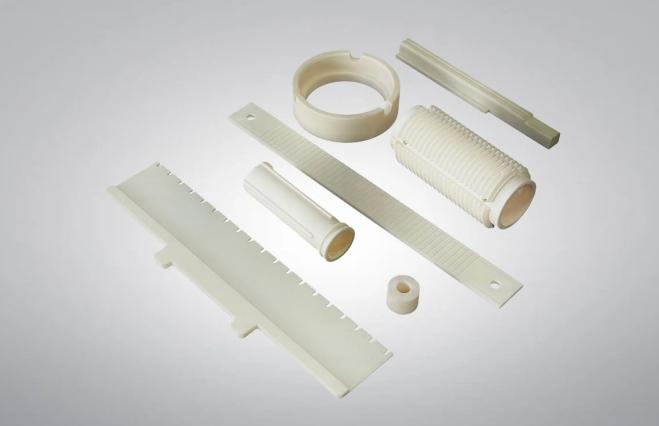
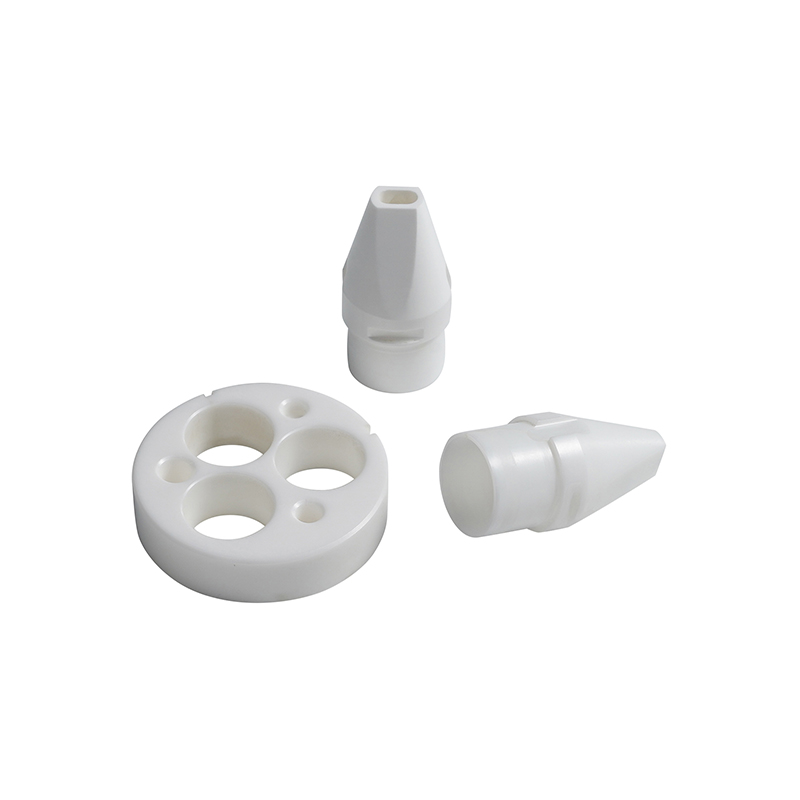
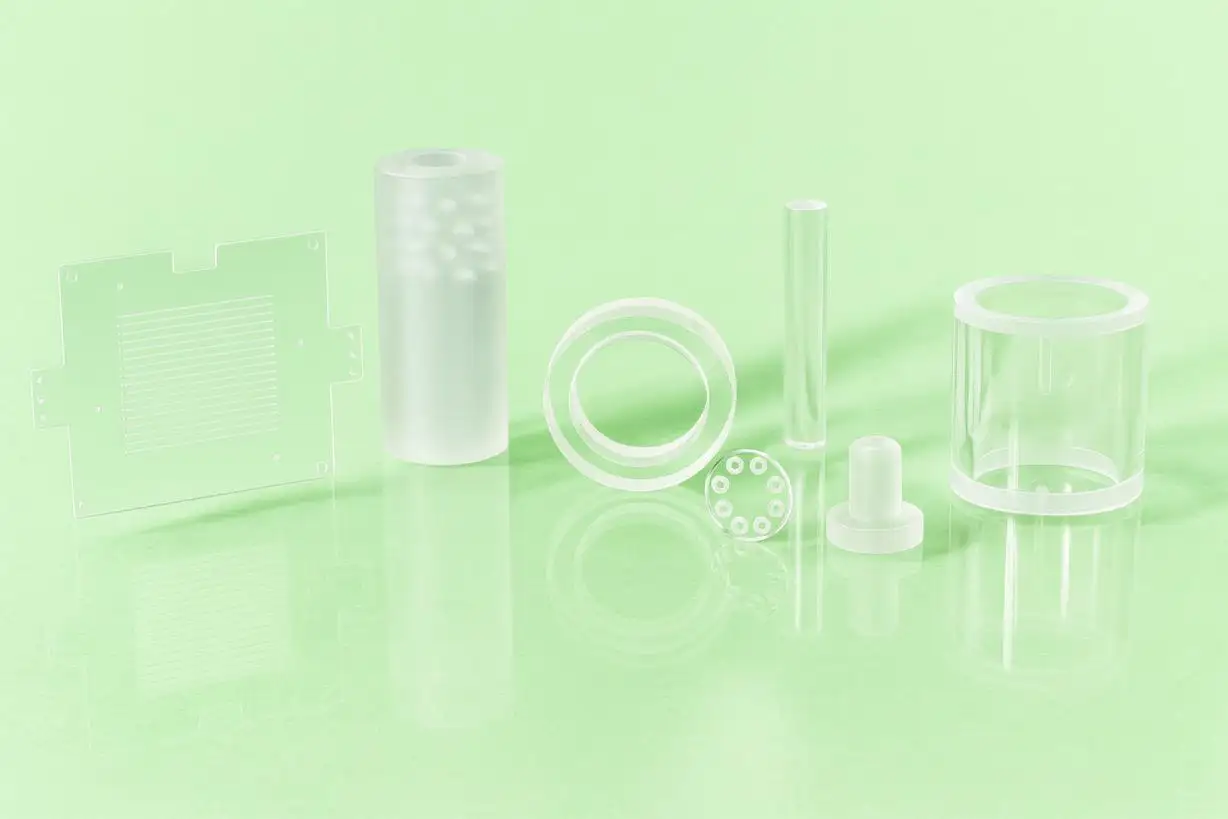
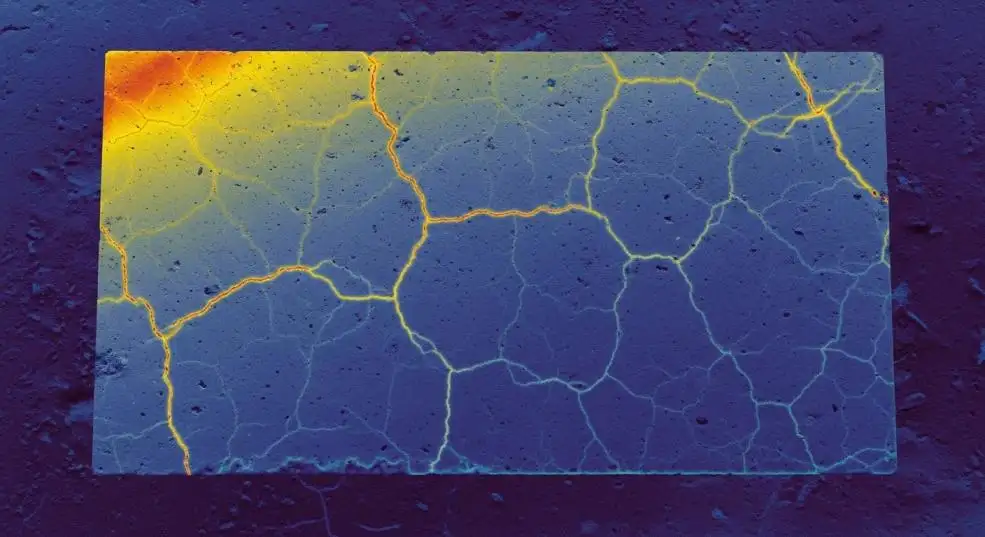
Machining Ceramic is a demanding process because ceramic materials offer high hardness, wear resistance, and dimensional stability, yet they can also be sensitive to cracking, chipping, and surface damage during processing. Unlike metals, ceramics do not absorb machining stress through plastic deformation. Once the cutting force, tool condition, cooling method, or fixture stability becomes unsuitable, small defects may appear on the edge, surface, or near-surface area.
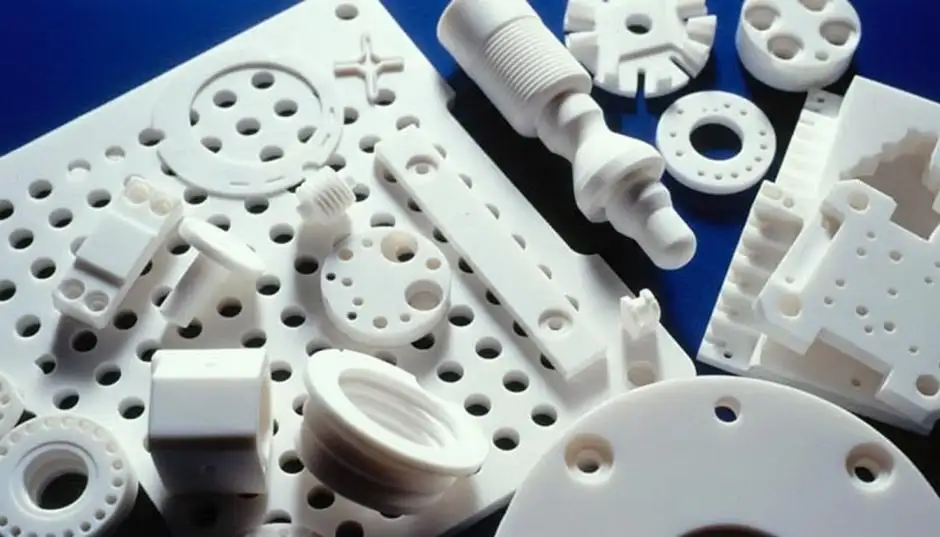
For buyers in semiconductor equipment, medical devices, electronics, aerospace-related components, and industrial applications, these defects create real procurement risks. A ceramic part may look acceptable after visual inspection, but hidden damage can still affect service life, assembly accuracy, or long-term reliability. This is why Machining Ceramic should not be treated as simple machine work. It requires material understanding, controlled process planning, stable equipment, experienced operators, and careful inspection.
The Real Challenge In Machining Ceramic
The brittleness and hardness of ceramic materials hinder ceramic machining processes. A proficient ceramic machining supplier must tackle challenges related to shape and integrity. A reduced integrity focus can lead to late identified quality problems during assembly and operation.
Some of the problems are:
• Edge Chipping: Control of machining parameters that are poorly managed can result in brittle features on thin walls and edges, or small voids.
• Surface Microage: Milling and grinding can cause undesired sharp stress and unequal surfaces that can cause microage on the surface due to sub-surface cracking.
• Dimensional Drift: Variations in force during machining, tool wear, and over-clamping can lead to time-dependent drift of dimensions.
• Material Variation: Alumina and zirconia respond differently to the machining process and must have specific variations to each particular process.
• Inspection Limits: The quality of ceramic cannot be represented entirely from the visual inspection of the pieces of the assembly in question, and especially not for precision components.
These are the reasons why Machining Ceramic requires a quality mentality even from the beginning stages, and not the end, of the process.
Why a Final Quality Check is Not Enough
Most of the time, good quality checks are conducted on ceramic parts to rule out machining and assembly flaws. However, it is foolish to rely on one step to the exclusion of all of the others.
A more dependable quality control plan would include a combination of preventive and final controls performed during and after the machining process. The quality of machining must be designed to prevent defects before final inspection, as opposed to finding defects on scrap parts.
Some of the most typical issues associated with an inspection-based quality control approach are:
• Parts Defects are Possible: Certain defects can be made even before the final inspection step in machining if correct parameters have not been employed.
• Increased Scrap Rates: Expending resources on late-stage parts inspection is a poor use of machining capacity to produce and process ceramic blanks.
• Increased Sampling Needed: Additional sampling and corrections can further extend the duration of the project.
• Reduced Buyer Confidence: Irregular quality complicates the engineering process and makes long-term sourcing problematic.
As a result, UPCERA emphasizes process control, machining expertise, and inspection coordination when aiding Machining Ceramic projects.
UPCERA: A Practical Perspective on Machining Ceramic
UPCERA’s core competency lies in its extensive experience in ceramic production, as well as its integrated manufacturing approach. Rather than advocating for an overly digital and experimental approach for ceramic machining, UPCERA prioritizes manufacturing capability and quality control in critical stages of production.
Support for processes can include:
• Material Knowledge: Alumina and zirconia are the primary ceramic materials. Additional ceramic materials can be analyzed based on the needs of a given project.
• Engineering Analysis: Engineers control and validate drawings, tolerances, wall thickness, holes, edges, and assembly positions pre-machining.
• Process Design: Appropriate machining quantities and methods are established based on material and production specifications of the component.
• Tooling and Fixture Design: Appropriate and stable clamping and support tooling minimizes vibration and ensures edge integrity and control of dimensional offset.
• Step-By-Step Quality Checks: Critical dimensions and surfaces can be checked during key production stages, not only at the end.
This controlled workflow helps buyers improve project predictability while reducing avoidable risks in Machining Ceramic.
Quality Control Based on Experience and Process Discipline
For precision ceramic parts, quality control is not only about equipment. It also matters how much a supplier has a grasp of the material, the structure of the part, and how the final product will be used.
UPCERA backs up ceramic machining consistency with:
• Thoughtful Adjustments: Take-up, machining depth, and, tool and coolant selection are tailored to material and geometry.
• Unbreakable Process Planning: Process pathways are structured to minimize redundant operations and repositioning.
• Control of Surfaces: Selecting grinding, polishing and finishing , methods are tailored to functional and appearance requirements.
• Control of Measurement: Key tolerances are assessed with the appropriate gauge per the demands of the project.
• Provision of Services: Results are analyzed to inform the setting of the process for future or larger batch orders.
This approach addresses current industrial challenges better with limited reliance on the promise of future technologies, while still providing tangible QC results.
Smarter Monitoring, Better Process Control
There is a general current industrial tendency for enhanced inspection technologies accompanied with ability to monitor and record data. And, to assure better process control. Technologies such as non-destructive testing, digital inspection records, and data-assisted process review may become more common in high-end ceramic manufacturing. However, these should be understood as industry development directions, not automatic proof of current supplier capability.
For buyers, the most important question is not whether a supplier uses the newest technical terms. The real question is whether the supplier can control the actual machining process and deliver stable parts.
A dependable Machining Ceramic supplier should be able to explain:
• How the material will be processed
• Which areas carry the highest cracking or chipping risk
• How tolerances will be controlled
• What inspection steps will be used
• How repeat production will remain stable
• Which design changes may improve manufacturability
This type of communication gives buyers a clearer basis for supplier evaluation.
Why This Matters for Buyers
There is more to a ceramic machining supplier than cost per piece. Scraps, sample delays, assembly failures, and quality issues can contribute to high, hidden costs due to poor process control.
UPCERA reduces these risks for buyers by:
• Better Manufacturability Review: Discuss machining risks pre-production.
• More Stable Quality: Support for consistent ceramic production is improved by process planning and inspections.
• Shorter Project Communication: Less back-and-forth is needed because integrated ceramic knowledge reduces time in drawing review and sampling.
• Support For Complex Parts: Regarding machining feasibility, thin walls, holes, slots, and smooth surfaces can all be evaluated.
• Practical Material Guidance: Alumina and zirconia are prioritized, while other materials are assessed according to project needs.
This makes Machining Ceramic more predictable for buyers who need reliable ceramic components rather than one-time sample processing.
UPCERA‘s Manufacturing Value
UPCERA has built its ceramic manufacturing capability around material processing, forming, sintering, precision machining, finishing, and inspection. This integrated structure helps the team understand how early-stage ceramic conditions affect final machining results.
For overseas buyers, this matters because ceramic quality is not created by one machine or one inspection step. It comes from coordination across material selection, design review, forming control, sintering behavior, machining strategy, and final verification.
When buyers choose a partner for Machining Ceramic, they are not simply purchasing machine time. They need a supplier who can help with uncertainty reduction, enhance part uniformity, and assist with the development of long-term plans.
CTA
Inquire with UPCERA about your next ceramic project. The team assists with drawing reviews, material selection assessments, and formulation of machining recommendations for alumina, zirconia, and other ceramic materials based on project specifications.
Frequently Asked Questions
Q: Why is it challenging to machine ceramics?
A: The composition of ceramic materials is hard and brittle. Insufficient machining parameters, substandard tooling, and inadequate fixture control can result in chips, cracks, or surface damage.
Q: Does UPCERA work with all ceramic materials?
A: Although UPCERA emphasizes alumina and zirconia, other ceramic materials can be evaluated based on project specifics, drawings, and application requirements.
Q: What do I need to submit to get a quote?
A: You may also email us or ask us directly at our website. To get started we need CAD drawings of the parts, Contracts, and/or an STL file.
Q: If I send you parts for testing, do you provide a service for tryouts?
A: Yes, especially for ceramic materials or special structures. For general tests, there needs to be confirmation of an order.
Q: What is UPCERA’s preferred way of responding to inquiries?
A: Customers provide drawings, specifications on materials, tolerance standards, application description, and the total quantity of the order. UPCERA assesses the requirements and suggests the best machining methods.


In This Article
- 1 The Real Challenge In Machining Ceramic
- 2 Why a Final Quality Check is Not Enough
- 3 UPCERA: A Practical Perspective on Machining Ceramic
- 4 Quality Control Based on Experience and Process Discipline
- 5 Smarter Monitoring, Better Process Control
- 6 Why This Matters for Buyers
- 7 UPCERA‘s Manufacturing Value
- 8 Frequently Asked Questions
