 English
 中文
中文







Technical Ceramic Machining For Ra0.02 Surface Finish Under Controlled Conditions
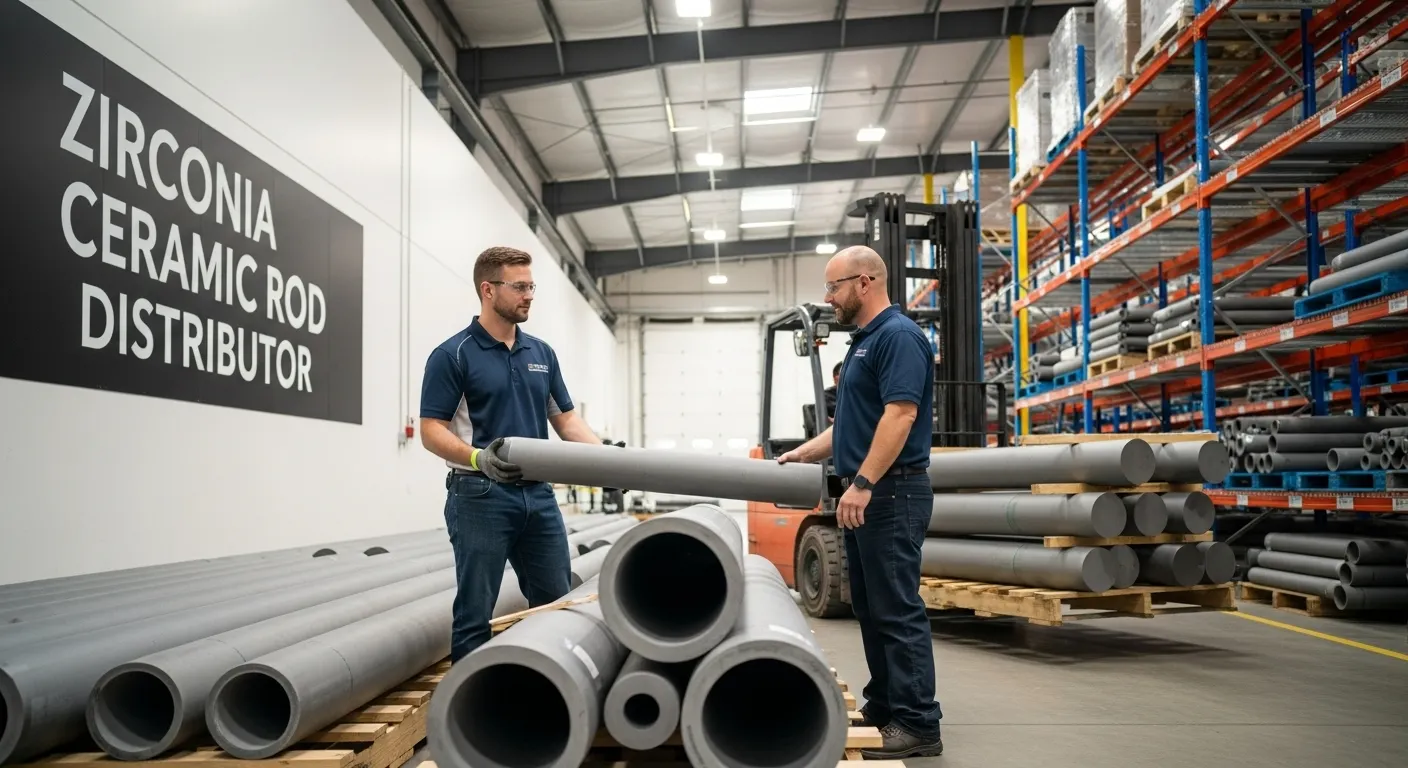
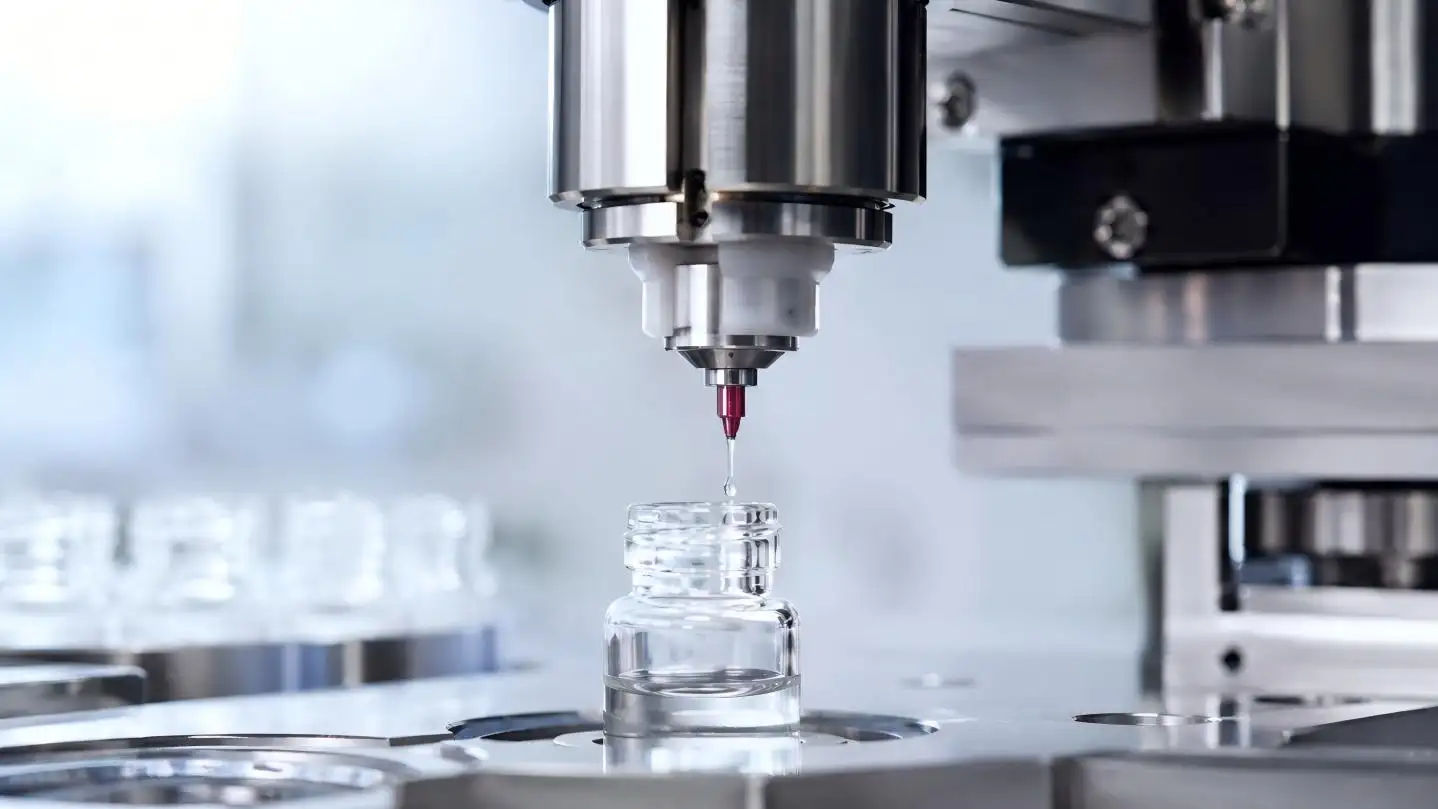
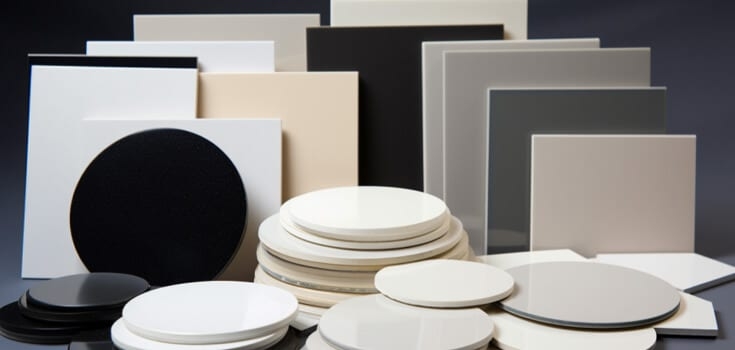
Technical Ceramic Machining plays an important role when buyers need ceramic parts with tight tolerance, stable surface quality, and lower finishing risk. For industries such as medical components, semiconductor equipment, precision machinery, optical communication, and fluid control systems, ceramic parts must often meet demanding requirements. However, ceramic materials are hard, brittle, and sensitive to stress during grinding or finishing. This makes surface control a key challenge in every procurement decision.
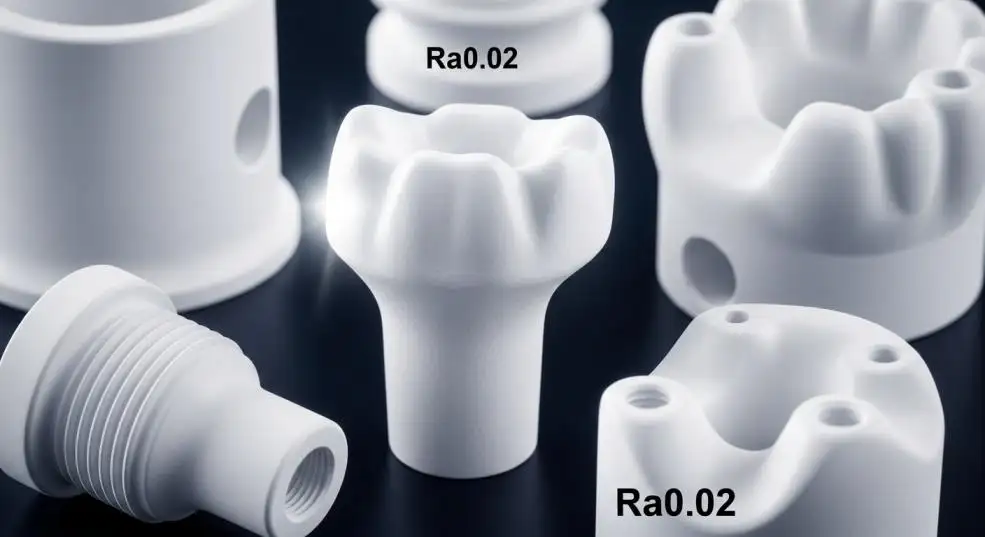
At UPCERA, Technical Ceramic Machining is positioned as a practical process capability, not an unrealistic promise. Under specific material, geometry, tolerance, and process conditions, UPCERA can achieve ultra-smooth surface finishes down to Ra0.02. This capability may help reduce secondary polishing needs for selected parts, especially when the design is suitable for precision machining and surface control from the beginning.
Why Surface Finish Matters in Technical Ceramic Machining
For ceramic components, surface roughness is more than a visual detail. It can affect sealing performance, friction, wear behavior, assembly stability, and service life. In some medical components, fluid contact parts, precision sleeves, plungers, and optical interfaces, smoother surfaces may also support cleaner operation and more consistent performance.
Common surface-related challenges include:
•Micro-crack risk: Improper grinding pressure or wheel selection may create tiny surface defects.
Dimensional change after polishing: Excessive polishing can change critical sizes and edge profiles.
•Increased complexity in later stages: Higher number of polishing stages increases complexity of handling, inspection, and delivery.
•Concern regarding batch consistency: A part may pass in prototype stage, but may be more difficult to reproduce in larger quantities.
•Increased qualification demand: Clear inspection documents are needed by buyers to provide approval of their suppliers.
For these reasons, Technical Ceramic Machining need a cropping review, a selection of materials, and a plan of design, machining and finishing approaches. A surface requirement should not be treated as a final inspection problem.
Ra0.02 Finish: A Capability in Certain Conditions
UPCERA does not refer to Ra0.02 as being a universal achievable for every ceramic part. A detailed shallow surface is considered an advanced machining goal from UPCERA, which is dependent on several:
•Type of material: Alumina and zirconia are core materials from UPCERA.
•Geometry of a part: Shallow and easily reachable surfaces are more controllable machining than deep blind holes, sharp and/or highly undercut and/or highly pointed surfaces/edges.
•Designing tolerance: Finish of surface and dimension accuracy must be in control of the design.
•Allowance for machining: Permitting edge effects control can help with the finish of grinding.
•Appropriate finishing: Surface roughness is required to be checked by different inspectors and is somewhat controlled.
If requirements (and/or a contract) for a Technical Ceramic Machining project is reasonable or appropriate, UPCERA can be expected to achieve surface requirements and deliver Ra0.02 for selective cases. For other parts, a practical surface range may be recommended after engineering evaluation.
Core Materials: Alumina and Zirconia
To keep material claims clear and realistic, UPCERA focuses on alumina and zirconia as core materials for precision ceramic machining.
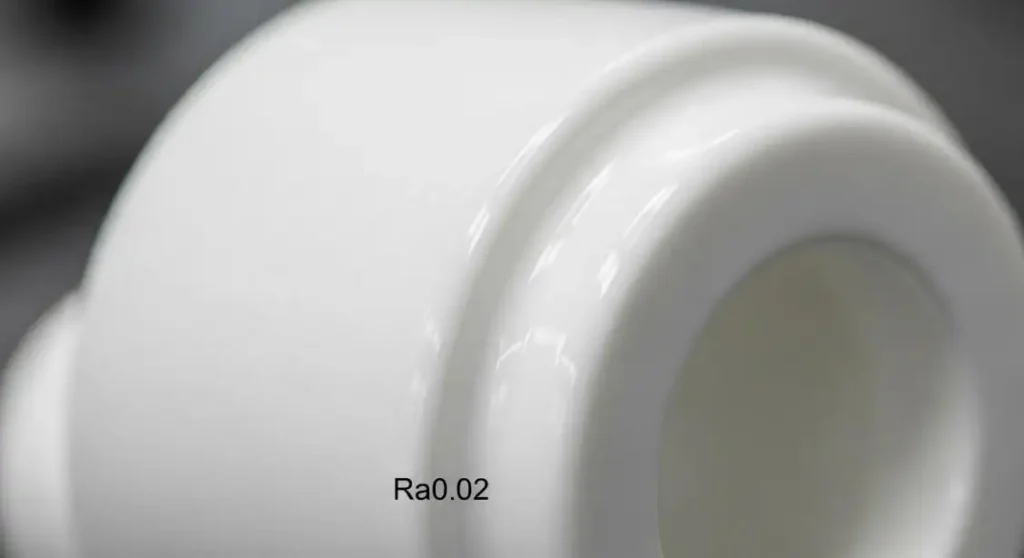
Alumina Ceramic
Alumina is widely used when buyers need electrical insulation, wear resistance, chemical stability, and cost-balanced performance. This is appropriate for a diverse range of industrial and technical applications, including:
•Insulating parts
•Wear sleeves
•Ceramic rods
•Pump components
•Positioning parts
•Equipment fixtures
Zirconia Ceramics
Zirconia has a reputation for its toughness in comparison with other ceramics. When a combination of higher strength, edge stability, and fine machining is essential, it is the preferred choice.
•Valve components
•Pump components
•Medical parts
•Wear-resistant mechanical parts
•Small high-precision ceramic parts
We are able to include other ceramic materials in your project consideration (including, but not limited to, Silicon Nitride, Silicon Carbide, Sapphire, and Ruby). We do not extend material descriptions and claims in advance of drawings or the application and environment in which the material is to operate.
UPCERA: Process Benefits in Technical Ceramic Machining
The combination of ceramic material expertise and machining experience is the true strength of UPCERA. Rather than relying solely on the final polishing, surface quality is managed through the entire value chain.
Advantages of our processes include:
•Intimate Material Understanding: Ceramic nature is determined through their powders, their form, their sinte
•Surfaces Grinding Control: Company personnel balances grading, feeding, and speed of the spindle with Surface Grinding.
•Dimensional Planning: Tolerance, allowance, and surface finish are reviewed before machining begins.
•Edge Protection: Fragile edges and small features require careful tool path and fixture planning.
•Inspection Support: Surface roughness, roundness, concentricity, and dimensional data can be checked according to project needs.
•Batch-Oriented Thinking: The goal is not only to make one sample, but also to support repeatable production.
This practical approach helps buyers reduce uncertainty during supplier qualification. It also helps engineering teams identify design risks before volume production.
Reducing Secondary Polishing Risk
In many ceramic projects, secondary polishing is used to improve surface finish after machining. However, if managed poorly, that might lead to new issues.
Potential risk factors comprise:
•An extension in additional handling time and overall production time
•A greater likelihood of dimensional shift
•An increase in the number of inspection stages
•An inconsistent finish in complex or small detailed features
•Increased complexity in the collaboration of machining and the finishing teams
Using the capabilities of Technical Ceramic Machining by UPCERA may help to eliminate the need for additional polishing on certain parts, especially when the target surface is accessible through controlled machining in defined processes. In the case of components with extremely complex geometries or certain surface criteria, additional finishing may be advisable following an assessment.
Validate Your Precision Before Production
A good manufacturing partner for ceramics should facilitate the possibility of inspection and sampling pre-production.
UPCERA facilitates the following:
•Submission of a DFM including a drawing, and an acknowledgement of tolerances, materials, and surface finishes.
•Samples including the surface finish for the customers to approve the dimensions and use.
•Measurement and inspection of samples for internal approval and supplier assessments.
•Recommendations for modifications to the design in cases where achieving the tolerances and surfaces is seen as difficult.
•Setting up sample production with an approved production plan.
This approach clears the way for procurement departments that utilize their creativity.
Scope of Work in Technical Ceramic machining
Assistance to both the medical and the industrial domain is what UPCERA offers in the technical ceramic machining of high precision ceramics.
Common application fields include:
•Medical Instruments: Components made of high precision ceramics used in certain equipment or device related applications.
•Semiconductor Machinery: Ceramic components that are insulating, wear resistant, and corrosion resistant.
•Optical Communication: Ceramic Ferrules, sleeves, and a variety of components concerning alignment.
•Precision Engineering: Ceramic components for shafts, rods, plungers, and guides.
•Fluid Control: Ceramic components for valves, seals, and pumps.
•Electrical Engineering: Ceramic components for structural applications and alumina insulation.
There are varying design constraints for each application. As a result, UPCERA advises examining design, tolerances, surface finish, and operational environment before establishing machining feasibility.
2026+ Buyer Expectations
Beginning in 2026, buyers are placing increased emphasis on supplier reliability, inspection transparency, and reasonable expectations of what they can accomplish. Buyers are looking for capabilities in certain areas, but drawing reasonable boundaries around them.
In light of the foregoing, UPCERA’s Technical Ceramic Machining features:
•Articulating reasonable expectations for surface finish conditions
•Focus on machined alumina and zirconia
•Pre-production engineering assessment
•Surface and drawing limits
•Includes surface finish and tolerance specifications
•Informed planning of prototype and production runs
•Informed, actionable capability statements
FAQ
Q. Can Technical Ceramic Machining Achieve Ra0.02 Surface Finish?
Yes. UPCERA can offer finishing as fine as Ra0.02 under certain material, geometry, and process constraints. Machining feasibility depends on application and design.
Q. For Every Part, Does Ra0.02 Mean No Secondary Polishing?
Ra0.02 does not imply this. Some structural parts can achieve the finish through machining. However, complex parts and intricate surfaces can often require additional operations.
Q3: Which Materials Are Currently Supported?
UPCERA supports alumina and zirconia for advanced machining. Other ceramic materials may fall within consideration and depend on project specifics.
Q4: Is It Possible For Medical Use Cases?
UPCERA engages with some medical projects if scope fits ceramic materials and machining. Normal restrictions should be justified.
Q5: How Do Clients Begin Their Technical Ceramic Machining Project?
Clients start with machine drawings with material requirements, acceptable tolerances, surface finish requirements, and application details. Based on this information, UPCERA gives suggestions on Design for Manufacturing and advises on steps for the sample preparation.


In This Article
- 1 Why Surface Finish Matters in Technical Ceramic Machining
- 2 Ra0.02 Finish: A Capability in Certain Conditions
- 3 Core Materials: Alumina and Zirconia
- 4 UPCERA: Process Benefits in Technical Ceramic Machining
- 5 Reducing Secondary Polishing Risk
- 6 Validate Your Precision Before Production
- 7 Scope of Work in Technical Ceramic machining
- 8 FAQ
