 English
 中文
中文







UPCERA’s Process-Led Ceramic Machining Service For Coordinated Material Applications
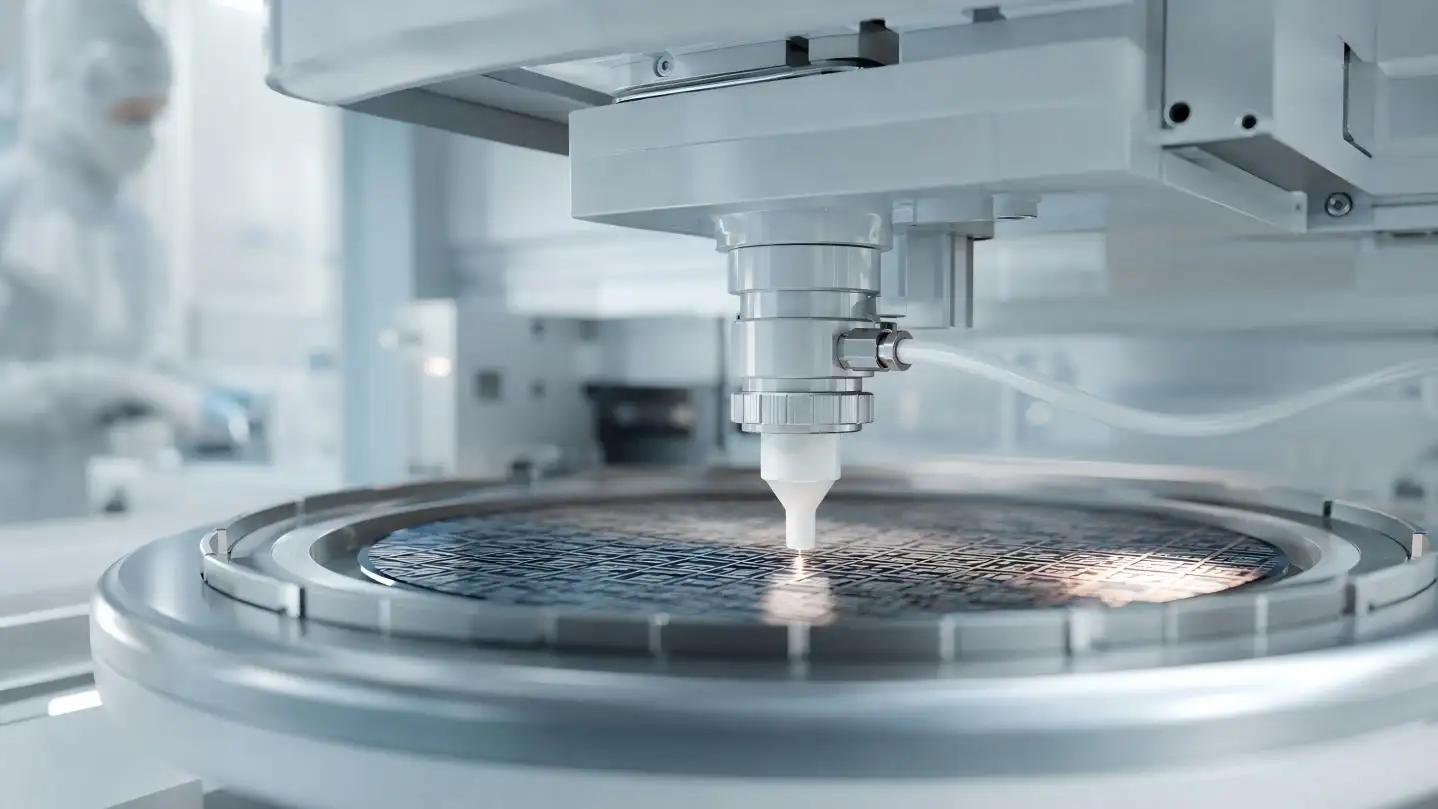
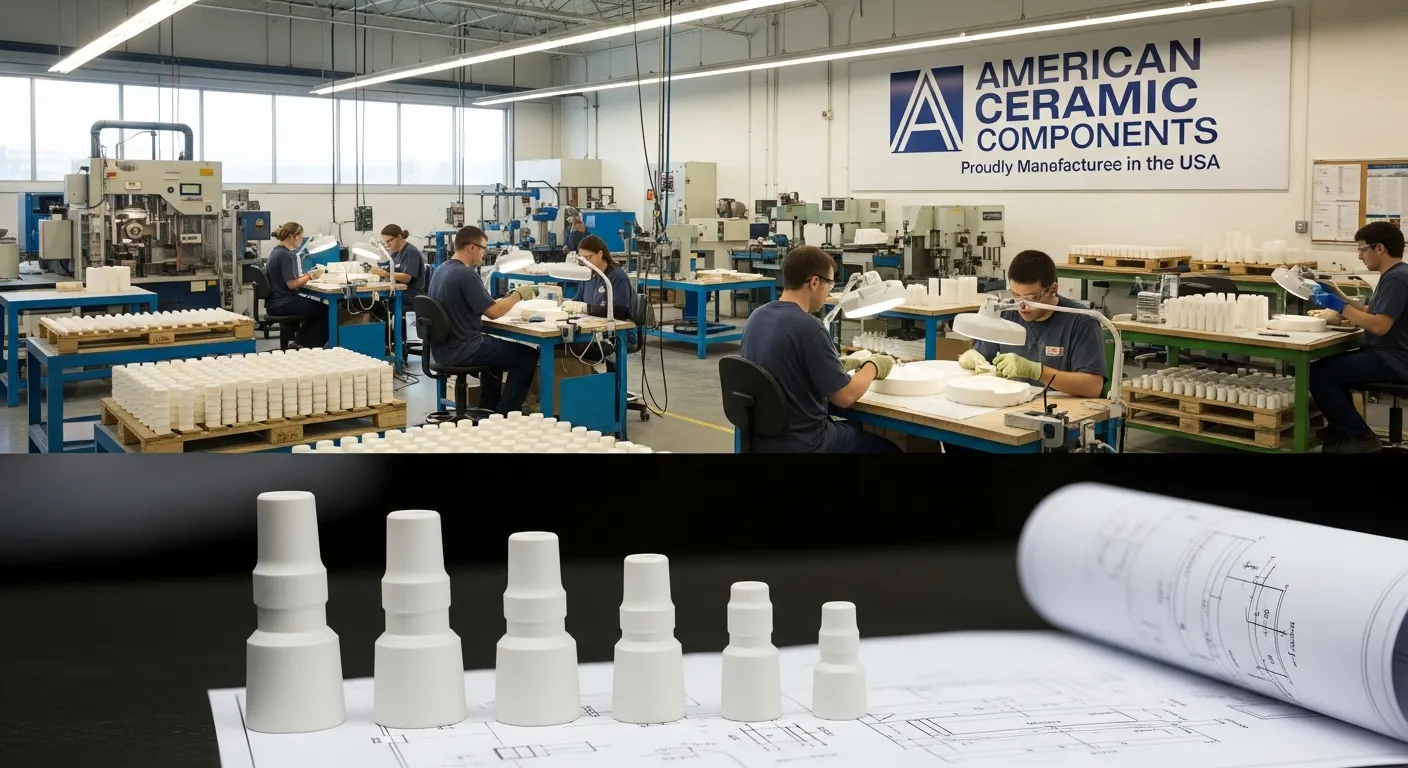
Ceramic Machining Service is becoming a key procurement issue as buyers need more coordinated component development. In aerospace, medical, telecommunications, and semiconductor-related industries, ceramic parts often need to work with different materials, while dimensional consistency, surface quality, and interface control remain difficult.
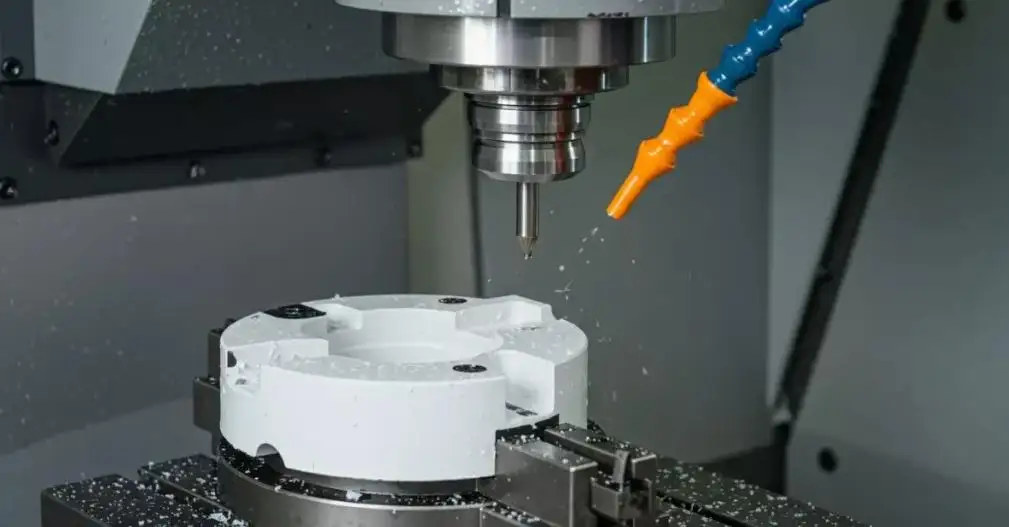
UPCERA addresses these challenges through practical machining experience, CAD/CAM-based coordination, and controlled production planning. UPCERA investigates behavior of ceramic sintering as well as surface precision finishing and inspection to assist customers in the machining and assembling of alumina and zirconia as well as other application-specific materials.
Ceramic Machining Procurement 2026
Given advanced ceramics’ projected growth at 5% CAGR, the global market for advanced ceramics value will reach $93.39 billion in 2026. Emerging industries for ceramics are electronics, defense, and medical devices. Multi-material assemblies are at risk of complexity in supply chains. All zirconia, alumina, and titanium are added for their mechanical and electrical properties.
Procurement departments are hit with the challenges of
• Single Origin Vendors: Most ceramic machining service providers traditionally focus on one material, forcing buyers to choose ceramic machining vendors for each separate material.
• Manual CNC Data Entry: Manufacturers with not up-to-date systems still rely on the design to machine conversion and of their CNC data. This results in long lead times for the business and inaccuracies for CNC machined pieces.
• Supplier Compliance: With each vendor managing their own REACH, RoHS, ISO, and related compliance, procurement becomes inefficient.
• Thermal inconsistency: Ceramics have different rates of thermal expansion and contraction, resulting in thermal cycling failure of assembled parts without suitable process control.
It is redesigning ceramic machining services around these challenges.
UPCERA Digital Workflow — Multi-Material Innovation
UPCERA has a unique, all-digital approach that begins before machining. The company utilizes a digital infrastructure that incorporates computational design and integrates into production — paralleling the industry development of digital ceramics, where design and control algorithms dictate structure and function.
UPCERA’s digital workflow consists of three components:
•CAD and CAM-integrated design files: Digital design files can be submitted directly to UPCERA, which eliminates the need for manual redrafting to significantly minimize geometric distortion. The same prototype design becomes the initial model for production machining without the need for reinterpretation.
•AI-assisted toolpath optimization: The platform’s neural architecture uses acoustic emission sensors (40kHz sampling) and torque feedback to maintain chip load within 5-8μm tolerance—eliminating micro-cracks in thin-wall zirconia and glass ceramic components.
•Closed-loop metrology: In-process measurement tracks variation before it drifts, with critical dimensions verified against digital twins rather than paper drawings.
This isn’t theoretical. UPCERA’s processes remove delays from qualification cycles due to inter-supplier coordination, leading to further time-savings in a typical multi-material assembly of zirconia structural components, alumina insulators, and embedded titanium components.
Multi-Material Machining Technical Capabilities
UPCERA offers a wide variety of materials, including zirconia, alumina, ruby, sapphire, aluminum nitride, silicon nitride, and silicon carbide. Thanks to the company’s 5-axis synchronous motion systems, it establishes a new standard in precision for the achievement of multi-material assemblies:
•Outer diameter consistency: ±0.002 mm for components with diameters in the range of Ø1-25 mm, including the guarantee of a uniform assembly and the scalability of the interfaces among the different materials.
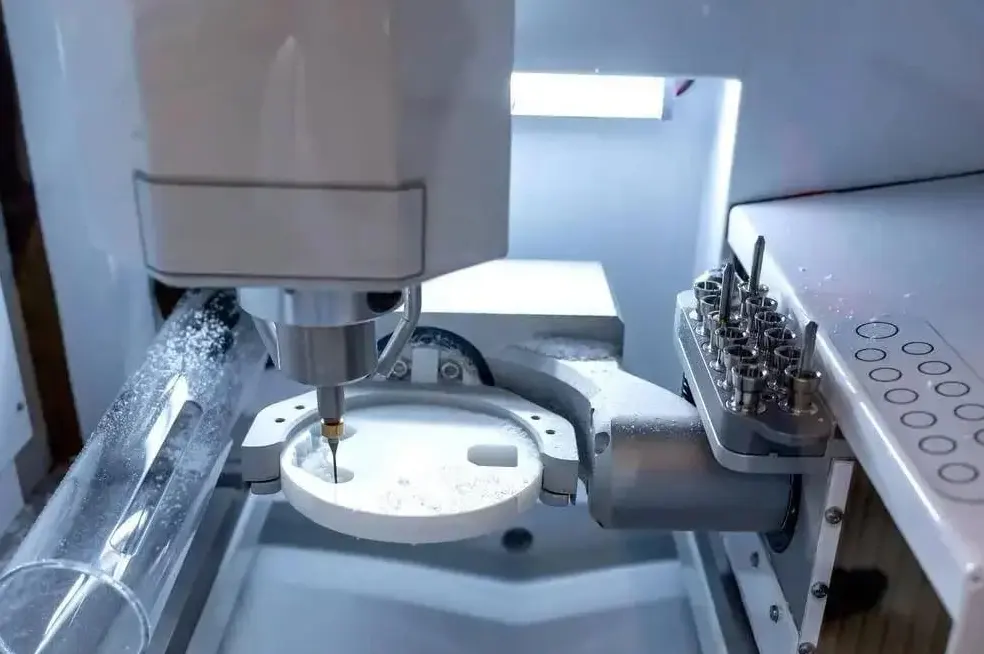
•Inner diameter accuracy: ±0.001 mm for bores of Ø0.5-3 mm which is crucial for the proper alignment of fiber optics and for the containment of the fluid path.
•Minimum wall thickness: 0.1 mm in zirconia, leading to the design of assemblies that are compact, lightweight, and free from the potential to fracture.
•Direct-drive spindle (0-60,000 RPM): Optical encoder feedback at 0.001° resolution eliminates the belt-induced harmonic vibrations that would compromise the surface quality during transitions between materials.
The precision specifications are critical because multi-material assemblies tend to fail at interfaces. A zirconia ferrule and an alumina housing fabricated under UPCERA’s integrated processing and precision technology eliminates this variable.
Quality Documentation and Compliance Support
For UPCERA, quality control is part of the production process rather than a final step. Ceramic machining is managed through controlled process planning, inspection, and traceable production records. For regulated or documentation-sensitive industries, UPCERA can support material certificates, inspection reports, and project-related compliance documents according to actual project requirements.
Because compliance needs vary by market and application, UPCERA avoids a one-size-fits-all claim. Instead, the company works with buyers to confirm the required documentation before production. This may include material information, RoHS or REACH-related declarations where applicable, dimensional inspection reports, batch traceability, and other quality documents requested by the project.
Buyers can utilize the following to decrease the likelihood of risk in this approach to procurement:
•ProjectSpecific Documentation: In order to avoid procurement risk, material and inspection documentation can be specified and addressed to the relevant parties (in this case the buyer) before order confirmation.
•Traceable Production Documentation: Quality can be verified post procurement risk by batch and machining documents.
•Defined Scope: To help the buyer when they purchase, UPCERA organizes all functions of machining and inspection of ceramic materials to create a unified flow to condense the communication.
This method of compliant risk procurement is the most appropriate to affect localization internationally where the varied buyers adopt inconsistent internal standards and rules of marketplace and/or end-use.
Beyond Machining: The Full-Industry-Chain Advantage
What distinguishes UPCERA from simple machining job shops is its broader ceramic production background. The company has built a full industry chain for precision ceramics, covering design support, powder processing, forming, sintering, machining, finishing, sales, and after-sales service.
This matters because ceramic machining quality is closely related to material behavior. A ceramic part is not only shaped during machining. Its final performance also depends on powder selection, forming method, sintering shrinkage, density, hardness, fracture toughness, and surface finishing.
UPCERA’s R&D and production resources help connect material development with machining feasibility. Its centers in Benxi, Shenyang, Beijing, and Dongying support different areas of ceramic research, raw material optimization, application development, and product validation.
For buyers, this implies:
•Knowledge of Materials And Machining Is Integrated: If problems with machining alumina or zirconia are encountered, UPCERA will examine both the behavior of the material and the method of processing.
•Moving From Prototypes To Batch Production Is More Feasible: Early sample process knowledge can more easily be carried into batch production.
•Customers Have Better Awareness of Costs: Communications impediments have been reduced and now clients can better evaluate costs when the entire capabilities of our integrated system for ceramic processing and machining are utilized. This allows for better control of the processing and machining stages.
Having integrated operations with end-to-end capabilities should not be perceived as UPCERA processing every kind of material and assembly. Rather, it signifies UPCERA’s improved technical integration for ceramic parts, where alumina, zirconia, or application-specific materials require dependable machining.
The Smart Choice in 2026
In 2026, buyers of ceramic machining will require more than the ability to simply cut the parts to drawing. Suppliers will be required to have a full grasp of machining risks, behavior of materials, tolerance, and the documentation and communication sets to be in control of the project.
UPCERA’s ceramic machining service is built around practical capability rather than exaggerated digital claims. The company supports CAD/CAM-based design communication, machining process planning, dimensional inspection, and coordinated project support for alumina, zirconia, and other materials based on project requirements.
With more than 20 years of experience in advanced ceramics and a broad international service network, UPCERA is positioned to support buyers that need stable ceramic machining, clearer technical communication, and smoother prototype-to-production development.
For ceramic machining inquiries or design review support, please visit www.proupcera.com.
Frequently Asked Questions
Q: What materials can be used for UPCERA’s ceramic machining services?
A: Core materials at UPCERA include alumina and zirconia. Based on the demands of the project, some other materials like ruby, sapphire, aluminum nitride, silicon nitride, silicon carbide, glass ceramics, and certain other allied materials are also considered.
Q: What are the expected tolerances of UPCERA ceramic machining?
A: Series of machining tolerances according to materials, size, structure, and inspection methods. For certain precision ceramic components, UPCERA is able to achieve outer diameter, inner diameter and thin walls machining to high levels of accuracy after technical discussion.
Q: Can UPCERA support industries that require quality documentation?
A: Yes. UPCERA can provide material information, inspection reports, batch traceability, and project-related quality documents according to actual application and buyer requirements.
Q: Is it possible to send CAD designs directly for prototyping?
A: Yes. Buyers can submit CAD files for design review, machining feasibility analysis, and prototype planning. UPCERA can help check geometry, tolerance, wall thickness, and processing risks before machining.
Q: How does UPCERA support coordinated material applications?
A: UPCERA supports coordinated machining planning for alumina, zirconia, and other project-specific materials. The company focuses on tolerance planning, process inspection, and application-based communication to reduce fit and interface risks.


