 English
 中文
中文







What Makes High Purity Alumina Component Survive Plasma
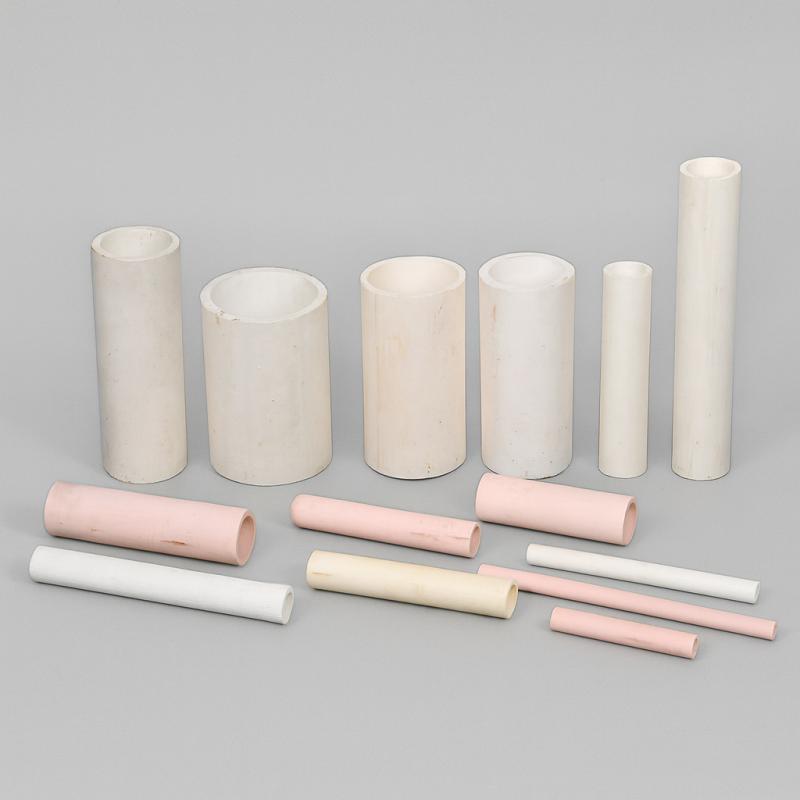
Plasma process tools subject materials to a punishing mix of charged species, radicals, UV, and rapid thermal swings. Under CF4, SF6, Cl2, or O2 chemistries, surfaces are bombarded, eroded, and thermally shocked – often at the same time. In this environment, what separates a disposable part from a durable solution is not one property but a balanced set of traits: chemical stability, electrical insulation, thermal integrity, and mechanical design that resists wear and prevents particle generation. Combining superior corrosion resistance with steadfast insulation, a High Purity Alumina Component fits plasma chambers, reactive process lines, and vacuum systems seeking higher yield through clean, stable operation.
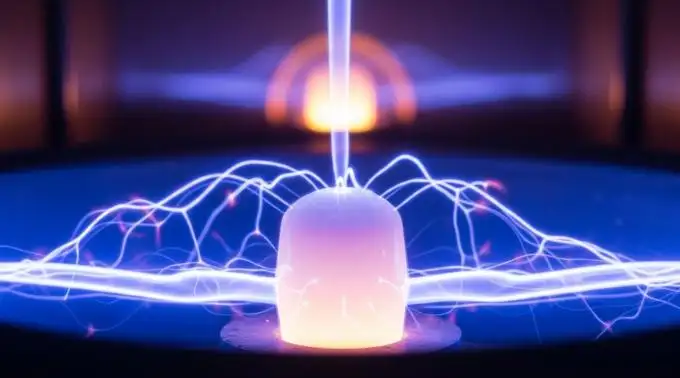
What “High Purity“ Really Means in Practice
A High Purity Alumina Component is typically manufactured from 99.7% Al₂O₃ with trace impurities tightly controlled. That level of purity minimizes glassy phases and weak grain-boundary films that act as pathways for corrosive attack. When the alumina body is fully dense – with porosity near zero and fine, uniform grains – the result is a ceramic that resists infiltration, maintains its mechanical strength, and limits subsurface damage under ion bombardment. In real tools, those microstructural details translate into slower erosion rates and fewer particle sources.
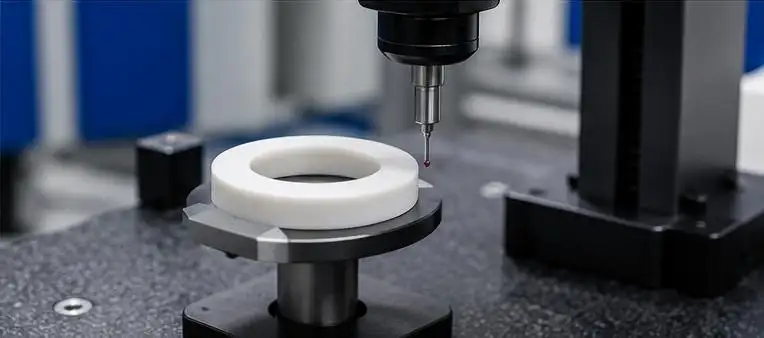
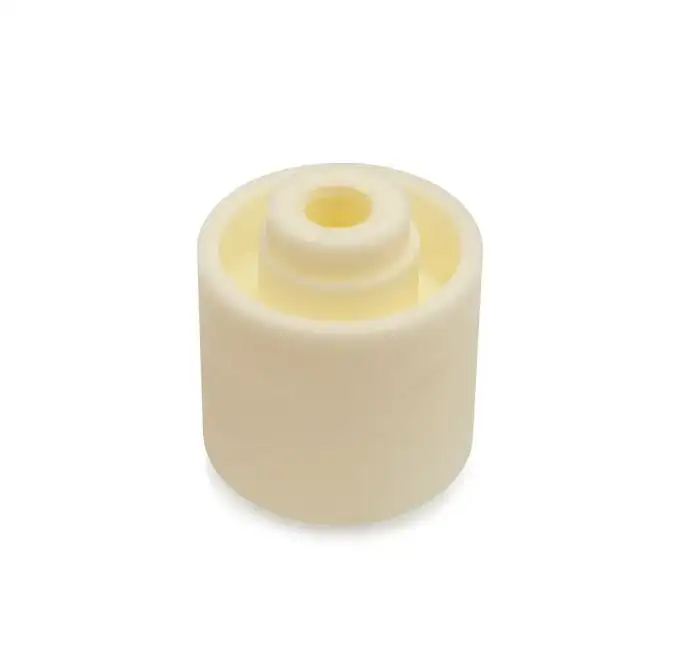
This component isn’t just a block of ceramic; it’s a precision part that can integrate features like internal threads, shoulders, and alignment steps. The threaded interface is especially important in plasma hardware. When threads are machined to a precise class of fit, with correct root radii and chamfers, they seat without chipping, maintain torque after thermal cycling, and avoid the micro-motions that create fretting debris. In short, the combination of material purity and thoughtful geometry helps a High Purity Alumina Component deliver reliable assemblies and clean operation over long service intervals.
- Surface Finish and Microstructure
Particle control starts at the surface. A smooth finish reduces nucleation sites for “snow” or redeposited films, while a dense microstructure limits crack initiation from thermal shock. Finishes that achieve low Ra values – often well below a micrometer through lapping or polishing – lower the risk of loose debris becoming airborne under plasma exposure. At the same time, consistent grain size helps distribute stress evenly, improving resistance to chipping at edges, threads, and sealing faces.
Because plasma systems are unforgiving, even small geometric choices matter. Generous edge breaks, fillets at stress concentrators, and lead-in chamfers on threads reduce sharp field-enhancing features that can promote micro-arcing. When you combine that with a High Purity Alumina Component’s inherent wear resistance, you get interfaces that remain true and sealed, cutting down on leak paths and preventing the misalignment that can raise particle counts.
- Thermal Stability and Electrical Integrity Under Real Tool Conditions
Plasma tools cycle hot and cold, and lesser materials walk out of tolerance or lose insulating performance. Alumina’s coefficient of thermal expansion is modest and predictable, helping parts retain shape across repeated ramps. 99.7% alumina has strong insulation and a steady dielectric constant, so stray currents stay under control. It keeps its resistivity even as temperatures change and time passes, helping stop tiny arcs at threads and edges. It also moves heat enough to smooth out hot spots without losing its insulating role, which evens out temperatures and lowers stress on joints. In vacuum and plasma gear, good insulation prevents surprise discharges and the particles they make – protecting the process. By keeping fields controlled and arcs rare, the component promotes consistent chambers and repeatable results.
How Alumina Survives Reactive Plasmas
The chemical story is straightforward: alumina is inherently stable, and in many reactive chemistries it forms protective surface layers that slow further attack. In fluorine-rich plasmas (CF4, SF6), alumina can react to form a tightly adhering fluoride layer that has low volatility at typical chamber temperatures, acting as a passivation film that reduces continued erosion. In oxygen or chlorine plasmas, alumina’s oxide network remains robust, resisting oxidation and corrosive pathways that undermine lesser ceramics or coated metals.
Erosion is not only about chemistry; it is about how ions transfer momentum and energy. A High Purity Alumina Component’s hardness and high modulus resist mechanical sputtering, while its dense microstructure prevents cracks from propagating beneath the surface. These traits lower the effective sputter yield under ion impingement, contribute to longer service intervals, and – crucially – reduce the particle load released into the chamber. When plasma cleans, etches, or deposits, a stable, erosion-resistant surface supports tight process windows and cleaner wafers or workpieces.
- Mechanical Design Choices That Pay Off in Plasma Tools
Precision threading is a reliability feature, not an afterthought. In ceramic-to-metal designs, choose thread geometry and fit that distribute load and limit stress concentrations to prevent wobble and galling. Radiused roots, calibrated flank angles, and chamfered starts reduce assembly-induced chips. Compliant washers or spacers buffer thermal mismatch, preserving preload and long-term stability across temperature swings. The net effect: fewer re-torques, less fretting, and more stable fields at the joint – exactly what you want from a High Purity Alumina Component in production tools.
Wear resistance also matters during maintenance. When a part is adjusted or repositioned, surfaces that shrug off abrasion keep their geometry and don’t shed contaminants. Alumina’s high hardness, combined with good fracture toughness for a ceramic, maintains bearing surfaces and sealing faces. That stability keeps torque values predictable, maintains alignments, and helps preserve vacuum integrity.
From Pain Points to Practical Gains
Process engineers are familiar with the usual pain points: rising particle counts from chamber erosion, drift in sealing performance that upsets process stability, and maintenance that eats into tool availability. By deploying a High Purity Alumina Component with controlled purity, fine microstructure, and precision features, you can attack those problems at the root. Lower erosion rates mean fewer particles; stable insulation reduces arc-induced debris; and robust threads hold tolerances after thermal cycling, cutting down on rework.
Customization is another lever. Get the basics right – size, thread, shoulder height, and surface finish – so they match the parts you’re joining and how the load travels. When those choices reflect the real torque, clamping length, and temperature changes, you avoid tiny gaps and keep clamp force stable. That means smoother runs, fewer fixes later, and cleaner chambers.
- Good Fits for High Purity Alumina Parts
•Automation setups that must stay stiff and clean during heat cycles
•Lab tools and fixtures that need dependable electrical insulation
•Vacuum-grade mounts, insulating connectors, and standoffs in plasma/etch tools
•Heat-tolerant holders, spacers, and brackets that see repeated heat-ups
•Corrosion-resistant fittings and adapters for reactive gas systems
- Tips to Keep Systems Up and Running
•Pick alumina with proven high density and fine grain; ask to see micrographs or porosity data.
•Add edge breaks, fillets, and generous thread root radii; choose tolerances that suit your torque.
•Assemble cleanly: lint-free wipes, compatible solvents, and vacuum bake to drive off moisture.
•Skip lubricants that outgas; if you must use one, qualify vacuum-safe options and check particle behavior.
•Write down torque specs and re-torque timing based on thermal cycling; measure parts after runs to confirm stability.
- The Lifecycle Economics
This is not only a materials story – it is an operational one. Longer service life reduces consumable spend and maintenance labor. Cleaner operation lowers contamination risk and scrap. Secure assemblies shorten changeovers and get tools back into production faster. When you add these gains together, a High Purity Alumina Component contributes directly to throughput, yield, and process confidence.
Call to Action
If you are evaluating hardware for plasma or corrosive duty, align material, microstructure, and geometry from the outset. Engage our engineering team to review drawings, set thread tolerances, and specify a 99.7% High Purity Alumina Component that meets your mechanical, thermal, and insulation targets. Request a sample or quotation to accelerate qualification and strengthen your next build with a component designed to truly survive plasma.


