 English
 中文
中文






Wear-Resistant Ceramics 101: A Practical Guide to Modern Material Selection
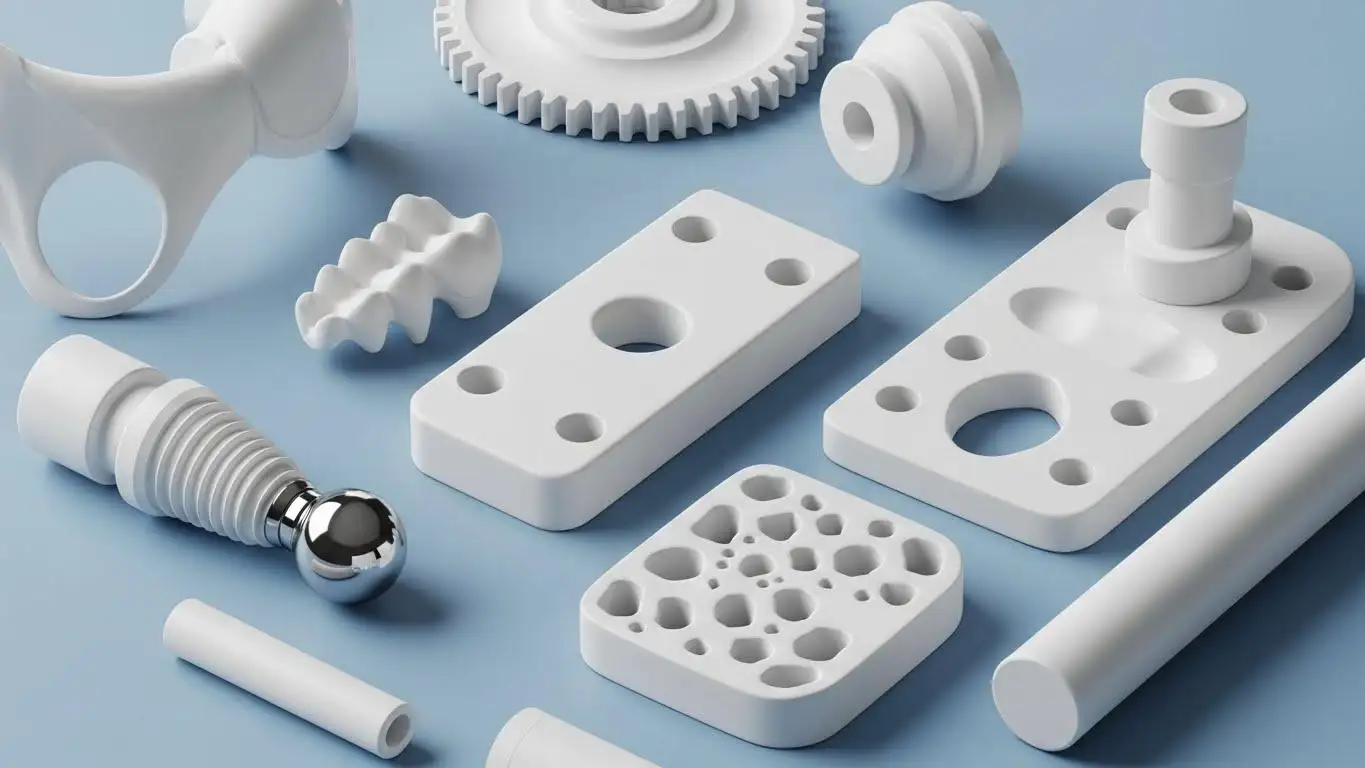
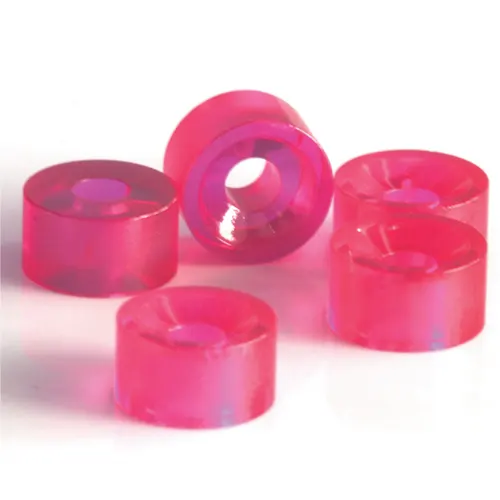
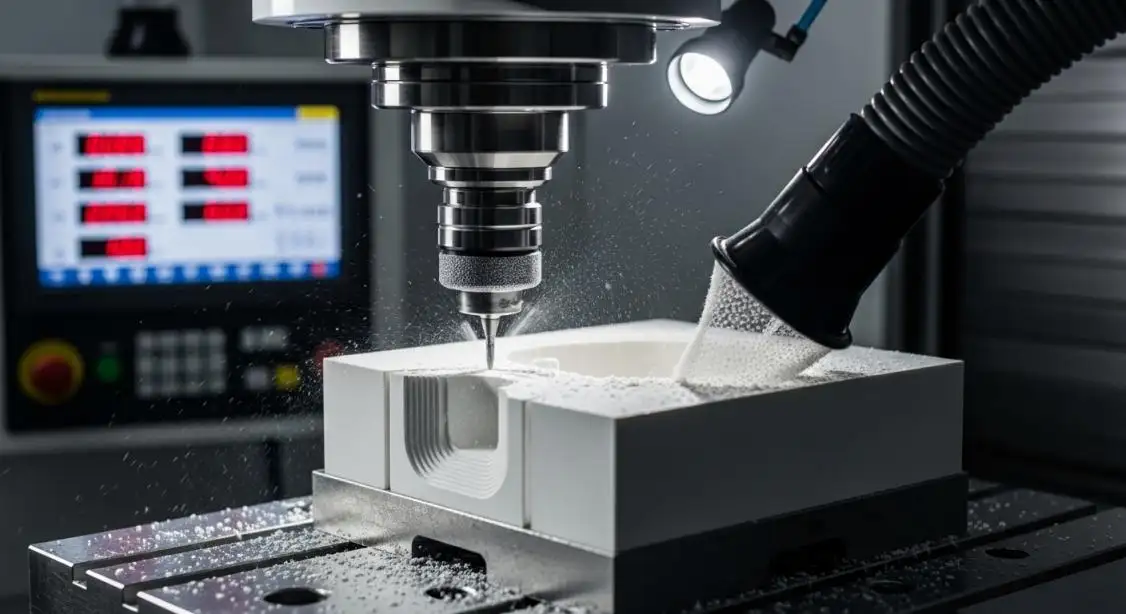
Wear-Resistant Ceramics reduce downtime and premature failure of parts. Advanced ceramics are different from metals. They maintain accuracy for thousands of hours unlike metals that degrade due to fatigue and corrosion.
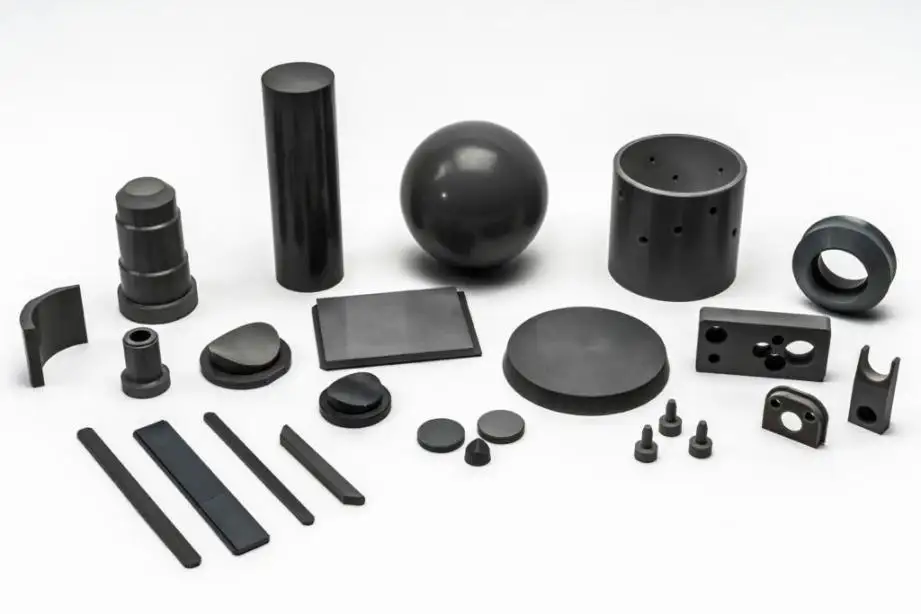
It is estimated that the worldwide market for advanced ceramics will grow from $21.89 billion in 2025 to $36.92 in 2032. Advanced ceramics save on costs due to downtime and longer product life. However, not all ceramics will suffice for all applications.
Alumina (Al₂O₃): The Workhorse of Wear Protection
Alumina is the default option for industrial clients looking for affordable wear resistant materials. Although there are many alumina ceramics, those that are most pure (99.8 +) and those that are less pure (85) are primarily composed of aluminum oxide. What is striking is the extreme hardness. (Henry et. al, 2009). Ceramics, which are slightly less than diamond on the Mohs scale, are up to 19 on the Vickers hardness scale. This hardness will lead to excellent resistance abrasion due to the frictional wear from the materials falling into contact with each other. .
•Key examples: Mining and cement applications, guides, and anything that require cutting.
•Things that are important to alumina: It is substantially (2-5x) cheaper than other ceramic alternatives, and has excellent alkali resistant.
Best for applications where the main concern is not the impact. Extensive use in chemical processing, food processing, and automotive.
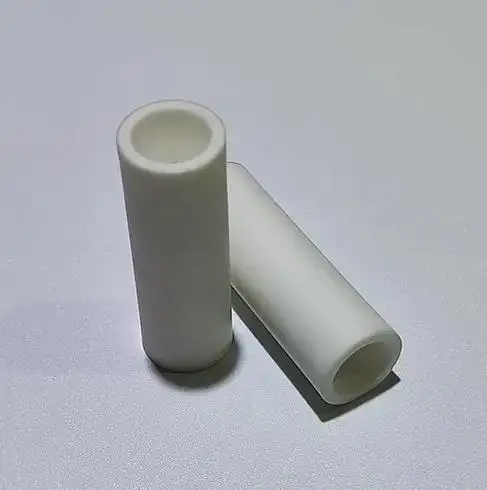
Zirconia (ZrO₂): Toughness and Wear Resistance
If alumina is considered the workhorse, zirconia is the athlete. Zirconia ceramics have the highest fracture toughness, and Zirconia ceramics have the highest fracture toughness, ZrO₂ is well above the rest of the other oxide ceramics. Experimental values of fracture toughness reported contribute to that toughness and range between 6 to 10 MPa·m¹/². Zirconia features transformation toughening, a unique characteristic, which “locks” cracks and hinders propagation as a crack is going to form via a phase change.
•Primary applications: Prosthetic dentistry, implants, advanced bearings, cutting tools, pump parts, grinding media, fuel cells, and even high-end consumer goods like jewelry and watch wear.
•The characteristics of zirconia for dense ceramics: bending strength, resistance to impact, effect thermal shock, and chemical stability even to molten metals. Yttria-stabilized zirconia (YSZ) is able to maintain stability cycles of loading for long periods of time.
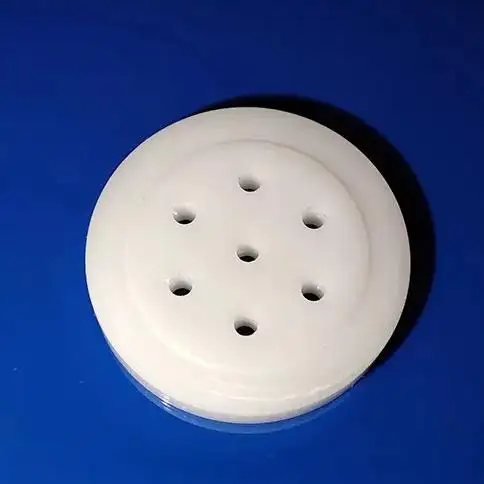
Best suited for applications that require structural forgiveness and wear resistance. Zirconia is positioned to wear resistance with fracture tolerance hökmünde.
Silicon Carbide (SiC): Extreme Performance for Extreme Conditions.
Silicon Carbide is among the hardest known materials to man, with mechanical strength being retained above 1400°C, making it the material engineered for use in the most extreme environments.
•Primary Applications: Semiconductor devices and substrates, bearings, mechanical seals, linings for rockets nozzles, heat exchanger tubes, industrial furnace components, kiln furniture and heat exchanger tubes.
•What makes silicon carbide unique: Extreme performance even in the most abrasive and extreme conditions of temperature and mechanical demands as found in aerospace & high-precision manufacturing.
•Best for: For use in extreme working conditions where high temperature resistance and exceptional hardness is required, aerospace, precision engineering and semiconductor manufacturing.
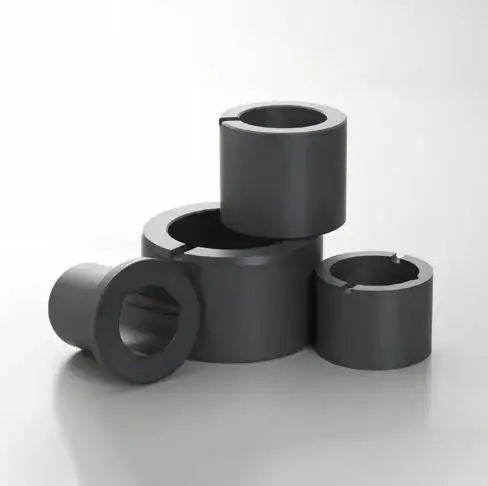
Silicon Nitride (Si₃N₄): The Balanced Performer
Silicon nitride has unique properties, and for many engineers, this ceramic appears to be among the top tier. It has a Vickers hardness of ~15 GPa and a flexural strength frequently above 800 MPa, and this strength is sustained to nearly 1,000°C. Visibility of Nitride’s properties plays a strong role in its applications and widespread use. It has excellent strength, toughness, and thermal shock resistance. What sets Silicon nitride apart even more so is its low coefficient of friction, so it is resistant to both abrasive and adhesive wear.
•Primary applications: high speed ceramic bearings, wear resistant nozzles, automotive and aerospace products. Aluminum foundry equipment.
•What makes Silicon nitride stand out: It has a low density (3.2 g/cm³) coupled with high strength, it is useful for dynamic applications especially where weight is a concern. Its low wear rate even under the high friction makes it acceptable for extreme mechanical environments.
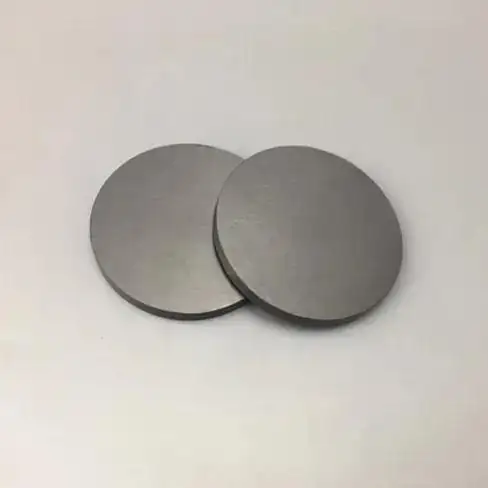
•Best for: Rotating and reciprocating machines where wear resistance and low mass is essential. Silicon nitride is the choice for high-performance bearings, where traditional steel bearings cannot withstand heat or are poorly lubricated.
Making the Right Choice: A Quick Selection Framework
Choosing appropriate Wear Resistant Ceramics is about marrying the material features and the use case.
•If cost is the prime concern and you need electrically insulating wear protection: choose alumina. It is cost effective and reliable.
•If you want material with a good impact resistance and good toughness: Choose zirconia. It does well under shock loading, and its transformation toughening helps avoid and mitigate failures.
•Need extreme hardness combined with high-temperature stability: Choose silicon carbide. Nothing else performs as well above 1,000°C.
Want to achieve mechanical excellence in dynamic applications and still have the perfect balance of resistance to damage and low friction? Choose silicon nitride.
From Deciding Materials to Actual Parts
All the knowledge in the world about materials, such as the case of Wear-Resistant Ceramics, means nothing if you do not have the right partner to translate materials science to actual parts.
At UPCERA, we have a manufacturing facility with over 26,000 square meters of space and a monthly output of over 100 million units, helping to support everything from single unit prototypes to mass manufacturing.
Having an integrated supply chain from powder production to design, manufacturing, and even after-sales service, helps us maintain quality consistency at every step of the production process. Under 24 hours, we respond to any request with materials recommendations and design suggestions, and provide quotes.
Inquiries about wear-resistant ceramics at UPCERA are welcome. You can also request us to work with your engineers to provide application-specific customized solutions.
Frequently Asked Questions
Q: Are wear-resistant ceramics more expensive than metals?
A: They do tend to be more expensive up front, however, in terms of service life and downtime, ceramics become more economical in the long run.
Q: Which ceramics are most appropriate for high-impact applications?
A: Zirconia is the most appropriate for most applications due to having the most impact resistance.
Q: Can ceramics replace metals in every wear application?
A: No, however, in commonly found abrasive, corrosive or high-temperature environments, ceramics outperform metals more consistently.
Q: Does UPCERA do small prototype orders?
A: Yes, UPCERA is willing to do any volume of order from prototype to pilot to full production and with quick lead time.
Q: How do I choose the correct ceramic material for my application?
A: Get in touch with UPCERA’s engineering. We typically respond within 24 hours and are happy to suggest materials for your given operating conditions.


In This Article
- 1 Alumina (Al₂O₃): The Workhorse of Wear Protection
- 2 Zirconia (ZrO₂): Toughness and Wear Resistance
- 3 Silicon Carbide (SiC): Extreme Performance for Extreme Conditions.
- 4 Silicon Nitride (Si₃N₄): The Balanced Performer
- 5 Making the Right Choice: A Quick Selection Framework
- 6 Frequently Asked Questions
