 English
 中文
中文






Complete Guide to Zirconia Ceramic Bushing Performance and Selection
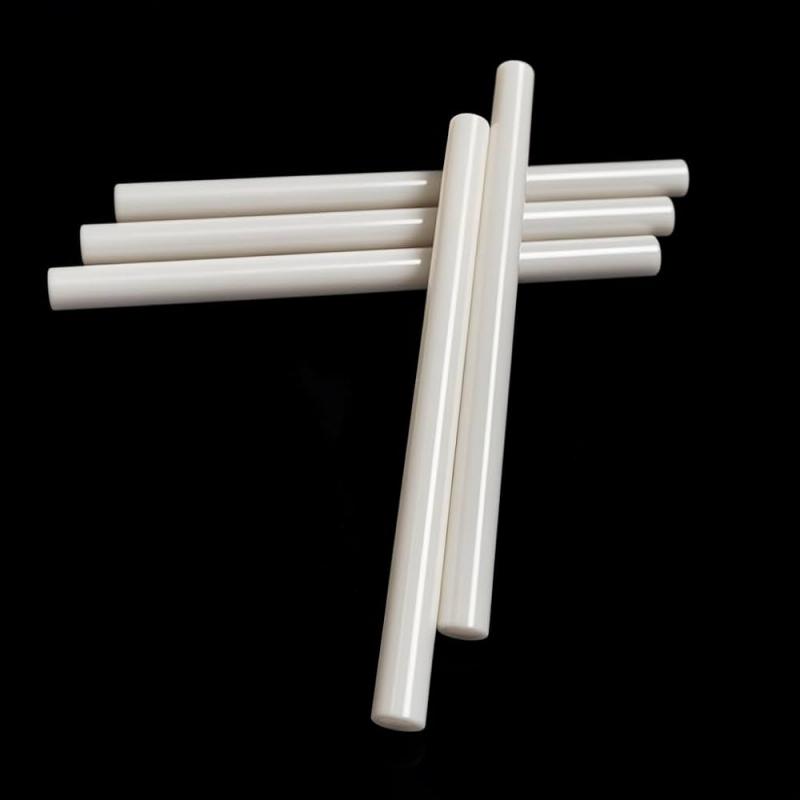
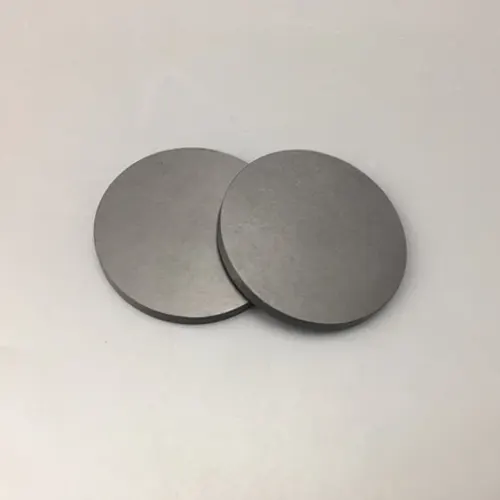
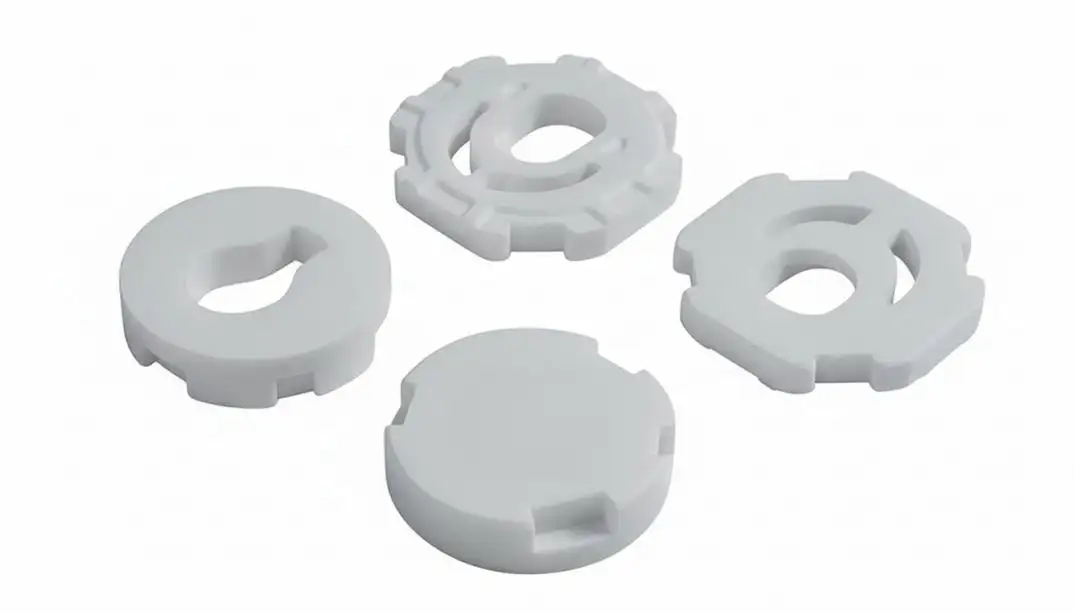
Mass-produced bushings are commonly available in three main material categories. Among them, 3Y-TZP yttria-stabilized zirconia is the preferred material for precision wear-resistant, high-speed, and heavily loaded applications. It supports full-range precision bushings and tribological components, can be manufactured by dry pressing, cold isostatic pressing, slip casting, and other forming methods, and is suitable for nonstandard customization across multiple industries.
1. Main Bushing Material Categories
Industrial structural-ceramic bushings are mainly produced from three material categories with clear differences in performance, cost, and operating suitability. Of these, 3Y-TZP yttria-stabilized zirconia offers the broadest application range and the best overall performance:
3Y-TZP yttria-stabilized zirconia: A composition of 94.5% ZrO₂ and 5.5% Y₂O₃, offering high toughness, high flexural strength, mirror-polishing capability, and excellent dimensional accuracy. It is suitable for premium applications such as high-speed precision motors, pumps and valves, and medical devices.
Standard alumina ceramic: High hardness, low cost, electrical insulation, and high-temperature resistance, but relatively low toughness. It is suitable mainly for light-load, low-speed, standard wear-resistant and insulating applications.
Metal alloys: Excellent impact toughness, high assembly tolerance, low overall cost, and fast machining and delivery. However, they provide shorter wear life and limited corrosion resistance and require long-term lubrication and maintenance.
2. Core Physical and Mechanical Properties of 3Y-TZP Zirconia
3Y-TZP is a benchmark commercial structural ceramic for toughness. Its stable physical and chemical properties suit combined high- and low-temperature, dry and wet, and corrosive operating conditions. Typical values are as follows:
Density: 6.03 g/cm³
Vickers hardness: 1,200-1,400 HV, with wear resistance stated to be more than five times that of 316 stainless steel
Mechanical strength: Flexural strength of 1,000-1,400 MPa and compressive strength above 2,000 MPa
Fracture toughness: 8-10 MPa·m¹/², among the highest in ceramic materials, reducing the risk of edge chipping and cracking under load
Coefficient of thermal expansion: 9.6×10⁻⁶/°C, close to that of steel, which reduces the risk of seizure or cracking in hot and cold fitted assemblies
Thermal conductivity: 2-3 W/(m·K), providing thermal insulation and low heat transfer
Temperature resistance: Continuous service temperature ≤1,000°C, short-term peak temperature of 1,200°C, and a typical long-term stable operating range of -50 to 450°C
Coefficient of friction: After mirror polishing to roughness as low as Ra 0.02 μm, the surface offers self-lubricating behavior and can support oil-free dry-running operation
3. Core Advantages of 3Y-TZP Zirconia Bushings
Compared with metal-alloy and standard alumina bushings, 3Y-TZP is better suited to heavy loads, corrosive media, high speed, high precision, and other demanding conditions. Six core advantages support specialized industrial applications:
Exceptional wear resistance and longer service life: Wear is greatly reduced compared with bronze, cast iron, and stainless-steel bushings. In sand- or slurry-containing service, life can reach three to five times that of high-chromium cast iron; in unlubricated dry-pump service, it can exceed the life of copper bushings by more than 20 times, significantly reducing replacement and maintenance frequency.
Broad corrosion resistance for complex media: Resistant to common strong acids, strong alkalis, brine, organic solvents, and seawater. Only hydrofluoric acid and hot concentrated strong alkalis cause noticeable attack, making zirconia a preferred wear component for electroplating, chemical-processing, and marine equipment.
Nonmagnetic and electrically insulating: The material is neither magnetic nor electrically conductive and does not attract magnetic dust. It is suitable for lithium-battery equipment, demagnetizing machines, precision electronics, and high-voltage insulated rotating components.
High-speed operation with controlled low temperature rise: Surfaces can be mirror polished to Ra 0.01-0.05 μm, supporting high-speed spindles and miniature motors operating at 12,000-75,000 rpm. Operating temperature rise can be much lower than with alumina and various metal bushings.
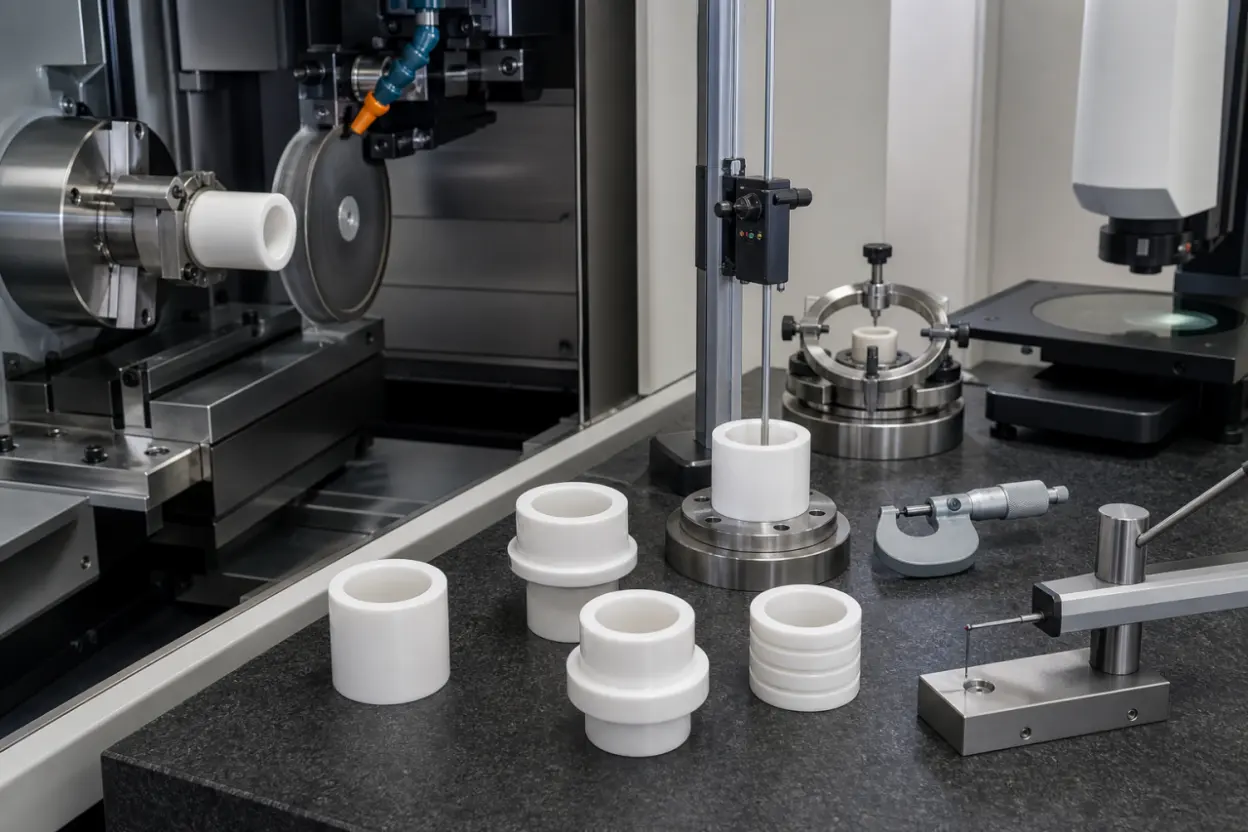
Stable sintering and extremely high dimensional accuracy: High-temperature sintering deformation is small, and precision finishing supports excellent tolerances. Bore tolerance can reach ±0.001-0.005 mm and concentricity ≤0.003 mm. Both internal and external cylindrical surfaces can be mirror polished for high-precision shaft matching and assembly.
Biocompatible, nontoxic, and safe: The material does not release or migrate heavy metals and has stable physical and chemical properties, allowing compliant use in food processing, pharmaceutical filling, and supporting components for dental and medical devices.
4. Product Specifications and Complete Manufacturing Process
4.1 Suitable Forming Processes
Select the forming process according to order volume and product geometry:
Dry pressing: Suitable for high-volume standard-size bushings, with high production efficiency and controllable cost.
Cold isostatic pressing (CIP): Suitable for thick-wall and complex-shaped bushings. It produces a uniformly dense blank without lamination defects and improves finished-part stability.
Slip casting: Suitable for oversized, complex, ultra-thin, or special nonstandard bushings and small-batch customization.
4.2 Standard Precision-Finishing Process
Bisque firing → high-temperature densification sintering → internal/external cylindrical or centerless grinding → precision end-face grinding → mirror polishing → secondary slotting/precision drilling
4.3 Common Market Structures
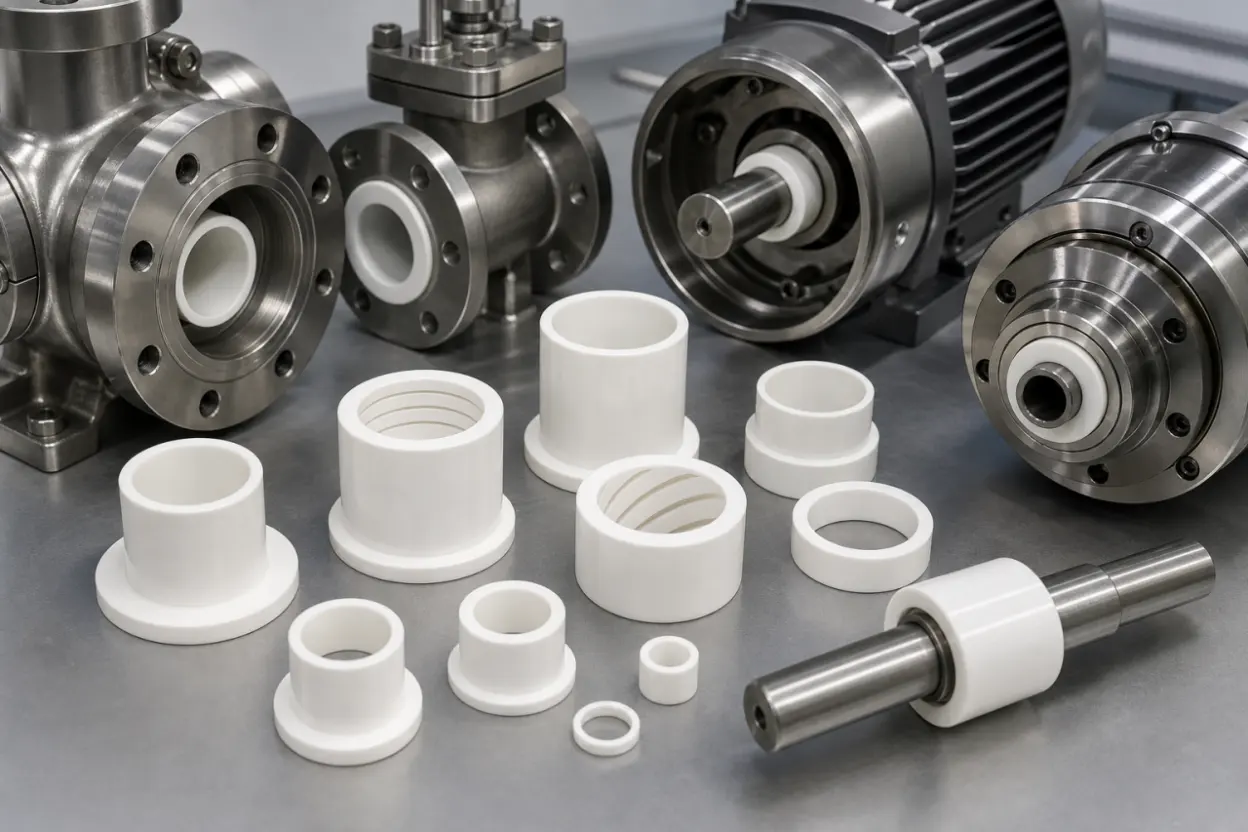
Straight smooth bushing: A general-purpose standard wear sleeve for conventional transmission and pump assemblies
Oil-groove/spiral-groove bushing: Includes an internal lubricant reservoir for long-term lubricated operation
Flanged locating bushing: Incorporates an axial stop for convenient installation and positioning in fixed rotating mechanisms
Stepped, long, short, miniature, and ultra-thin bushings: Designed for miniature motors and precision fiber-optic and optoelectronic assemblies
Matched tribological pair: An integrated zirconia shaft and zirconia bushing set forming an all-ceramic wear-resistant assembly
4.4 General Machining Size Range
Minimum bore diameter 0.5 mm, maximum outside diameter 200 mm, controllable wall thickness 0.3-30 mm, and finished length 0.8-300 mm. Nonstandard sizes can be customized from customer drawings.
5. Applicable Industries and Typical Equipment
Wear resistance, insulation, corrosion resistance, high-speed capability, and nontoxicity support seven major industrial sectors and specialized equipment components:
Fluid pumps and valves: Chemical magnetic-drive pumps, slurry pumps, sewage pumps, metering pumps, valve sleeves, and mechanical-seal bushings for wear-resistant service in acidic, alkaline, and slurry media.
High-speed motors and precision transmission: High-speed spindles, miniature brushless motors, dental handpieces, vacuum pumps, and high-speed textile spindles for low-noise and low-temperature-rise operation.
New-energy lithium-battery equipment: Mixer bushings, coating-machine guide sleeves, and electrolyte-pump liners providing electrical isolation and preventing metal-ion contamination of electrolytes.
Electroplating and marine industries: Electroplating-drum bushings, seawater pumps, and underwater rotating components for long-term resistance to salt spray and seawater corrosion.
Food and pharmaceutical industries: Mixing-tank bushings, filling-pump components, pharmaceutical centrifuges, and dental instruments requiring nontoxic, contamination-free materials.
High-temperature industry: Heat-treatment furnace roller sleeves, high-temperature injection-mold sleeves, and small rotating wear bushings for metallurgical equipment.
6. Relative Material Limitations and Assembly Precautions
Although tougher than alumina and other standard structural ceramics, zirconia remains far less impact-tough than steel. It must not be used under severe impact or heavy alternating impact loads.
High-purity raw materials and mirror grinding result in relatively high manufacturing cost, exceeding that of brass, stainless steel, and standard alumina bushings.
Media compatibility is limited in certain cases. Long-term immersion in hydrofluoric acid or hot concentrated sodium-hydroxide solution is not recommended.
As an inherently brittle inorganic ceramic, zirconia must not be struck forcefully during assembly. Thermal fitting or controlled static press fitting is preferred.
7. Comparison of Mainstream Ceramic Bushing Materials
| Compared Material | Core Performance Characteristics | Suitable Conditions | Cost Level |
| Alumina Ceramic Bushing | High hardness, electrical insulation, high-temperature resistance, low toughness, and susceptibility to chipping under load | Light-load, low-speed, standard insulating and wear-resistant applications | Low cost; basic value option |
| 3Y-TZP Zirconia Bushing | Leading ceramic toughness, wear and corrosion resistance, self-lubricating behavior, high accuracy, and low temperature rise | Medium-to-high speed, heavy load, corrosive media, and demanding precision assemblies | Mid-to-premium level; best overall service value |
8. Product Delivery and Nonstandard Customization
Nonstandard customization: Customers may provide 2D drawings or 3D models. If drawings are unavailable, provide the bore diameter, outside diameter, length, tolerance grade, and surface-finish requirements, together with appearance standards, inspection items, and inspection methods.
Frequently Asked Questions (FAQ)
Q: Can 3Y-TZP zirconia bushings replace metal bushings in every application?
A: No. Zirconia cannot replace steel under heavy impact or severe collision. It is suitable for replacing metal bushings in rotating-friction, corrosion-resistant, electrically insulating, and high-speed applications.
Q: Must zirconia bushings be assembled by thermal fitting?
A: Thermal fitting or controlled press fitting is preferred for high-precision mating components. Do not use a hammer or forceful impact during assembly, as this may chip edges or create internal cracks.
Q: How can zirconia and alumina bushings be selected quickly?
A: Choose alumina for low-speed, light-load applications where cost control and basic insulation and wear resistance are the main requirements. Choose 3Y-TZP zirconia for high speed, heavy load, corrosive media, high precision, and long service life.
Q: Can zirconia ceramics withstand long-term seawater immersion?
A: Yes. Zirconia provides excellent resistance to seawater and salt-spray corrosion. Hydrofluoric acid and hot concentrated strong alkalis are the main exceptions; most other acidic, alkaline, and saline media are compatible.
Q: What is the smallest bore diameter available for zirconia bushings?
A: The minimum bore diameter for standard precision machining is 0.5 mm, suitable for miniature motors.
Material Selection and Custom Manufacturing Support
If you need wear-resistant, electrically insulating, high-speed, or corrosion-resistant structural-ceramic bushings and must select between alumina and 3Y-TZP zirconia, we can evaluate equipment speed, process media, load, assembly tolerances, and order volume. We provide material selection, forming-process matching, dimensional-tolerance optimization, stock matching, and integrated nonstandard custom-manufacturing solutions.


