 English
 中文
中文







2026 Custom Ferrule Guide| One-Stop Solutions to Precision Connections
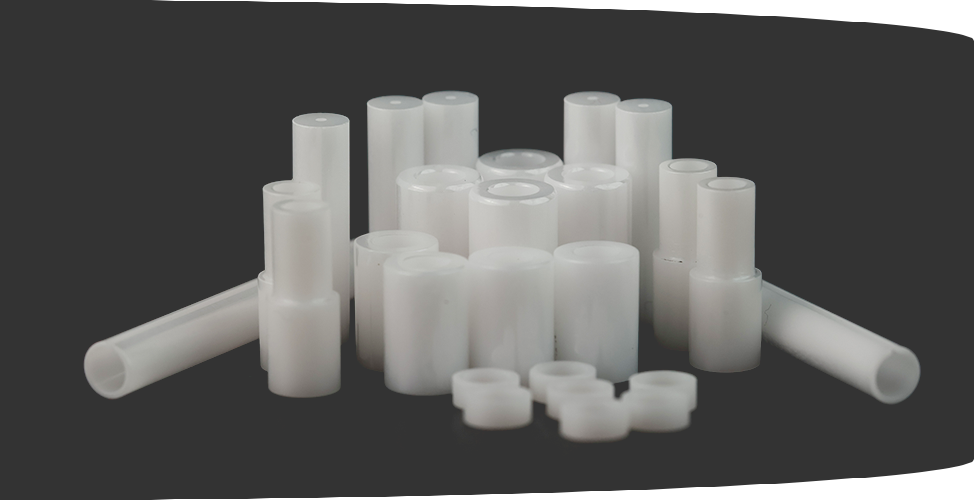
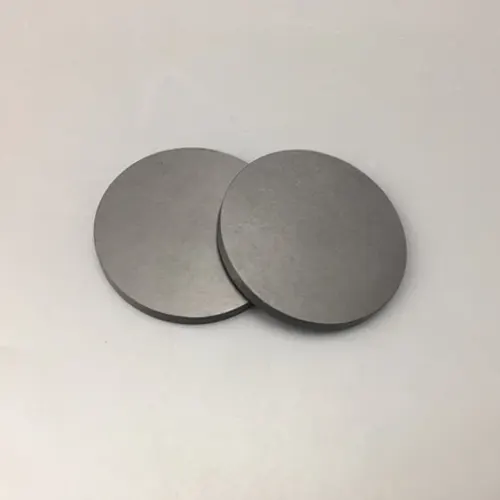
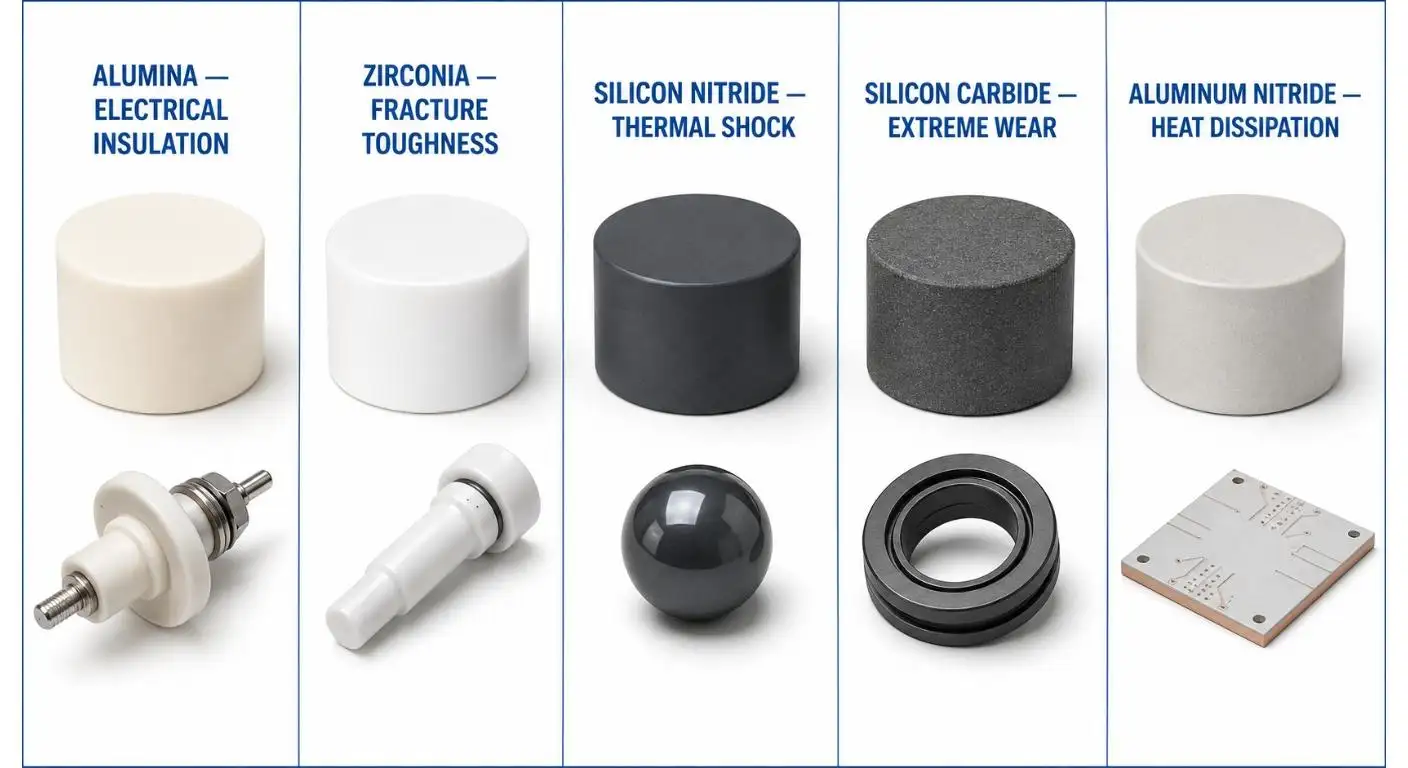
The Custom Ferrule is the core component for precise fiber alignment. It is a ceramic sleeve that positions the fiber and controls end-face contact. Robust zirconia ensures hardness, fine wear characteristics, and thermal stability. These properties keep loss low and performance consistent under stress. The 2026 Custom Ferrule Guide delivers one-stop precision connections. It explains the core terminology and demonstrates when customization can bring value. It provides a clear and detailed comparison between custom and standard designs. The presentation also introduced UPCERA’s process control and traceability. The configurations, tolerances, and application cases will follow. Key decisions and hidden risks will be revealed in the next sections.
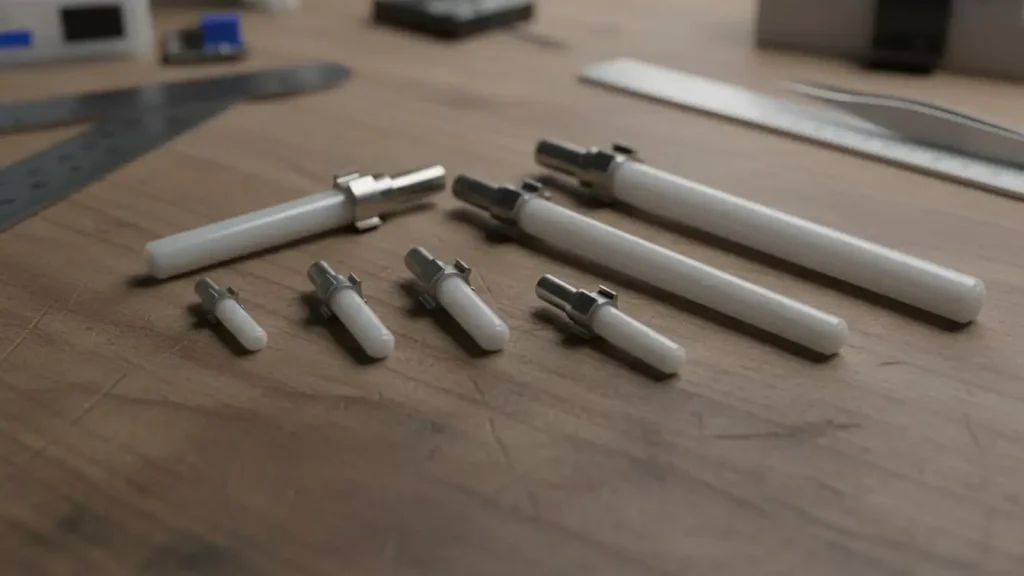
Understanding Ceramic Ferrules and When to Customize
- What Is a Ceramic Ferrule?
A ceramic ferrule is the precision sleeve that positions an optical fiber inside a connector, adapter, or alignment fixture. It controls X-Y centering, sets Z-axis insertion depth, and defines the end-face geometry that governs physical contact. High-purity zirconia is the preferred material because it couples high hardness and wear resistance with a thermal expansion close to silica glass.
This material pairing preserves alignment and contact force as temperatures vary, keeping insertion loss low and return loss stable over long service lives.In standardized interfaces such as SC and LC, the ferrule governs bore accuracy and the concentricity between the bore and the outer diameter. Micron-scale deviations can translate into lateral offset, angular tilt, or micro-gaps at the interface. These mechanical errors become optical penalties: higher insertion loss, higher back-reflection, and unstable behavior under vibration or thermal cycling. The ferrule is therefore not a passive spacer; it is the mechanical reference for the optical axis.
- Custom Ferrule Versus Standard Designs
Standard ferrules follow fixed dimensions for mass deployment. They are cost-efficient and widely available.Yet advanced systems – high-density data center links, fiber lasers, compact sensors, and rugged 5G nodes – often demand geometries that a catalog part cannot provide. A Custom Ferrule addresses this gap with targeted control of ID/OD, length, chamfer, hole count, and end-form.
Key advantages of a Custom Ferrule include:
•Tuned fit that reduces coaxial offset and end-face angle variation, improving insertion loss and return loss.
•Micron-level tolerances on bore and OD that maintain alignment through repeated mate – demate cycles.
•Structural options – single-hole, double-hole, or large-bore – for duplex sensing, beam delivery, or specialty fibers.
•Integration features such as a metal shank for robust mounting or thermal pathways in hybrid assemblies.
•Step-end or tapered-end forms that guide insertion, manage adhesive flow, and protect the fiber edge.
At UPCERA, Custom Ferrule production is anchored by process control. We bring more than 20 years of ceramic manufacturing experience and supply factory-direct to ensure consistent quality and dependable lead times. Every ferrule passes 100% concentricity inspection. Micron-level tolerances are verified by in-line metrology across critical stages. End-face polishing is defined to control apex offset and radius.Laser marking adds traceability for audits, maintenance records, and field feedback.
Design Options and Quality Specifications
- Configurable Geometries and Features
A successful Custom Ferrule starts from the optical function and maps back to geometry, materials, and process controls. The goal is to align fiber physics with mechanical reality: the adhesive system, the connector body, and the environment in which the assembly will live. UPCERA supports a broad set of configurations to meet those needs without forcing compromise.
•ID: Micron-precision inner bores for SM, MM, specialty fibers, and capillaries; large-bore choices for laser and high-power delivery.
•OD: Custom outer diameters for housings and sleeves to trim runout and secure repeatability in volume assembly.
•Length and Chamfer: Length sets seat depth and relief; chamfers prevent edge wear, ease fiber loading, and manage adhesive wicking.
•Single or Dual Hole: Dual holes support paired sensing, reference measurement, or duplex routing in cramped spaces.
•Large-Bore Designs: Fit oversized cores, protective tubing, and beam-conditioning parts outside standard ranges.
•Metal Shank Integration: Provides a mechanical anchor and reliable torque path in vibration and heat.
•Step-End or Tapered-End: Step-end locks axial location; tapered-end lowers contact risk and enables guided insertion at speed.
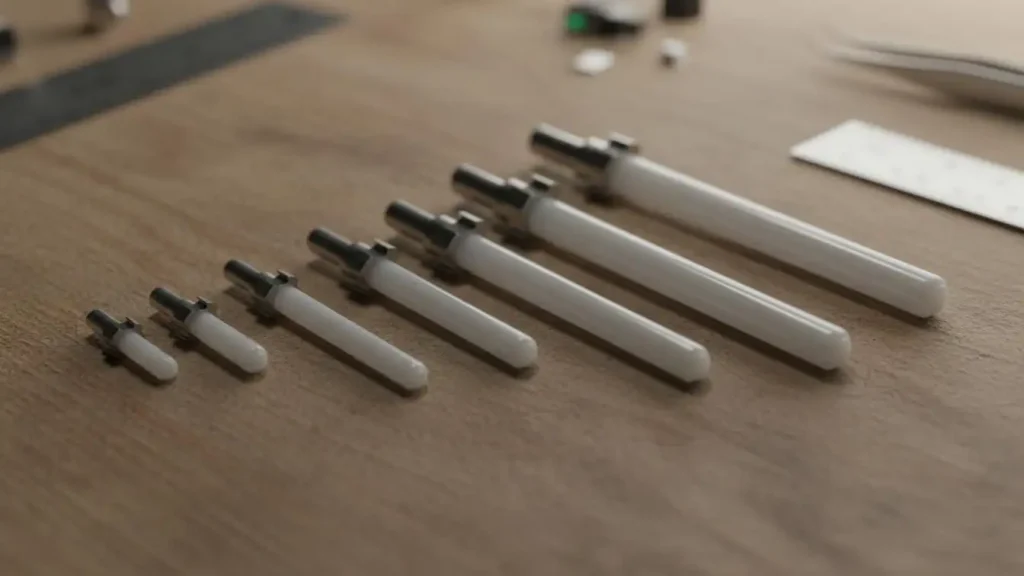
These configurable features let engineers match the Custom Ferrule to the true interface instead of forcing the interface to change. In data centers, this means optimizing the outer diameter and length of the new transceiver housing while maintaining a snug fit. A photonics lab, which could mean employing a large-aperture, non-magnetic design to protect beam quality. In 5G or FTTx applications, this typically means requiring ruggedized characteristics that can withstand vibration, moisture, and repeated field operations.
- Metrics that Safeguard Optical Performance
Optical performance tracks mechanical fidelity.When the dimensions are stable, the optics remain stable. UPCERA builds performance into the Custom Ferrule by holding the metrics that matter in the field:
•Concentricity: 100% concentricity inspection limits core offset that causes lateral misalignment and modal coupling loss.
•ID Tolerance And Roundness: Tight ID control reduces fiber ovalization, micro-motion under thermal cycling, and adhesive voids that destabilize the core position.
•OD Control And Surface Finish: Consistent OD and fine finish improve sleeve fit, reduce wear, and lower particle generation for long-term reliability.
•End-Face Polishing: Precisely managed apex offset, radius, and angularity curb back-reflection and support dependable PC contact.
•Material Stability: High-purity zirconia provides abrasion resistance and geometric stability under shock/vibration, with thermal behavior that matches fiber to reduce drift.
•Traceability: Laser IDs connect each Custom Ferrule to lot genealogy and QC data, accelerating qualification and simplifying maintenance records.
Applications, Pain Points, and Proven Solutions
Use Cases Across Networks and Laboratories
When standard ferrules limit performance or integration, Custom Ferrule options restore design freedom. In data centers and cloud platforms, port density climbs as real estate shrinks. Customized OD and chamfer enable compact connectors without sacrificing alignment. Repeatable polishing and measured concentricity cut variability across large link populations, keeping loss budgets on target.
In 5G and FTTx deployments, assemblies must tolerate temperature cycling, moisture, and vibration. Zirconia’s hardness and chemical stability resist wear. Secure end geometries and optional metal shanks help hold alignment through deployment and service, reducing rework.
Fiber lasers and photonics assemblies rely on large bores for high-power coupling and beam routing. Step-end and tapered-end designs reduce contact damage and support guided, high-yield assembly. Precise bores help preserve beam centering and reduce back-reflection that can destabilize the source or seed unwanted feedback.
Sensors, medical devices, and research instruments benefit from inert, non-magnetic, and electrically insulating ceramics.Dual-hole ferrules simplify reference channels and differential measurements. Tight tolerances protect calibration, reduce drift, and support cleanroom protocols where contamination control is essential.
Optical test and measurement equipment depends on reference connectors with low variability. Controlled end-face geometry and micron-level tolerance control sustain measurement traceability from the lab to volume manufacturing, avoiding shifts in baselines as hardware scales.
Industry Pain Points and UPCERA Responses
Recurring failure modes in optical assemblies have mechanical causes.UPCERA’s Custom Ferrule solutions address those causes directly rather than treating symptoms.
•Loss Drift Over Time: Bore mismatch and adhesive creep allow the fiber to shift. Solution: micron-level ID control, chamfer design that governs capillary flow, and stable polishing geometry.
•Excess Back-Reflection: Variability in apex offset or end-face angle elevates return loss. Solution: defined polishing parameters with inspection feedback for consistent end-face geometry.
•Thermal And Mechanical Drift: CTE mismatch and weak anchoring induce misalignment. Solution: zirconia matched to silica, optional metal shank, and step-end location features for robust mounting.
•Wear And Particle Generation: Soft materials and rough surfaces contaminate interfaces.Solution: dense zirconia with fine surface finishes to reduce abrasion and debris.
•Batch-To-Batch Inconsistency: Fragmented supply chains obscure quality signals. Solution: factory-direct production, 100% concentricity inspection, and laser-marked traceability for unified lot control.
•Non-Standard Integration Limits: Catalog ferrules cannot fit unique envelopes. Solution: Custom Ferrule configurations for OD, length, large-bore, and dual-hole layouts aligned to actual packaging constraints.
UPCERA’s one-stop workflow connects material science, precision ceramics, and optical metrology in a single accountable chain. We translate drawings into manufacturable geometry, recommend tolerance bands that protect alignment, and propose end-face and chamfer strategies that reduce optical loss and raise assembly yield. With 20+ years of ceramic experience and factory-direct supply, we align engineering intent with production reality. Our commitments include 100% concentricity inspection, micron-level tolerances, defined end-face polishing, and laser marking for full traceability.Call to Action
Advance your next Custom Ferrule design with UPCERA.Share your fiber specification, optical targets, mechanical envelope, and operating environment. We will recommend geometry, tolerance ranges, and end-face parameters tailored to your use case – whether data center links, 5G nodes, fiber lasers, sensors, or test fixtures. Request evaluation samples to validate insertion loss, return loss, and assembly yield under real conditions. Engage UPCERA today for factory-direct, one-stop solutions to precision connections.


In This Article
- 1 Understanding Ceramic Ferrules and When to Customize
-
2
Design Options and Quality Specifications
- 2.1 A successful Custom Ferrule starts from the optical function and maps back to geometry, materials, and process controls. The goal is to align fiber physics with mechanical reality: the adhesive system, the connector body, and the environment in which the assembly will live. UPCERA supports a broad set of configurations to meet those needs without forcing compromise.
- 2.2 Optical performance tracks mechanical fidelity.When the dimensions are stable, the optics remain stable. UPCERA builds performance into the Custom Ferrule by holding the metrics that matter in the field:
- 3 Applications, Pain Points, and Proven Solutions
