 English
 中文
中文






Wear-Resistant Ceramic Parts vs. Hardened Steel and Tungsten Carbide
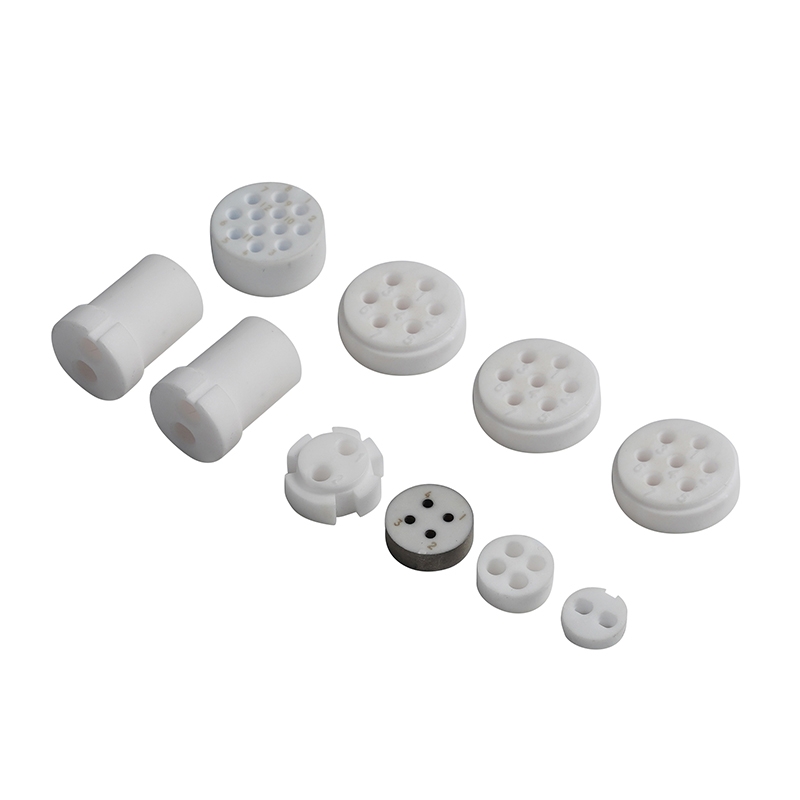
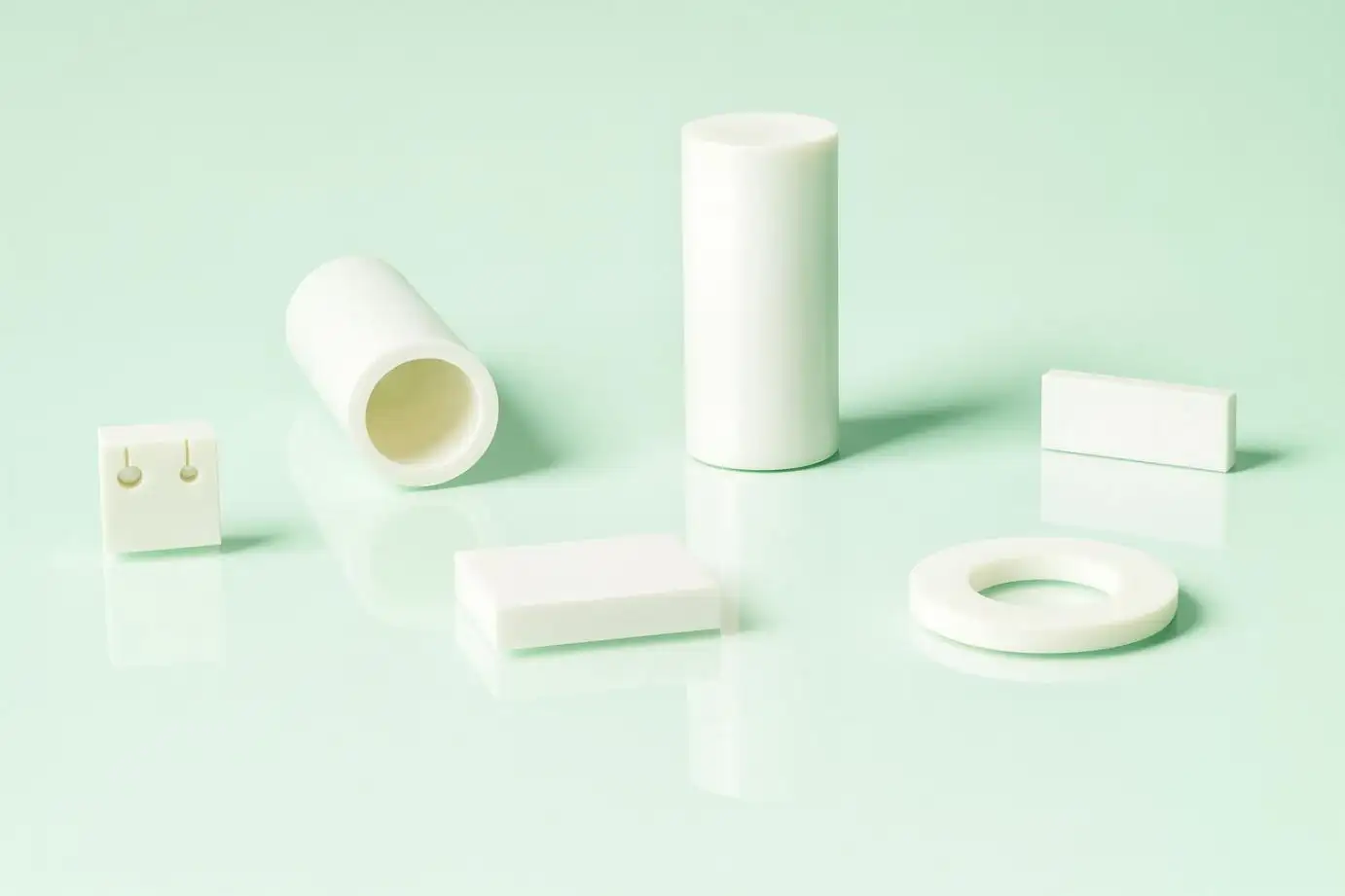
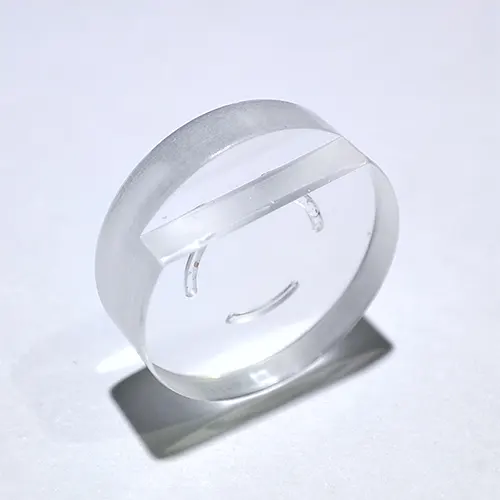
The selection of Wear-Resistant Ceramic Parts, hardened steels, and tungsten carbides, cannot be deeply analyzed based on the materials’ hardness alone. Consideration needs to be also given to the materials’ abradability, impact resistance, corrosion resistance, thermal resistance, friction, and the effects of mechanical loads on the materials.
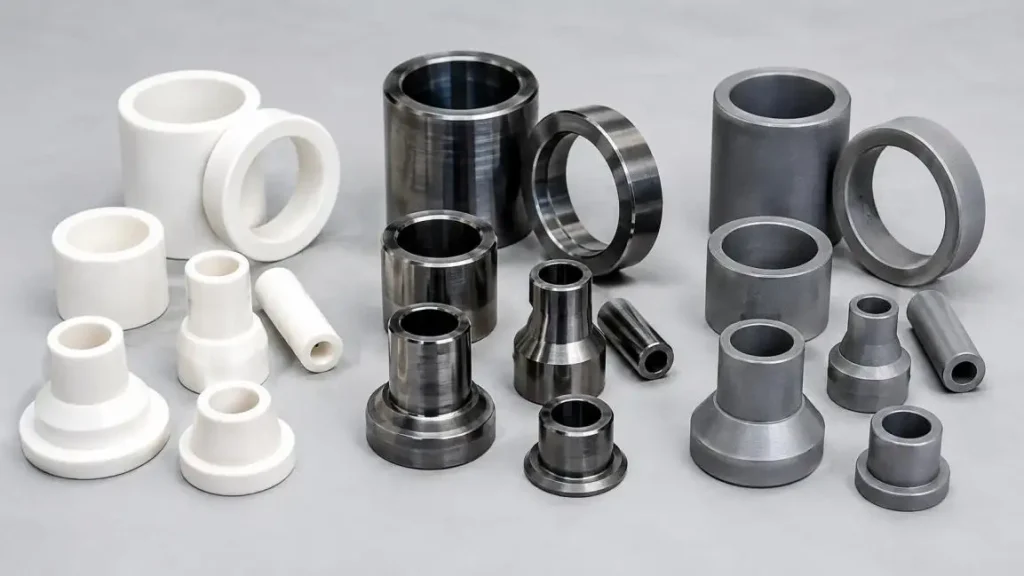
In general:
• Wear-Resistant Ceramic Parts have high hardness, corrosion resistance, low density, are electrically insulating, and show good dimensional stability.
• Hardened steel has good impact resistance and is tough.
• Tungsten carbide has high hardness, high stiffness, high compressive strength, and excellent resistance to abrasive wear.
The precise material for your needs is dependent upon all of the operating conditions, and not just the hardness of the material.
What Are Wear-Resistant Ceramic Parts?
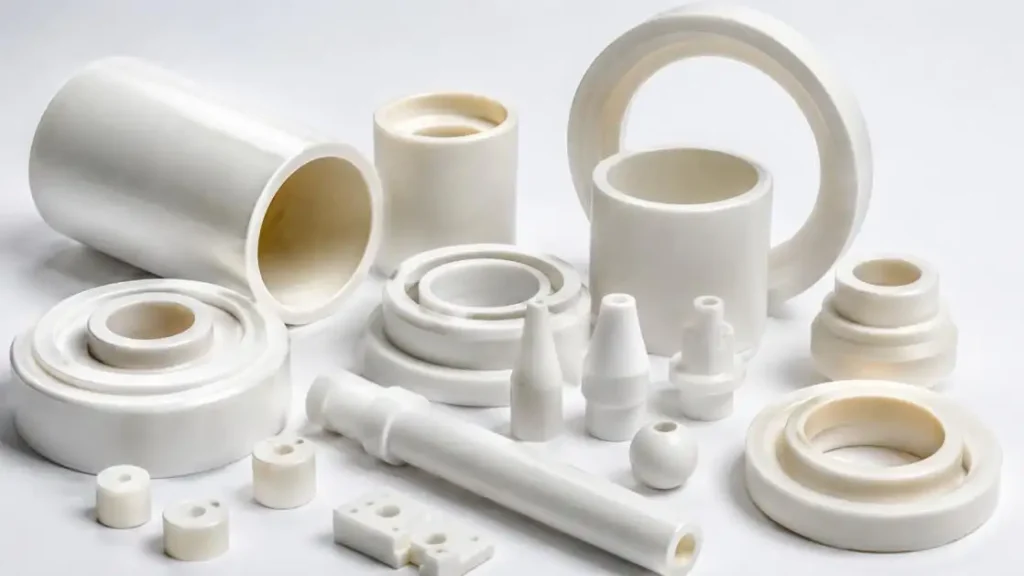
Wear-Resistant Ceramic Parts are precision components manufactured from advanced ceramic materials such as:
• Alumina ceramic
• Zirconia ceramic
• Silicon nitride
• Silicon carbide
After forming, sintering, grinding, and polishing, these materials can be manufactured into:
• Ceramic bushings and sleeves
• Nozzles and fluid-control components
• Valve seats and valve cores
• Guide pins and ceramic rods
• Sealing rings
• Wear plates
• Electrical insulating components
• Custom-shaped ceramic structural parts
The main characteristics of Wear-Resistant Ceramic Parts include high surface hardness, chemical stability, low density, electrical insulation, low metal-contamination risk, and stable performance at elevated temperatures.
However, ceramic components are not wear-proof. A mismatch of ceramic grade, geometry, or mounting method for the application may still lead to particle erosion, abrasion, microcracking, edge chipping, and fatigue.
Differences Between Hardened Steel and Tungsten Carbide
Hardened steel is made harder on the surface by one of several hardening methods (quenching, tempering, carburizing, nitriding or induction hardening). It is often used for making parts that will be subjected to impact or bending, vibrating, and even to misalignment during fitting.
Hardened steel has a number of practical advantages:
• Fracture toughness
• Impact resistance
• Easier to machine and weld
• Developed methods for repair and maintenance
• Economical for making large parts of a structure
However, hardened steel can lose dimensions rapidly through abrasive wear and can corrode, oxidize, or adhere in severe abrasive environments.
Tungsten carbide is made from very hard carbide particles that are bonded with cobalt or a metallic binder. It provides:
• Very high hardness
• High compressive strength
• High stiffness
• Excellent abrasive-wear resistance
• Better impact tolerance than many high-hardness ceramics
Its limitations include high density, expensive raw materials, difficult machining, electrical conductivity, and possible corrosion of the metallic binder.
Ceramic Wear Parts Material Comparison
| Performance Factor | Wear-Resistant Ceramic Parts | Hardened Steel | Tungsten Carbide |
| Abrasive-wear resistance | High | Moderate to high | Very high |
| Impact resistance | Relatively low | High | Medium to high |
| Corrosion resistance | Generally high | Alloy-dependent | Binder-dependent |
| Density | Low | High | Very high |
| Electrical insulation | Available | No | No |
| High-temperature stability | Generally strong | Heat-treatment dependent | Generally strong |
| Complex geometries | Possible with ceramic-aware design | Flexible | More difficult |
| Surface finish | Very low roughness achievable | Easy to finish | Precise but costly |
| Typical components | Bushings, nozzles, seals, guides | Shafts, gears, frames | Dies, tools, valves |
These are general engineering trends. Actual performance depends on material grade, purity, microstructure, surface condition, part geometry, and loading direction.
Performance Under Different Wear Mechanisms
Abrasive Wear
Abrasive wear occurs when hard particles slide, roll, or impact a component surface. It is common in powder processing, mineral equipment, slurry systems, and material-conveying lines.
Wear-Resistant Ceramic Parts and tungsten carbide usually provide better dimensional stability than conventional hardened steel in severe abrasive conditions. Large or high-velocity particles can damage ceramic edges, particularly if the component is poorly supported.
Sliding Wear
Bushings, guides, seals, and other friction elements are subject to sliding wear. Performance is influenced by many factors:
• Surface roughness
• Contact pressure
• Lubrication
• Materials of the opposing surfaces
• Alignment
• Speed
Precision wear-resistant ceramic parts can be produced to low surface roughness to help reduce both adhesive wear and friction instability.
Erosive Wear
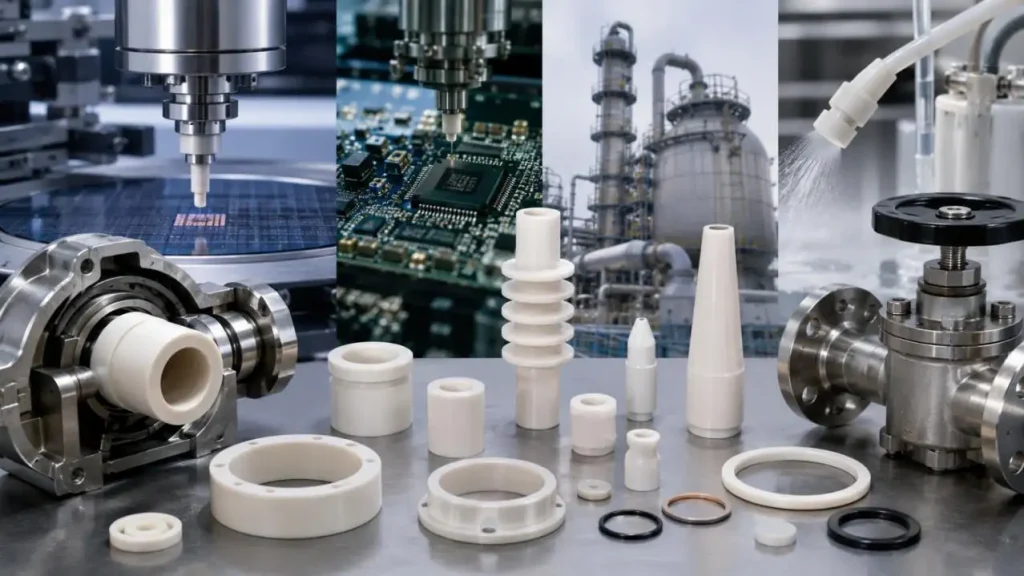
Erosive wear occurs in nozzles, pumps, valves, and other fluid control elements due to the high-velocity impact of liquids and gases, or even solid suspended particles.
Ceramic materials can provide both wear and corrosion resistance. Successful designs should avoid:
• Sharp internal corners
• Unsupported edges
• Sudden wall-thickness changes
• Localized stress concentration
• Uncontrolled particle impact angles
Impact Wear
High hardness does not automatically provide high impact resistance. Hardened steel is generally more suitable for repeated impact, bending, and severe misalignment.
Tungsten carbide can support medium-to-high compressive loads. Wear-Resistant Ceramic Parts require controlled loading, suitable wall thickness, rounded transitions, and stable mechanical support.
Material Selection Guide
| Application Requirement | Recommended Material Direction |
| Heavy impact or bending loads | Hardened steel |
| Severe abrasion and high compression | Tungsten carbide |
| Wear and corrosion resistance | Wear-Resistant Ceramic Parts |
| Electrical insulation required | Wear-Resistant Ceramic Parts |
| Low weight or low inertia | Wear-Resistant Ceramic Parts |
| Welding or on-site repair required | Hardened steel |
| Low metal contamination | Wear-Resistant Ceramic Parts |
| Precision sliding or fluid control | Precision ceramic or carbide after testing |
Before selecting a material, engineers should define the wear mechanism, impact level, temperature, chemical medium, required tolerances, surface finish, and mounting method.
Custom Wear-Resistant Ceramic Parts From UPCERA
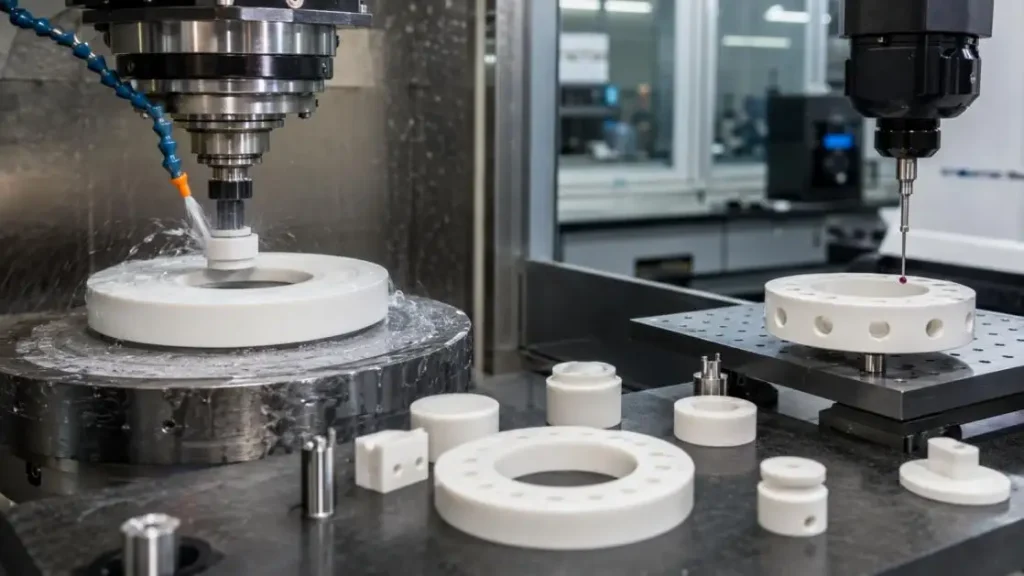
For Wear-Resistant Ceramic Parts with thin walls, small holes, concentric structures, sealing surfaces, or ceramic-to-metal connections, manufacturing accuracy is as important as material selection.
UPCERA provides high-precision ceramic custom processing for:
• Wear-resistant bushings and nozzles
• Square-punched and metallized ceramic parts
• Engraved and printed ceramic components
• Ceramic-to-metal bonded parts
• Non-standard and complex ceramic structures
Manufacturing processes include advanced forming, controlled sintering, precision grinding, drilling, polishing, metallization, bonding, and geometric inspection.
Key capabilities include:
| Manufacturing Feature | Capability |
| Maximum tube or rod length | 1000 mm |
| Maximum plate size | 400 × 400 mm |
| Minimum drilled hole | φ0.4 mm |
| Minimum thread | M2 |
| Minimum wall thickness | 0.1–0.2 mm |
| Best outer-diameter accuracy | ±0.002 mm |
| Best inner-diameter accuracy | ±0.001 mm |
| Surface roughness | Ra 0.02–Ra 0.2 |
| Roundness and concentricity | 0.002 mm |
| Flatness | 0.003 mm |
Achievable tolerances depend on ceramic material, feature size, wall thickness, datum design, inspection method, and production volume.
When to Select Wear-Resistant Ceramic Parts?
Wear-Resistant Ceramic Parts are particularly suitable when an application combines:
• Abrasive or sliding wear
• Corrosive media
• Electrical insulation
• High operating temperature
• Low metal contamination
• Low component weight
• Tight dimensional tolerances
• Smooth sealing or sliding surfaces
Hardened steel or tungsten carbide may remain preferable when components experience strong impact, bending, frequent disassembly, or field welding.
Conclusion
No single wear-resistant material is suitable for every application. Wear-Resistant Ceramic Parts, hardened steel, and tungsten carbide should be evaluated according to wear mechanism, impact, corrosion, temperature, geometry, accuracy, and maintenance requirements.
For special Wear-Resistant Ceramic Parts, please send UPCERA your drawings and details about your operating medium, load, temperature, tolerances, surface requirements, and method of assembly. A technical review will help in matching your required conditions and help select the right ceramic material, design the structure, and work on precision manufacturing.
FAQs
Q1. What materials does UPCERA use for Wear-Resistant Ceramic Parts?
Wear-Resistant Ceramic Parts are custom-built by UPCERA using alumina, zirconia, silicon nitride, and silicon carbide depending on the wear mechanisms and the operating conditions.
Q2. What types of Wear-Resistant Ceramic Parts can UPCERA manufacture?
Ceramic components made by UPCERA include bushings, sleeves, nozzles, valve components, sealing rings, guide parts, ceramic rods, wear plates, and other custom shaped ceramic parts.
Q3. Can UPCERA manufacture custom ceramic parts from customer drawings?
Definitely! UPCERA is flexible to produce parts depending on drawings, samples, and the functional, dimensional, surface finish and assembly requirements.
Q4. What is the minimum hole size available for UPCERA ceramic parts?
UPCERA can manufacture drilled holes as small as about φ0.4 mm. However, this is dependent on the material, hole depth, wall thickness, and the overall design of the part.
Q5. How thin can UPCERA manufacture ceramic component walls?
Minimum wall thickness for thin design components can be about 0.1-0.2 mm. However, this design must be thoroughly evaluated in consideration of the material, size, the length-to-diameter ratio, and the mechanical load to be applied.


In This Article
- 1 What Are Wear-Resistant Ceramic Parts?
- 2 Differences Between Hardened Steel and Tungsten Carbide
- 3 Ceramic Wear Parts Material Comparison
- 4 Performance Under Different Wear Mechanisms
- 5 Material Selection Guide
- 6 Custom Wear-Resistant Ceramic Parts From UPCERA
- 7 When to Select Wear-Resistant Ceramic Parts?
