 English
 中文
中文







Zirconia Ceramic Ferrule Production: Key Steps and Technical Insights
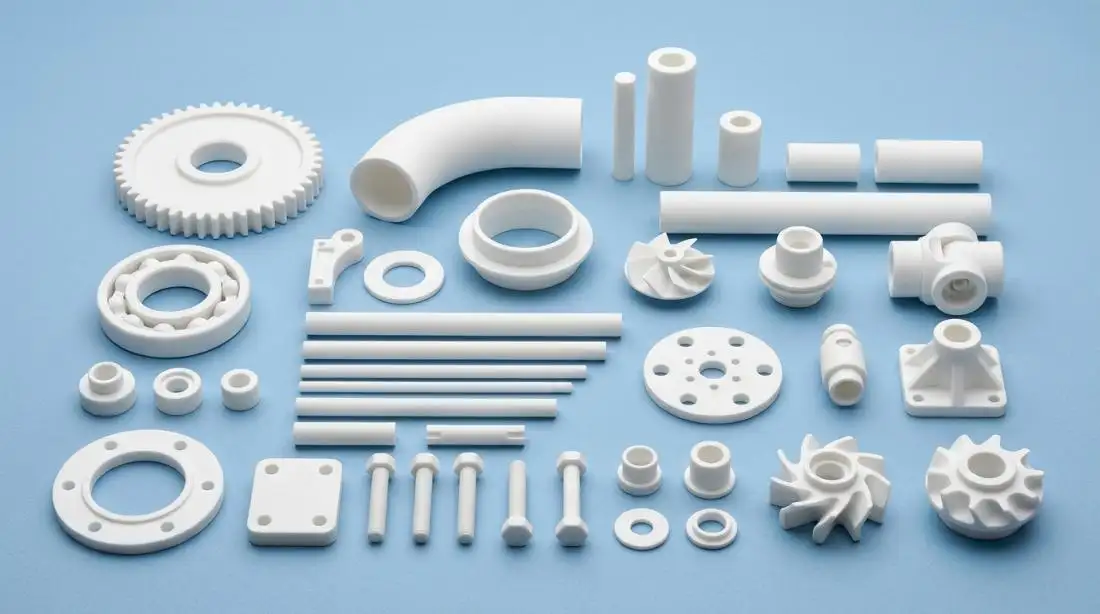
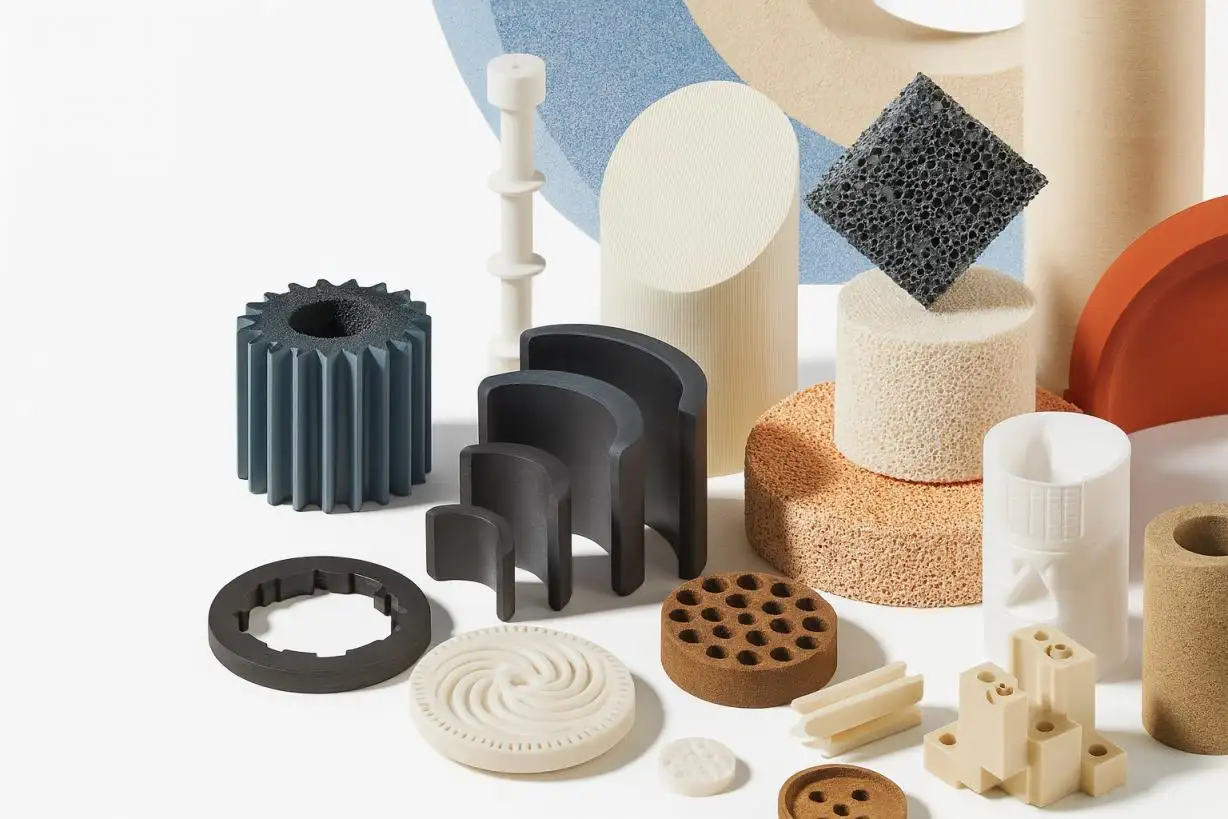
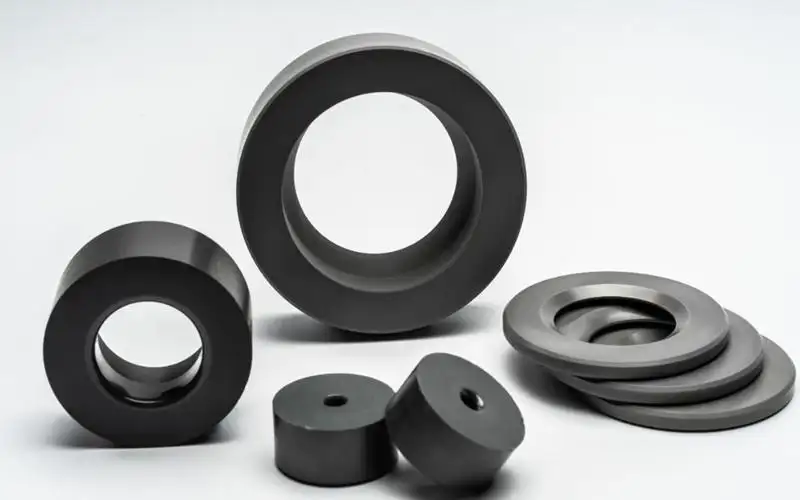
Zirconia Ceramic ferrules are critical components in fiber optic connectors, precision alignment tools, optical and medical components, and in many electronic devices. While these parts are quite small, their manufacture requires many steps including materials engineering, forming, sintering, precision grinding and polishing, and a thorough inspection. Zirconia Ceramic materials combined offer some of the most valuable engineering materials with an excellent combination of the highest toughness to fracture, strength, and wear resistance. They are dimensionally stable, which make them excellent candidates for precise assemblies. At UPCERA, we employ advanced ceramic processing technology as our core competence, dealing with zirconia, alumina, silicon nitride and silicon carbide, to provide custom ceramics with better surface finish and tighter tolerances.
What is a Zirconia Ceramic Ferrule?
Zirconia Ceramic ferrules are tube-like structures that align and support optical fibers. In fiber optic connectors, the ferrule influences the insertion loss and return loss, the stability of the transmission, and the reliability of the connection over time.
A ferrule must have:
•Accurate inner hole diameters
•Excellent concentricity
•Smooth end-face
•Stable roundness
•High wear resistance
•Low cracking in stressed assembly
Zirconia Ceramic ferrules have no margin for error in size or shape, because optical fibers are very small, and even minor gaps can cause disruption in alignment. The manufacturing process for Zirconia Ceramic ferrules combines advanced machine precision and material control.
Why Zirconia Ceramic Is Used for Ferrules
Zirconia Ceramic, ZrO₂, can achieve a dense, tough, and strong material structure with the use of stabilizing systems and controlled sintering.
Some available mechanical properties and characteristics are:
•High mechanical strength, and excellent fracture toughness
•Excellent resistance to wear, abrasion, and corrosion
•Stable performance under repeated contact
•Fine surface finish after grinding and polishing
•Electrical insulation, and non-magnetic behavior
These properties enable ferrules to keep precise fiber alignment during plugging/unplugging cycles, vibration, and long term service.
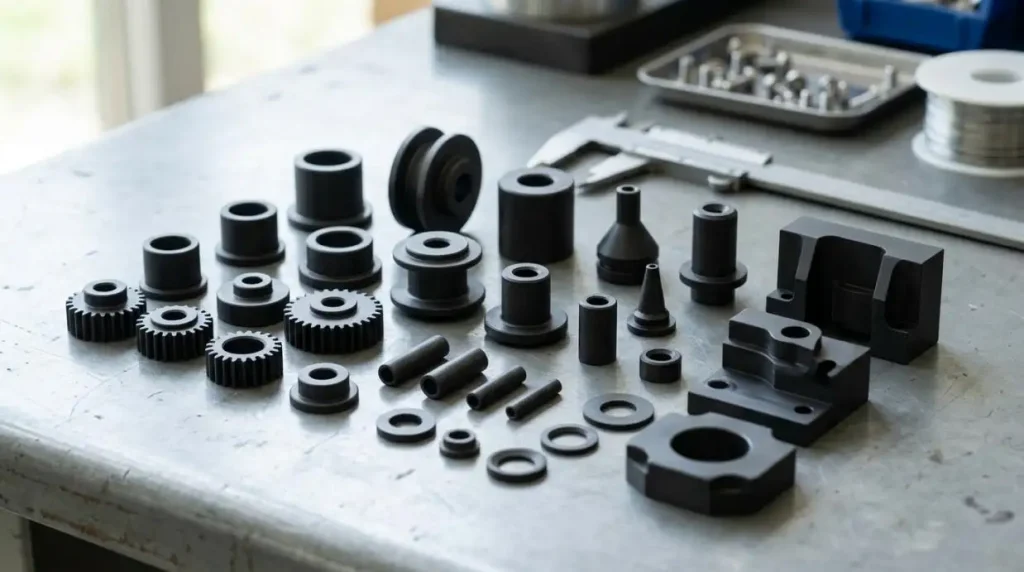
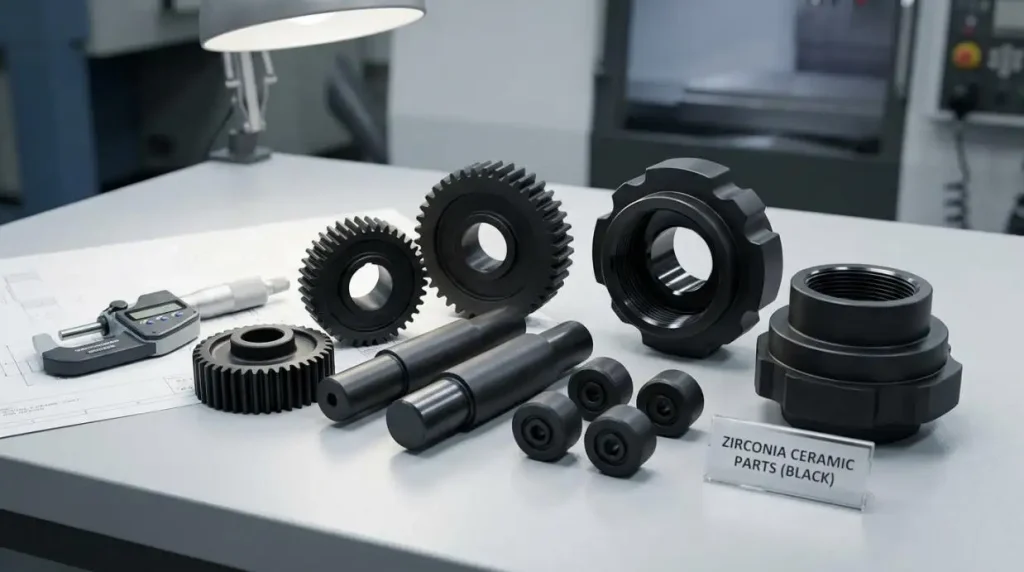
Apart from the standard white zirconia, black zirconia ceramic parts are used when design requires high contrast, low light reflection, and specific appearance of the final product. Black zirconia retains the main advantages of zirconia while offering a premium black surface.
Step 1: Choice of Raw Materials
Zirconia powder needs to be chosen in the first step for the manufacturing process. The quality of powder affects its density, shrinkage, sintering, surface finish, and overall the quality of the final product and its dimensional stability.
Some important parameters of raw materials are:
•Particle size distribution
•Purity of Powder
•Content of Stabilizer
•Flowability, and Sintering Activity
•Color consistency in case of black zirconia ceramic parts
For black Zirconia Ceramic components color may be achieved with special manufacturing technologies, Stabilizers, or colorizing agents. The objective is to achieve a homogenous black color with no deterioration of mechanical strength, toughness, or wear resistance of the material.
UPCERA's strength is cooperation in material selection according to application requirements. For example, optical ferrules require high dimensional stability, while structural black zirconia parts may require high visual uniformity and surface contrast.
Step 2: Powder Processing and Granulation
In most cases, zirconia powder is mixed with binders and other processing aids prior to forming. It is necessary to prepare the powder so that it can be pressed or injection-molded.
The purpose of powder processing is to enhance:
•Forming consistency
•Green body strength
•Shrinkage predictability
•Density uniformity
•Machining stability after sintering
A carefully managed powder preparation process eliminates internal inconsistencies such as porosity, cracking, or disparity in density. For high-precision Zirconia Ceramic ferrules, this is especially important because every internal inconsistency will create a failure during the grinding or the assembly process.
Step 3: Forming the Green Body
The green body is the ceramic part in its unsintered state. For ferrules, and for most tubular ceramic components, the process employed will be pressing, extrusion, ceramic injection molding, etc., and will depend on the shape, quantity, and tolerance of the component.
At this stage, due to the nature of zirconia, the component is still larger than the size it will take after the sintering process. The design for this process must take into account:
•Sintering shrinkage
•Wall thickness
•Hole structures
•Complexity of the shape
•Consistency from batch to batch
•Allowance for grinding
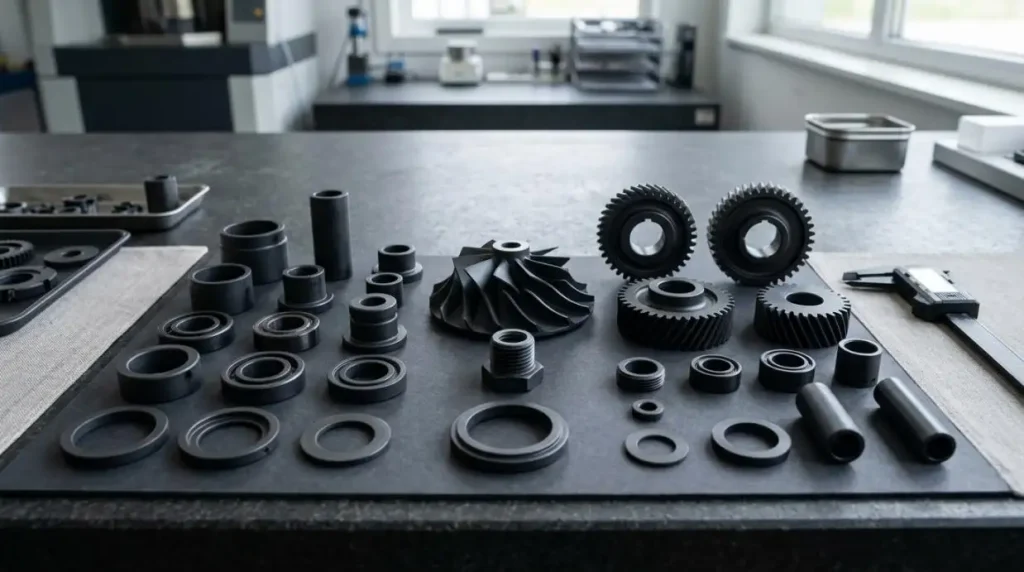
UPCERA offers a variety of Zirconia Ceramic components including tubes, plates, rings, and sleeves, in addition to Zirconia parts of custom design. Typical application areas for black zirconia ceramic parts are precision engineering, medical, and electronic devices, optical systems, and consumer products.
Step 4: Debinding and Pre-Sintering
During this stage all the binders and organic additives are removed. This process is known as debinding. If debinding is performed rapidly or in a non-uniform way, the ceramic body will crack, deform, or develop internal voids.
The process must account for:
•Rate of heating
•Temperature retention
•Gas composition
•Part arrangement
•Binder removal trajectory
Some components may undergo a stage of pre-sintering before fully sintering. Pre-sintered Zirconia Ceramic components are easier to machine than their fully sintered counterparts. This is advantageous to components with intricate features.
Step 5: Sintering at High Temperatures
Sintering of zirconia ceramics occurs at high temperatures. When exposed to high temperatures, Zirconia particles bond, compact, and lead to a reduction in the overall part size. The part is also as strong as it will ever be in its fully sintered state.
A well-controlled sintering process will yield the desired:
•Physical
•Mechanical
•Dimensional
•Surface
•Defect (Fractures)
•Color of Zirconia ceramic (black) consistency
For ferrules, sintering has to be controlled because the final shape, alignment of features, and overall part quality will affect all subsequent machining operations. Well-controlled sintering also minimizes the need for grinding and improves consistency in production.
Step 6: Precision Grinding
Zirconia Ceramic is extremely hard after the sintering stage, and diamond grinding tools are typically required to produce the desired feature dimensions and tolerances.
Ferrules that will need grinding can be recognized by their:
•Inner diameter
•Outer diameter
•End-faced (length and grinding)
•Round
•Concentric
UPCERA is capable of fulfilling all the exacting demands of the tolerances listed below:
•Length: ≤300 mm
•Outer diameter: ≤150 mm
•Wall thickness: ≥ 0.1 mm
•Surface finish: Ra0.02–Ra0.2
•Roundness: 0.002 mm
•Concentricity: 0.002 mm
•Straightness: 0.004 mm
•Thickness: 0.005 mm
These tolerances and characteristics indicate that Zirconia Ceramic components require special inspections, tools, and techniques.
Step 7: Polishing and Surface Finishing
For ferrules, optical elements, and components used in the medical industry and precision mechanisms, surface finishing is key. The friction and wear of a moving mechanical part depends on the quality of surface finishing. Good surface finishing also aids the assembly of mechanical parts.
Ferrules are end-face polished. Surface finishing of black zirconia ceramic parts is important for optical contact and also for the quality and consistency of the finish.
Some of the common finishing requirements include:
•Smooth surface finish
•Minimal micro-cracking
•Controlled edge quality
•Reliable contact surface
•Uniform black coloration (when applicable)
•Reduced reflection (especially in optical or laser application)
Due to its toughness and ability to be finely polished, Zirconia Ceramic is good for functional parts and Surface finishing of ferrules is important.
Step 8: Dimensional Inspection
Due to the required precision of ceramic ferrules, special inspection procedures are established. Even though the ceramic part may appear to be correct, slight deviations in the part may affect assembly.
Common inspection items include:
•Inner diameter
•Outer diameter
•Length
•Roundness
•Concentricity
•Straightness
•Perpendicularity
•Surface roughness
•End-face quality
•Visual defects
•Color uniformity for black zirconia ceramic parts
For B2B buyers, inspection capability is just as important as manufacturing capability. UPCERA's strength lies in combining ceramic material knowledge, precision machining experience, and inspection control to support stable batch production.
Applications Beyond Fiber Optic Ferrules
Although ferrules are a major use case, Zirconia Ceramic is also used in many other precision industries.
Common applications include:
•Fiber optic alignment sleeves and ferrules
•Precision machinery bearings and bushings
•Medical and dental instruments
•Electronic insulation components
•Sensor housings and mounts
•Optical and laser system parts
•Wear-resistant rings, tubes, plates, and guides
•Consumer products requiring premium black ceramic appearance
•Automotive components exposed to heat and wear
Black zirconia ceramic parts are especially useful where both function and appearance matter. Their color can soften blinding light, enhance visual contrast, and yield an elegant surface texture while maintaining the strength and toughness of zirconia.
UPCERA's Design and Technical Advantages
When it comes to custom Zirconia Ceramic ferrules and black zirconia ceramic components, UPCERA has the following benefits:
•Knowledge of advanced ceramic material systems
•Offerings of zirconia, alumina, silicon nitride, silicon carbide, and other ceramics
•Capabilities of precision grinding and polishing
•Control of critical dimensions in tight tolerances
•Ability to manufacture tubes, rings, plates, sleeves, and complex custom shapes
•Control of surface roughness in fine Ra ranges
•Reliable and ongoing manufacturing for highly demanding applications
•Capability to balance the mechanical performance, aesthetics, and needs of the application
Rather than treating ceramic components as merely geometrically defined elements, UPCERA has a more holistic approach. By considering material behavior, geometry, tolerance, wall thickness, processing, and inspection, the manufacturing risk is reduced and greater consistency from prototype to production is achieved.
Conclusion
The processing of a Zirconia Ceramic ferrule includes the selection of the material, powder prep, forming, debinding, sintering, grinding, tailoring surface finishes, and inspection. Zirconia, with its toughness, wear resistance, and stability provides an optimal solution for a variety of applications. Black zirconia components provide contrast while maintaining function. With state-of-the-art ceramic processing, precision manufacturing, and flexible control of surface finishes, UPCERA provides highly specialized Zirconia Ceramic ferrules and black zirconia components for the most demanding industrial needs.
FAQ – Zirconia Ceramic Ferrules
Q1: What is a Zirconia Ceramic ferrule?
A: It is a precision ceramic sleeve for the alignment of fibers, integration in optical modules, and for high-precision assemblies.
Q2: Why is zirconia preferred to other ceramics?
A: Zirconia is Safer because they provide better fracture protection, while having great wear resistance and are better at maintaining their shape.
Q3: Where are Zirconia Ceramic ferrules found?
A: Fiber optics, medical, electronic, precision and automotive and optical systems.
Q4: What advantages are presented by black zirconia ceramic components?
A: These create better mechanical stability and also create a visual contrast to minimize light.
Q5: How does UPCERA control and ensure their quality?
A: They control all materials and methods of forming and also ensure sinters, grinds, polishes to high accuracy and control.


In This Article
- 1 What is a Zirconia Ceramic Ferrule?
- 2 Why Zirconia Ceramic Is Used for Ferrules
- 3 Step 1: Choice of Raw Materials
- 4 Step 2: Powder Processing and Granulation
- 5 Step 3: Forming the Green Body
- 6 Step 4: Debinding and Pre-Sintering
- 7 Step 5: Sintering at High Temperatures
- 8 Step 6: Precision Grinding
- 9 Step 7: Polishing and Surface Finishing
- 10 Step 8: Dimensional Inspection
- 11 Applications Beyond Fiber Optic Ferrules
- 12 UPCERA's Design and Technical Advantages
