 English
 中文
中文







Mainstream High Temperature Ceramics: Performance Uncovered & Material Selection Guide
Introduction: What Are High Temperature Ceramics?
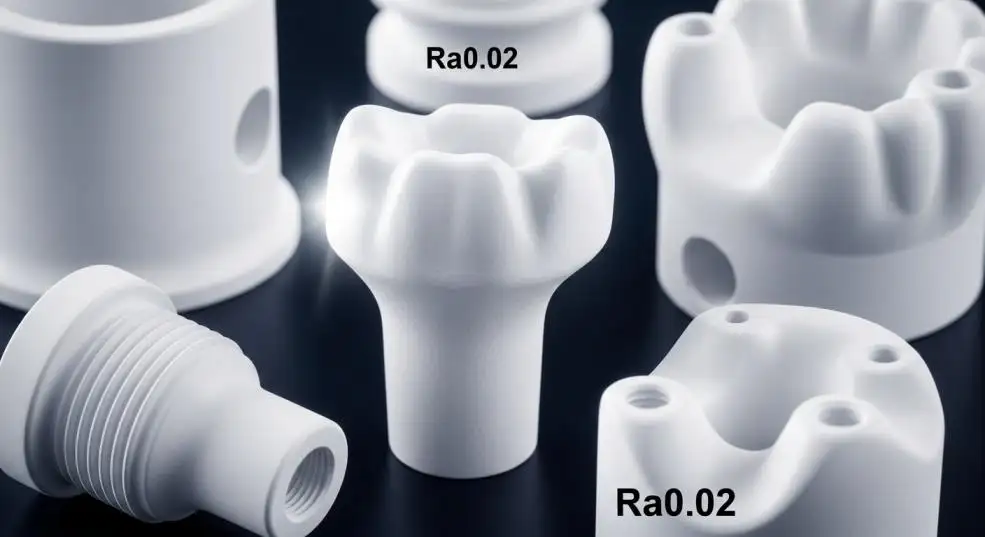
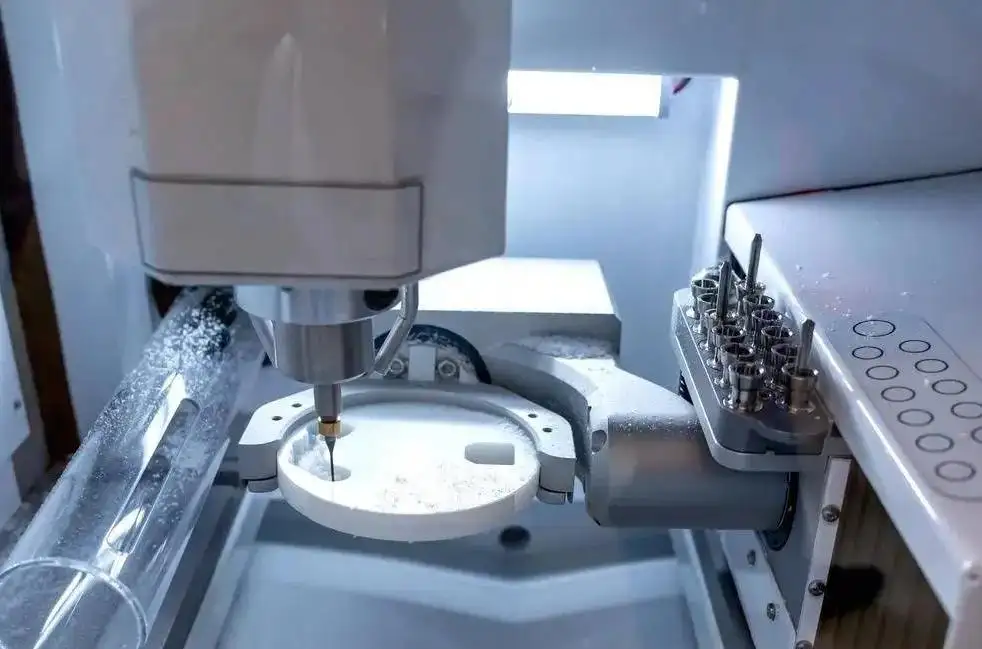
A High Temperature Ceramic is an inorganic, non-metallic material that retains its structural integrity, chemical stability, and mechanical strength at temperatures exceeding 1000 °C – often well above the melting point of most metals. From the turbine engine to heating elements in electric vehicles, advanced materials ensure that technologies function without deforming or failing.
It is important to choose the right High-Temperature Ceramic for each specific requirement. Selecting the incorrect one could easily result in failure from thermal shock, oxidation, or creep. This article identifies the five most important types of high temperature ceramics, provides an overview of their most important attributes, and helps you choose the correct one for an application.
The Main Families of High-Temperature Ceramics
1. Alumina (Al₂O₃) – The Workhorse
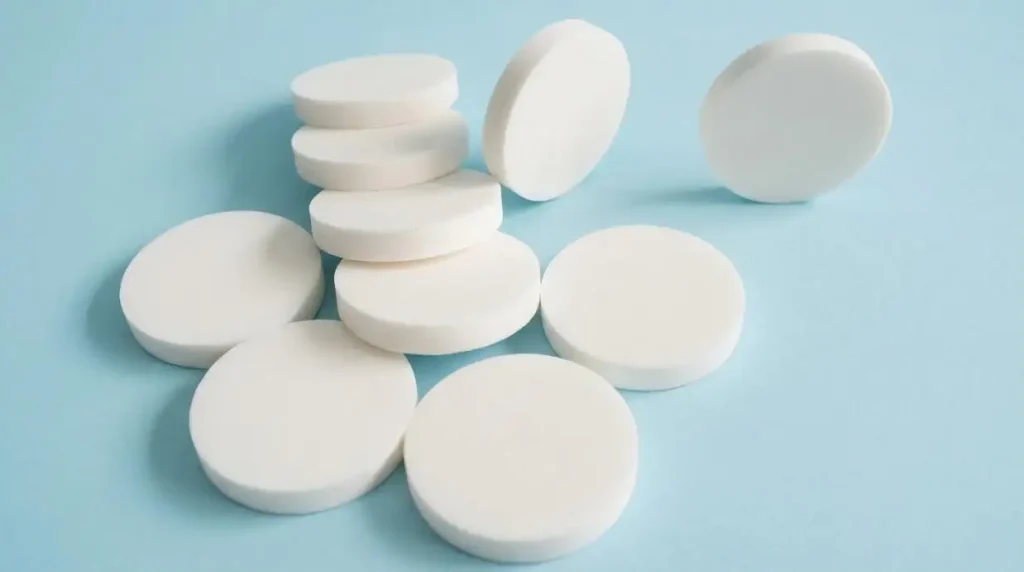
Of all the High Temperature Ceramics, Alumina is the one that is the most frequently used. This is due to the fact that it provides an exceptional value due to the balance of its low cost, high electrical insulating capacity, and good chemical inertness.
• The maximum service temperature is about 1700 °C for a short period of time and 1400 °C for long periods.
• Key Properties
- Mohs hardness level, approximately 9
- Incredible dielectric breakdown
- Excellent wear and corrosion resistance
- Relatively low resistance to thermal shock
• Typical Uses
- Thermocouple protection tubes
- Plug insulator
- Thick film
- Substrate
- Grind media and liners
When to Select Alumina: A high temp ceramic that’s more affordable, thermally and electrically insulating, and serviceable to 1400 °C, thermal shock is not a concern.
2. Zirconia (ZrO₂) – The Tough Guy
Pure zirconia undergoes a destructive phase change on cooling, but when stabilised with yttria or magnesia, it becomes one of the toughest ceramics available. This High Temperature Ceramic can even exhibit transformation toughening – tiny cracks cause the material to expand slightly, closing the crack tip.
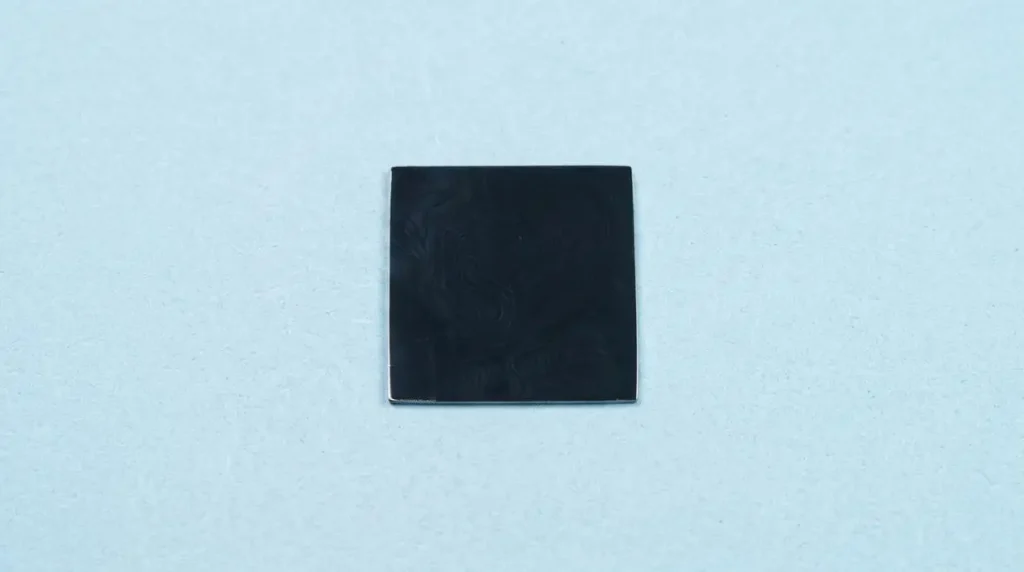
• Maximum service temperature: ~1500 °C (stabilised).
• Key properties:
- Very high fracture toughness (up to 15 MPa·m¹/²)
- Low thermal conductivity (excellent thermal barrier)
- High ionic conductivity (used in oxygen sensors)
- Good wear and corrosion resistance
• Typical applications:
- Thermal barrier coatings in turbine blades
- Oxygen sensors (lambda sensors)
- Femoral heads for hip implants
- High-temperature bearings and valves
When to choose Zirconia: You need a High Temperature Ceramic that resists crack propagation and thermal cycling, or you require a thermal barrier coating.
3. Silicon Nitride (Si₃N₄) - The Generalist
Silicon nitride is light and has high strength. It also has excellent resistance to thermal shock. It is often called the “ideal” High Temperature Ceramic for demanding mechanical applications.
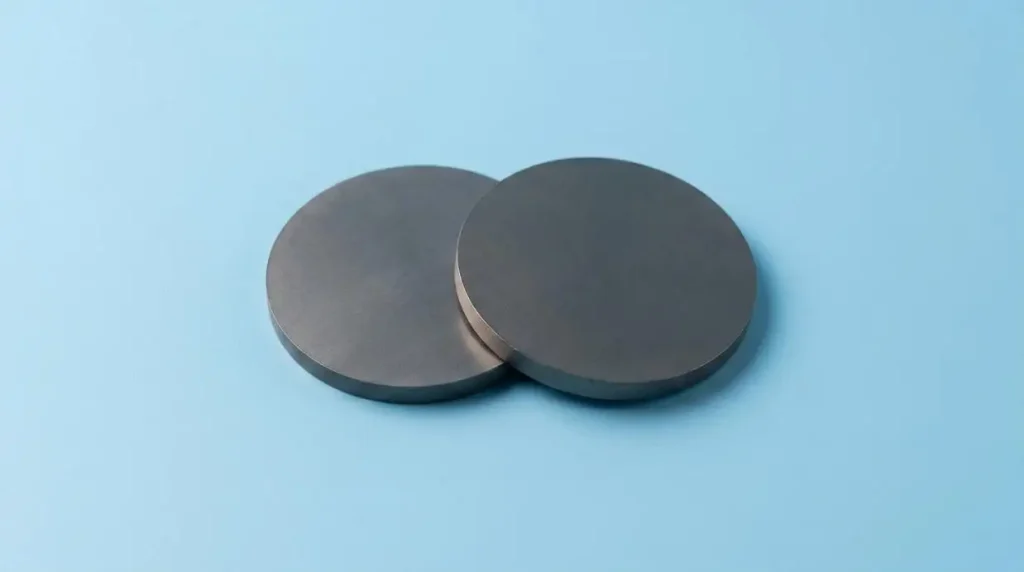
• Maximum service temperature: ~1400 °C (long term), up to 1650 °C in inert atmospheres.
• Key properties:
- Low density (3.2 g/cm³) – lighter than most superalloys
- Excellent thermal shock resistance (can survive 1000 °C quenching in water)
- High fracture toughness for a non-oxide ceramic
- Outstanding creep resistance
• Typical applications:
- Turbocharger rotors and glow plugs
- Ball bearings and rolling elements
- Cutting tools for cast iron
- Weld positioners and brazing fixtures
When to choose Silicon Nitride: Your component experiences severe thermal shocks (e.g., hot to cold water repeatedly) and you need a lightweight High Temperature Ceramic with good strength.
4. Silicon Carbide (SiC) - The Best in Corrosion
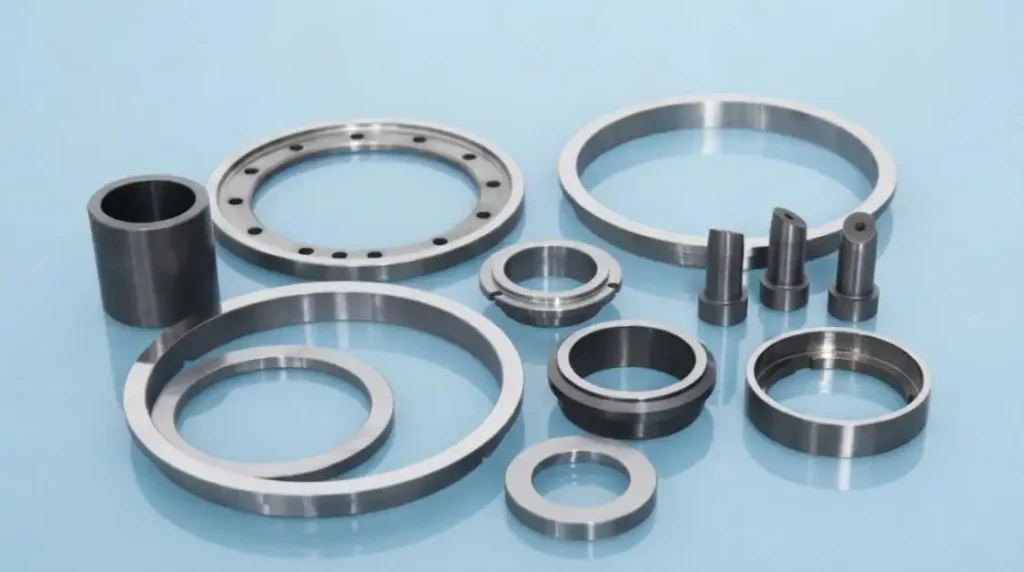
Regarding ceramics, Silicon Carbide (SiC) claims the title when looking for the best durability under extreme heat in an aggressive chemical environment. Silicon Carbide maintains strength up to 1600 °C and does not corrode in the presence of molten metals, acids, and alkalis.
• Maximum service temperature: 1650 °C (exposed to air); 2500 °C (inert environment)
• Key Properties:
- Extremely high hardness (9.5 Mohs)
- Very high thermal conductivity (250 W/m·K), (comparable to some metals)
- Low thermal expansion (good thermal shock resistance)
- Good corrosion and erosion resistance
• Common Applications:
- Seals and bearing faces
- Sandblasting nozzles (melting metals)
- Heat exchangers/radiant tubes
- Semiconductor-processing components
When most consider Silicon Carbide: They usually consider applications where a high-temperature ceramic kept strong under aggressive chemical environments is not corroded (for example, semi-metal components).
5. Ultra-High Temperature Ceramics (UHTCs) – Beyond 2000 °C
For applications above 2000 °C, conventional ceramics fail. That is where ultra-high temperature ceramics (UHTCs) such as zirconium diboride (ZrB₂), hafnium diboride (HfB₂), and tantalum carbide (TaC) enter. These are true High Temperature Ceramic extremes, developed for hypersonic flight and re-entry vehicles.
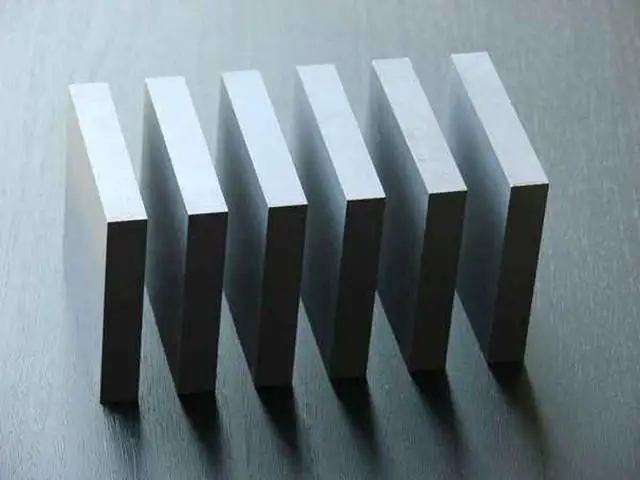
• Melting points: 3000 °C to over 3800 °C.
• Key properties:
- Exceptional oxidation resistance at very high temperatures (they form a protective oxide scale)
- High thermal and electrical conductivity (like metals)
- Extremely high hardness and strength at 2000 °C
• Typical applications:
- Hypersonic missile nose tips and leading edges
- Rocket nozzles and throat inserts
- Re-entry thermal protection systems (e.g., space shuttle nose cap)
- High-temperature electrodes
When to choose UHTCs: Your environment exceeds 2000 °C – for example, atmospheric re-entry or sustained hypersonic flight. Be prepared for high cost and difficult machining.
How to Choose the Right High Temperature Ceramic: A Step-by-Step Guide
Selecting the optimal High Temperature Ceramic does not rely on a single property. Follow these five questions:
1. What is your maximum operating temperature?
• <1400 °C: Alumina, Silicon Nitride, Zirconia.
• 1400 °C – 1700 °C: Silicon Carbide, some high-purity Alumina.
• >2000 °C: UHTCs (ZrB₂, HfB₂, TaC).
2. Will the component be subject to thermal shock (rapid heating or cooling)?
• Poor thermal shock resistance: Alumina, Zirconia (Zirconia is tougher than others)
• Good thermal shock resistance: Silicon Nitride, Silicon Carbide
3. What is the chemical environment?
• Oxidizing atmosphere (air) above 1400 °C: Silicon Carbide or UHTCs (form protective oxides).
• Reducing or inert atmospheres: Almost any High Temperature Ceramics works, but Silicon Nitride loses strength above ~1400 °C in air.
• Corrosive chemicals or molten metals: Your first choice is Silicon Carbide.
4. Do you need insulation or conductors?
• If you need insulation, look at Alumina, Zirconia, and Silicon Nitride.
• If you need conductors, look at Silicon Carbide and UHTCs (for EDM machining, in particular).
5. What is your budget and required volume?
• Lowest cost: Alumina.
• Mid-range: Silicon Nitride, Silicon Carbide.
• High cost / low volume: UHTCs (often custom-made for defense or space).
Quick Comparison Table (Summary)
| Material | Max Temp (air) | Thermal Shock | Corrosion Resistance | Electrical | Cost |
| Alumina | 1400 °C | Fair | Good | Insulator | Low |
| Zirconia | 1500 °C | Good | Good | Insulator | Medium |
| Silicon Nitride | 1400 °C | Excellent | Good | Insulator | Medium |
| Silicon Carbide | 1650 °C | Excellent | Outstanding | Conductive | Medium-High |
| UHTCs | >2000 °C | Very Good | Good (oxidising) | Conductive | Very High |
Conclusion
No single High Temperature Ceramic fits every application. Alumina remains the affordable workhorse for moderate temperatures. Zirconia excels where toughness and thermal barriers are key. Silicon Nitride offers the best all-round performance under thermal shock. Silicon Carbide is unbeatable in aggressive chemical + high-temperature environments. And for the extreme frontier – hypersonics and re-entry – you need ultra-high temperature ceramics.
By understanding these five material families and following the selection questions above, you can confidently choose the right High Temperature Ceramic for your next project – whether it is a simple furnace tube or a hypersonic vehicle leading edge.
Frequently Asked Questions (FAQ)
Q1: What are the highest temperatures that High Temperature Ceramics can handle?
A: High temperature ceramics, such as alumina and silicon carbide, can resist up to 1650 °C. For even more extreme environments, certain ultra-high temperature ceramics, such as ZrB₂ and HfB₂ can resist beyond 2000 °C, and even begin to liquify at temperature above 3000 °C.
Q2: Which High Temperature Ceramic has the highest resistance to thermal shock?
A: Si₃N₄ and SiC have a much higher thermal shock resistance compared to other high temperature ceramics, and can be utilized in even more extreme situations in which they will be subjected to large thermal shocks, such as being cooled by water after being heated to a red-hot temperature. On the contrary, alumina is expected to fracture under the same scenarios.
Q3: Is it true that High Temperature Ceramics are electrical insulators?
A: It isn’t completely true. While alumina, zirconia and silicon nitride are good electrical insulators, SiC and UHTCs are actually electrically meaningful, hence can even be used in electrical discharge machining (EDM).
Q4: Which High Temperature Ceramic is the most cost effective option for general use?
A: Al₂O₃ is the most affordable high temperature ceramic, and is quite comparable to UHTCs and SiC with respect to strength and hardness at high temperatures and insulation.
Q5: Are High Temperature Ceramics effective in contact with molten metal or strong acids?
A: SiC is quite effective, since it is resistant to molten aluminum and many acids and alkalis up to about 1600 °C. While Nitride and alumina are chemically inert, they have poor resistance to molten metals.


In This Article
- 1 Introduction: What Are High Temperature Ceramics?
- 2 The Main Families of High-Temperature Ceramics
-
3
How to Choose the Right High Temperature Ceramic: A Step-by-Step Guide
- 3.1 1. What is your maximum operating temperature?
- 3.2 2. Will the component be subject to thermal shock (rapid heating or cooling)?
- 3.3 3. What is the chemical environment?
- 3.4 4. Do you need insulation or conductors?
- 3.5 5. What is your budget and required volume?
- 3.6 Quick Comparison Table (Summary)
- 3.7 Conclusion
- 3.8 Frequently Asked Questions (FAQ)
