 English
 中文
中文



Carbides, Borides, and Nitrides – Comparing Ultra-Hard Ceramics Families
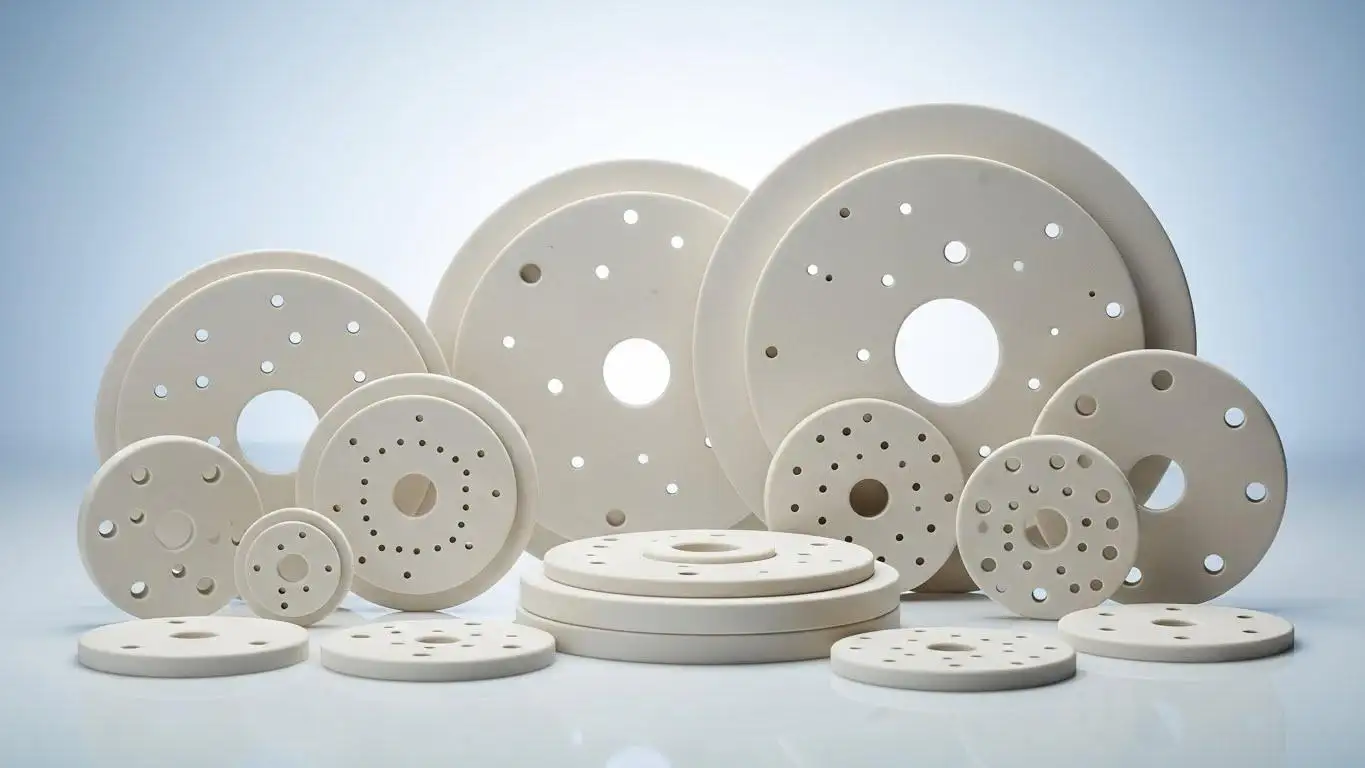
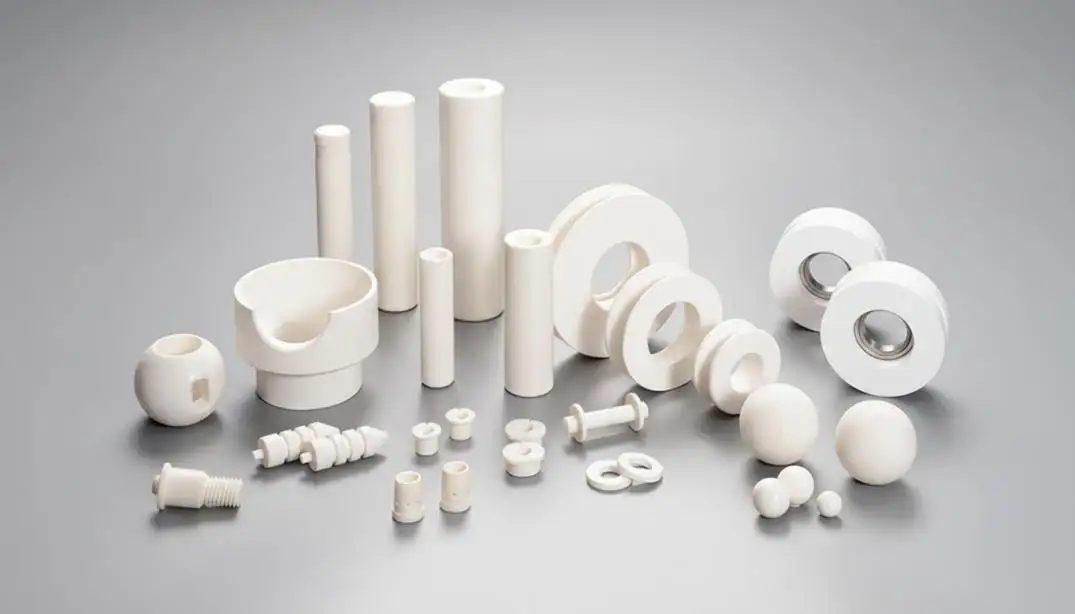
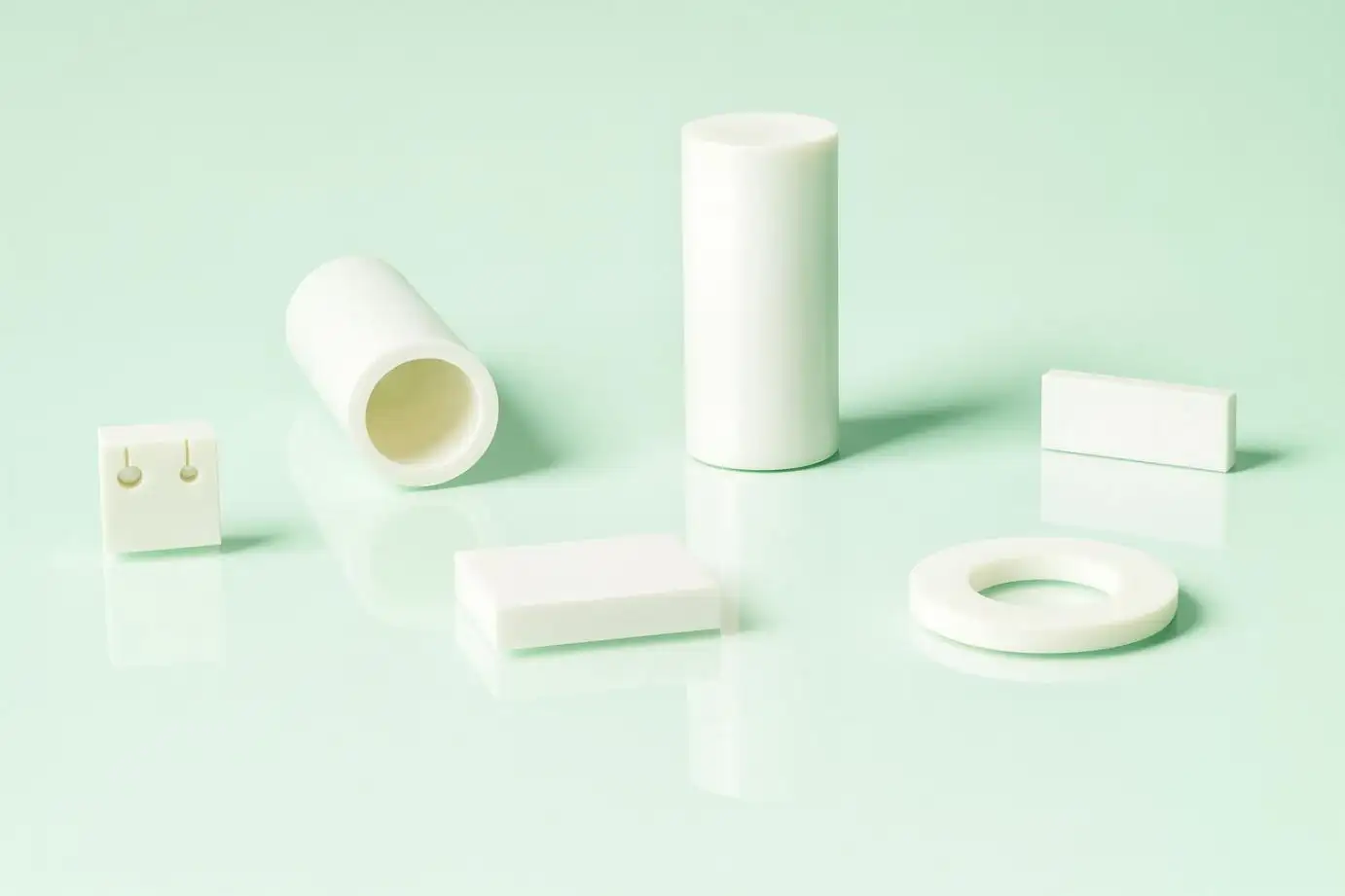
Ultra-Hard Ceramics are crucial when applications or components require materials that can withstand elevated temperatures or extreme abrasion or impact. Breaking the 40 GPa barrier in the Vickers hardness test, these materials boast hardness values higher than most conventional ceramics.
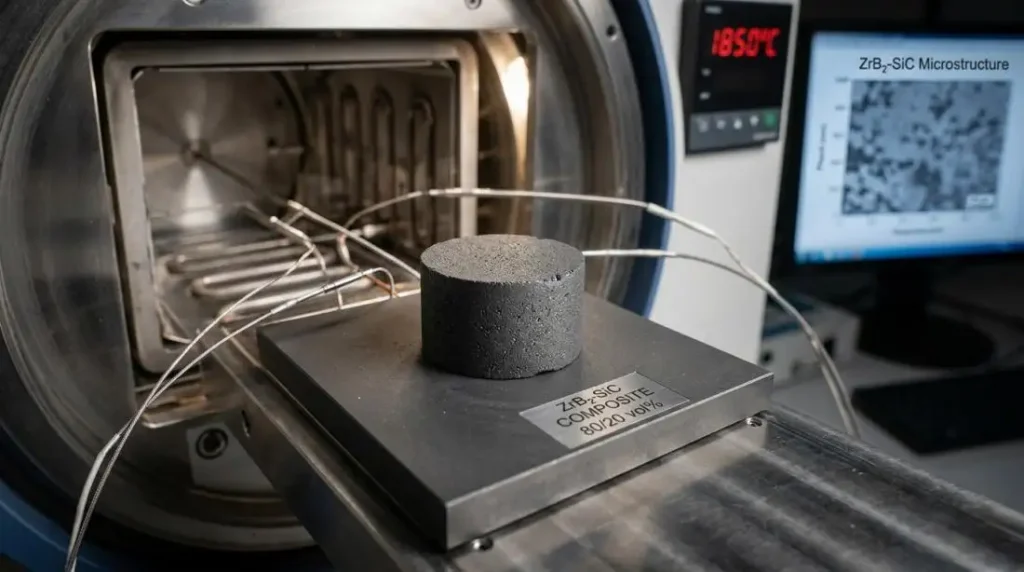
Of the many classes of Ultra-Hard Ceramics, three classes dominate both research and industrial applications: carbides, borides, and nitrides. Each class has distinct crystal chemistry, processing issues, and real world limitations. Their distinctions are critical for evaluating and selecting Ultra-Hard Ceramics for advanced systems in the aerospace, defense, and energy sectors.
1. Carbides – The High-Melting Champions
Zirconium, hafnium, and tantalum carbide (ZrC, HfC, and TaC) are examples of carbides, which are one of the dominant classes of Ultra-Hard Ceramics. They are among the heaviest and most refractory Ultra-Hard Ceramics.
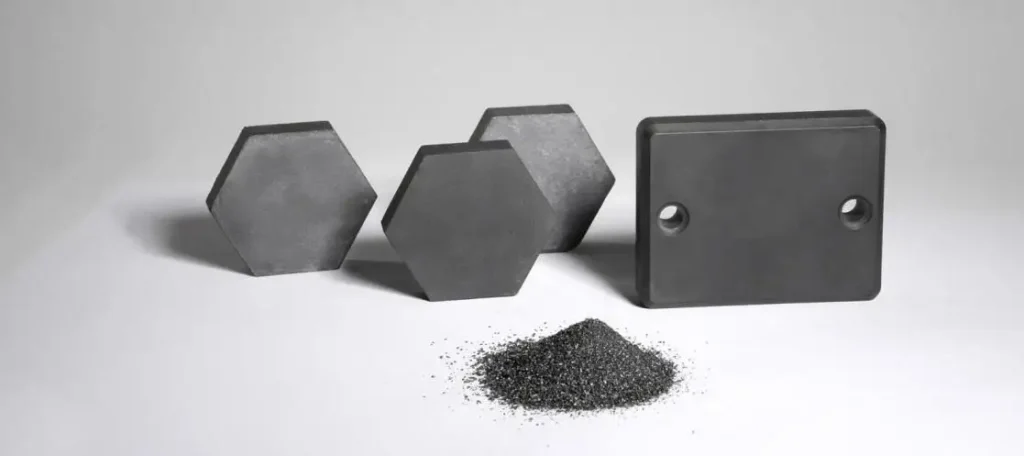
Key features:
•Extremely high melting points – HfC melts at ~3900 °C, the highest of any known material.
•No solid-state phase transformation upon heating or cooling, which avoids cracking during thermal cycling.
•High thermal shock tolerance under controlled conditions, suitable for demanding applications in precision ceramics.
Trade-offs:
•Moderate fracture toughness (typically 3–5 MPa·m¹⁄₂).
•Low self-diffusion coefficients make densification difficult without pressure-assisted sintering.
Typical applications:
•Rocket nozzle inserts and re-entry vehicle leading edges.
•Cutting tools for hardened steels.
•Plasma-facing components in fusion reactors.
�� Example: ZrC is often used as a coating on nuclear fuel particles because of its low neutron capture cross-section and high temperature stability.
2. Borides – The Strongest Covalent Bonds
The diborides of zirconium, hafnium, and titanium may be some of the most unique Ultra-Hard Ceramics. Their crystal structure consists of alternating boron-graphite layers and metal layers, which gives them both high hardness and metallic conductivity.
Key features:
•Highest hardness among the three families – HfB₂ reaches ~46 GPa.
•Excellent electrical and thermal conductivity (comparable to metals).
•Exceptional oxidation resistance up to ~1600 °C due to the formation of a protective borosilicate or B₂O₃ glass layer.
Trade-offs:
•Poor oxidation resistance above 1700 °C because B₂O₃ becomes volatile.
•High brittleness – fracture toughness often below 3 MPa·m¹⁄₂.
•Raw material costs are high for HfB₂ due to hafnium’s scarcity.
Typical applications:
•High-temperature wear components, furnace fixtures, thermal processing equipment, sealing components, and corrosion-resistant parts for demanding industrial environments.
•Hall-effect thruster components for electric propulsion.
•Molten metal crucibles and thermocouple sheaths.
�� Example: ZrB₂-SiC composites are widely studied as Ultra-Hard Ceramics for sharp leading edges on reusable launch vehicles, where surface temperatures exceed 2000 °C.
3. Nitrides – The Oxidation-Resistant Workhorses
Nitrides (ZrN, HfN, TiN, etc.) offer a balance between the ultra-refractoriness of carbides and the covalent strength of borides. They share the rock-salt crystal structure (NaCl type) and are often the most oxidation-tolerant Ultra-Hard Ceramics under continuous high-temperature exposure.
Key features:
•Good thermal stability in air up to ~1700 °C (HfN) because the oxide scale (HfO₂ or ZrO₂) is dense and adherent.
•High hardness (25–35 GPa) combined with moderate fracture toughness (4–6 MPa·m¹⁄₂).
•Excellent wear resistance and low friction coefficients when polished.
Trade-offs:
•Lower melting points compared to carbides (e.g., ZrN melts at ~2950 °C versus ZrC at ~3540 °C).
•Synthesis often requires high-purity nitrogen atmospheres, increasing production cost.
•Susceptibility to hydrolysis in humid environments for some binary nitrides.
Typical applications:
•Decorative and protective coatings on cutting tools (TiN – the familiar gold-colored coating).
•Diffusion barriers in microelectronics.
•Corrosion-resistant liners in chemical processing equipment.
�� Example: TiN is one of the most commercially successful Ultra-Hard Ceramics, used on nearly all high-speed steel drills to triple tool life.
Side-by-Side Comparison at a Glance
| Property | Carbides (e.g., HfC, ZrC) | Borides (e.g., HfB₂, ZrB₂) | Nitrides (e.g., HfN, TiN) |
| Hardness (GPa) | 25–35 | 40–46 | 25–35 |
| Melting point (°C) | 3500–3900 | 3200–3500 | 2900–3200 |
| Oxidation limit in air | ~1200 °C | ~1600 °C (B₂O₃ glass) | ~1700 °C (HfO₂ scale) |
| Electrical conductivity | Low to moderate | High (metal-like) | Moderate (nitrides are semiconductors) |
| Relative cost | Medium (ZrC) to high (HfC) | Very high (HfB₂) | Low (TiN) to medium (HfN) |
Which Family of Ultra-Hard Ceramics Should You Choose?
The selection depends entirely on the operating environment:
�� Choose carbides when the highest possible melting point and thermal shock resistance are non-negotiable – for example, in rocket throats or leading edges that see rapid temperature cycling.
�� Choose borides when both extreme hardness and electrical conductivity are required, and the component will be protected from deep oxidation (e.g., inside a hypersonic wind tunnel model or as an electrical discharge machining electrode).
�� Choose nitrides when long-term oxidation resistance and wear performance in air are critical, even at the cost of a slightly lower melting point. Coated drill bits and high-temperature furnace linings are perfect examples.
The Future: High-Entropy and Composite Ultra-Hard Ceramics
Modern Ultra-Hard Ceramics no longer rely on a single family. High-entropy compositions – mixing five or more transition metals into one carbide, boride, or nitride lattice – have shown hardness values above 25 GPa at 1000 °C, combined with improved toughness.
Similarly, multiphase composites (e.g., B₄C-TiB₂ or ZrB₂-SiC-ZrC) are breaking the performance limits of any single family. As additive manufacturing techniques like ultra-fast high-temperature sintering mature, Ultra-Hard Ceramics will become easier to shape and more affordable, expanding their reach from laboratory curiosities to everyday industrial solutions.
The different carbide, boride, and nitride groups have different combinations of extreme physical properties. The studies of the extremes of their properties will greatly aid design of Ultra-Hard Ceramics for hypersonic travel, clean energy and beyond.
Frequently Asked Questions (FAQs)
Q1: Of the three families of Ultra-Hard Ceramics - Borides, Carbides, and Nitrides, which is the hardest?
A: The hardest member of the boride family, HfB₂, has a hardness of ~46 GPa. Diamond is the hardest material in the world, and is above all Ultra-Hard Ceramics in hardness. However, borides are the hardest among all non-carbon materials.
Q2: Which Ultra-Hard Ceramic is the most thermally stable?
A: Among all Ultra-Hard Ceramics, HfC has the highest melting point of ~3900 °C. While HfC holds a melting point above ~3900 °C, above ~1600 °C, for oxidation in air, HfN (in the family of nitrides) may performance better.
Q3: Do Ultra-Hard Ceramics cost a lot of money?
A: Yes, especially those containing tantalum or hafnium. Those that incorporate titanium, such as titanium nitride (TiN), are comparatively much less expensive and thus are the most commonly used. High-entropy designs are currently the most expensive, but have greater range of functions.
Q4: Do Ultra-Hard Ceramics have brittleness? Is it possible to enhance it?A: Yes, the brittleness of Ultra-Hard Ceramics is associated with low toughness. The use of fibers or graphene to


