 English
 中文
中文







Ultra-Hard Ceramic Machining: A Practical Guide to Precision and Performance
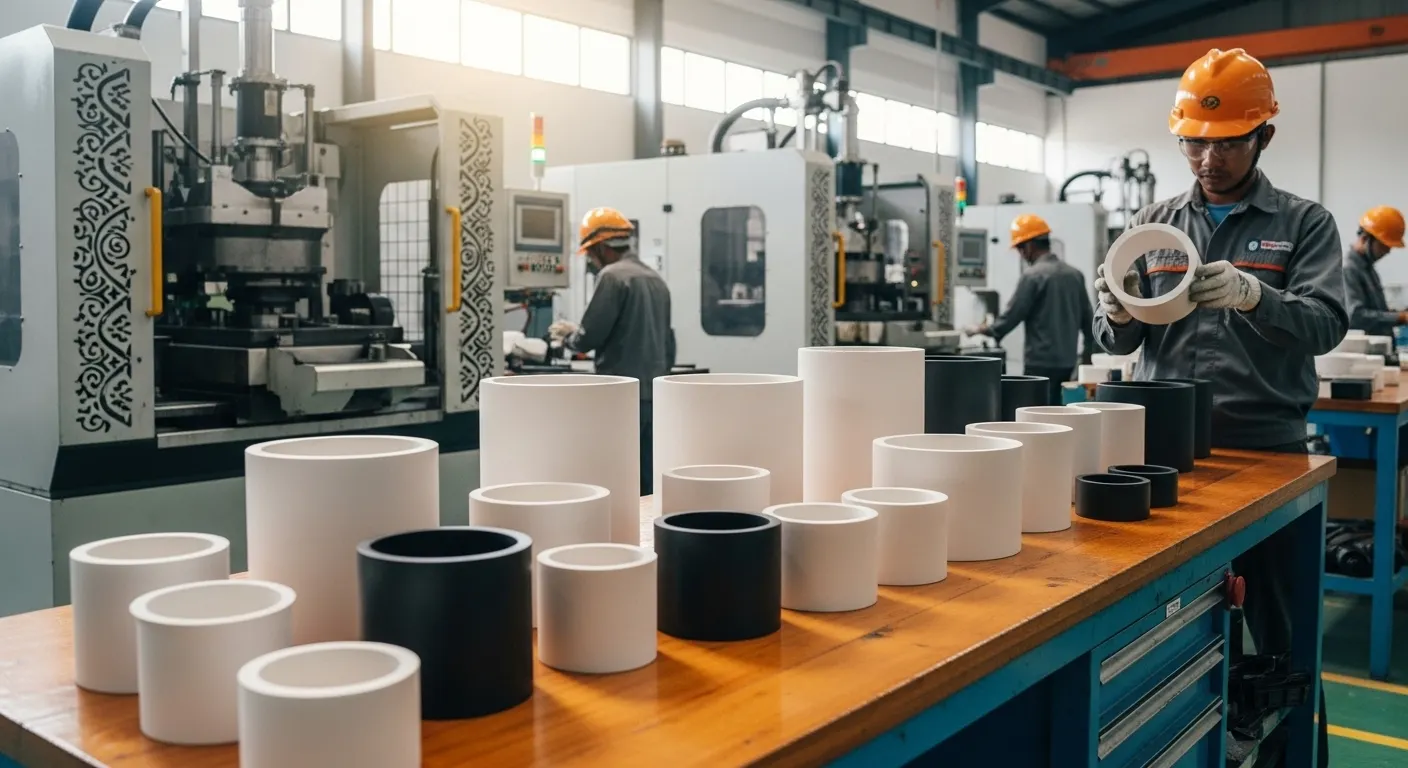
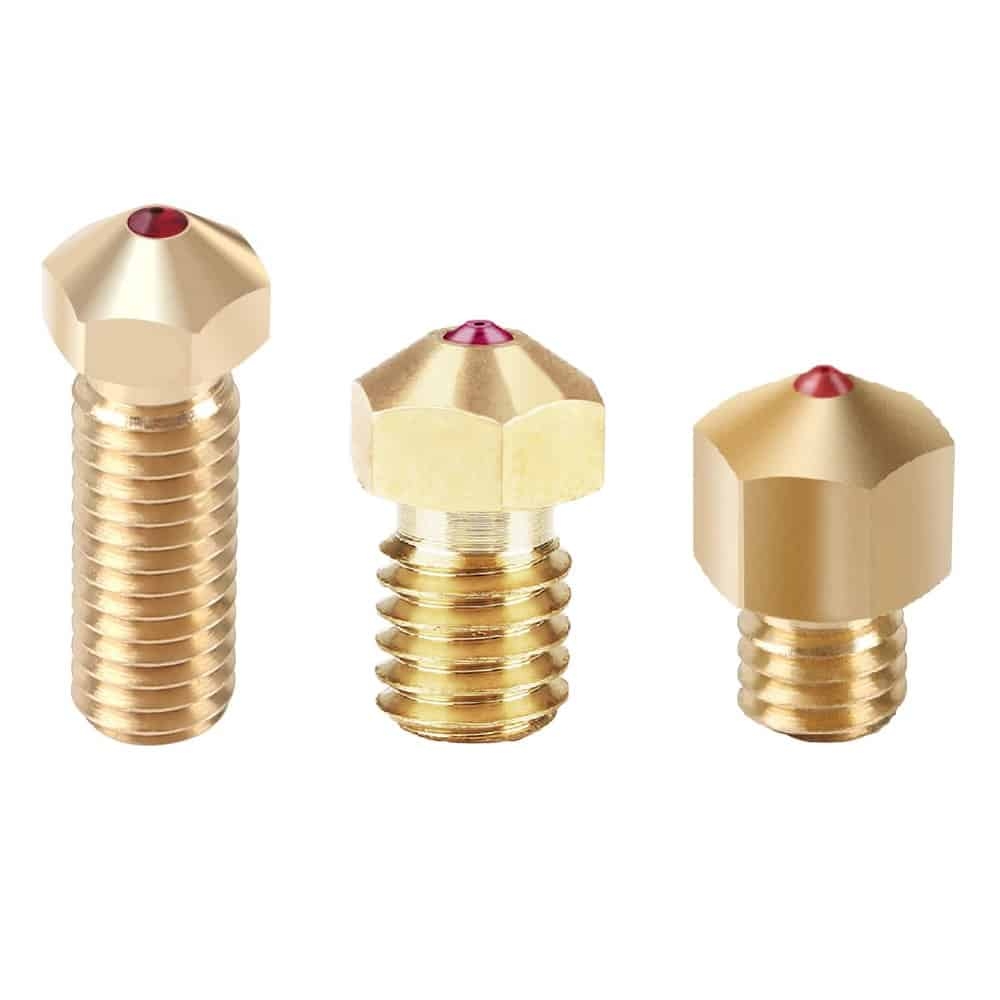
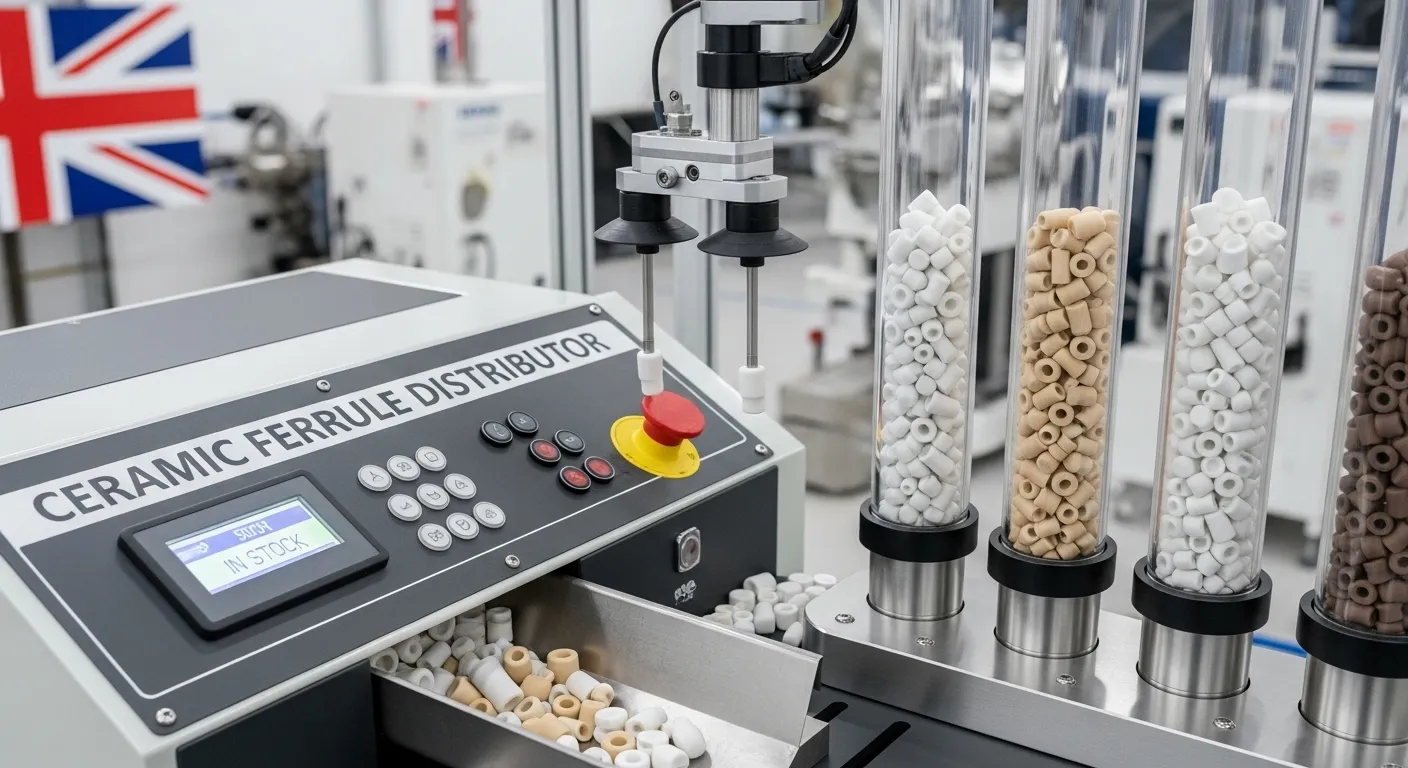
Ultra-Hard Ceramic Machining (UCM) is revolutionizing the manufacturing of high-performance components across sectors, including telecommunications, semiconductor, medical, and aerospace manufacturing. Traditionally, hard materials (zirconia, alumina, silicon nitride, and silicon carbide) have been very difficult to process. The introduction of ultra-hard machining techniques allows manufacturers to explore new applications involving these hard materials.
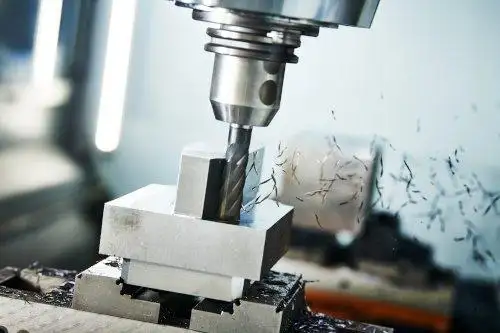
Over the past two decades, the UPCERA team has developed elite skills in this area. In this guide, we will explain the meaning and the significance of ultra-hard ceramic machining in modern manufacturing and describe our unique and integrated machinery solutions that deliver advanced repeatability and consistency.
What Makes Ceramics "Ultra-Hard" and Why Machining Is Different
Hard ceramics (zirconia, alumina, sapphire, silicon nitride, and silicon carbide) are extremely useful materials owing to their high-temperature resistance and wear resistance. However, these materials are also very difficult to machine, and as a result, have limited applications.
By definition, Ultra-Hard Ceramic Machining refers to the machining of sintered ceramic stock to form ultra-thin components with tight tolerances. This is achieved using machining techniques such as grinding, lapping, polishing, milling, and turning. This is very unlike metal machining, where materials are sheared off using a cutting action. The first step to a successful machining of ceramics is an understanding of the processes and techniques.
Factors of Material Properties That Affect Machining
•Great Hardness (8-9 on Mohs scale): For rapid material removal, diamond or CBN (cubic boron nitride) abrasives will be required.
•To prevent firescale formation, feed rates, spindle speeds, and cutting depths should be carefully controlled to avoid edge damage.
•High Compressive Strength (greater than 2000 MPa): This will allow machining of complex thin-walled structures.
•Excellent Wear Resistance: Good for the life of the part; however, this means the machining tools used have to be harder than the ceramic.
Advancements in Machining to Meet 2026 Predictions
The Ultra-Hard Ceramic Machining market is progressing rapidly. In 2026, the major advancements influencing the ceramic manufacturing market will be: AI for process control, multi-axis precision grinding, and a complete quality management throughout the manufacturing process.
1. Process Monitoring & Optimization
High-tech machining centers now offer real-time monitoring of load, sound, and surface finish. By capturing such data, the machining process can be adjusted—either manually or through assisted guidance—to optimize material removal rates while helping prevent subsurface damage. At UPCERA, we have adopted process monitoring capabilities on our production lines as part of ongoing efforts to support consistent quality across the varied, small-batch products we manufacture. This reflects a broader industry direction toward data‑enabled process optimization.
2. High-Speed Precision Grinding Using Diamond Wheels
Recently modern high-speed precision grinders with diamond wheels can create surfaces with Ra 0.1µm and dimensional tolerance of ± 1µm. High-speed precision grinding complemented by high-pressure cooling systems can machine ultra-hard ceramics.
3. Full Industry Chain Integration
In ceramics manufacturing, homogenous materials will yield homogenous machining. Contradictions in machining will occur with uneven powder purity, binder distribution, and sintering profiles.
By controlling each step of the process—from designing the powder and pressing the blanks to grinding the blanks and doing the final inspections—we remove all variables. With Sinocera (300285) as our partner, we have honed this seamless process to ensure successful machining.
Our Approach to Ultra-Hard Ceramic Machining
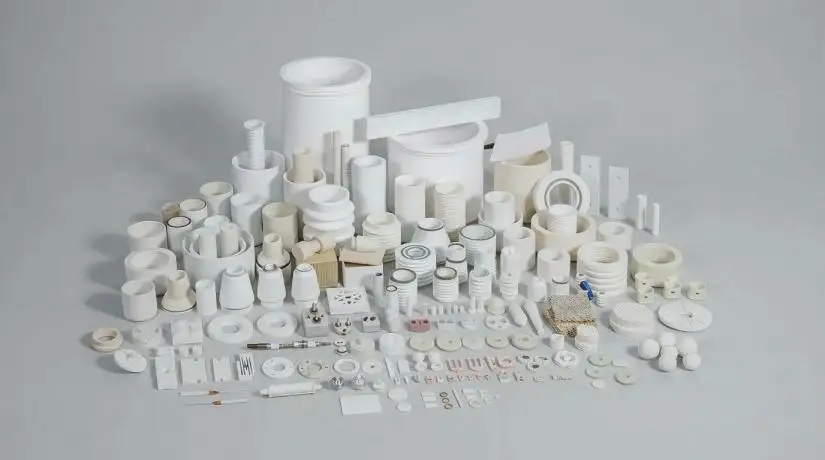
With over two decades of experience reinforced by a production base over 26,000 square meters, we have found efficient pathways to converting ultra-hard blanks into entirely machined components. To our clients, we offer the full range of products needed, from ceramic sleeves for optical connectors to highly specialized functional components for medical, new energy, and aerospace applications, with a monthly volume over 100 million.
Our Machining Capabilities
Multi-Axis CNC Grinding Centers enable us to manufacture complex 3D components and produce holes with diameters from 0.1 mm to holes that are 10 times their length.
•Lapping and Polishing Lines: Ra 0.02 µm surface finishes attainable for better sealing and optical surfaces.
•In-house metrology: From our top-of-the-line CMMs, laser micrometers, and surface roughness testers, we verify every produced part in every production run to ensure total customer satisfaction.
•Rapid Prototyping to Mass Production: We offer design and manufacturing recommendations and an optimized quotation within 24 hours of receiving your drawings.
The Full-Industry-Chain Advantage
•Reliable Materials: By producing our own ceramic powders, each batch will have the same hardness and microstructure.
•Reduced Lead Times: By reducing dependence on external suppliers, we improve production efficiency and shorten overall lead times. Actual delivery schedules vary based on part complexity, order volume, material availability, and finishing requirements.
•Greater Control of Tolerances: Less final dimension adjustments translate to having less grinding stock, resulting in shorter cycle times and better control of finished quality.
•Transparent Pricing: Our pricing is among the most competitive in the industry and is a direct result of the value and high standards of quality we have in our offerings.
More Usable Options in More Areas
Ultra-Hard Ceramic Machining can be incorporated into every industry, especially those where metal and plastic components fail too quickly. Here are examples of components we manufacture.
•Optical Communication: Ceramic sleeves and ferrules for connecting, optical modules, and Data center infrastructure.
•Semiconductor Equipment: Alumina and silicon carbide stages, vacuum chucks, and etching and deposition wear parts.
•Medical Technology: Biocompatible zirconia and alumina components for medical-related devices, surgical instruments, diagnostic equipment, and laboratory systems.
•Aerospace and Defence: Silicon nitride bearings, sapphire windows and lightweight ceramic armor inserts.
•New Energy: Parts insulation for solid state batteries and sealing rings for hydrogen fuel cells.
Final Words: Ready for Tomorrow and Your Projects
The demand for Ultra-Hard Ceramic Machining will continue to grow as design needs become more intricate and include finer, smaller features with greater tolerances and application of advanced materials. We equip ourselves with advanced tooling and AI with process control to streamline with the same raw materials.
Within a day of sharing your drawings and specs with us, we will send a feasibility study, proposed processes, and a quote. When it comes to affordable, reliable options for your prototypes or mass production, look no further than our service.
For precision machining in ceramic materials, turn to UPCERA.
FAQs
Q: Types of ceramics your company machine?
A: We can machine advanced ceramics like zirconia, alumina, sapphire, silicon nitride and silicon carbide.
Q: How long can I expect prototypes to take?
A: Orders for custom parts with a design sign-off take 2-4 weeks for a prototype sample, but we can do quicker turnaround times.
Q: For more complicated shapes, do you help with design for manufacturability?
A: Yes. Our engineers can assist you in a lot of different ways and can be of help in designing the desired feature at the least expensive cost within a day of receipt of the sketch.
Q: Can you provide a solution for both low volume and high volume production?
A: Yes, we can work with you on production orders from a small batch of a few dozen to large orders that need fill monthly production runs of several millions.
Q: How do I submit for a quote?A: You can get a quote by sending us the drawings that detail your project. Within 24 hours, we will send our assessment along with suggested next steps to initiate production.


