 English
 中文
中文







Zirconia Structural Components for Industrial Precision Applications
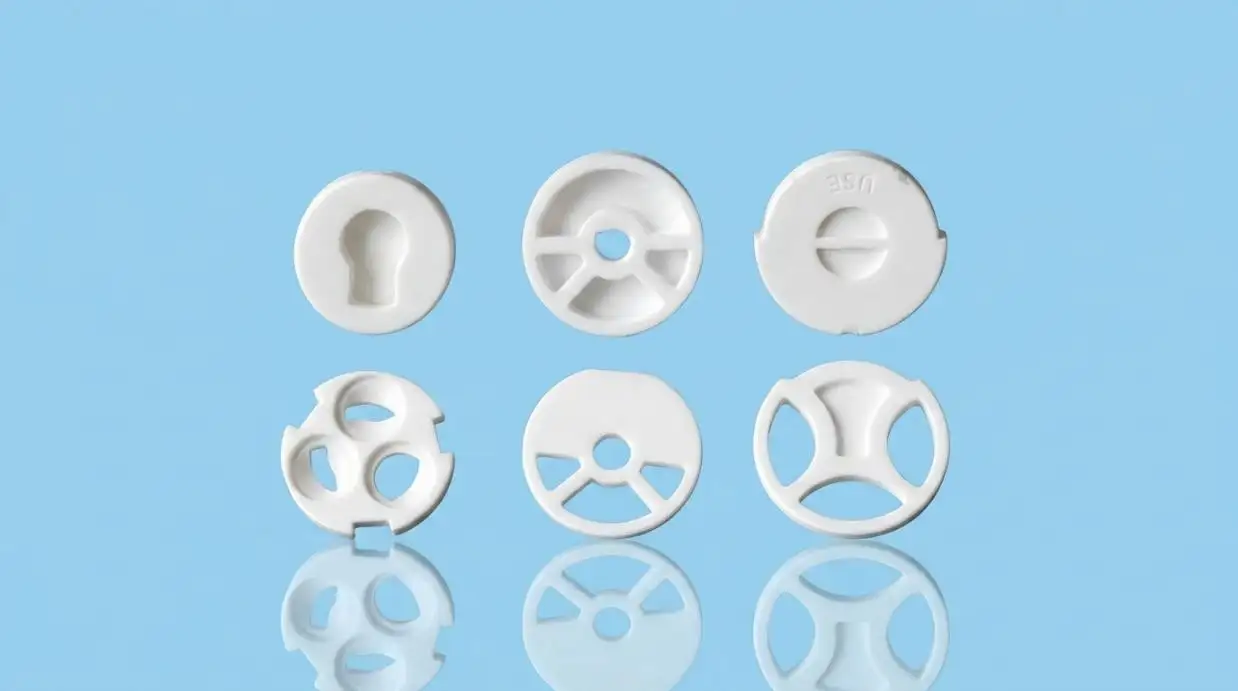
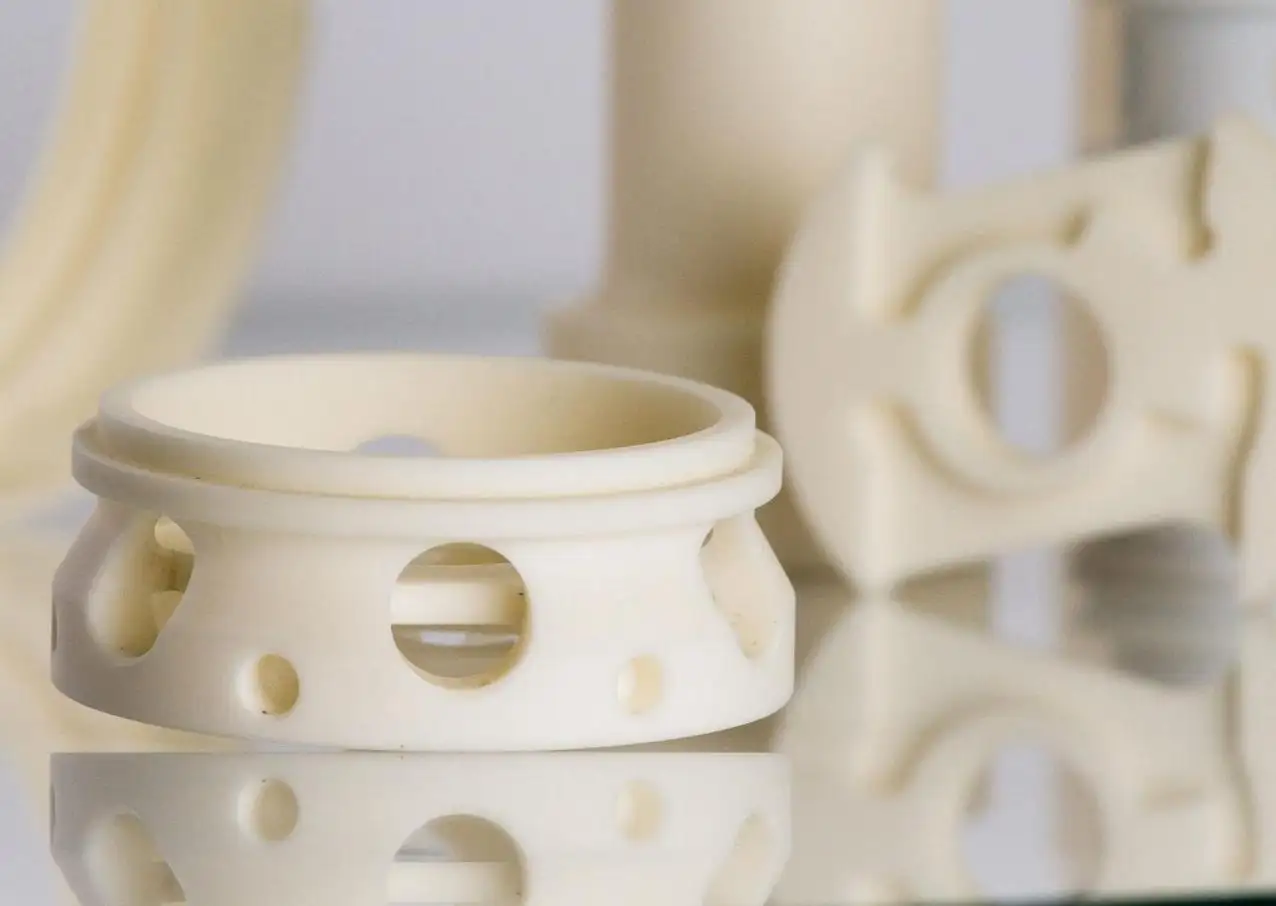
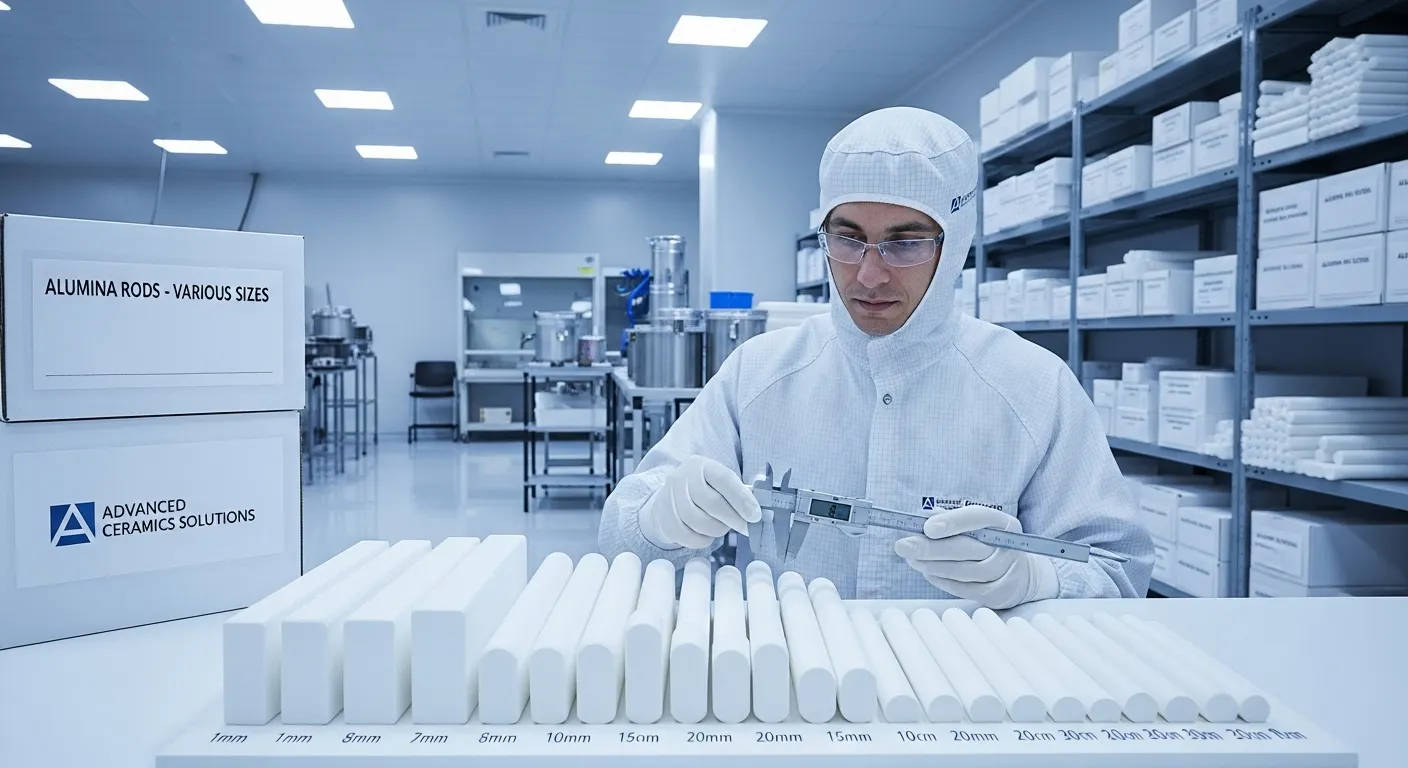
The new-age industrial systems depend more on materials that can sustain their shapes with dimensional precision, withstand wear, and perform reliably, even under the most stressful conditions. Among technical ceramics, Zirconia Structural Components are being increasingly integrated into various systems owing to their mechanical strength, toughness, wear resistance, and electrical insulative technical ceramics.
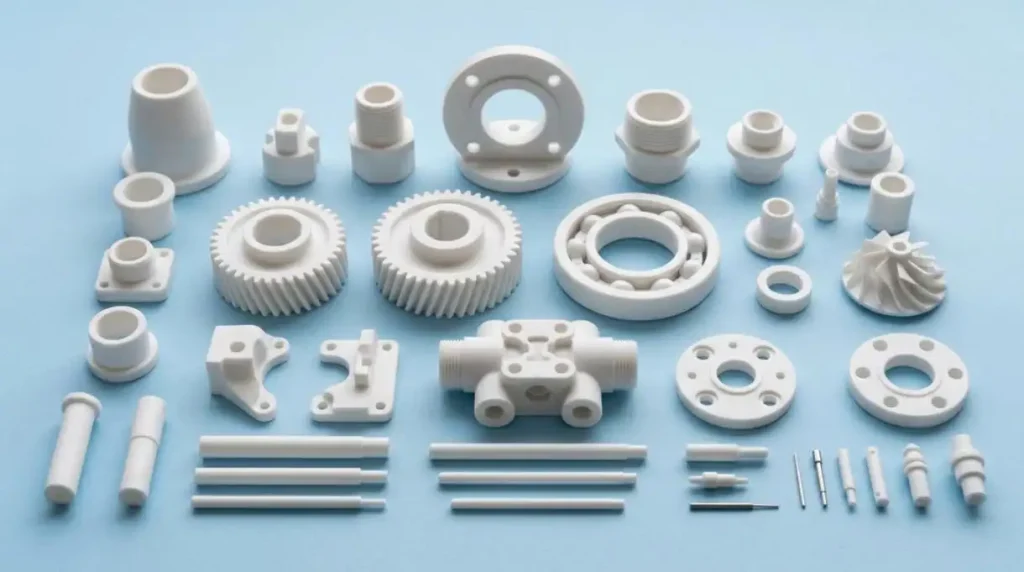
Zirconia Structural Components are being increasingly integrated into automated systems and precision positioning systems. Zirconia Structural Components are also being used increasingly in pumps, valves, seals, and sensors. In all the above applications, the conventional metallic and plastic systems would suffer from accelerated wear, corrosion, and loss of dimensional stability.
Understanding Zirconia Structural Components
A Zirconia Structural Component is a precision ceramic component made from Zirconium Dioxide (ZrO₂) that has been engineering processed. Zirconia, unlike many traditional ceramics, is known for its exceptional toughness and strength when compared to other materials of the same category.
The following are the various aspects that define the demanding industrial applications for Zirconia Structural Components:
•Excellent toughness of fracture
•High mechanical strength
•Outstanding resistance to wear
•Superior resistance to corrosion
•Capability of electrical insulation
•Resistance to thermal shock
•Non-magnetic
•Stabili ty of long term dimensions
Reliability and consistency are fundamental to the performance of Zirconia structural components when integrated into industrial systems.
Industrial Equipment and the Importance of Wear Resistance
Wear is the most common cause for equipment to fail. The constant friction and the abrasive mechanical movements between particles cause a gradual loss of accuracy in components and shorten their functional life.
In comparison with many metallic materials, Zirconia Structural Components have a substantial advantage in wear-bearing applications.
Some of the typical applications of Zirconia Structural Components that are wear resistant include:
Guide Components
•In automated systems, guide pins, guide sleeves, and positioning elements, are often used, and these components come into contact with each other in a sliding manner, repeatedly.
•Reduced surface wear. Improved dimensional accuracy. Infrequent maintenance. Lengthier service intervals.
Wear Plates and Contact Surfaces
Wear plates are used to shield the structural integrity of industrial machines from friction related damage. Zirconia Structural Components resist surface deterioration during sustained operational cycles and aid in the consistent performance of a system.
Rotating Assemblies
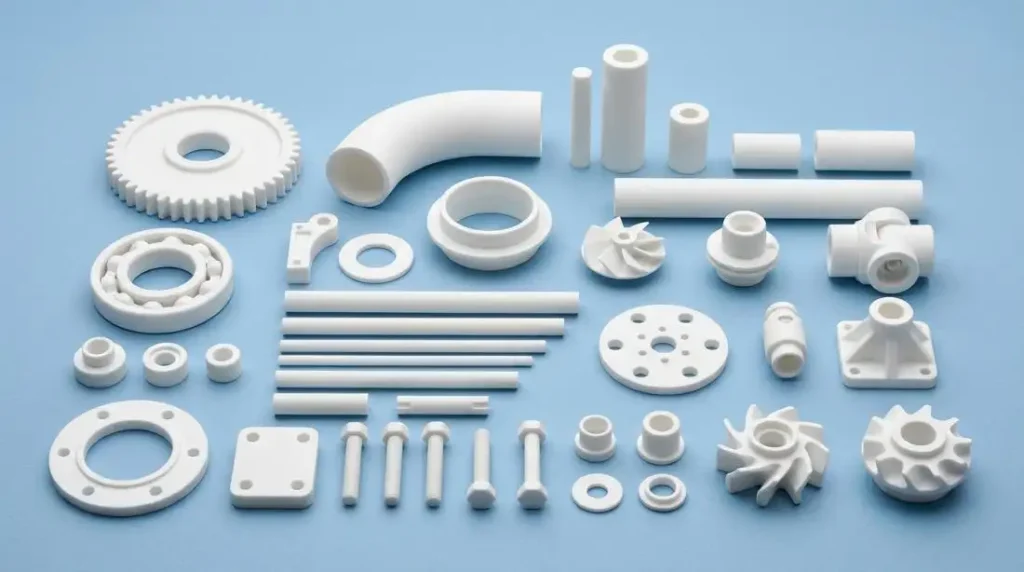
Shaft sleeves, bushings, and bearing parts are all improved by the low wear nature of zirconia, even in poorly lubricated environments.
Precision Positioning and Motion Control Applications
Modern manufacturing heavily relies on systems that provide accurate positioning. In semiconductor equipment, inspection systems, robotics, and automated systems, even the smallest change in dimension can result in failure of the system.
Positioning Pins and Alignment Components
Due to their dimensional stability, Zirconia Structural Components are commonly used as:
•Precision locating pins
•Alignment guides
•Indexing elements
•Fixture positioning elements
Robotics and Automation Systems
Due to the large number of repetitive movements industrial robots are designed to perform during their service life, these systems benefit from the consistent positioning accuracy, resistance to repetitive mechanical stress and wear-related drift, and reliable performance in difficult manufacturing environments provided by zirconia.
As automation continues to evolve, the need for durable, precise materials increases.
Sealing Applications in Harsh Operating Conditions
Seal functions and features are imperative in systems for chemical processing, fluid control, and industrial manufacturing.
Sealing materials traditionally used suffer degradation due to:
•Abrasion
•Corrosion
•Elevated temperature
•Chemical exposure
Mechanical Seal Components
Zirconia Structural Components provide design flexibility and have applications in:
•Seal rings
•Seal faces
•Valve sealing elements
•Fluid control interfaces
•Zirconia's hard microstructure.
Chemical Processing Equipment
Most chemical systems expose equipment to highly aggressive media that attack metals.
Zirconia offers chemical stability and can be used as a Structural Component in corrosive processing environments to extend service life.
Thermal and Electrical Insulation
Zirconia combines strength with the insulation of metals.
Zirconia's non-conductivity of metals makes it a good candidate for applications needing both strength and insulation.
Sensor Housings
Many industrial sensors operate in:
•High temperature
•High vibration
•Moisture
•Corrosive chemicals
Zirconia Structural Components can be:
•Sensor housings
•Protective sleeves
•Isolation components
•Signal protection structures
High Voltage Systems
Zirconia is perfect for:
•Insulating supports
•High-voltage isolation structures
•Electronic equipment components
•Precision measurement systems
Its non-magnetic characteristics also make it useful in sensitive measurement environments.
Pump and Valve Components for Industrial Fluid Systems
Some of the most demanding applications in industry are pumps and valves due to their constant interaction with pressure, flow, friction and chemical media.
Pumps
Some of the common applications include:
•Pump plungers
•Pump sleeves
•Pump shaft components
•Wear resistant inserts
Zirconia Structural Components enable systems to be designed to ease the handling of fluids and maintain the reliability of the system.
Valve Components
For a valve to function reliably over a long period of time, it must be able to seal precisely and resist wear.
Zirconia is often seen in:
•Valve seats
•Valve balls
•Valve guides
•Flow-control components
Zirconia's resistance to wear and tendency to maintain close tolerances make it ideal for all of these components.
Zirconia Structural Components for Advanced Applications
Long-lasting and high-performing zirconia components depend significantly on the precision of the manufacturing process.
Zirconia Manufacturing Process Typical Capabilities:
| Parameter | Typical Capability |
| Length Range | ≤300 mm |
| Outer Diameter | ≤150 mm |
| Surface Roughness | Ra0.02–Ra0.2 |
| Wall Thickness | ≥0.1 mm |
| Roundness | 0.002 mm |
| Concentricity | 0.002 mm |
| Straightness | 0.004 mm |
| Perpendicularity | 0.005 mm |
These manufacturing process tolerances ensure that zirconia components can be incorporated into advanced mechanical systems.
UPCERA's Engineering Advantages for Zirconia Structural Components
Modern industrial processes require more than a commodity ceramic component. Customers expect a high level of engineering, precision, and a commitment to scale manufacturing.
Designing and manufacturing Zirconia Structural Components at UPCERA has several benefits.
Material Knowledge
•Technical ceramics expertise exceeding 2 decades
•Familiarity with zirconia
•Refined materials and manufacturing
Tailored Designs
•Ability to design complex structures
•Freedom in designing to specific measurements
•Engineering support for design
•Able to move from prototypes to final production
Manufacturing Precision
•Ability to grind and machine with extreme precision
•Manufacturing tight tolerances
•Ability to repeat designs with exact measurements
•Quality control and assurance processes
Trustworthy Supply
•Production is done in-house
•Manufacturing can meet demand
•Able to support large orders
•Experience serving customers globally
Final Thoughts
Zirconia Structural Components are becoming essential for engineering systems with their unique combination of desirable properties. Zirconia Structural Components are also becoming more important in a variety of applications from seals and pumps to automation systems and engineering positioning systems.
UPCERA combines technical ceramics expertise with advanced manufacturing capabilities and precision machining to design Zirconia Structural Components to fulfill the needs of industry and to meet the demands of precision custom design and manufacturing.
FAQ – Zirconia Structural Components
Q1: What exactly are Zirconia Structural Components?
They are strong ceramic components that are engineered with precision to have a structure of zirconium dioxide (ZrO₂) which provides them with excellent thermal stability, wear resistance, and strength.
Q2: What are common applications of Zirconia Structural Components?
They can be used in many industrial applications which include automation, robotics, pumps, valves, and high-voltage equipment among others. They can also be used for positioning systems and sensors.
Q3: Why is Zirconia preferred compared to metals and plastics?
In comparison to metal and plastic, zirconia's resistance to wear, stability, and insulation are unsurpassed. zirconia is also non-magnetic and resists corrosion.
Q4: Can we have Zirconia Structural Components made to our design?
A: Yes, zirconia structural components may be manufactured with different design features and tolerances based on customer requirements.
Q5: What is the expected lifetime of structural components made with Zirconium Oxide?
A: Zirconia structural components are manufactured to sustain the highest levels of friction, heat, and the most aggressive of chemicals for extended periods of time. Because of the lifetime of these components, maintenance costs are reduced.


In This Article
- 1 Understanding Zirconia Structural Components
- 2 Industrial Equipment and the Importance of Wear Resistance
- 3 Precision Positioning and Motion Control Applications
- 4 Sealing Applications in Harsh Operating Conditions
- 5 Thermal and Electrical Insulation
- 6 Pump and Valve Components for Industrial Fluid Systems
- 7 Zirconia Structural Components for Advanced Applications
- 8 UPCERA's Engineering Advantages for Zirconia Structural Components
