 English
 中文
中文







How Alumina Tube Delivers Superior Electrical Insulation
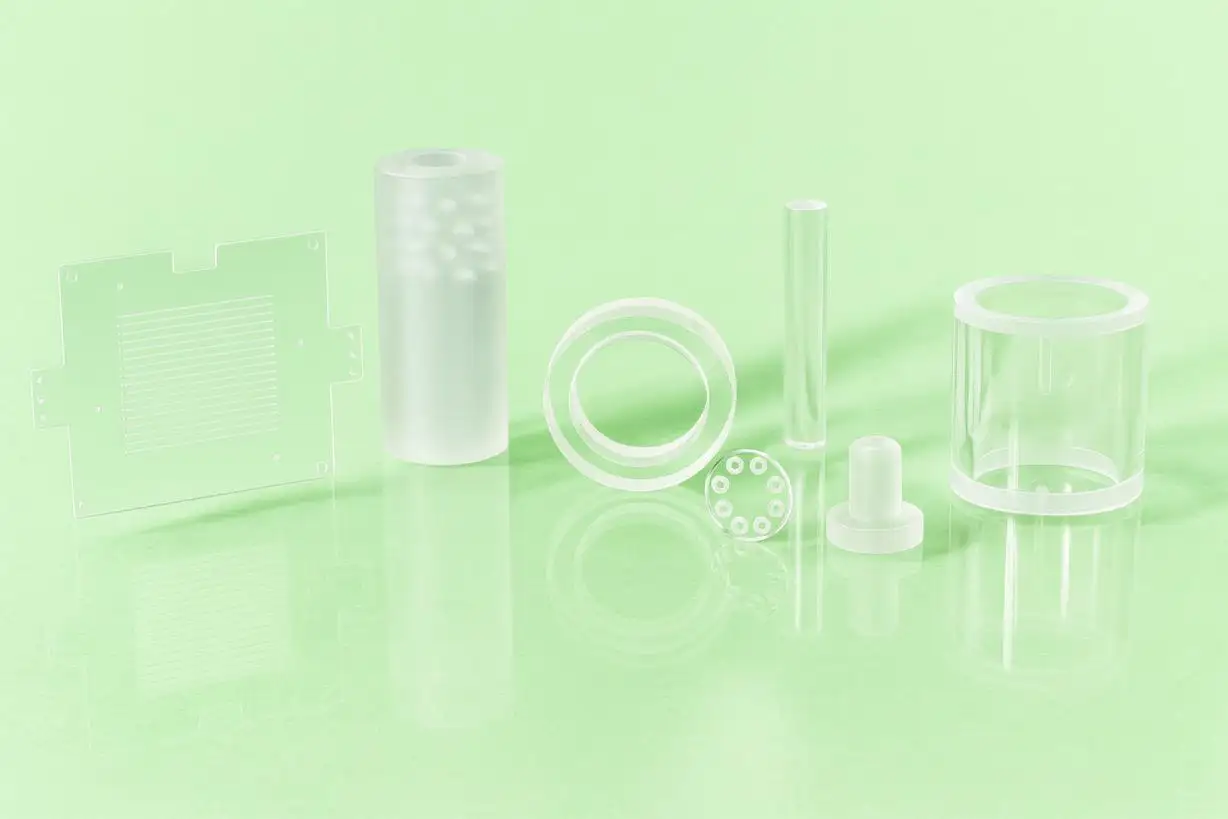
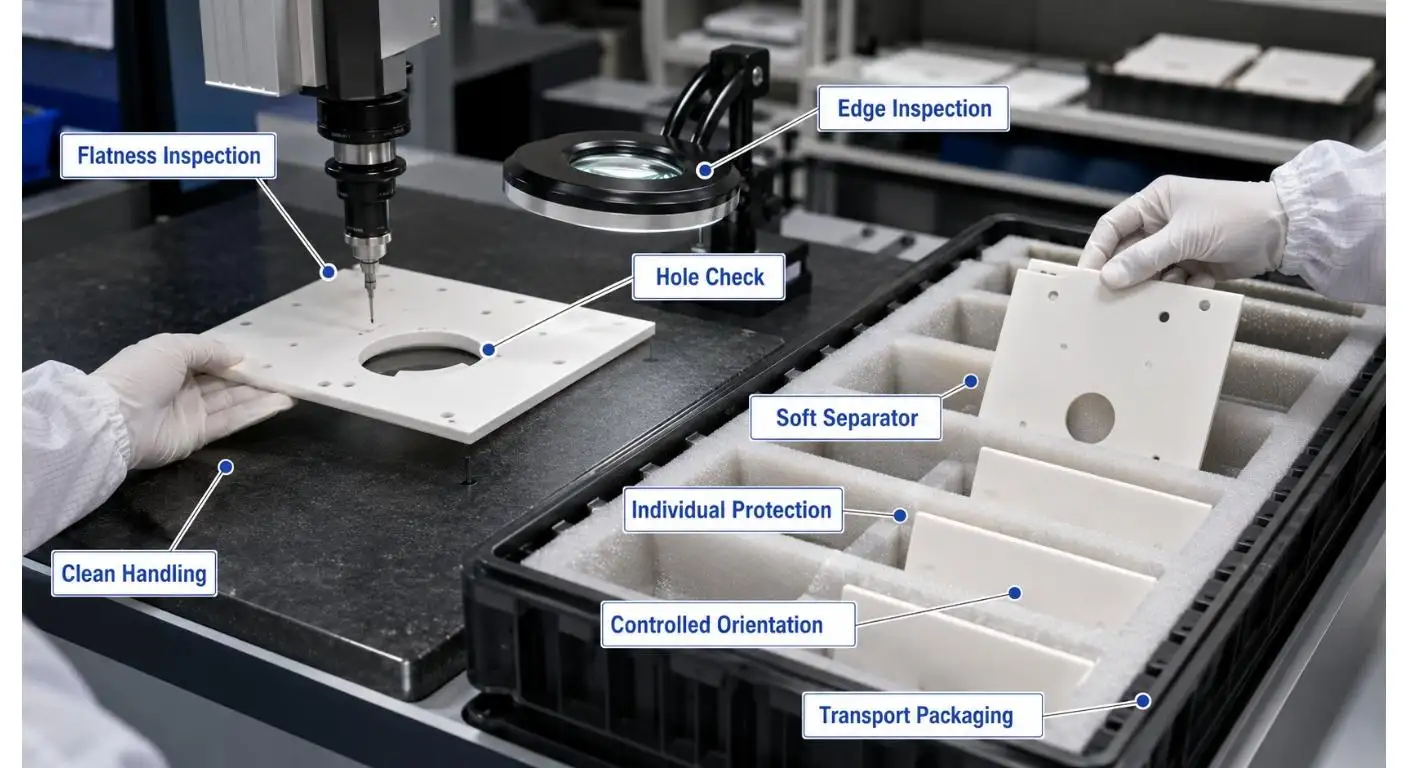
Alumina Tube plays a critical role in modern electrical insulation because it combines high material purity, stable dielectric behavior, and reliable performance under heat, voltage, and chemical exposure. From the perspective of UPCERA, this is why alumina ceramic tubing remains a practical choice for clients in energy, laboratory equipment, metallurgy, semiconductor processing, and industrial heating systems.
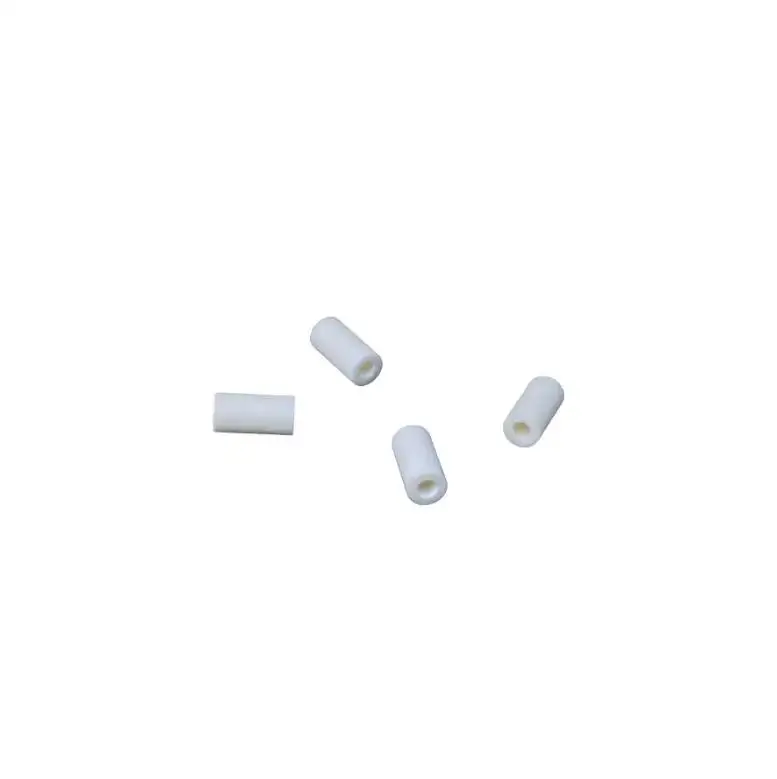
In many projects, insulation is not only about blocking current. It is also about ensuring stable structure, precise dimensions, and extended service life when equipment operates in harsh environments. That's when high-purity alumina comes in handy. Both CeramTec and CoorsTek say that alumina is a common technical ceramic that is used for electrical insulation and high-performance electronics.
Why Electrical Insulation Is Important When Things Get Tough
In real life, insulation parts have to deal with more than just voltage. They may also need to perform under conditions such as:
• High operating heat
• Fast thermal cycling
• Corrosive chemical exposure
• Wear caused by contact or movement
• Narrow tolerances in compact device layouts
In these environments, some insulating materials may fail through cracking, deformation, or reduced reliability. An Alumina Tube helps minimize these problems by maintaining stable properties in applications with significant electrical and thermal demands.
This practical advantage helps clients improve insulation reliability, reduce maintenance interruptions, and maintain stable performance in key equipment.
How Alumina Tube Provides Better Electrical Insulation
The main benefit of an Alumina Tube comes from the material it is made of. Made from 99%+ pure alumina, it offers excellent electrical insulation together with high thermal resistance and chemical stability. This combination is important because electrical parts rarely work in a mild environment.
At UPCERA, we see clients choose alumina tubes not only for insulation itself, but for insulation that remains reliable over long service cycles. The dense ceramic structure supports electrical isolation while also helping prevent gas leakage in vacuum or reactive environments. That is especially useful in electrical feedthroughs, thermocouple protection, and high-voltage assemblies.
CeramTec lists alumina among the core ceramic materials used where strong electrical insulation is required, while CoorsTek also notes alumina's excellent dielectric behavior in technical ceramic applications.
Product Features That Bring Practical Value to Clients
A good insulation tube should not be evaluated only by material name. It should be assessed by how its properties support the final application. UPCERA's alumina ceramic tube offers several practical advantages:
• High Thermal And Chemical Stability
This helps clients use the tube in furnaces, analytical systems, and chemical equipment without frequent concern about thermal damage or chemical attack.
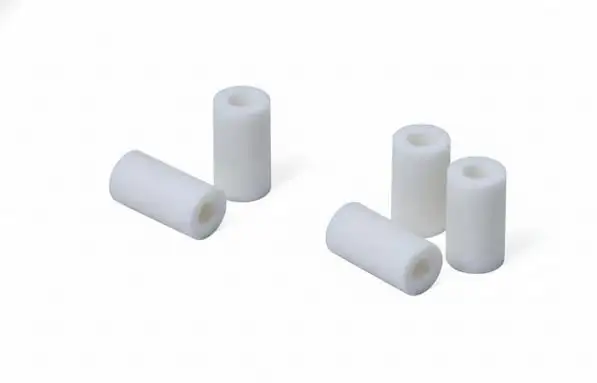
• Excellent Electrical Insulation
This makes the tube well suited for electrical isolation in high-voltage equipment, feedthrough systems, and sensor protection designs.
• High Hardness And Wear Resistance
This supports dependable long-term use in applications where parts face friction, load, or repeated motion.
• Corrosion And Oxidation Resistance
This helps preserve reliable performance in environments with aggressive chemical or oxidative exposure.
• Custom Production Capability
This gives buyers more flexibility when matching tube geometry to equipment design.
These advantages are not just material descriptions. They directly support lower replacement frequency, more stable operation, and improved design compatibility for the client.
Precision Data That Matters in Component Selection
For many buyers, geometry and machining quality are as important as the raw material. With precision processing capability, UPCERA can supply alumina ceramic tubes in selected dimensional ranges such as:
• Up to 300 mm in length
• Up to 150 mm in outer diameter
• As thin as 0.1 mm in wall thickness
• Surface roughness from Ra0.02 to Ra0.2
• Roundness of 0.002 mm
• Concentricity of 0.002 mm
These specifications matter in practical use because accurate dimensions contribute directly to assembly quality and insulation reliability. Improved roundness, concentricity, and surface finish allow clients to obtain more stable installation, cleaner system integration, and more consistent performance in precision applications.
Where Alumina Tube Creates the Most Value
An Alumina Tube is widely used across industries where electrical isolation must work together with heat resistance and structural reliability. Common applications include:
• Thermocouple sheaths and sensor protection
• Spark plug insulators and electrical feedthroughs
• Furnace and kiln equipment
• Vacuum systems and reactive process environments
• Laboratory and analytical instruments
• Semiconductor processing systems
OMEGA's high-temperature thermocouple products, for example, specifically use high-purity alumina protection tubes in demanding measurement environments, which reflects the material's established role in industrial thermal and electrical protection.
Why UPCERA Recommends a More Application-Focused Approach
At UPCERA, we believe the right Alumina Tube should be selected by application logic, not by specification tables alone. Clients should consider voltage level, operating temperature, chemical exposure, required tolerances, and service-life expectations together.
By following this logic, clients can avoid overdesign in standard systems and reduce the chance of underperformance in more demanding ones. At the same time, it creates a more direct path to custom production when standard dimensions do not provide the right fit.
If your design requires stable electrical insulation in a high-temperature or corrosive environment, UPCERA can help you evaluate the appropriate Alumina Tube specification. Get in touch with our team to evaluate dimensions, tolerances, surface finish, and the specific demands of your application.
Share on Social:


