 English
 中文
中文







Thermal Insulating Ceramics In Thermal Management: Structural Ceramics For Stable High-Temperature Systems
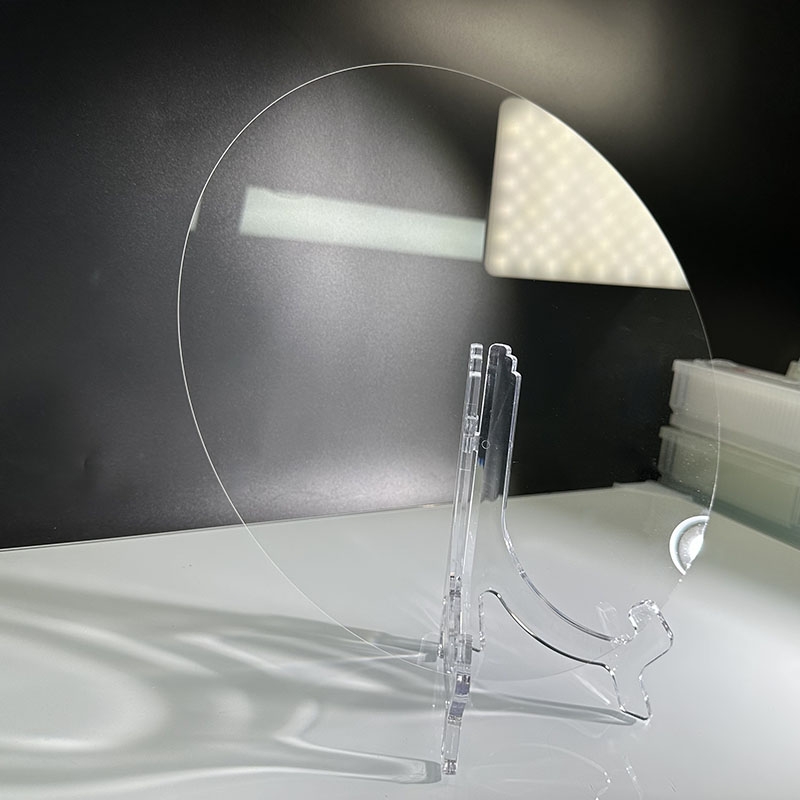
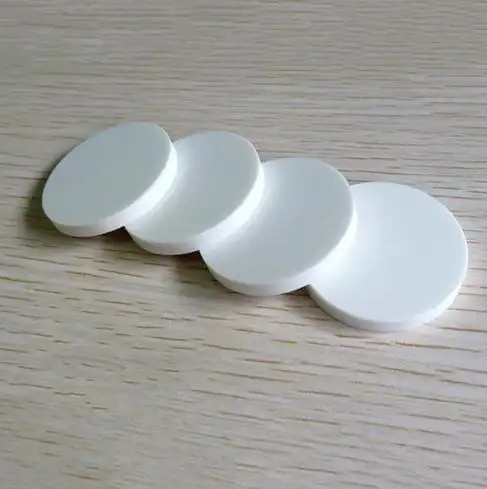
Thermal Insulating Ceramics are no longer only associated with lightweight refractory linings or traditional heat-blocking materials. In many advanced industrial systems, the more relevant question is how structural ceramics help control heat, maintain electrical isolation, and preserve dimensional stability under demanding operating conditions. For overseas buyers working in semiconductor equipment, electronics, precision assemblies, and high-temperature industrial systems, that shift matters.
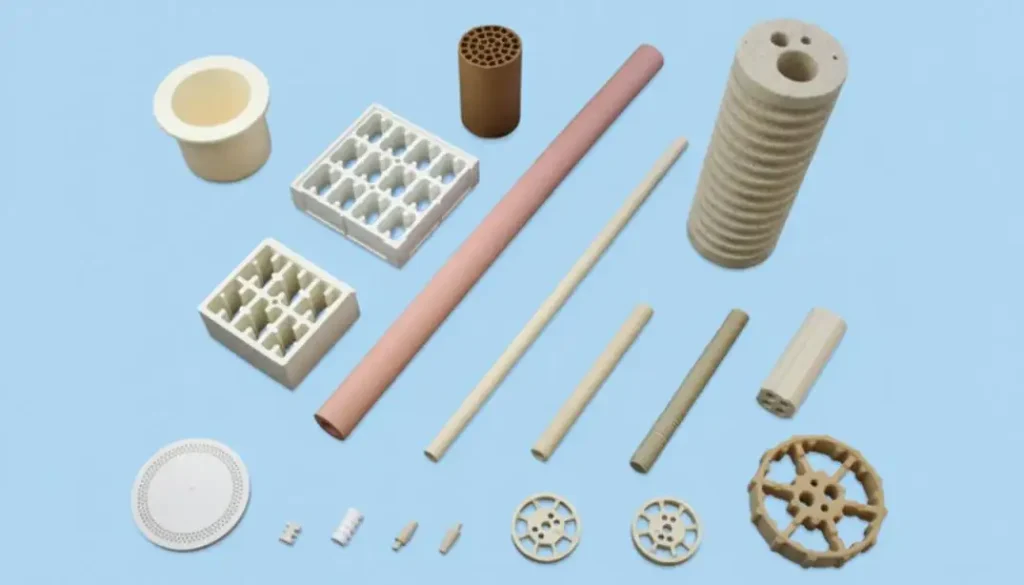
At UPCERA, we see growing demand for ceramic components that do more than "withstand heat." Customers increasingly need parts that support thermal stability, electrical insulation, and long-term consistency in compact, high-value assemblies. In this context, alumina ceramic and zirconia ceramic are often more relevant than conventional insulation materials, because they can combine structural reliability with thermal-management value in one engineered component.
Why Thermal Management Now Requires Structural Ceramics
In modern equipment, heat is rarely an isolated issue. It affects process repeatability, component fit, electrical safety, service life, and overall system reliability. The U.S. Department of Energy notes that properly designed refractory and insulation systems help reduce heat loss, maintain desired process temperatures, and improve energy performance in process-heating operations.
However, many real applications are not solved by adding more bulk insulation alone. In semiconductor tools, electronic assemblies, and high-temperature precision equipment, designers often need parts that can do several jobs at once:
•Hold tight dimensions under thermal load
•Electrically isolate adjacent conductive parts
•Resist deformation during repeated heating and cooling
•Protect nearby assemblies from localized heat exposure
•Maintain structural integrity in compact spaces
That is why Thermal Insulating Ceramics should be discussed not only as heat-blocking materials, but also as machined structural ceramic components that support controlled thermal behavior.
Alumina and Zirconia Fit Real Industrial Requirements
For the applications most relevant to UPCERA's manufacturing scope, the material discussion should stay focused on Alumina and Zirconia.
Alumina for Electrical Insulation and Thermal Stability
Alumina is one of the most widely used technical ceramics because it offers a balanced combination of electrical insulation, mechanical strength, chemical stability, and high-temperature capability. KYOCERA describes alumina as a fine ceramic widely used in electrical components for its insulation performance and in mechanical parts for its strength and stability. CoorsTek also identifies alumina as the most commonly used technical ceramic because of its broad property balance and strong price-performance ratio.
For buyers, that makes alumina a practical choice for parts such as:
•Ceramic insulators
•Electrical isolation components
•High-temperature positioning parts
•Semiconductor equipment components
•Precision supports, sleeves, and custom structural parts
In thermal-management applications, alumina is valuable not because it behaves like a soft insulation blanket, but because it helps a system remain thermally and electrically stable while still functioning as a precision-engineered part.
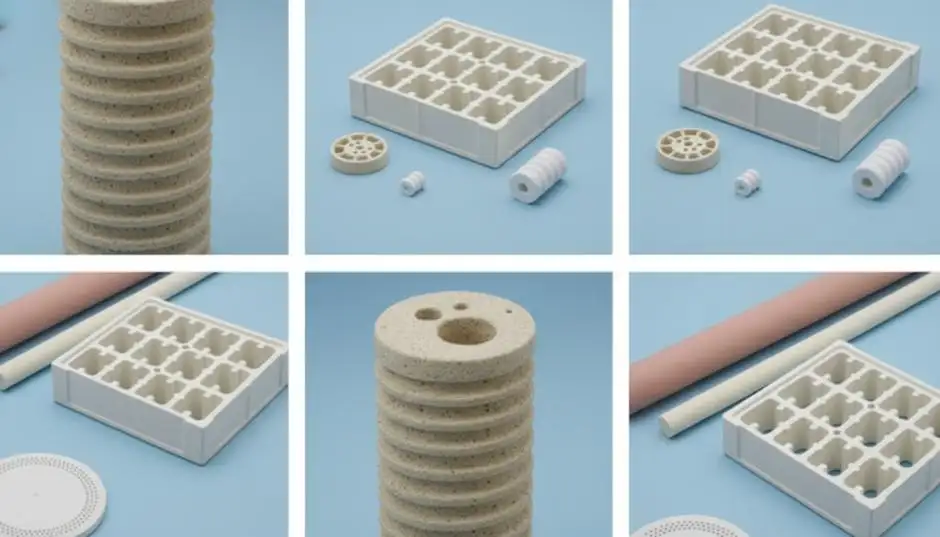
Zirconia for Heat Control and Structural Reliability
Zirconia brings a different performance profile. It is widely valued for high strength, fracture toughness, wear resistance, and relatively low thermal conductivity compared with many other ceramics. KYOCERA states that zirconia provides valuable benefits with strong heat-insulating characteristics \due to low thermal conductivity and offers high mechanical performance.
This makes zirconia attractive when a customer needs more than insulation alone. In many precision applications, zirconia helps balance:
•Thermal resistance
•Mechanical durability
•Resistance to crack propagation
•Reliability in compact or stress-loaded assemblies
For thermal-management design, zirconia is often useful where the ceramic part must both limit heat transfer and remain structurally dependable under demanding service conditions.
Considerations for Thermal Management with Structural Ceramics
When considering Thermal Insulating Ceramics, buyers should avoid a simplistic, single attribute approach, such as "low heat conductivity." Structural ceramics have many integrated functions in real project references that assist with thermal management.
1. Stabilizing Thermal Conditions
A ceramic part with favorable thermal properties can help stabilize an operating state for a zone by reducing unwanted heat flow. This is important for chambers, fixtures, insulator assemblies, and module equipment where heat-induced drifts can affect the consistencies of the processes. Thermal loss and poor thermal control are often cited as direct causes for loss of productivity.
2. Maintaining Electrical Isolation in Hot Applications
In many industrial applications, particularly in electronics and semiconductor devices, heat and electrical voltages can be combined. Just using a mechanically suitable material is not adequate. This is why alumina is so popular in electrical and electronic applications.
The above is a part of the role that ceramic structural insulators play in
•Equipment for semiconductor processing, and
•Electronics packaging.
•High voltage assemblies
•Precision control units involving heat.
3. Increasing Dimensional and Process Stability
Thermal cycling can distort, cause expansions to be uneven, misalign, or cause premature failure to a material that has been poorly selected. Structural ceramics help reduce that risk when the material, geometry, and process are matched to the real operating condition. In semiconductor manufacturing equipment, advanced ceramics are widely used in lithography, etching, deposition, and wafer handling because these applications demand precision, heat resistance, and clean performance.
Where Overseas Buyers Commonly Use These Components
For international sourcing teams, the most relevant applications are often not furnace walls or generic refractory systems. They are custom parts used in high-value equipment, such as:
•Semiconductor equipment insulators and structural parts
•Electronic ceramic isolation components
•High-temperature fixtures and supports
•Precision sleeves, ferrules, and bushings
•Custom ceramic parts for stable thermal and electrical performance
This is also where supplier capability becomes important. A technically suitable ceramic material still needs the right forming, machining, tolerancing, and finishing route. Otherwise, the part may pass material review but fail in assembly, alignment, or long-term stability.
UPCERA's Perspective as a Structural Ceramic Supplier
At UPCERA, we believe the discussion around Thermal Insulating Ceramics should be more application-driven and closer to how engineers actually buy parts. In our work with high-temperature and electrically insulating structural ceramics, including ceramic insulators and custom precision components, customers are usually trying to solve a combined problem rather than a single-property problem.
They often need a part that can deliver:
•Stable performance at elevated temperature
•Reliable electrical insulation
•Tight dimensional control
•Consistent quality across repeat orders
•Compatibility with demanding equipment environments
That is why the right material conversation should follow a clear logic:
Application Condition → Thermal Requirement → Insulation Requirement → Material Choice → Machining Feasibility → Production Consistency
This approach is more useful for buyers than treating ceramics as a general materials category.
What Buyers Should Prioritize Before Selection
Before choosing a supplier for Thermal Insulating Ceramics, procurement and engineering teams should evaluate:
•The real operating temperature, not only the headline material rating
•Whether electrical insulation is part of the functional requirement
•Dimensional tolerance needs after firing and machining
•Thermal cycling conditions, not just static heat exposure
•The supplier's experience with precision structural ceramic parts
For many advanced applications, the best result comes from selecting a ceramic that supports thermal stability, structural integrity, and electrical performance together.
At that point, Thermal Insulating Ceramics stop being a general material topic and become what they should be: a practical engineering solution for controlled, reliable, and repeatable thermal-management systems.


